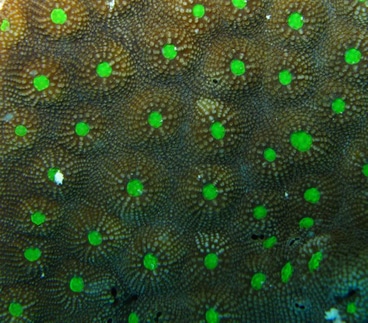
The Hunt for the Colorful Coral
Over the last nine days we have visited many exciting and unusual reefs, starting close to shore at the northern end of the Farasan Banks and slowly working our way south. We have seen some areas that appear, at least


Over the last nine days we have visited many exciting and unusual reefs, starting close to shore at the northern end of the Farasan Banks and slowly working our way south. We have seen some areas that appear, at least
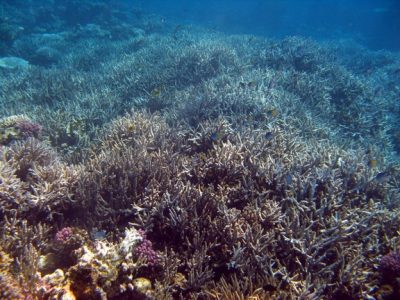
We headed east today in search of a dive spot protected from the swell, with hopes that the wind would die down. Good fortune, as conditions improved, and we were able to explore both the protected southeastern and exposed northwestern
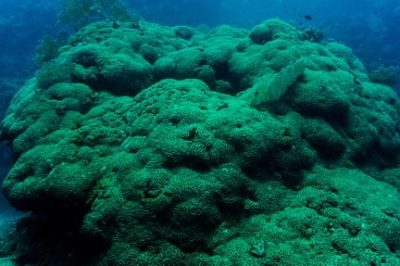
This morning we headed to Shib Ammar, a submerged patch reef at the outer edge of the Farasan Banks, some 40 miles offshore. Twenty knot winds from the northwest, and a 1.5 meter swell made for a wet and bumpy
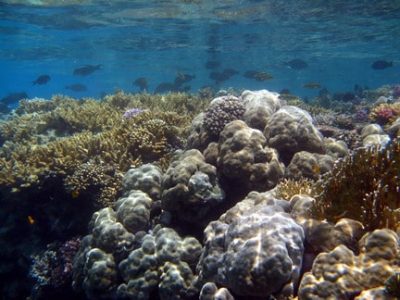
Our team continued reef assessments along middle shelf locations to better characterize the spatial extent of the disturbance. We first examined two locations along the unnamed submerged reef platform described yesterday, first at the northwestern tip, about 6.4 km west
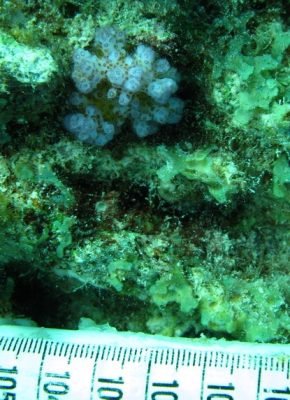
For our third dive of the day we surveyed a submerged mid shelf reef, adjacent and west of a deep water channel that bisects the Farasan Banks. As I descended to the bottom, something seemed amiss. Unlike the crystal clear,
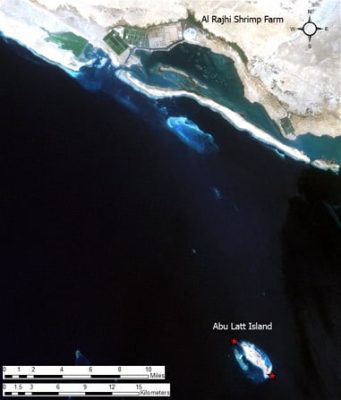
Saturday, April 4. Our research team boarded the Golden Shadow on Saturday morning, departing from Jeddah, Saudi Arabia around mid day for a 7 hour (120 mile) journey to the northern end of the Farasan Banks. We reached our first
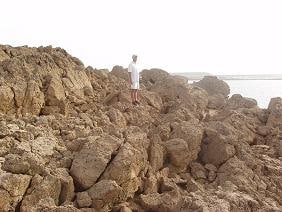
Focus for today: Farasan Earthquakes (Earthquakes in the Farasan region.) Target key stage: Key Stage 4: National Science Curriculum, Dual Award, Sc2, 4a: variation arises from genetic causes, environmental causes and a combination of both. Key information: The Farasan Islands
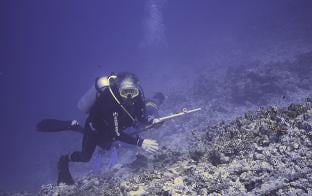
Focus for today: Nursery Habitat for Juvenile Coral Reef Fish. Target Key Stage: Key Stage 4: National Science Curriculum, Dual Award, Sc2, 5a: the distribution and relative abundance of organisms in habitats can be explained using ideas of interdependence, adaptation,

Focus for today: Red Sea coral disease. Target key stage: Key Stage 4: National Science Curriculum, Double Award, Sc2, 4a – Variation arises from genetic causes, environmental causes, and a combination of both. Key information: Over the past 20 years