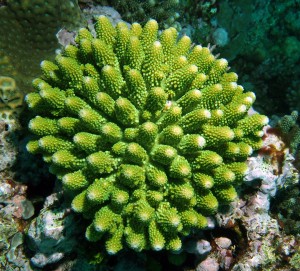
Colorful Corals
In addition to a much larger variety of corals, reefs of Lau seem to have an unusually large number of fluorescent, brightly colored corals, more than we’ve seen in past expeditions. Corals are usually light or golden brown, but some


In addition to a much larger variety of corals, reefs of Lau seem to have an unusually large number of fluorescent, brightly colored corals, more than we’ve seen in past expeditions. Corals are usually light or golden brown, but some
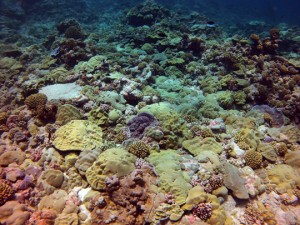
After two weeks, we’ve completed reef assessments around Rangiroa, Aratika, and Raraka and are now examining Fakarava. Tuamotu reefs are dramatically different from Society Islands. Besides the near absence of crown of thorns seastars (we’ve seen a handful in the
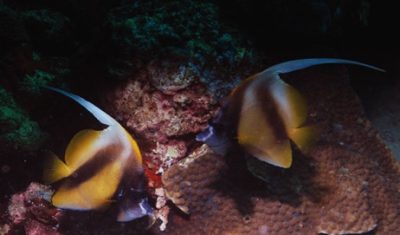
I’ve spent a lot of time talking about the corals, how they are faring, and what invertebrates are eating them. I’ve only briefly mentioned fish, even though they are the showcase of the Red Sea. From charismatic megafuana like the
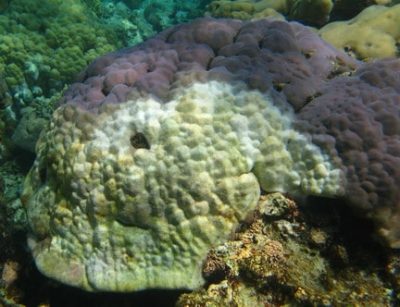
The Farasan Banks is a very unique and diverse marine ecosystem with more reef habitat per unit area than anywhere else we’ve surveyed along the Saudi Arabian Red Sea coast. Like other areas, the major framework builders of these structures
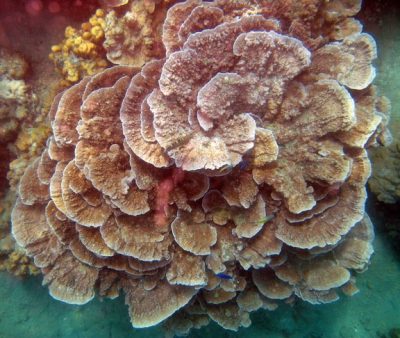
Most of us have read about the coral reef crisis and have heard about the factors that have contributed to the degradation of reefs – most often overfishing, pollution, sedimentation have been cited as the causes, and more recently climate
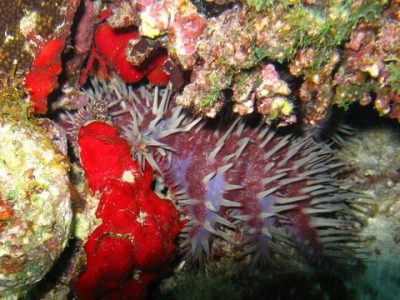
On most of the reefs I have dived on over the last ten days, I can always find a coral that is missing some of its tissue. Most often, it’s been eaten by some other animal. Two colonies of Acropora,
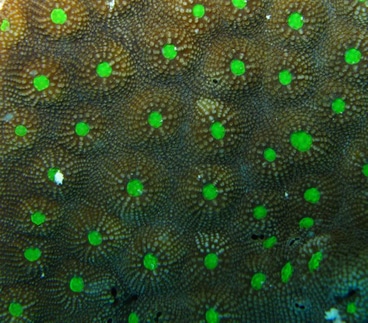
Over the last nine days we have visited many exciting and unusual reefs, starting close to shore at the northern end of the Farasan Banks and slowly working our way south. We have seen some areas that appear, at least
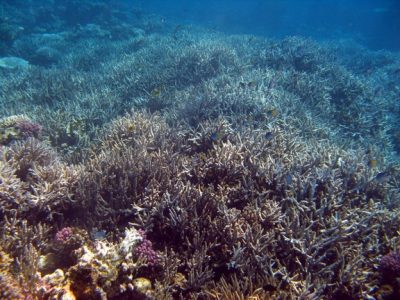
We headed east today in search of a dive spot protected from the swell, with hopes that the wind would die down. Good fortune, as conditions improved, and we were able to explore both the protected southeastern and exposed northwestern
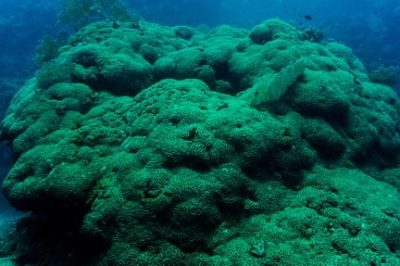
This morning we headed to Shib Ammar, a submerged patch reef at the outer edge of the Farasan Banks, some 40 miles offshore. Twenty knot winds from the northwest, and a 1.5 meter swell made for a wet and bumpy
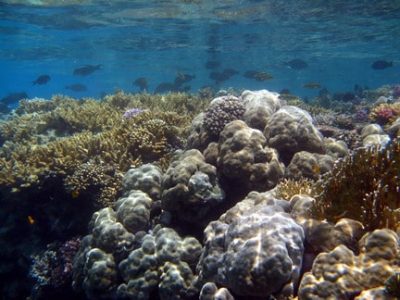
Our team continued reef assessments along middle shelf locations to better characterize the spatial extent of the disturbance. We first examined two locations along the unnamed submerged reef platform described yesterday, first at the northwestern tip, about 6.4 km west