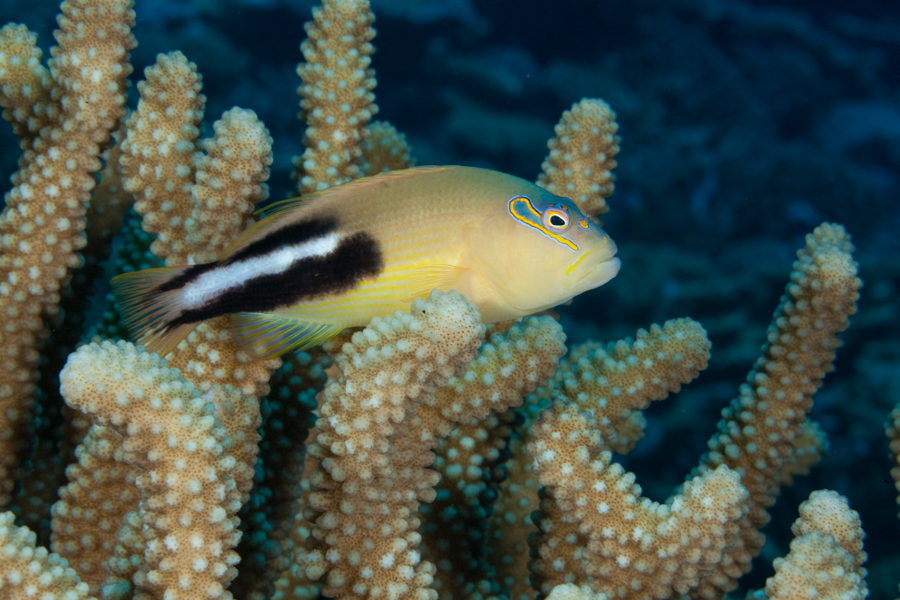
In marine ecology, we often think about ecosystems like coral reefs, mangroves, and seagrass beds as separate, distinct places. But much like the human body, these ecosystems are interconnected—each system plays a vital role in supporting the health of the others and the communities that depend on them. When we understand these connections, we start to see the bigger picture of how to protect our oceans and coasts holistically.
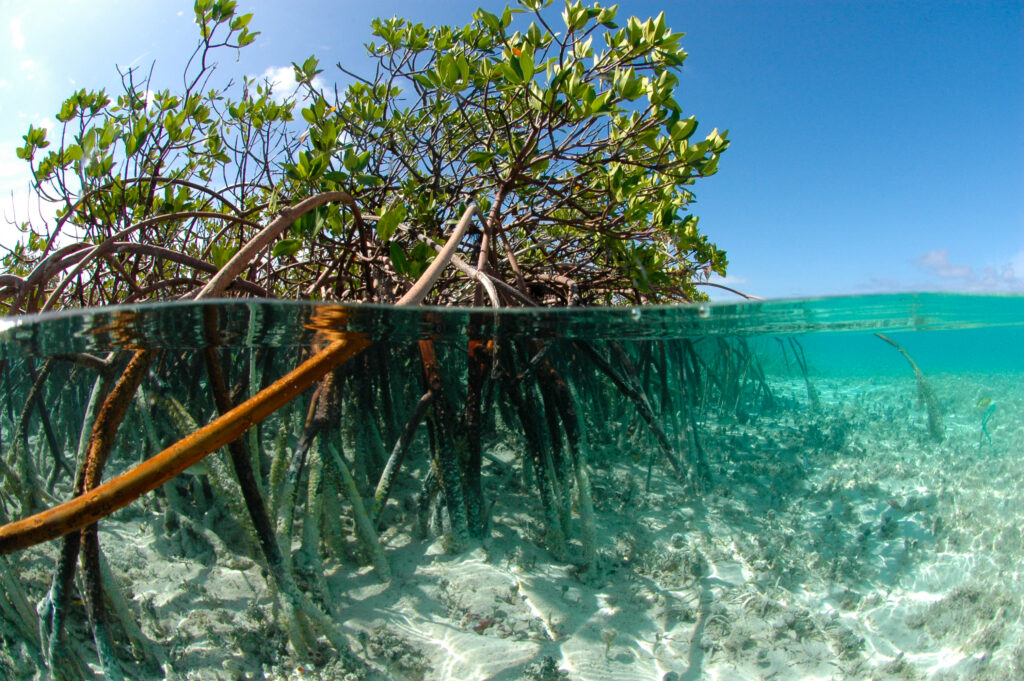
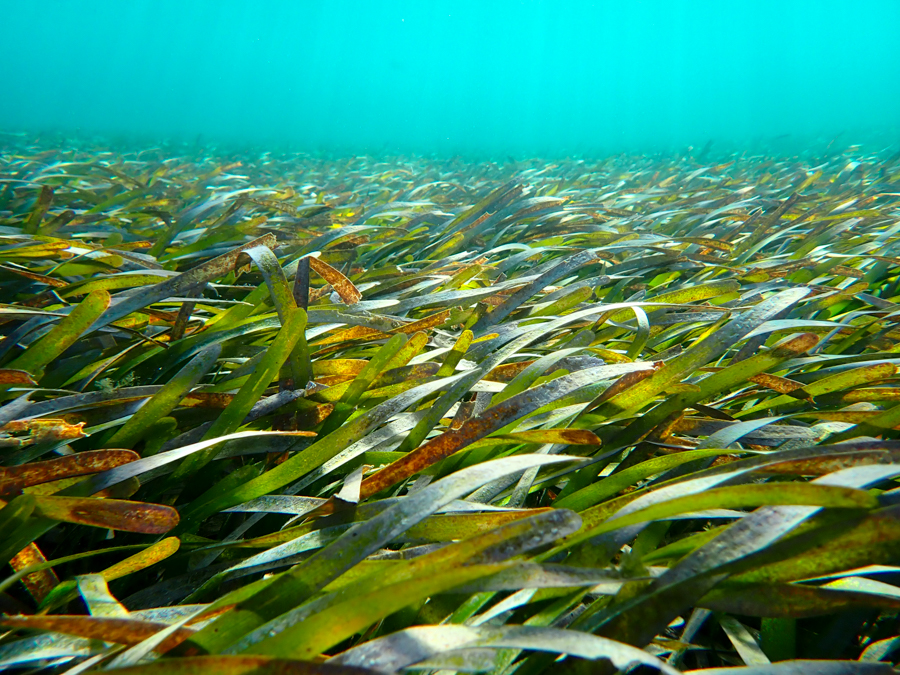
My efforts to build a seagrass education program evolved surprisingly while I was in Jamaica, at the University of the West Indies Discovery Bay Marine Laboratory (DBML). I was there implementing our established J.A.M.I.N. program, which for the past decade has engaged Jamaican secondary school students in learning about and restoring mangroves. After a long day visiting schools, I was heading back to my flat just as Isabel Key, a doctoral student from the University of Edinburgh, was leaving hers. Isabel was in Jamaica serving as a teaching assistant for a course with visiting students from her university.
Though we only had a brief chance to chat in passing, we stayed in touch after returning to our respective countries. That’s when I learned more about her PhD research on seagrass biodiversity and that she was required to complete an internship as part of her program. Isabel wanted to do something different, something hands-on and impactful. I shared with her that it had been a long-held dream of mine to create a seagrass curriculum and program that mirrored the success of our J.A.M.I.N. program. Adding seagrass would complete the trifecta of tropical marine ecosystems: coral reefs, mangroves, and seagrasses.
From that conversation, our collaboration was born.
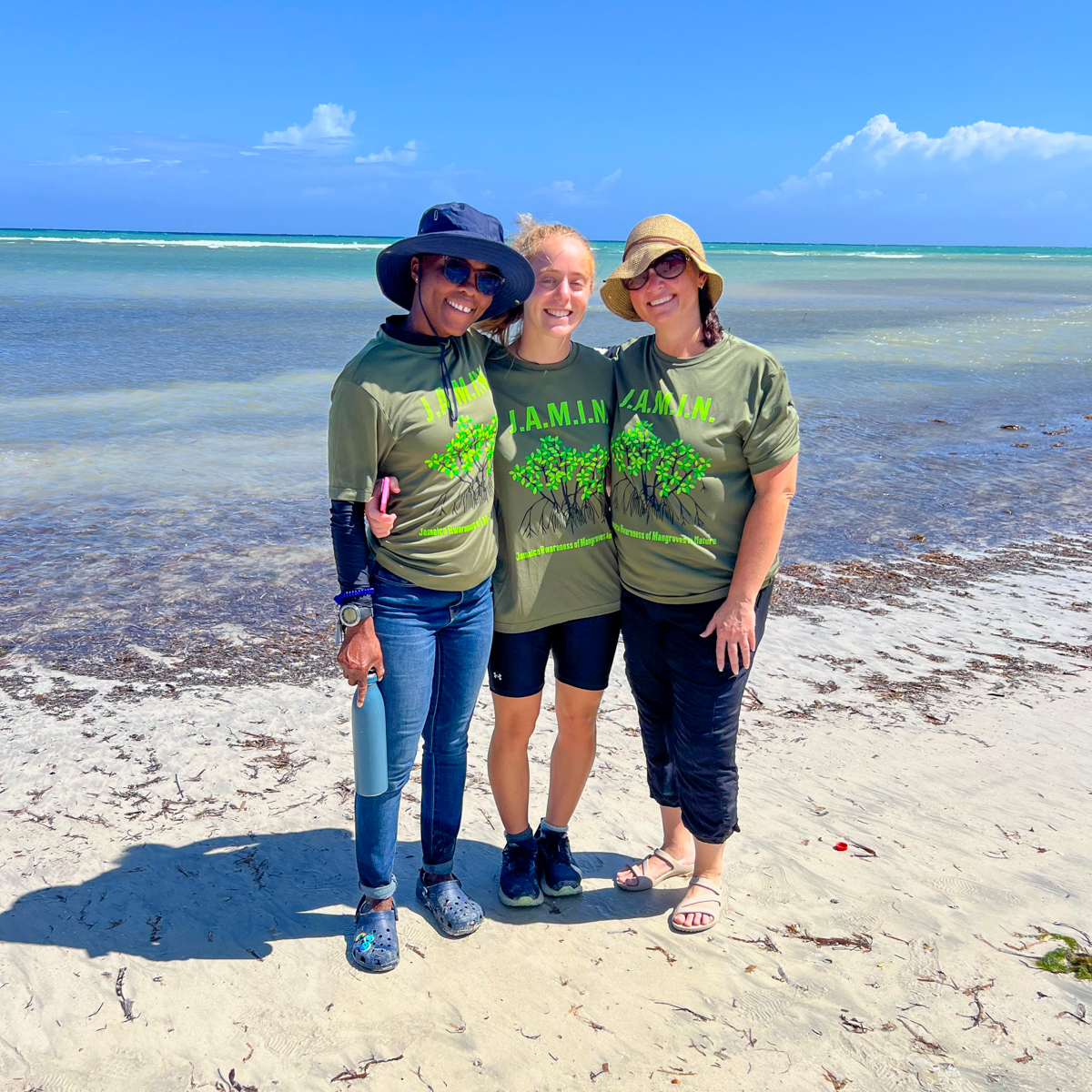
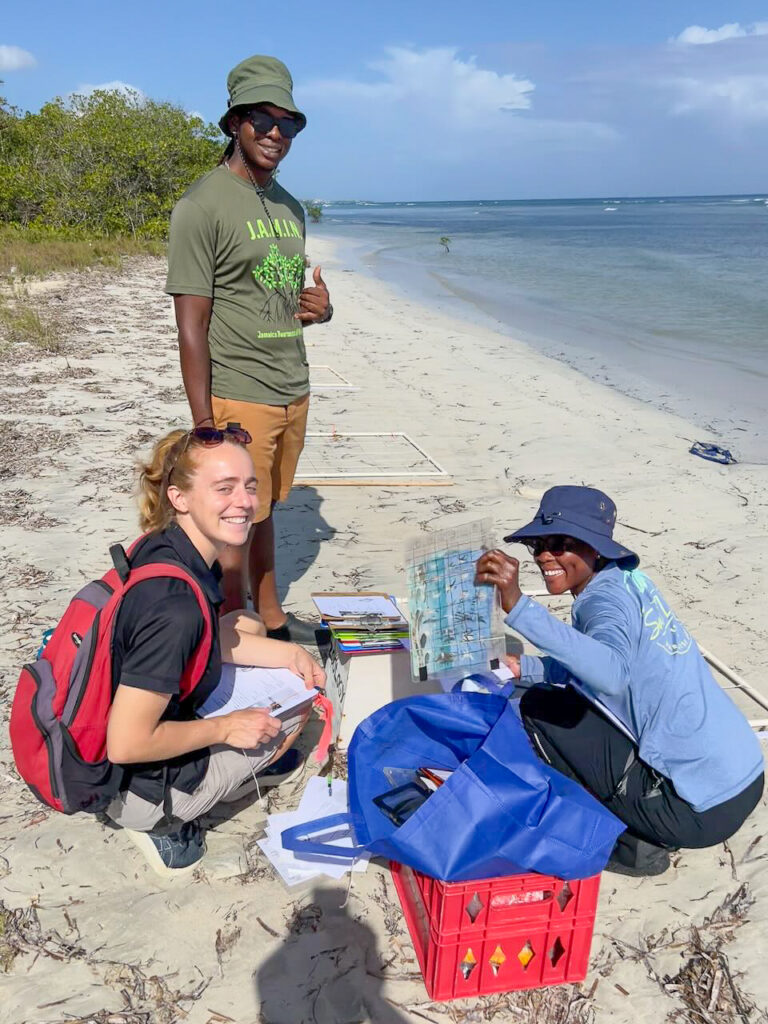
Isabel Key (center) with her internship mentors: Shanna Thomas, Chief Scientific Officer at the University of the West Indies Discovery Bay Marine Laboratory (left) and Amy Heemsoth, COO & Education Director of the Khaled bin Sultan Living Oceans Foundation (right).
Seagrass meadows are vital to coastal ecosystems, yet they’re often overlooked and undervalued compared to coral reefs and mangroves. Globally, seagrass habitats are disappearing at an alarming rate, making it more important than ever to raise awareness and understanding, particularly among youth. Developing a dedicated seagrass curriculum helps fill this gap, bringing attention to a critical but often ‘unsung’ ecosystem before it’s too late.
Over the past months, Isabel developed and piloted the first phase of the seagrass curriculum in Jamaican secondary schools. Isabel’s two upcoming guest blogs share the science behind seagrass and tell the story of launching this new education program in Jamaica. Together, these blogs highlight why seagrass deserves its own spotlight and how education and research work hand in hand to protect our coastal ecosystems.
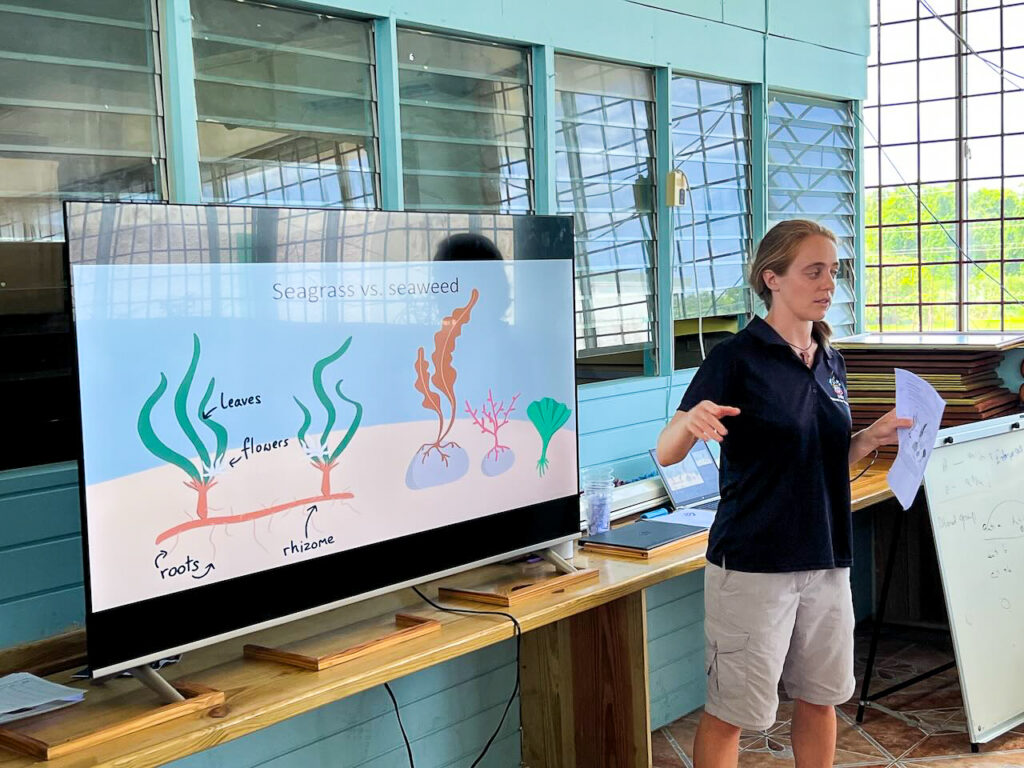
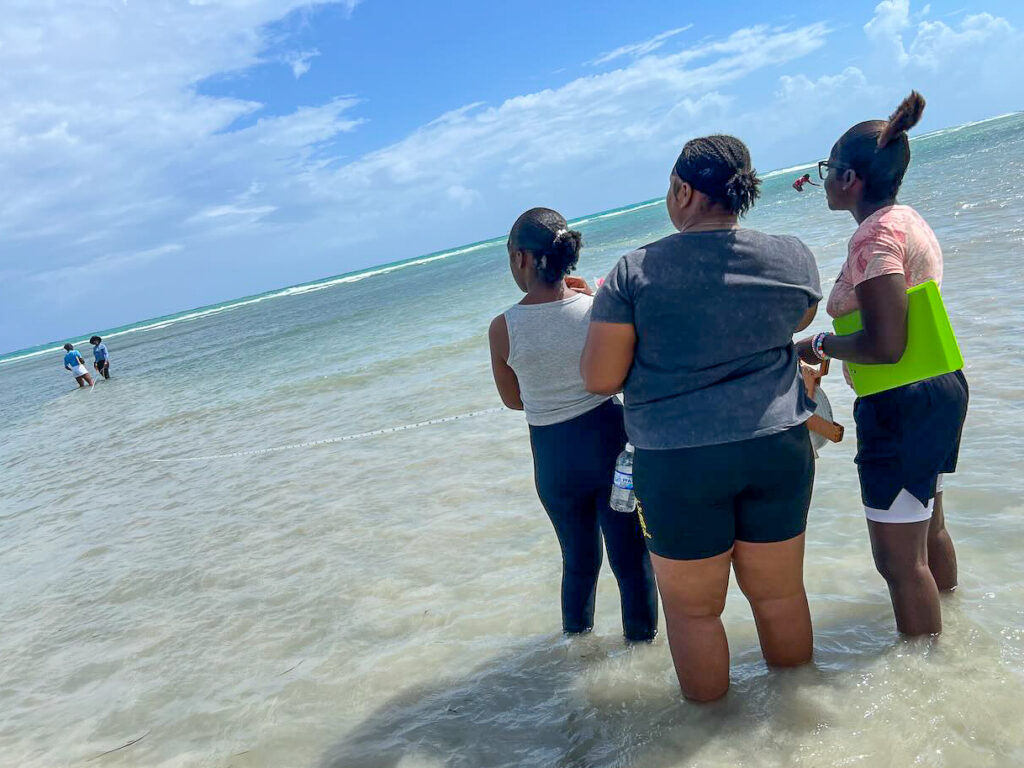
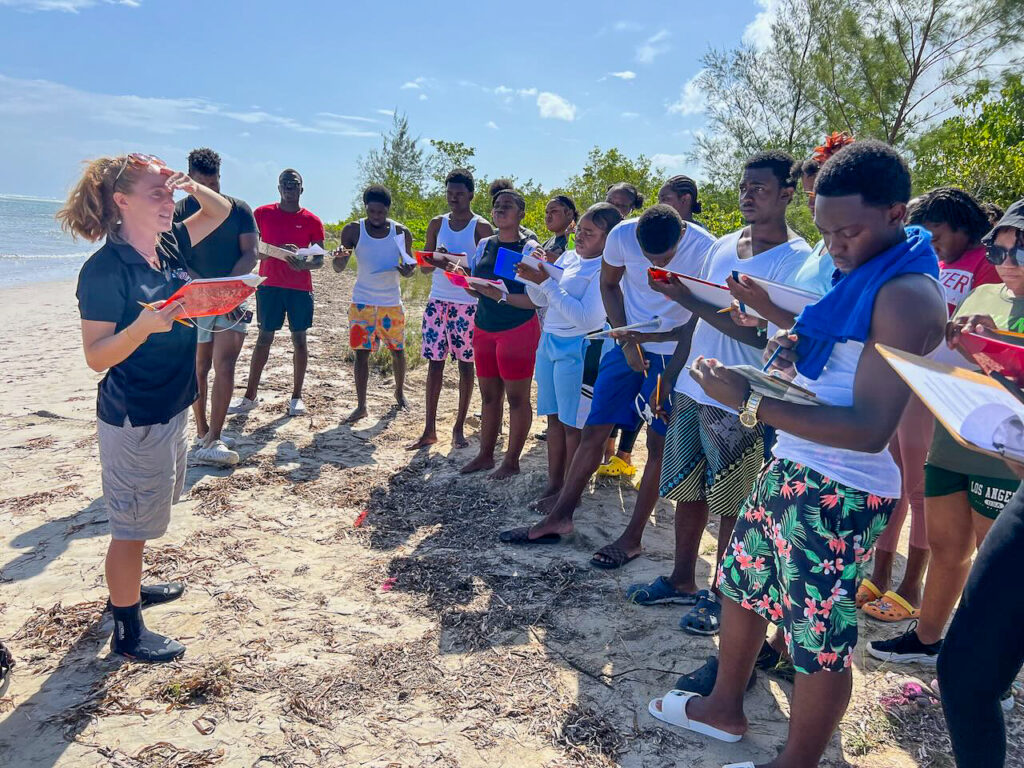
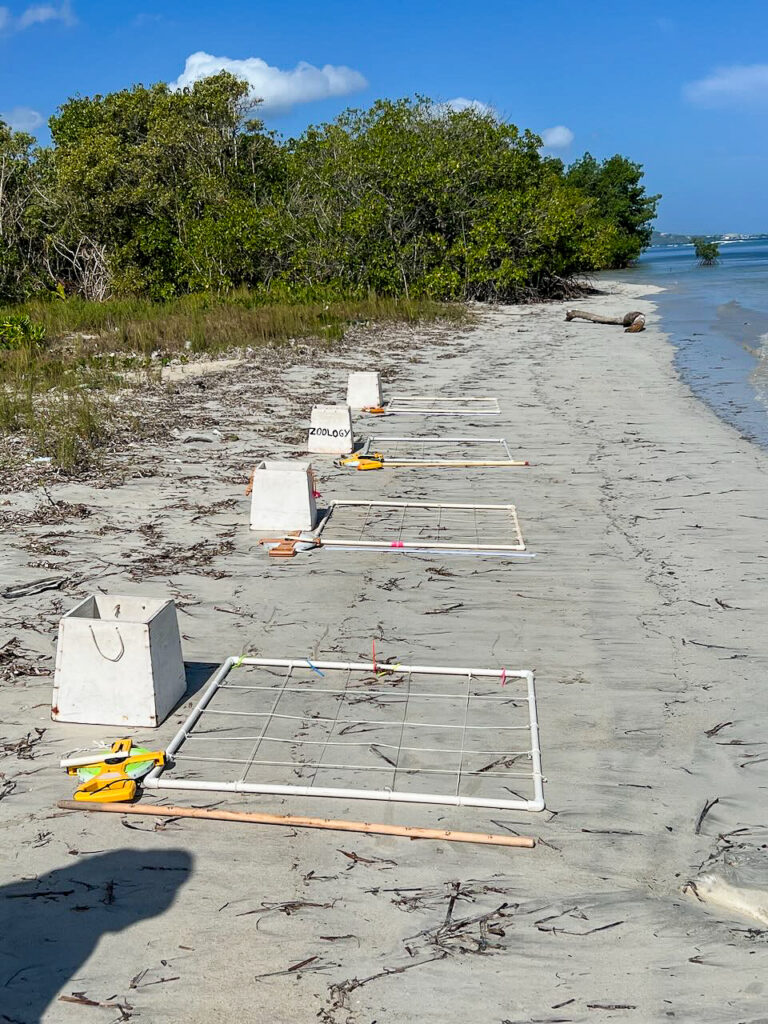
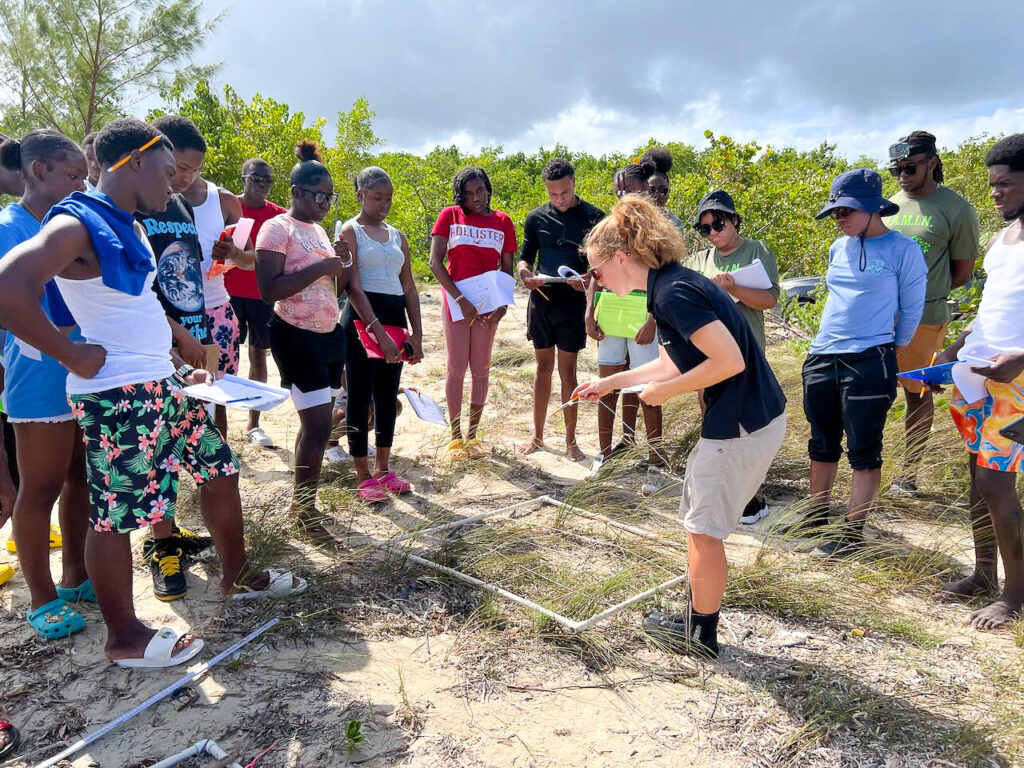
This collaboration is just the beginning. With greater awareness and education, we can inspire students and communities to care for all three ecosystems—coral reefs, mangroves, and seagrasses—before more is lost. Together, we can ensure healthy oceans and resilient coastal communities for generations to come.
Keep an eye out for Isabel’s blogs to learn more about seagrass and the inspiring work happening in Jamaican classrooms!