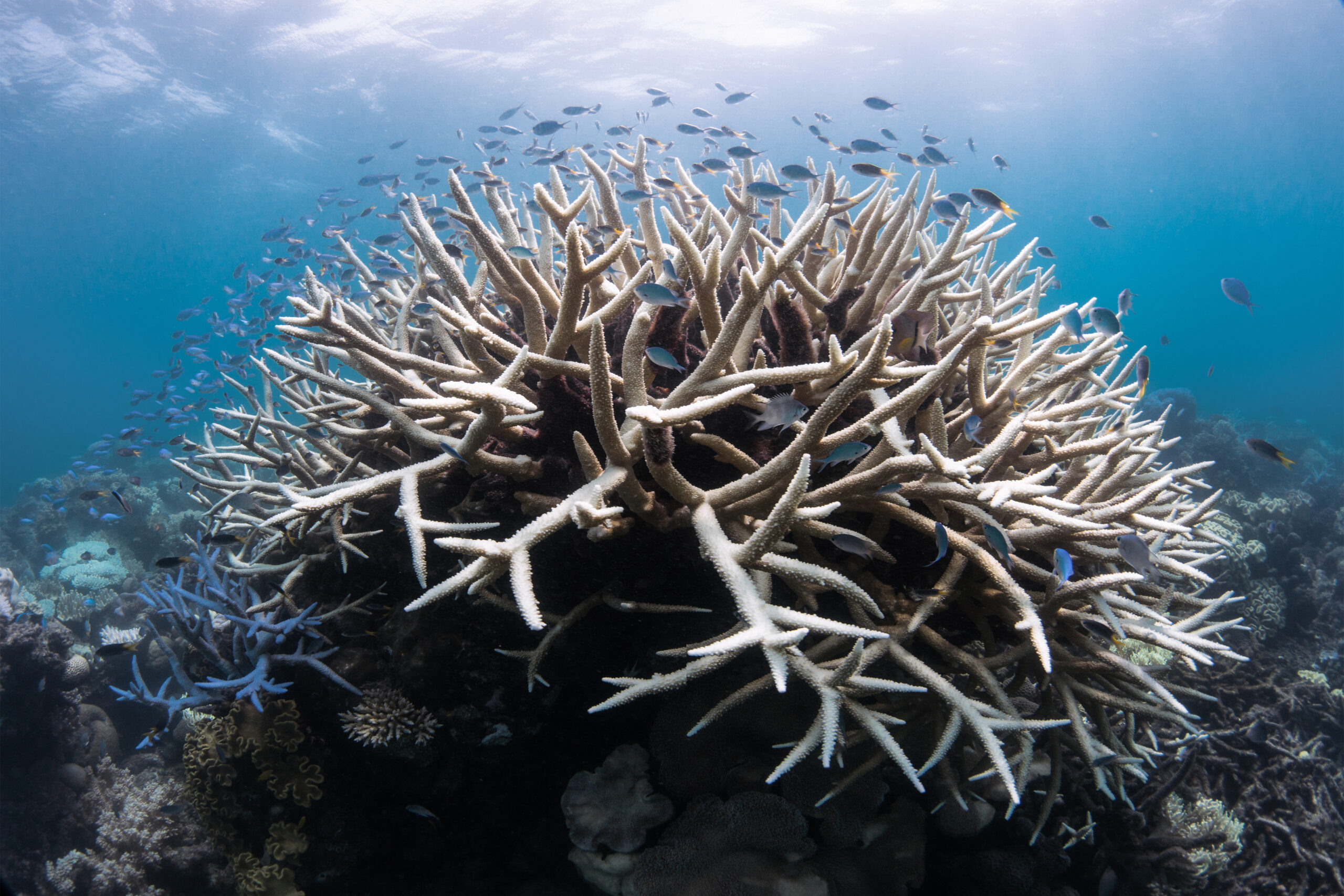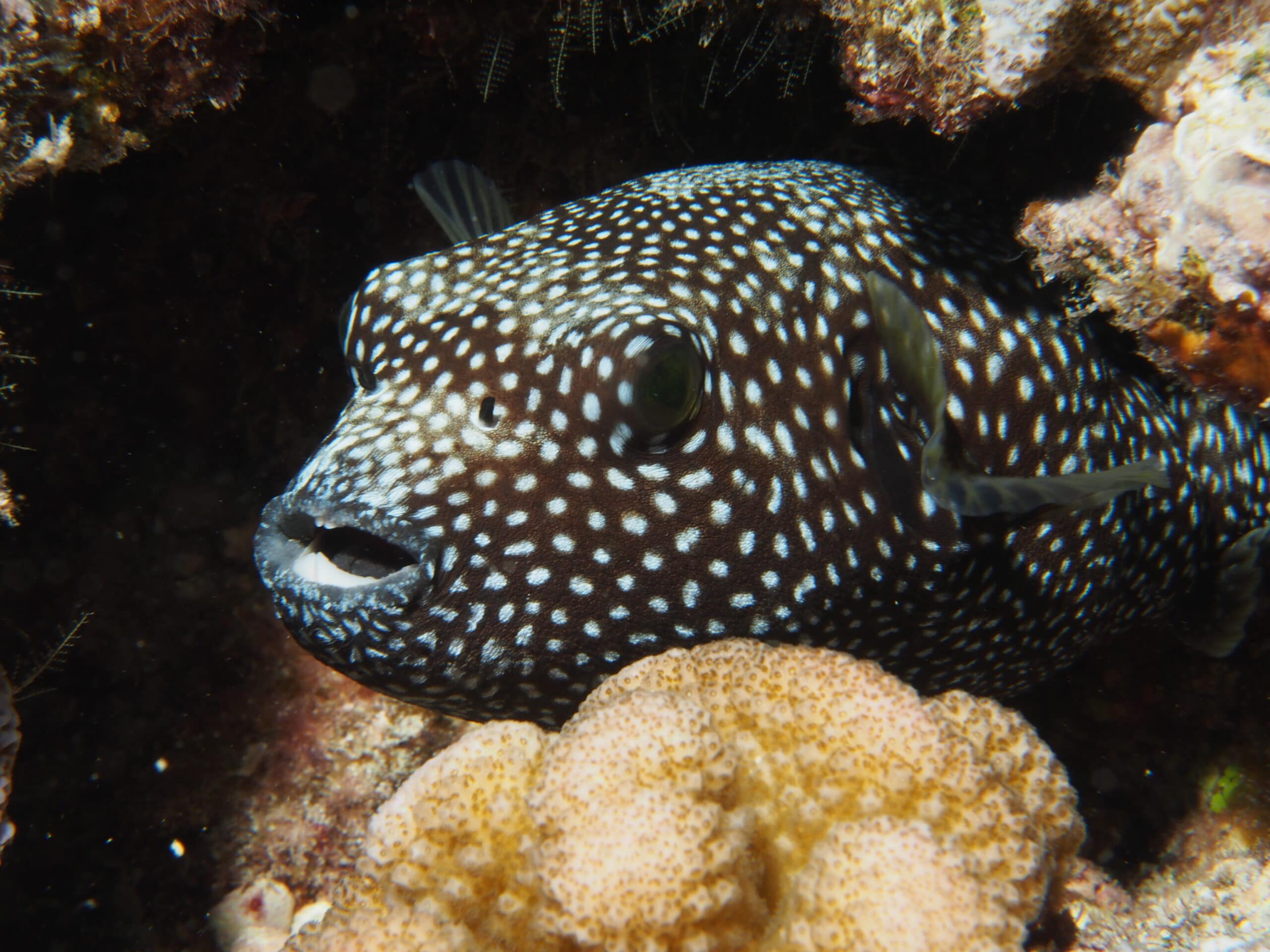
Our research in Tonga will fill major gaps in understanding. These reef communities have been poorly studied, with exception of a few locations near more populated islands. Coral reefs in Tonga are reported to have been impacted by multiple threats, including large scale disturbances such as tropical cyclones, crown-of-thorns starfish outbreaks, sea-level fluctuations associated with El Niño events, and a bleaching event in 2000. Reefs near populated areas have also been confronted by major anthropogenic threats since the 1980s, including overexploitation of natural resources, destructive fishing practices, siltation and runoff resulting from rapid urbanization and human population growth.
Meet IFAN: Helping Bring Navigate with Care to the Next Generation
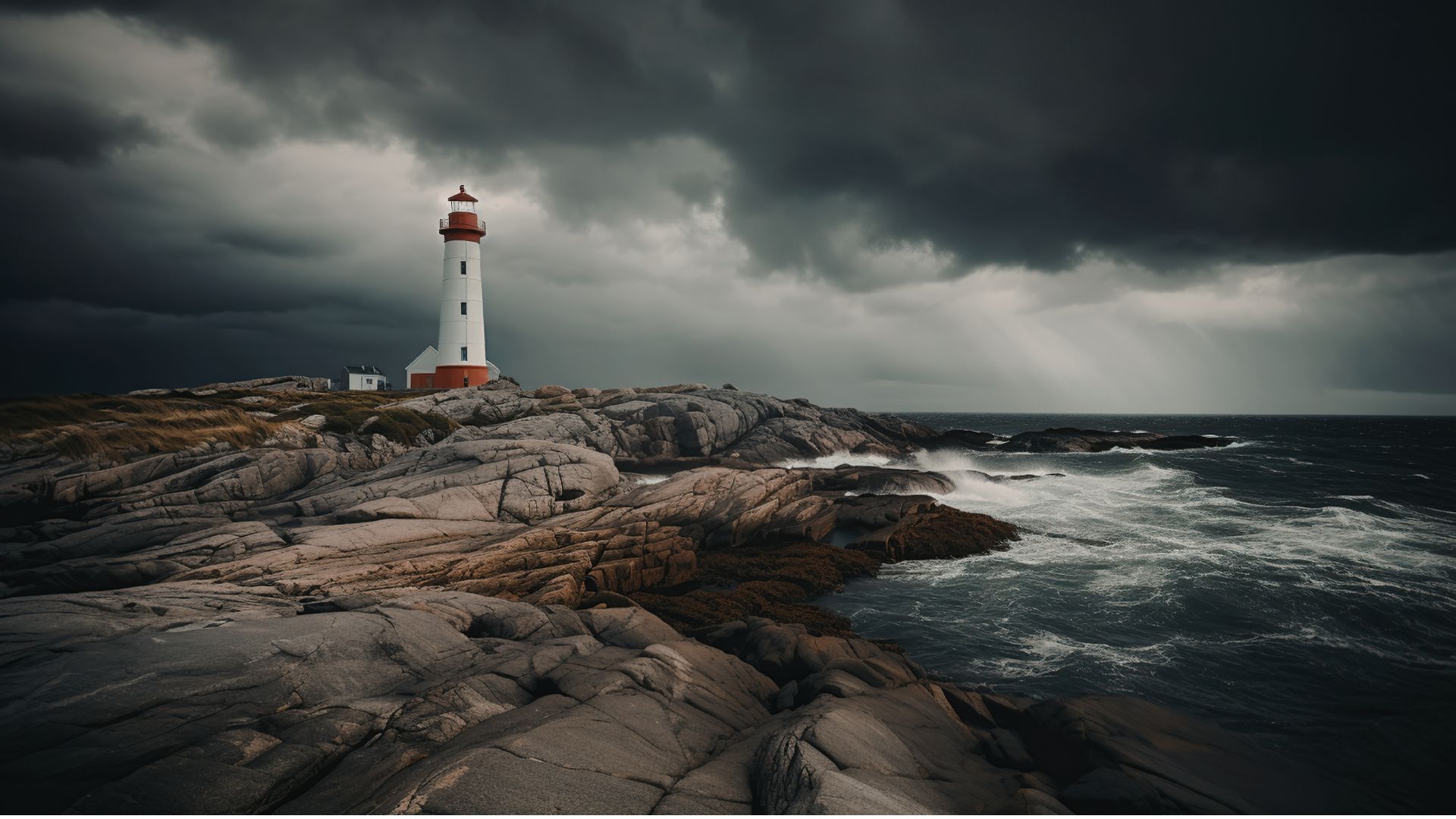
If you’ve ever seen a lighthouse flashing from the shore or a brightly colored buoy bobbing in the water, you’ve seen Aids to Navigation at work.
Aids to Navigation, often called AtoNs, help mariners navigate safely. They can mark channels, warn of hazards, help vessels determine their position, and provide other information people need to make safe decisions on the water. Around the world, these systems help guide everything from small recreational boats to large commercial or container ships.
But safe navigation isn’t only about protecting vessels and the people aboard them. The choices mariners make can also affect the animals and ecosystems beneath and around them.
That connection between maritime safety and ocean conservation is at the heart of this year’s Science Without Borders® Challenge—and of our partnership with this year’s theme sponsor, the International Foundation for Aids to Navigation (IFAN).