search-icon
From the Classroom to the Field

Our CREW member Jim has written a blog about his initial experience with us on this research mission:

“It is an incredible opportunity to spend time with scientists who are doing the research that gives us the science that we know and teach. What we teach in our classrooms often comes in the form of laboratory activities and projects, videos and other media, discussions and readings but they still are restricted to the world of school. Most ecologically informed people can describe an issue like coral bleaching but few have the opportunity to look at a coral with an expert, see how bleaching was first recognized, how it progressed and be shown examples of how it is recovering.

Brian Beck and Ken Marks survey the reef.

Field Experiences Connect the Classroom to the Real World

Students would benefit greatly by having field experiences in which they can interact and work side by side with scientists.  It takes science education beyond the realm of school.  As students have more field experiences, they make a more personal connection to the material they are learning. It would also provide an opportunity for students to participate in the discovery part of science.

Field experiences Jim Evans will take home to his students. Jim photographing the reef and observing scientists in the lagoon of Rangiroa.


Fortunately, I am working at a school in which field experiences are not only encouraged, but they are the norm. Last year we started a scuba club at School Without Walls and four students became PADI certified in the Cayman Islands. They know that these opportunities are available to them. If they do not make a direct personal connection to the material, they will indeed have a classmate that has and will share it with them. This material becomes a part of their conversations outside of school or in the lunchroom.
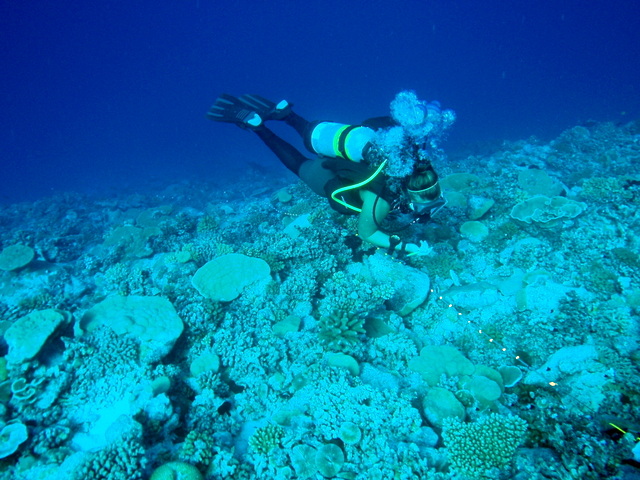
Alex Dempsey examining the reef slope.


School is based around the classroom as it is probably the most efficient place to provide lots of material to students, but it is the field experiences that can give them meaning. Years after graduating, it is usually the field experiences that students remember.”

(Photos by 1 & 3 – Jim Evans; 2-Brian Beck)

To follow along and see more photos, please visit us on Facebook!
Related Posts

Connecting People, Art, and Oceans: Championing Conservation at the 2025 IUCN Congress

The IUCN World Conservation Congress brings together thousands of leaders and decision-makers from governments, non-profit organizations, civil society, Indigenous groups, and the private sector to shape global conservation policy and action. This influential gathering serves as a platform to share knowledge, build partnerships, and advance initiatives that protect our planet’s biodiversity.

As a member of the International Union for Conservation of Nature (IUCN), the Khaled bin Sultan Living Oceans Foundation was honored to take part in the Congress, joining a global community of leaders, organizations, and changemakers committed to protecting nature and advancing sustainable futures.

Read More

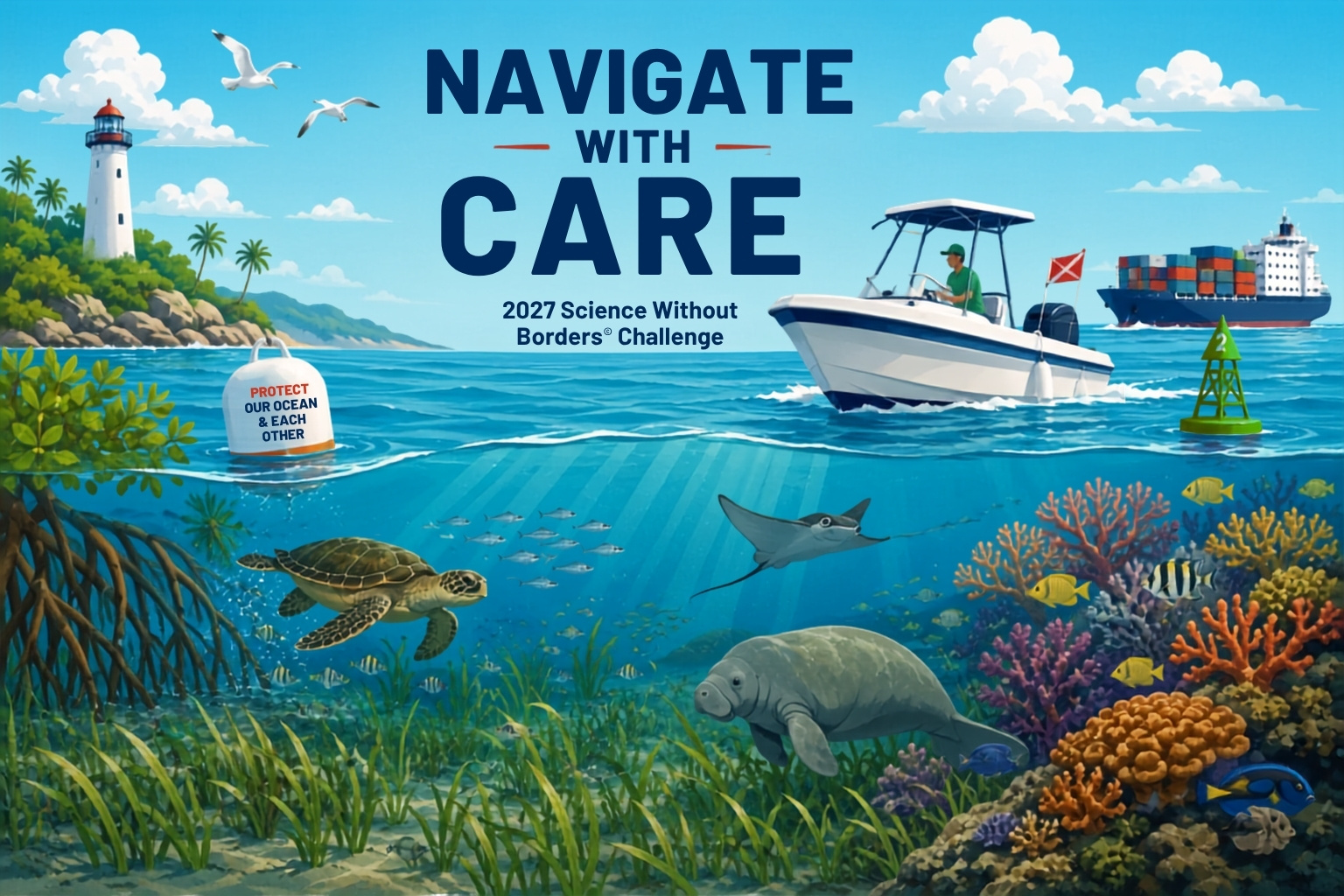
Take the Pledge to Navigate with Care

Every voyage leaves a mark. Whether you’re steering a small recreational boat, running a dive operation, or captaining a commercial vessel, the way you navigate the seas matters—not just for your safety, but for the health of our oceans. The Khaled bin Sultan Living Oceans Foundation, in partnership with the International Foundation for Aids to Navigation (IFAN), launched the Navigate with Care campaign to help mariners around the world protect what matters most: our safety, our vessels, and the marine ecosystems that sustain life on Earth.

Read More
Privacy Overview

This website uses cookies so that we can provide you with the best user experience possible. Cookie information is stored in your browser and performs functions such as recognising you when you return to our website and helping our team to understand which sections of the website you find most interesting and useful.  You can view our complete Privacy Policy here.

Strictly Necessary Cookies

Most of our cookies are used to improve website security and reduce spam. These cookies should be enabled at all times. They also enable us to save your preferences for cookie settings.

3rd Party Cookies

This website uses Google Analytics to collect anonymous information such as the number of visitors to the site, and the most popular pages. Keeping this cookie enabled helps us to improve our website.