
search-icon
Sustainable Seaweed Farming – Part 1

Last night we transited 10 hours from Gizo Island to get to our new location, the Arnavon Islands. Today, our scientists surveyed the areas around these islands, while the education team conducted a program in the Wagina communities.

While visiting Wagina, we observed seaweed farming. Right now you may be thinking ewe, seaweed! I hate when I’m swimming in the ocean or walking along the beach and it grazes my leg.  You may even be shuddering in disgust as you read this. The fact is that seaweed is in many of the products that we use daily.
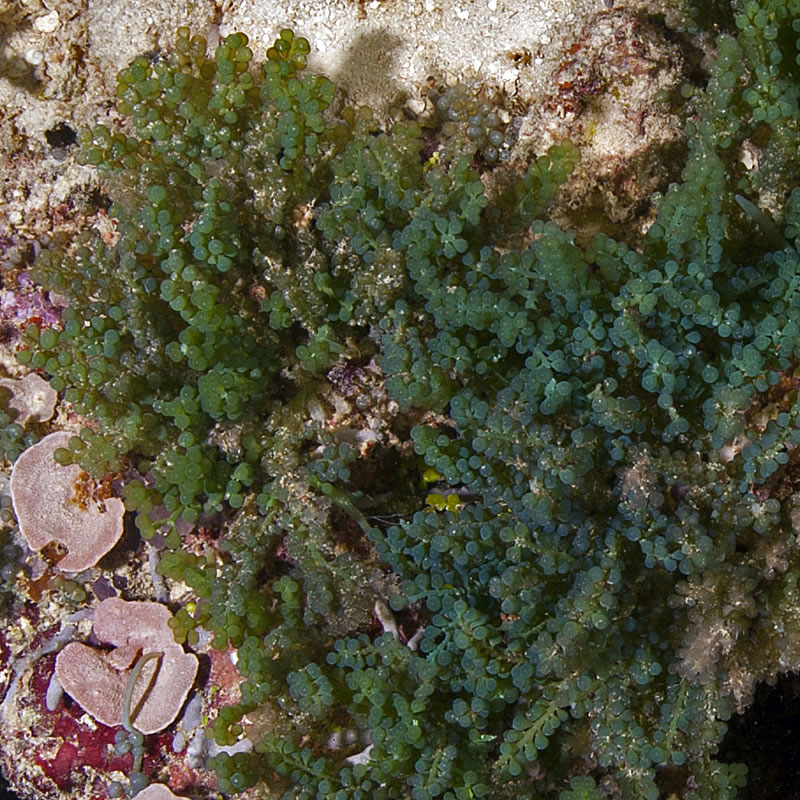
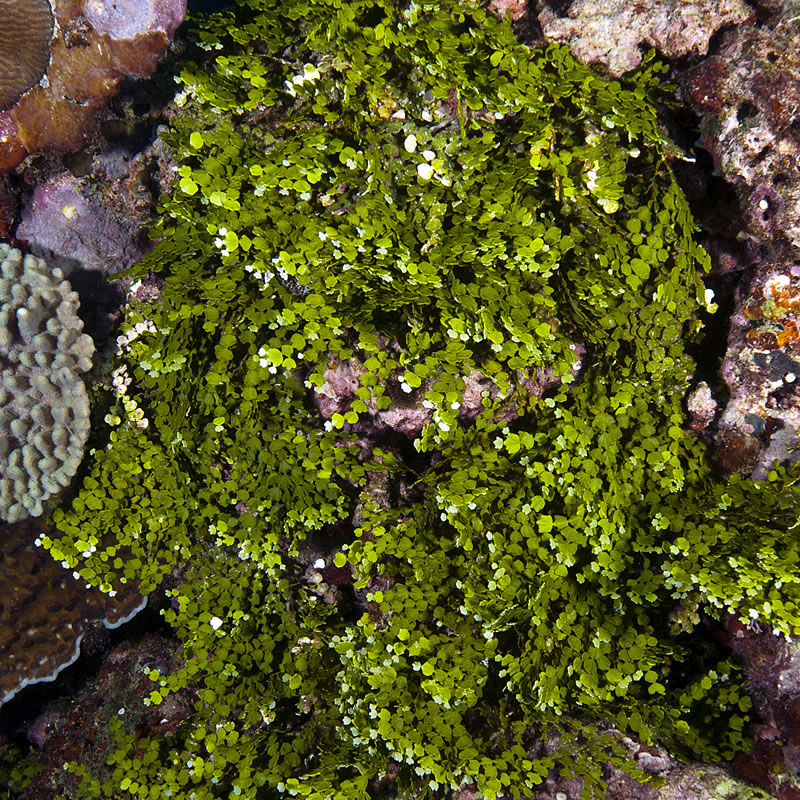
Caulerpa Seaweed Halimeda Seaweed
Two examples of different types of seaweed: a) Caulerpa; b) Halimeda
(Click-thru on images for greater detail.)

What is seaweed used for?

Around the world certain species of seaweed are harvested to create carrageenan products. Carrageenan is extracted from red, edible algae and used to gel and thicken products. You can find carrageenan in toothpaste, ice cream, pudding, shampoo, pet food, and air freshener gels, to name a few.

Why is seaweed farming important?

In 1988, seaweed farming was introduced to the Solomon Islands by UK Overseas Development Agency (ODA) and the Solomon Islands Ministry of Fisheries and Marine Resources.  Seaweed was imported from Fiji in order to start the project. It was first implemented as a one year project in Vona Vona Lagoon in the Western Province. The project wasn’t revived again until 2000 when the Aquaculture Division of the Ministry of Fisheries and Marine Resources was established. Since this time, more than 16 sites have been created throughout the Solomon Islands.
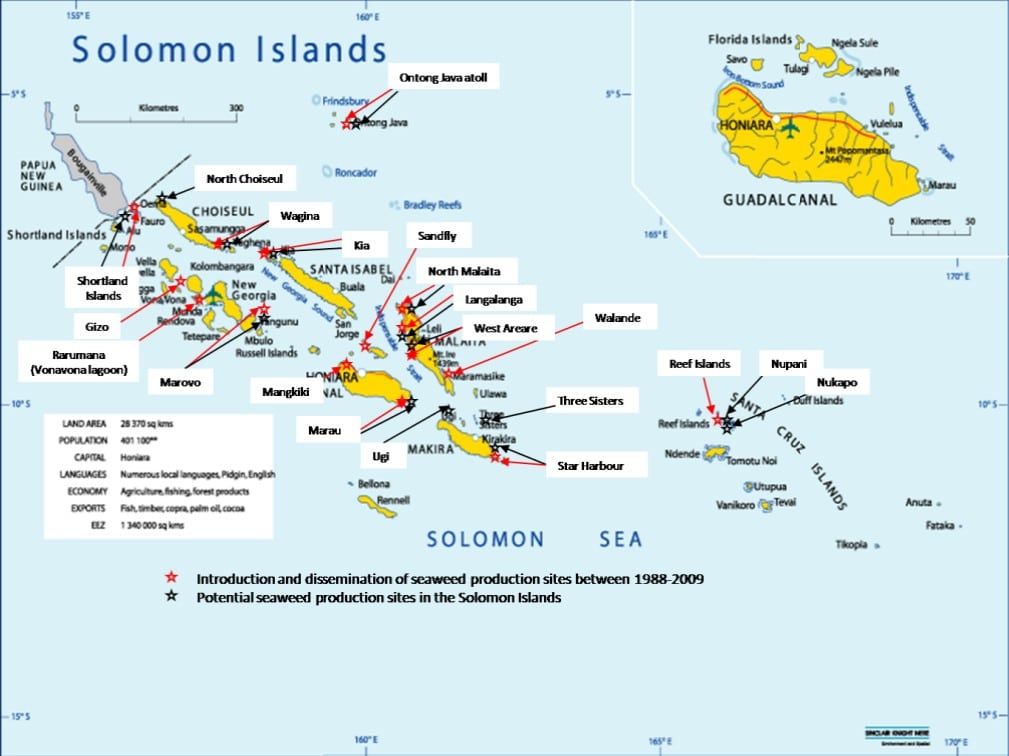
Solomon Islands Seaweed Production Sites
2011 map of current and future seaweed farms in the Solomon Islands.
(Click-thru on map for larger display.)

Before farming seaweed, people were harvesting other marine resources such as beche-de-mer (dried sea cucumber) and Trochus shells (marine snails). These fisheries were being overharvested and were not sustainable. Removal of these species can also cause detrimental effects to the coral reef ecosystem. The aquaculture of seaweed was rejuvenated in order to lessen the harvest of these marine resources. In the Solomon Islands, seaweed farming is sustainable and it has replaced the harvest of other fisheries and improved the livelihood of people in the Solomon Islands.
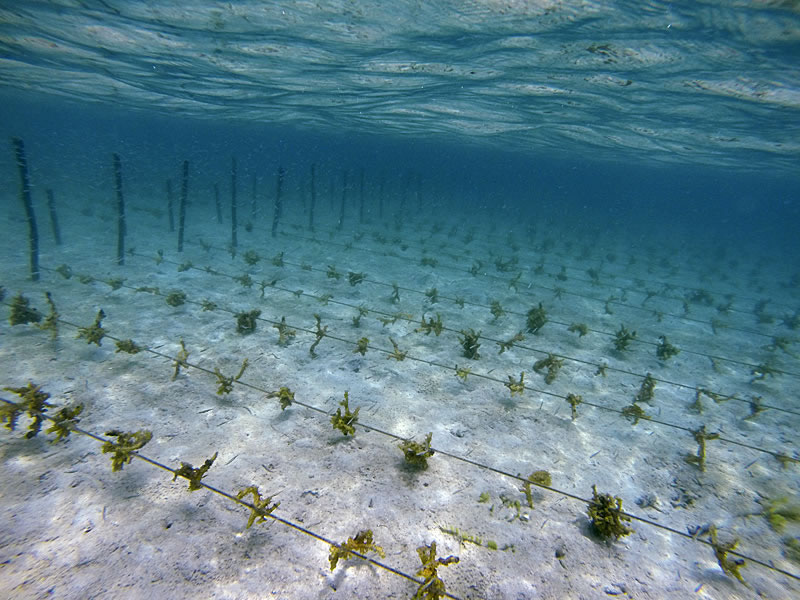
Seaweed Farm near Kia Village, Solomon Islands
Seaweed farm near Kia Village.

Next time you encounter seaweed, maybe you will remember its importance rather than the unpleasant feel of it.

Stay tuned for more information on seaweed farming.

Photos: 1a,b, Ken Marks, 2, see source below; 3, Amy Heemsoth

Kronen, M., Ponia, B., Pickering, T., Teitelbaum, A., Meloti, A., Kama, J., Kenilolerie, P., Diake, S., & Ngwaerobo, J. (2011). Socio-economic Dimensions of Seaweed Farming in Solomon Islands. Secretariat of the Pacific Community (SPC), Aquaculture Division and the Food and Agricultural Organization (FAO).
Related Posts

Introducing Our New Website: A Fresh Look for the Foundation’s Future

As we celebrate the Khaled bin Sultan Living Oceans Foundation’s 25th anniversary, we are proud to unveil our newly redesigned website—a modern home for our science, conservation work, and educational programs. This launch marks an important moment for the Foundation as we honor our long history and look toward the future of ocean conservation.

For more than two decades, the Foundation has worked tirelessly to improve the health of our living oceans. We have advanced ocean science, led one of the largest coral reef research missions in history, restored mangrove forests with local communities, created award-winning education programs, and shared the wonders of the ocean with people around the world. Our new website reflects the organization we are today—focused on conserving coral reefs, restoring mangrove forests, and improving ocean literacy—while still highlighting the legacy of work that brought us here.

The redesigned site…

Read More

Connecting People, Art, and Oceans: Championing Conservation at the 2025 IUCN Congress

The IUCN World Conservation Congress brings together thousands of leaders and decision-makers from governments, non-profit organizations, civil society, Indigenous groups, and the private sector to shape global conservation policy and action. This influential gathering serves as a platform to share knowledge, build partnerships, and advance initiatives that protect our planet’s biodiversity.

As a member of the International Union for Conservation of Nature (IUCN), the Khaled bin Sultan Living Oceans Foundation was honored to take part in the Congress, joining a global community of leaders, organizations, and changemakers committed to protecting nature and advancing sustainable futures.

Read More
Privacy Overview

This website uses cookies so that we can provide you with the best user experience possible. Cookie information is stored in your browser and performs functions such as recognising you when you return to our website and helping our team to understand which sections of the website you find most interesting and useful.  You can view our complete Privacy Policy here.

Strictly Necessary Cookies

Most of our cookies are used to improve website security and reduce spam. These cookies should be enabled at all times. They also enable us to save your preferences for cookie settings.

3rd Party Cookies

This website uses Google Analytics to collect anonymous information such as the number of visitors to the site, and the most popular pages. Keeping this cookie enabled helps us to improve our website.