
Over the last nine days we have visited many exciting and unusual reefs, starting close to shore at the northern end of the Farasan Banks and slowly working our way south. We have seen some areas that appear, at least from a distance, badly degraded. But on closer observation they are full of new life. Coral recruits and juvenile corals, at higher abundances than anywhere else I have ever dove, suggest these reefs are very resilient, and within a matter of years will once again be just as vibrant as they once were.
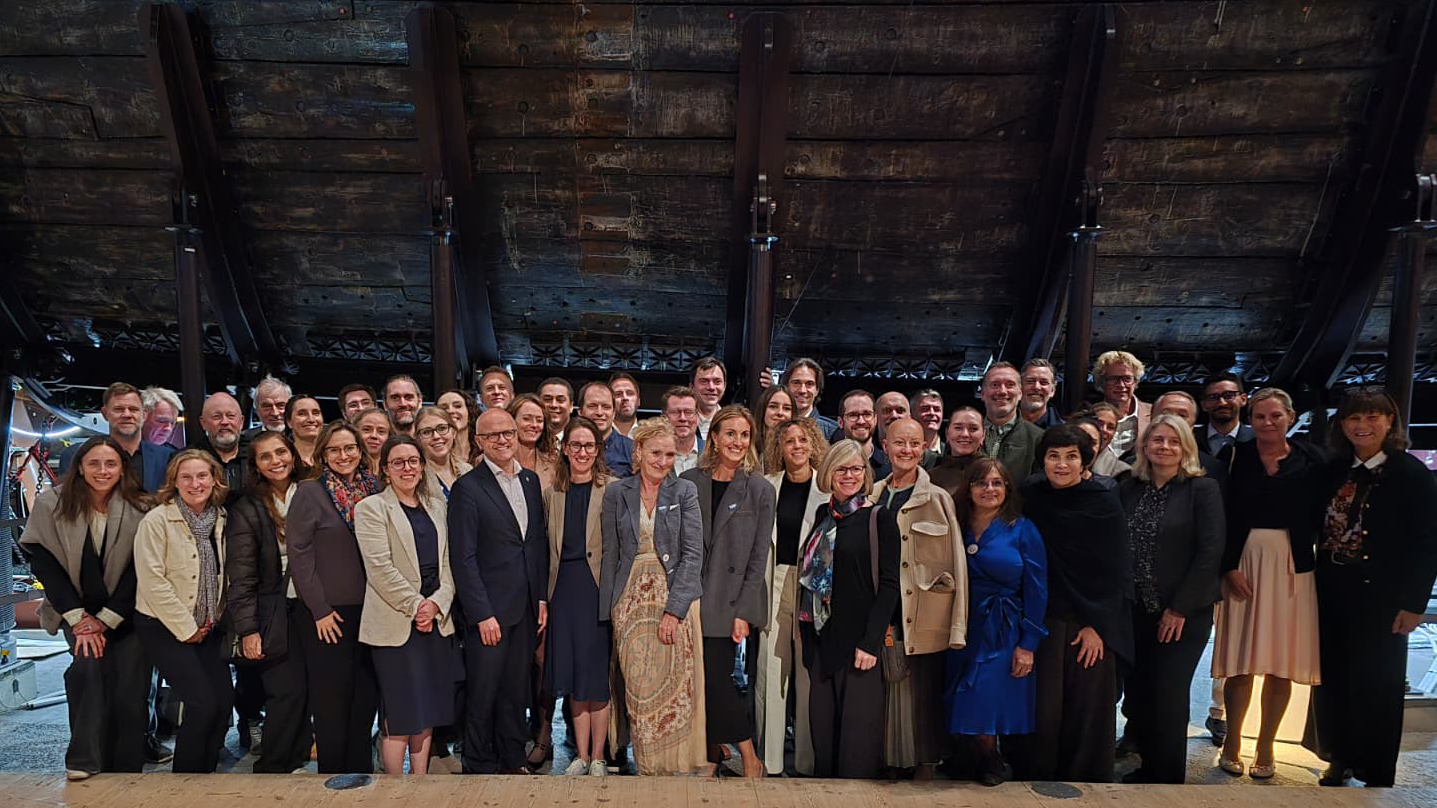
All of the members of our Farasan Bank research team have been given a golden opportunity to explore a place of beauty, with many treasures waiting to be discovered.
Our work here shows how important this resource is, and how fragile and easily damaged. Through our work to map and characterize the different habitats and to understand some of the geological processes that shaped the environment, we are identifying places of high biodiversity critical for conservation, in addition to places that have been damaged and are slowly recovering.
We are learning about what threatens the vitality of these valuable ecosystems, and those factors that can help maintain their health and promote recovery, especially after disturbances that are difficult to control on a local scale (but need global actions – i.e. climate change).
None of this would be possible, if not for all of the incredible support the Living Oceans Foundation has received. It all starts with the generosity and keen interest in conservation shown by Prince Khaled bin Sultan, and the remarkable research vessel he provides for our use.
Yet there is much more to an Expedition of this scale. We have support from our Living Oceans Foundation team back home – Melinda and Amanda – and all of our board members who have kept the Foundation moving forward. None of this would be possible without the dedicated time and commitment of all of the officers and crew on board the Golden Shadow.
Thanks to Captain Nick, the first and second officer Steve and Andy, Rob our dive master, and the engineers that work late into the night to keep our support vessels running. I can’t forget all the other deckhands, stewards, chef and laundry personnel – all of you are an integral part of the team. We also have a great science team – each of you plays an important and unique role.
This couldn’t be achieved without the amazing support from the coast guard and military personnel from Saudi Arabia, as well as the dedication of the local conservation agency, NCWCD. Keep up the good work!!!
In recognition of the marvelous beauty of a coral reef, read on to learn more about the invertebrates that create these structures.
The Hunt for the Colorful Coral

Corals, corals, forming cities under the ocean
In places that are calm, and also in areas with high water motion
Shaped like a star, a brain or a rose
Plates and saucers, sitting still in a perfect pose
A head of lettuce, a table or a tree
Slender branches rising off the bottom, some have broken free
Hundreds of polyps make up a colony, but a few occur alone
They look like flowers, or maybe a stone
Yet, they are animals, but much different from you and me
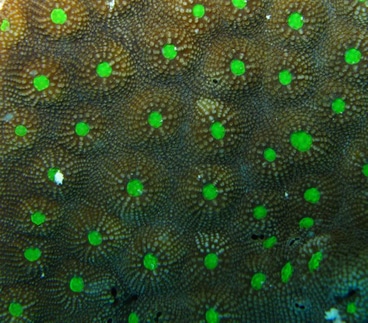
Most live in symbiosis with single-celled algae, better known as zooxanthellae
If the water is too hot, they may bleach, or at least become pale
Some corals are all female, some are male,
Others are both, known as hermaphrodites, my what a tale
Some brood their young, releasing larvae ready to settle and make a new home
Transforming into a tiny polyp and laying down a skeleton of limestone
Others broadcast into the water their sperm and eggs
These fuse to form planulae, pear-shaped larvae that have no legs
These type of corals spawn in synchrony, only once a year
This happens in the tropics, where the water is warm and clear

Shortly after dark, a few days after the full moon,
Usually in August, which is coming up soon
Put on a mask, snorkel and fins and dive on a coral reef
Swim around pinnacles, bommies, bioherms or patch reefs
Whether it is a fringing reef close to shore
Or a barrier reef or atoll, both much further offshore
These are built by corals, very slowly over thousands of years
Reefs are full of life, but they are very fragile and some are dying, which brings me tears,
If we work together, we can protect these priceless treasures
Less fishing, reduce pollution, and address climate change – we need drastic measures

Only then can they recover, and help mankind,
Today I searched for the colorful coral, a treasure I did find.