The Remote Islands of the Chagos Archipelago
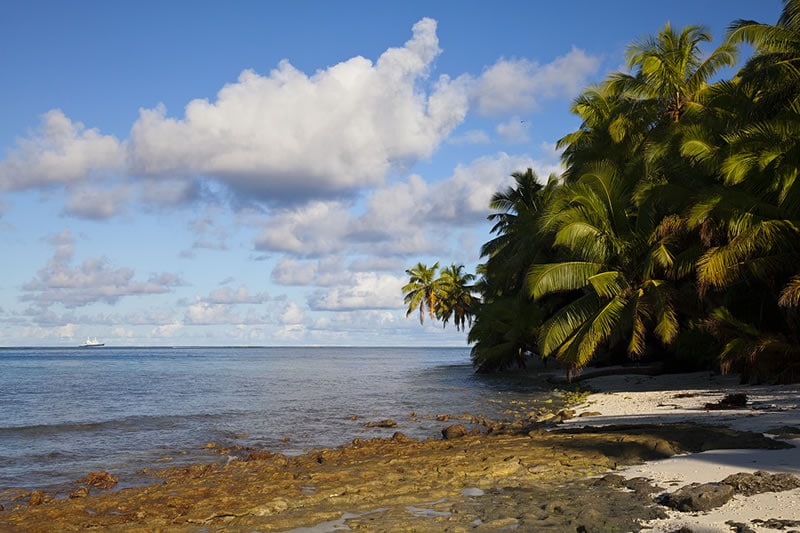
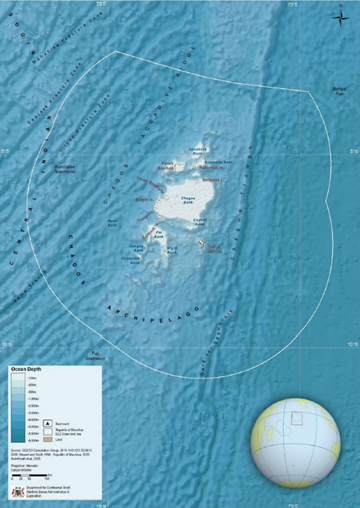
The Chagos Archipelago is a group of seven atolls comprising more than 60 individual tropical islands in the Indian Ocean. It is located about 500 kilometers (310 miles) south of the Maldives archipelago. The Chagos Marine Protected Area (MPA) is one of the largest marine protected areas in the world. It was established by the British government in 2010 to conserve the biodiversity of the Chagos Archipelago’s marine environment. The MPA covers approximately 640,000 square kilometers (around 247,000 square miles) of ocean surrounding the Chagos Archipelago, making it larger than many countries. In the past, several of the islands located in the Archipelago were inhabited by the Chagossians until the 1960s and 1970s. The largest and most well-known island in the Chagos Archipelago is Diego Garcia, which is home to a significant military base jointly operated by the United States and the United Kingdom.
The Chagos Archipelago was originally part of the British Indian Ocean Territory (BIOT), but its indigenous population was forcibly removed by the British government in the 1960s and 1970s to make way for the military base. The displaced Chagossians have since been fighting legal battles for the right to return to their homeland.
Informing the creation of a new Marine Protected Area
At the last United Nations Ocean Conference, held in Lisbon in 2022, Mauritius announced its intention to create a new Marine Protected Area (MPA) in the Chagos Archipelago as there are plans for resettlement by native Chagossians on two of the sixty islands. The international community is in support of this initiative and wants to ensure that the MPA will be informed by the best available science, have a state-of-the-art monitoring and enforcement system, and management protocols.
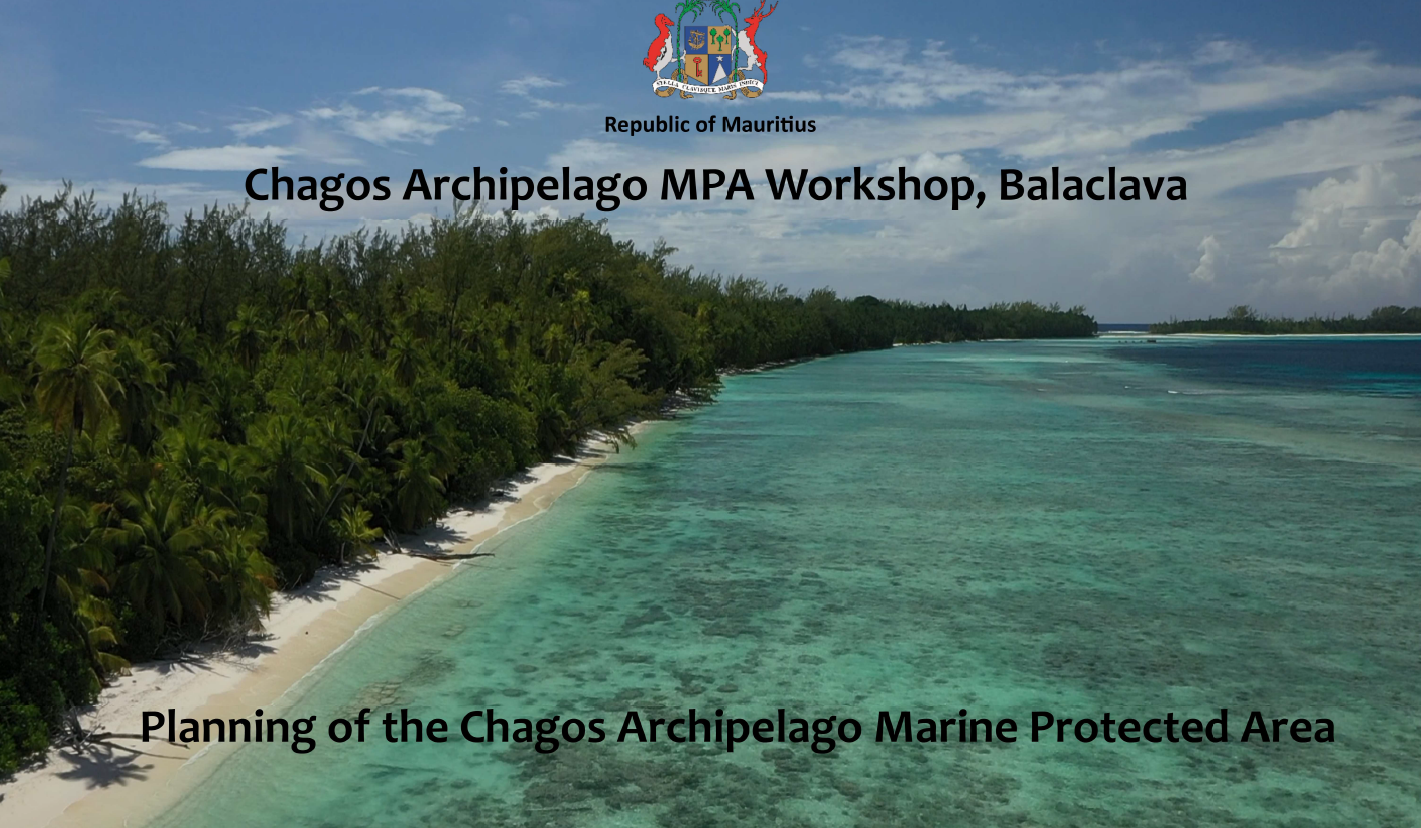
The Khaled bin Sultan Living Oceans Foundation traveled to the Chagos Archipelago for two field work missions, which was the last stop on the Global Reef Expedition. In 2015, the Global Reef Expedition came to the Chagos Archipelago to assess the state of the reefs. This research mission allowed an international team of scientists to study some of the most remote and undisturbed coral reefs in the world. Over the course of two months at sea, they conducted thousands of surveys of the benthic and reef fish at over one hundred locations across the archipelago. The Foundation’s expertise and data from the 2015 GRE mission to Chagos was called upon for new efforts by the Mauritian government to create a new MPA.

The Global Reef Expedition: Chagos Archipelago Final Report summarizes the Foundation’s findings from the Global Reef Expedition mission to the Chagos Archipelago in 2015.
Chagos Archipelago MPA Workshop in Balaclava
Mauritius, with the support of the Zoological Society of London, hosted a workshop from 27th– 29th of February intended to allow scientists and practitioners from different parts of the world to interact with Mauritian scientists and relevant stakeholders and exchange knowledge to inform the planning, implementation, management, and financing of the proposed MPA. KSLOF was invited to participate in this event and gave expert advice on:
- Strategic plan and vision for the new Chagos MPA.
- Identification of new data inputs for zoning, marine spatial planning, ecological monitoring, and identifying technologies for illegal fishing enforcement.
- Importance of documenting cultural heritage and traditional ecological knowledge to integrate across the planning process.
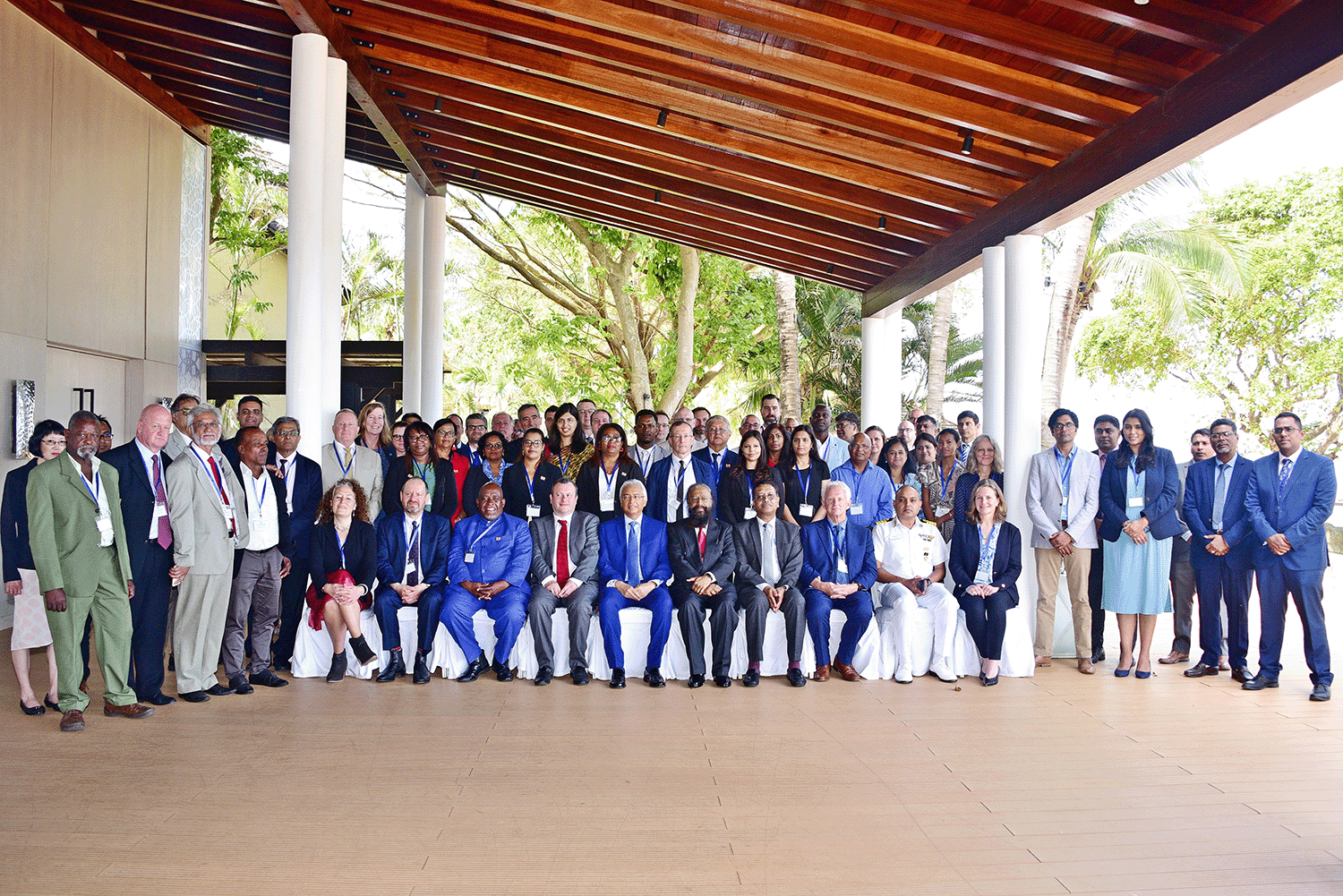
The workshop was attended by the Prime Minister and other heads of state in Mauritius, as well as an international team of scientists, policy makers, conservationists, and local Chagossians community members. The outcomes and recommendations from the workshop have been delivered to the Mauritian government with anticipation of smaller follow-up workshops dedicated to more specific topic areas, i.e. cultural working groups, ecological monitoring, legal framework for shipping, and resettlement. KSLOF was honored to participate in this workshop as the Chagos MPA remains a critical area for marine conservation and scientific research. It serves as a refuge for threatened and endangered species and contributes to global efforts to protect marine biodiversity. KSLOF stays steadfast in support of the Chagos MPA and we look forward to contributing to the next steps for the realization of the protection of these pristine coral reefs and diverse marine life.