
search-icon
Open Day Jamaica: The Magic of Mangrove Education

During our time in Jamaica, we had the incredible opportunity to engage with the local community through our Jamaica Awareness of Mangroves in Nature (J.A.M.I.N.) program. One highlight of my visit was participating in an Open Day event hosted by our partners at the Alligator Head Foundation (AHF).

Alligator Head Foundation staff, interns, and some of their partners joined together for Open Day.

The atmosphere was buzzing with energy, thanks to a live radio broadcast from Stylz 96 FM that had everyone tapping their feet and dancing to the beat. Professional dancers joined in, transforming the event into a vibrant celebration. The Open Day featured captivating displays from various organizations, including The Nature Conservancy, the Forestry Department, the University of the West Indies, the National Fisheries Authority, and many more. To top it off, a bustling local farmer’s market offered a delightful array of goods, from fresh produce and coconut beauty products to lush garden and house plants.

In collaboration with AHF, we proudly showcased our J.A.M.I.N. program, transforming our display into an engaging and interactive experience. We highlighted the fascinating journey of mangrove propagules (seedlings) nurtured by high school students in their classrooms. Our food web activity, creatively displayed on a board, depicted the intricate connections of the ecosystem’s organisms with colorful strings weaving from one to another. Yet, it was the live organisms that truly captivated the crowd.

We brought a diverse collection of marine life, mirroring the exciting second phase of our J.A.M.I.N. program. Corals, anemones, sea cucumbers, starfish, crabs, and other fascinating creatures from the mangroves stole the show. Although we are accustomed to engaging high school students, we were thrilled by the enthusiastic response from community members of all ages, from curious nursery school kids to intrigued elders.

One memorable group of elementary students particularly stood out. Their excitement was palpable as I led them on a spontaneous tour of the mangroves, leaving my colleague to manage the booth. The discovery of a hermit crab in the mangroves elicited joyful shrieks, and I quickly captured the crab to share more about its unique characteristics. The students’ eagerness to learn was infectious; they returned repeatedly with insightful questions and even brought more hermit crabs to enrich our display. By the end of the day, a couple of students had proudly presented an entire cup of hermit crabs!

The Open Day event was an overwhelming success, drawing over 200 attendees from local colleges, secondary and primary schools, and the wider community. It was a powerful reminder of the importance of educating all community members about the invaluable mangrove ecosystem.
Related Posts

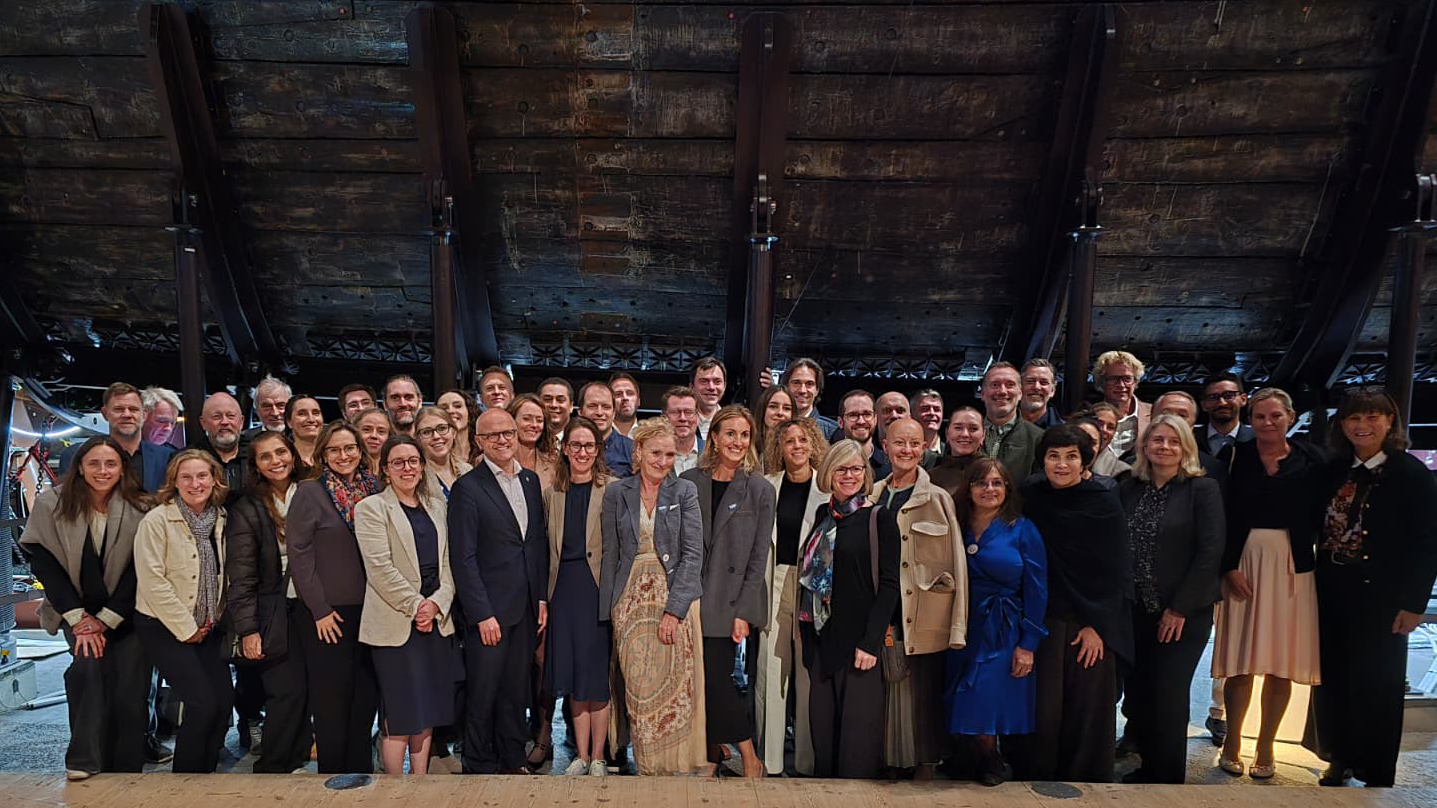
From Dialogue to Action: Ocean Foundations Gather in Stockholm

What can philanthropy accomplish when foundations working across ocean science, conservation, and sustainable development come together around a shared purpose?

That question was at the heart of the 6th UN Ocean Decade Foundations Dialogue, held September 7–9 in Stockholm, Sweden. The Khaled bin Sultan Living Oceans Foundation joined philanthropic organizations from around the world for three days of discussion, collaboration, and planning focused on accelerating progress during the second half of the UN Decade of Ocean Science for Sustainable Development.

Facilitated by UNESCO’s Intergovernmental Oceanographic Commission (IOC), the UN Ocean Decade Foundations Dialogue is a growing network of more than 30 philanthropic organizations committed to advancing ocean science, collaboration, and action. Since its creation within the framework of the Ocean Decade, the Dialogue has provided foundations with a space to exchange ideas, develop partnerships, and explore how philanthropy can help advance a healthy and resilient ocean.

Hosted by the Voice of the Ocean Foundation (VOTO), this year’s gathering began with From Depth to Action, an Opening Forum that brought nearly 100 leaders from the Swedish and international ocean community together at…

Read More

Meet IFAN: Helping Bring Navigate with Care to the Next Generation

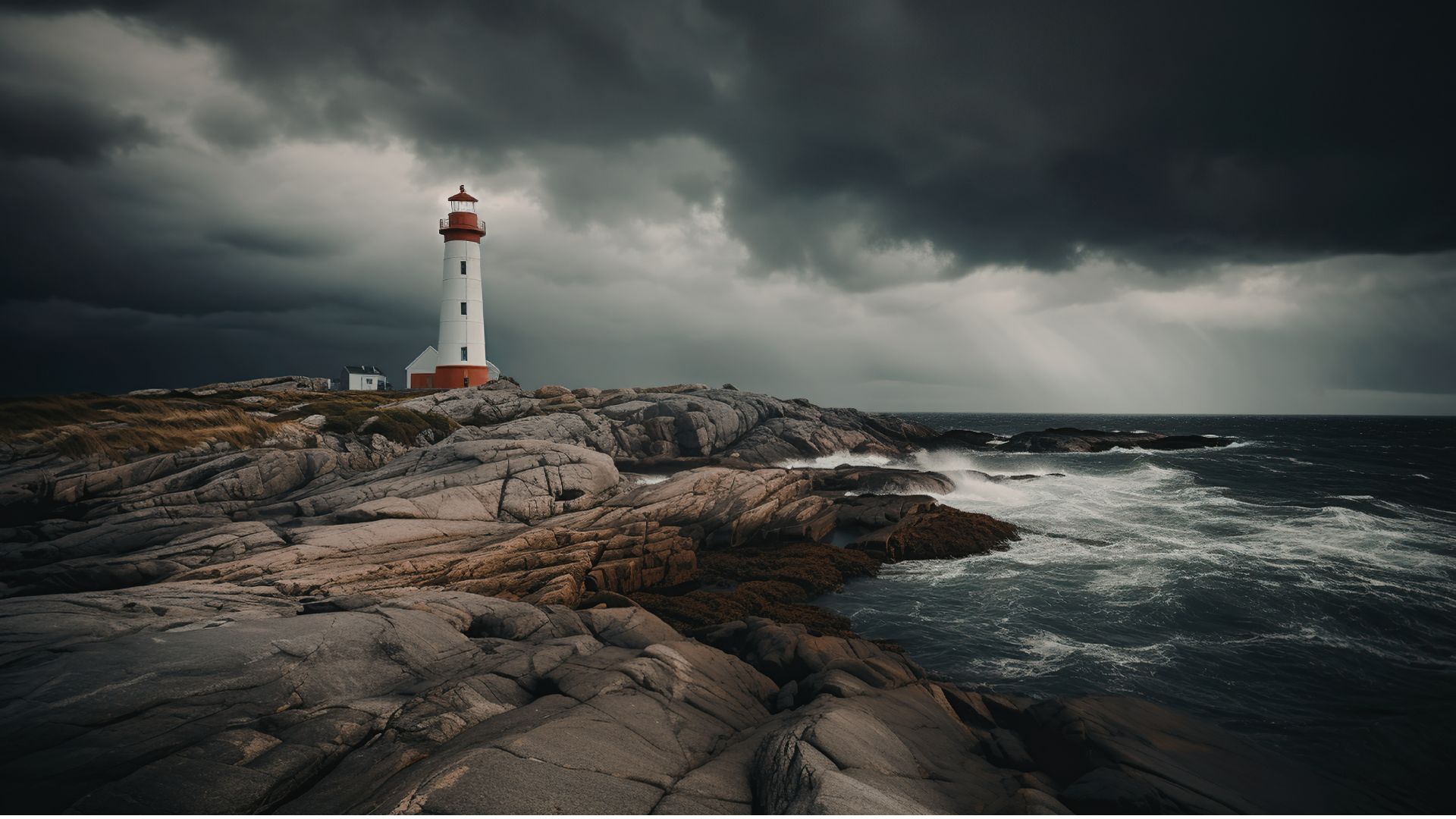
If you’ve ever seen a lighthouse flashing from the shore or a brightly colored buoy bobbing in the water, you’ve seen Aids to Navigation at work.

Aids to Navigation, often called AtoNs, help mariners navigate safely. They can mark channels, warn of hazards, help vessels determine their position, and provide other information people need to make safe decisions on the water. Around the world, these systems help guide everything from small recreational boats to large commercial or container ships. 

But safe navigation isn’t only about protecting vessels and the people aboard them. The choices mariners make can also affect the animals and ecosystems beneath and around them.

That connection between maritime safety and ocean conservation is at the heart of this year’s Science Without Borders® Challenge—and of our partnership with this year’s theme sponsor, the International Foundation for Aids to Navigation (IFAN).

Read More
Privacy Overview

This website uses cookies so that we can provide you with the best user experience possible. Cookie information is stored in your browser and performs functions such as recognising you when you return to our website and helping our team to understand which sections of the website you find most interesting and useful.  You can view our complete Privacy Policy here.

Strictly Necessary Cookies

Most of our cookies are used to improve website security and reduce spam. These cookies should be enabled at all times. They also enable us to save your preferences for cookie settings.

3rd Party Cookies

This website uses Google Analytics to collect anonymous information such as the number of visitors to the site, and the most popular pages. Keeping this cookie enabled helps us to improve our website.