
search-icon
Fisheries Data Goes High-Tech in Tonga
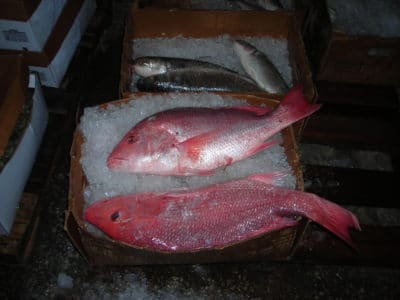
Fisheries Data, Fresh caught Red Snapper from the Gulf of Mexico.
Fresh caught Red Snapper from the Gulf of Mexico.

Roughly one billion people around the world depend on fish from the sea for protein, this makes it vital to understand and manage fish stocks properly. Although there are many factors that affect fish populations, such as climate change, ocean acidification, and water pollution, catching fish for human consumption is the biggest stress on fish numbers. To ensure that we use our marine resources sustainably, while protecting fish populations and the coral reefs where they live, we need to understand and manage human behavior. After all, managing fish populations is really about managing the people who fish for them.
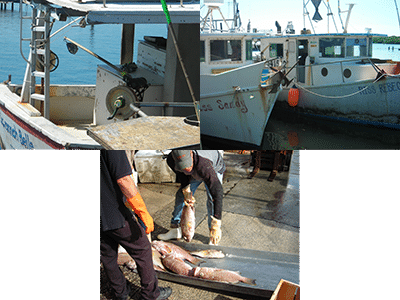
Fishing rigs, boats, and Red Grouper being offloaded in the Gulf of Mexico.

Over the past ten years Living Oceans Foundation fellow, Steve Saul, has focused his research on people’s dependence on reef fish and how coastal residents in coral reef areas, whose livelihoods are dependent on healthy fisheries, relate to one another.

Understanding Fisheries Data
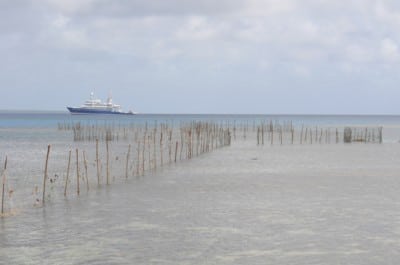
A Traditional Tongan Fishing Trap.

Steve says ‘One of the ways that I have sought to understand and quantify how people relate to the marine environment is through modelling’. He recently built a spatially explicit model of the reef fish fishery on the West coast of Florida. ‘An important component of developing this model was to spend time with the fishermen and women to learn how they make decisions about when they fish and how they respond to management measures’ he states.

Computer Modeling

To develop the model he combined the fisher survey data with US fishery management data on fish habitat, fish abundance, fish life cycle, and fishing catch and effort. The project was able to improve the evaluation of important grouper and snapper species by better understanding fisher decision making, and how this affects what fishers target and catch.

Understanding Fishing in Tonga
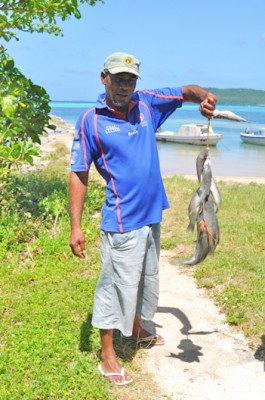
A Tongan fisherman holds up his catch from the morning.

Now Steve and the Living Oceans Foundation are about to launch a similar project in Tonga. Many Tongans depend on subsistence farming and fishing for their livelihood, and eating reef fish is part of their daily diet.  The Foundation’s Global Reef Expedition visited Tonga to survey coral reefs last year, and we are now returning to help willing local communities and the Tongan government implement fisheries related conservation measures.  One of the ways we’ll do this is to develop a spatially explicit simulation model, similar to the one Steve developed on the West coast of Florida.

Managing Fishing Data
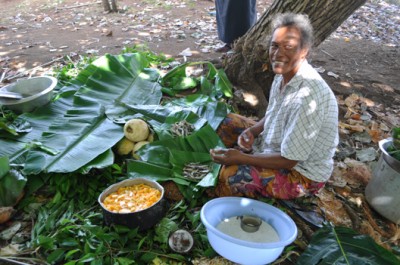
A woman from Ovaka prepares fish cooked in leaves in the ground in an 'umu'.
A woman from Ovaka prepares fish cooked in leaves in the ground in an ‘umu’.

Steve explains ‘During our return visit we will be meeting with local fishers to learn about and collect data on how they fish, what gears they use, what they target, and what they consider when making fishing related decisions.’  This information will be critical in developing a simulation model.  While Steve is developing the model he will meet with the local stakeholders to obtain their feedback and fine tune the model.  He states, ‘Once we are satisfied that the simulation represents the basic human and biological dynamics of the fishery, the model will be used to explore different potential management measures.’  The model will help the Tongan community to evaluate and quantify the benefits and costs of potential different management measures. The hope is that the proposed work will help ensure environmental protection and food security for Tongan communities in the future.

Related Posts

From Dialogue to Action: Ocean Foundations Gather in Stockholm

What can philanthropy accomplish when foundations working across ocean science, conservation, and sustainable development come together around a shared purpose?

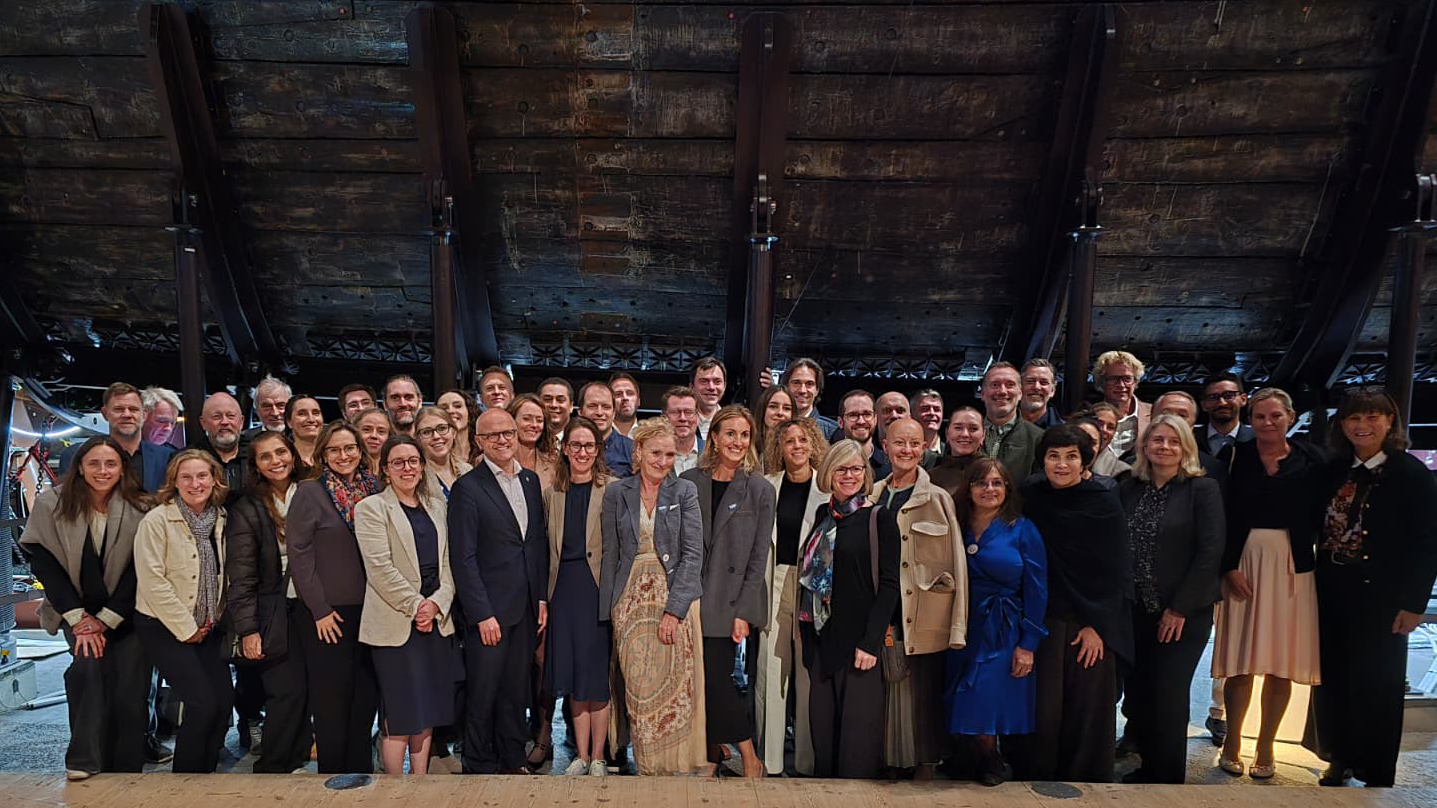
That question was at the heart of the 6th UN Ocean Decade Foundations Dialogue, held September 7–9 in Stockholm, Sweden. The Khaled bin Sultan Living Oceans Foundation joined philanthropic organizations from around the world for three days of discussion, collaboration, and planning focused on accelerating progress during the second half of the UN Decade of Ocean Science for Sustainable Development.

Facilitated by UNESCO’s Intergovernmental Oceanographic Commission (IOC), the UN Ocean Decade Foundations Dialogue is a growing network of more than 30 philanthropic organizations committed to advancing ocean science, collaboration, and action. Since its creation within the framework of the Ocean Decade, the Dialogue has provided foundations with a space to exchange ideas, develop partnerships, and explore how philanthropy can help advance a healthy and resilient ocean.

Hosted by the Voice of the Ocean Foundation (VOTO), this year’s gathering began with From Depth to Action, an Opening Forum that brought nearly 100 leaders from the Swedish and international ocean community together at…

Read More

Meet IFAN: Helping Bring Navigate with Care to the Next Generation

If you’ve ever seen a lighthouse flashing from the shore or a brightly colored buoy bobbing in the water, you’ve seen Aids to Navigation at work.

Aids to Navigation, often called AtoNs, help mariners navigate safely. They can mark channels, warn of hazards, help vessels determine their position, and provide other information people need to make safe decisions on the water. Around the world, these systems help guide everything from small recreational boats to large commercial or container ships. 

But safe navigation isn’t only about protecting vessels and the people aboard them. The choices mariners make can also affect the animals and ecosystems beneath and around them.

That connection between maritime safety and ocean conservation is at the heart of this year’s Science Without Borders® Challenge—and of our partnership with this year’s theme sponsor, the International Foundation for Aids to Navigation (IFAN).

Read More

Privacy Overview

This website uses cookies so that we can provide you with the best user experience possible. Cookie information is stored in your browser and performs functions such as recognising you when you return to our website and helping our team to understand which sections of the website you find most interesting and useful.  You can view our complete Privacy Policy here.

Strictly Necessary Cookies

Most of our cookies are used to improve website security and reduce spam. These cookies should be enabled at all times. They also enable us to save your preferences for cookie settings.

3rd Party Cookies

This website uses Google Analytics to collect anonymous information such as the number of visitors to the site, and the most popular pages. Keeping this cookie enabled helps us to improve our website.