Meet Our Theme Sponsor: The International Foundation for Aids to Navigation (IFAN)
If you’ve ever seen a lighthouse flashing from the shore or a brightly colored buoy bobbing in the water, you’ve seen Aids to Navigation at work.
Aids to Navigation, often called AtoNs, help mariners navigate safely. They can mark channels, warn of hazards, help vessels determine their position, and provide other information people need to make safe decisions on the water. Around the world, these systems help guide everything from small recreational boats to large commercial or container ships.
But safe navigation isn’t only about protecting vessels and the people aboard them. The choices mariners make can also affect the animals and ecosystems beneath and around them.
That connection between maritime safety and ocean conservation is at the heart of this year’s Science Without Borders® Challenge—and of our partnership with this year’s theme sponsor, the International Foundation for Aids to Navigation (IFAN).
The International Foundation for Aids to Navigation (IFAN) is a UK-based charity dedicated to promoting safety at sea and protecting the marine environment.
IFAN supports this mission by funding Aids to Navigation projects around the world, supporting education initiatives, and contributing to the work of other maritime organizations. Its operating division, the Middle East Navigation Aids Service (MENAS), has provided Aids to Navigation services in the Arabian Gulf for more than 60 years.
At first glance, an organization focused on maritime navigation and one focused on ocean conservation might seem to approach the ocean from very different perspectives.
But truth is, we have a lot in common.
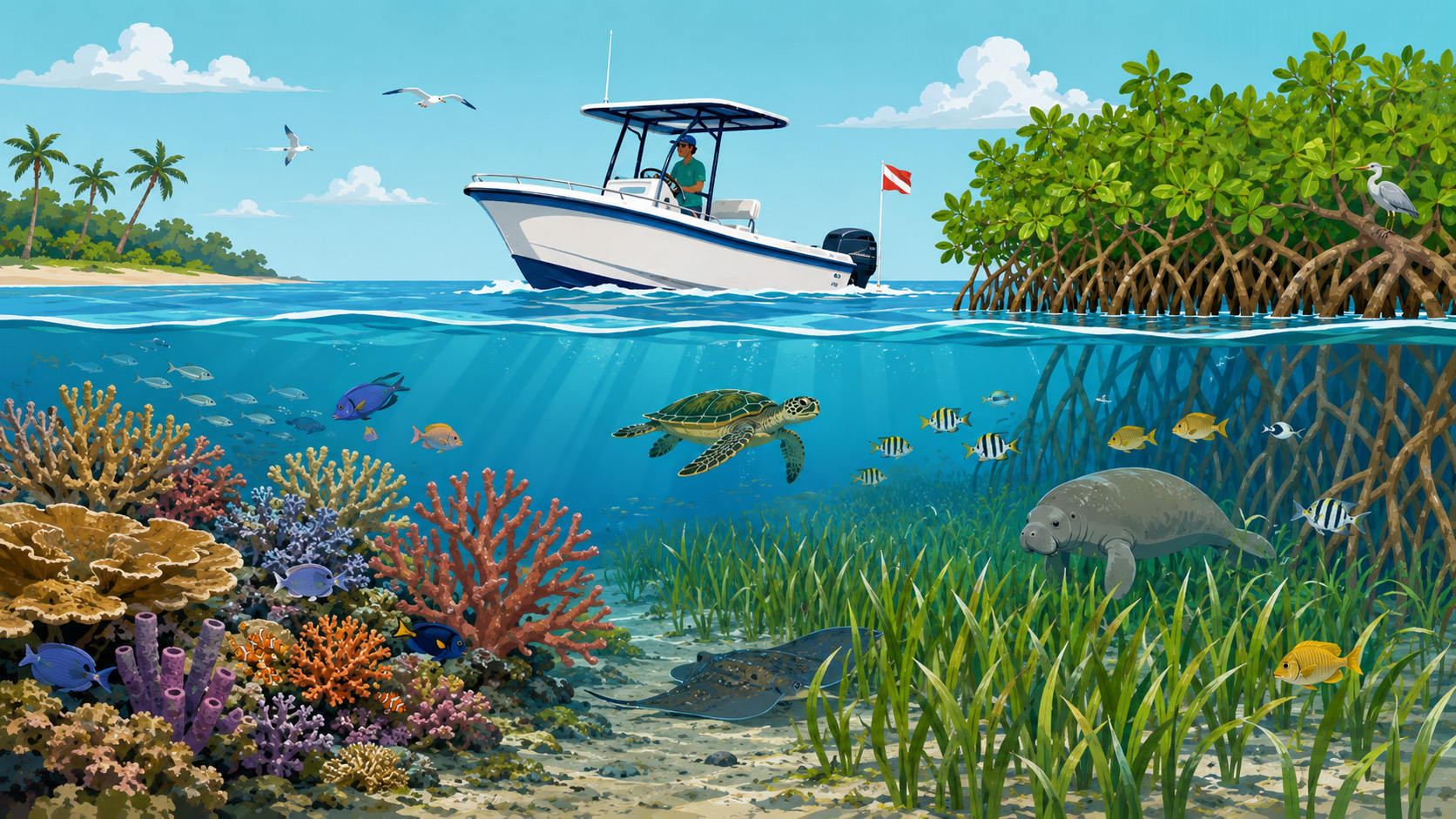
A vessel that follows navigational guidance can avoid dangerous waters, but it may also avoid running aground on a coral reef. A boater who chooses an appropriate place to anchor can protect the vessel while avoiding damage to seagrass or coral. Careful route planning can improve safety at sea while helping vessels avoid sensitive marine habitats.
The same thoughtful decisions that protect people on the water can also protect marine life.
That shared understanding brought IFAN and the Khaled bin Sultan Living Oceans Foundation together.
“Navigate with Care reflects how IFAN sees its role in the wider maritime safety system. We are not there to act alone, but to help connect the different actors, knowledge and resources needed to make safer navigation possible, from international organisations and maritime authorities to technical experts, conservation partners and local communities. Our partnership with the Khaled bin Sultan Living Oceans Foundation shows what can happen when those different perspectives come together around a shared objective. Extending Navigate with Care to the Science Without Borders® Challenge is an important next step, because it gives young people the opportunity to understand that the choices we make on the water can protect both people and the marine environment. Building that awareness early is part of creating a stronger culture of safe and responsible navigation for the future,” said Francesca Pradelli, IFAN’s Development Manager.
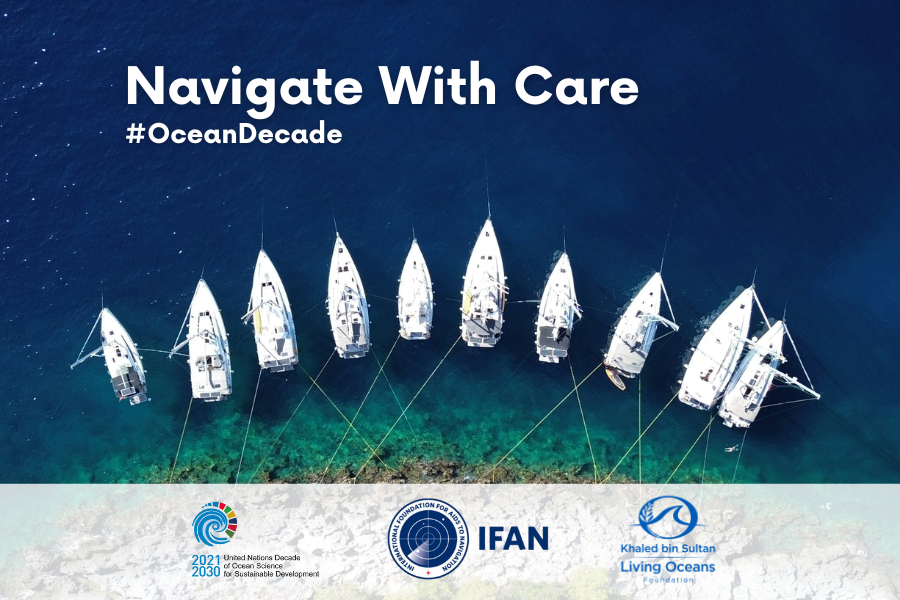
Our partnership began with a conversation at the 2024 edition of the Ocean Decade Foundations Dialogue, where our organizations discovered a shared interest in connecting maritime safety with marine conservation. That conversation eventually grew into Navigate with Care: Protect Our Oceans, a joint campaign encouraging mariners to make safer, more environmentally responsible choices on the water.
The campaign launched at the 2025 UN Ocean Conference in Nice, France, and was endorsed as an official Activity of the United Nations Decade of Ocean Science for Sustainable Development (2021-2030). Since then, we have worked together to share practical information through educational resources, webinars, outreach materials, and engagement with maritime and conservation organizations around the world.
At the center of the campaign is a simple idea: we don’t have to choose between safe navigation and a healthy ocean.
Navigating responsibly can accomplish both.

What Does It Mean to Navigate with Care?
Navigating with care begins even before a vessel leaves shore.
Mariners can plan routes carefully, use updated charts and navigation tools, understand and follow Aids to Navigation, respect protected areas and local regulations, and pay attention to what is happening both on and beneath the water.
Once underway, those decisions continue to matter. Slowing down around marine wildlife can reduce the risk of vessel strikes. Anchoring responsibly can prevent damage to coral reefs and seagrass meadows. Following established navigation routes can help vessels avoid hazards and sensitive areas. Preventing pollution and the spread of invasive species can protect the waters everyone depends on.
These actions can look very different depending on the vessel, location, and situation, but they share something important: they require people to pay attention, plan ahead, and understand that the ocean is not empty space. It is a living world.
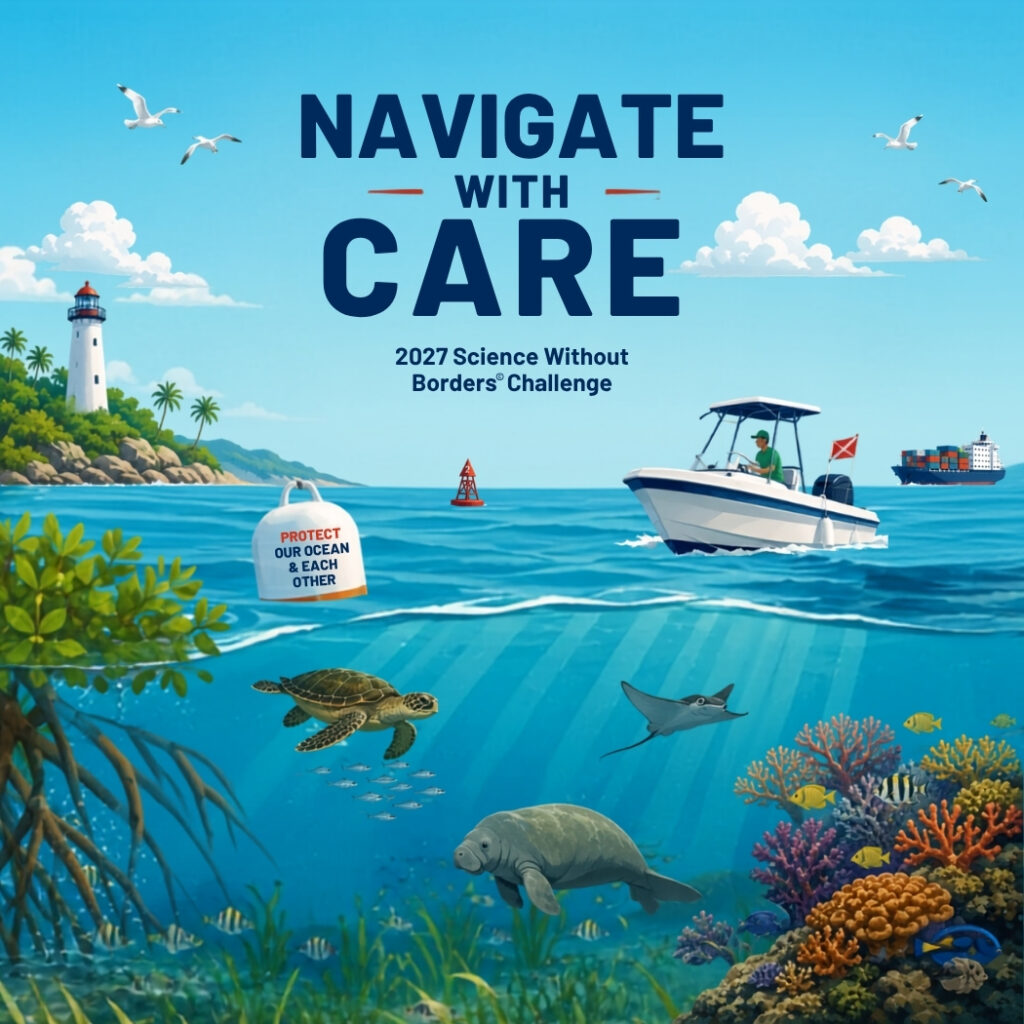
Bringing Navigate with Care to the Next Generation
This year, Navigate with Care is reaching a new audience through the Science Without Borders® Challenge.
For the 2027 Challenge, students ages 11–19 around the world are being invited to explore the ideas behind the campaign and communicate what they learn through art. It’s an opportunity for young people to think about the ocean not only as a place we depend on and enjoy, but also as a shared space where the decisions people make can affect both human safety and marine life.
Through their artwork, students will show how safer, more responsible navigation can protect people, marine life, and ocean ecosystems—from slowing down around whales and other marine animals to navigating carefully around sensitive habitats or choosing a mooring instead of dropping an anchor on a coral reef.
IFAN is generously sponsoring this year’s Challenge, helping us bring the Navigate with Care message to a new generation and encouraging young people to see the connection between maritime safety and ocean conservation.
Take the Navigate with Care Pledge
You don’t have to be entering the Science Without Borders® Challenge to be part of the campaign.
The Navigate with Care Pledge invites mariners and ocean stewards to make a personal commitment to safer seas and a healthier ocean.
By taking the pledge, participants commit to using navigation tools and Aids to Navigation to help avoid sensitive marine habitats, anchoring and navigating responsibly, following established maritime guidance, respecting marine protected areas, and setting an example for others on the water.
Whether you operate a large vessel, spend weekends on a small boat, work in the maritime community, or simply care about the future of our ocean, you can help spread the message.
Take the Navigate with Care Pledge and join us in protecting people and marine life—one thoughtful decision at a time.
The International Foundation for Aids to Navigation (IFAN)
The International Foundation for Aids to Navigation (IFAN) is a nonprofit organization dedicated to enhancing maritime safety, protecting marine ecosystems, and strengthening global navigation capabilities. IFAN ensures safer and more efficient shipping routes while minimizing environmental risks by providing and maintaining Aids to Navigation (AtoNs), supporting regional operations, and delivering specialized training. Through strategic partnerships, funding, and technical expertise, IFAN plays a pivotal role in securing safe, sustainable global waterways and safeguarding the world’s oceans for future generations.