
search-icon
Variation in the Distribution of Supralittoral Vegetation Around an Atoll Cay: Desroches (Amirante Islands, Seychelles)

The shores of the small coral cay on Desroches Atoll (Amirante Islands, Seychelles) span a range of conditions from relatively sheltered (along the atoll lagoonal coast) to very exposed (facing the Indian Ocean). This appears in no way to affect the occurrence of Scaevola, which dominates the entire coastline, but the frequencies of the other characteristic but less widespread shoreline plant species (Casuarina, Cocos, Guettarda, Suriana and Heliotropium) show significant variation around the cay perimeter.


INTRODUCTION

In the popular imagination, especially of people living outside the tropics, coral islands are fringed by coconut palms. In reality, except on eroding shores, the dominant species is much more likely to be the somewhat less romantic Scaevola, variously known as ‘salt bush’, ‘fan flower’, ‘Cardwell cabbage’, ‘naupaka’, ‘half-flower’ and in Seychelles ‘vouloutye’, that pan-tropically forms – or used to form – dense impenetrable thickets at and above high tide level around atoll cays as well as around various other types of island. Although Scaevola is often the dominant component, several other plants may occur with it, including of course the coconut, Cocos.

Desroches is a low linear coral-sand cay, some 5km long, 0.5-1.0km wide and 2m high, oriented south-west to north-east on the southern margin of the large (20km diameter) sunken and tilted coral atoll of the same name in the Amirantes Group, Seychelles, at 50 40-42’ S; 530, 38-41’ E (see, e.g., Baker, 1963; Stoddart & Poore, 1970). Although most of its terrestrial vegetation is no longer in its natural state, and little
evidence of its original biota remains (Stoddart & Poore, 1970) having been converted like many other Indian Ocean islands to a coconut plantation, except in the vicinity of the island’s hotel the coastal fringe does appear to be in a largely natural state (although with some probably alien components). In this it contrasts with the coastal vegetation of many of the granitic Seychelles that has been severely changed by human activity (Sauer, 1967). This study set out to document the composition of the supralittoral vegetation around Desroches as an example of an atoll cay in the Indian Ocean and to ascertain whether this vegetation was uniform or contained significant local regional variation. The Coral and Coastal Ecology of the Seychelles Research Programme is one of the three component sections of the Mitsubishi Corporation’s Global Coral Reef Conservation
Project…
 

Related Posts

From Dialogue to Action: Ocean Foundations Gather in Stockholm

What can philanthropy accomplish when foundations working across ocean science, conservation, and sustainable development come together around a shared purpose?

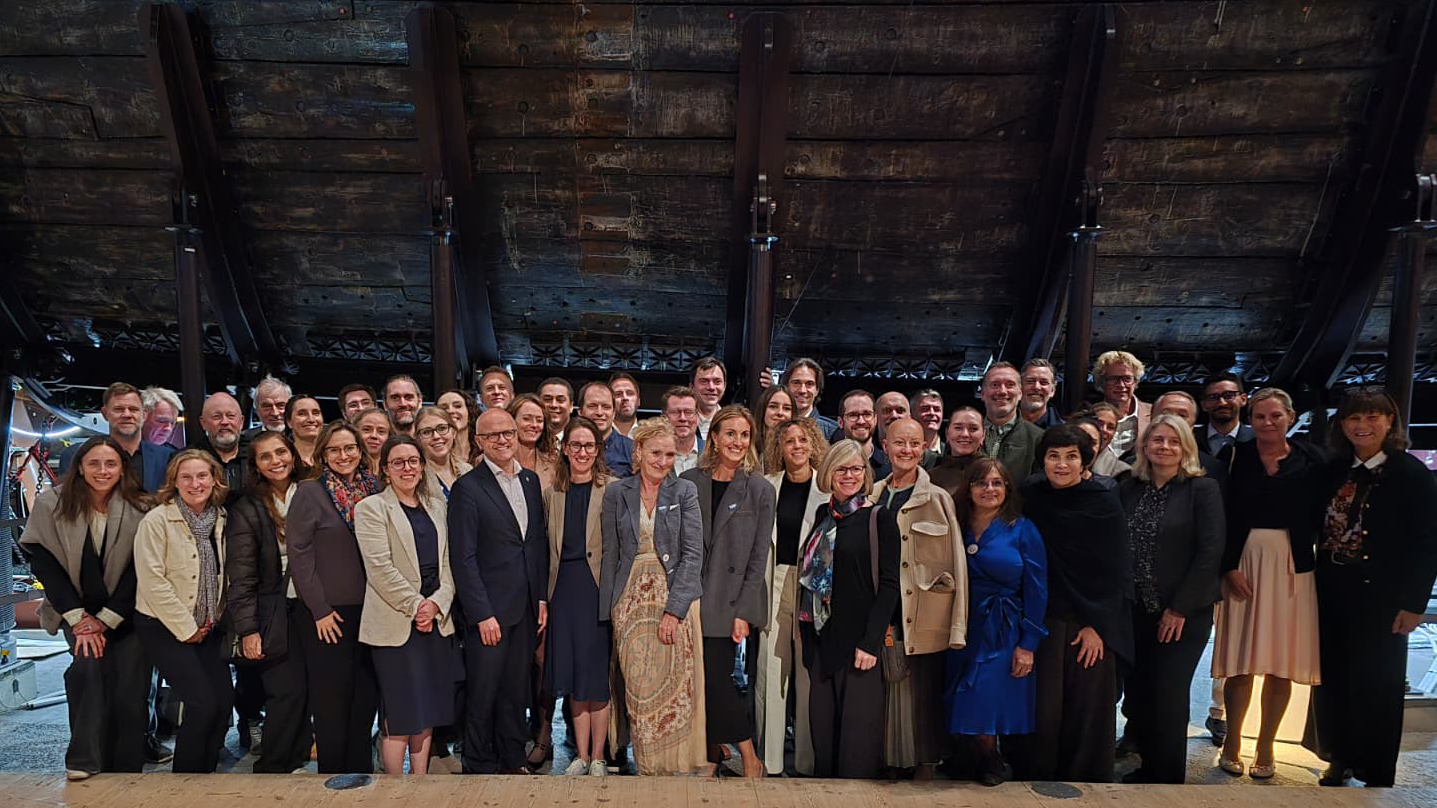
That question was at the heart of the 6th UN Ocean Decade Foundations Dialogue, held September 7–9 in Stockholm, Sweden. The Khaled bin Sultan Living Oceans Foundation joined philanthropic organizations from around the world for three days of discussion, collaboration, and planning focused on accelerating progress during the second half of the UN Decade of Ocean Science for Sustainable Development.

Facilitated by UNESCO’s Intergovernmental Oceanographic Commission (IOC), the UN Ocean Decade Foundations Dialogue is a growing network of more than 30 philanthropic organizations committed to advancing ocean science, collaboration, and action. Since its creation within the framework of the Ocean Decade, the Dialogue has provided foundations with a space to exchange ideas, develop partnerships, and explore how philanthropy can help advance a healthy and resilient ocean.

Hosted by the Voice of the Ocean Foundation (VOTO), this year’s gathering began with From Depth to Action, an Opening Forum that brought nearly 100 leaders from the Swedish and international ocean community together at…

Read More

Meet IFAN: Helping Bring Navigate with Care to the Next Generation

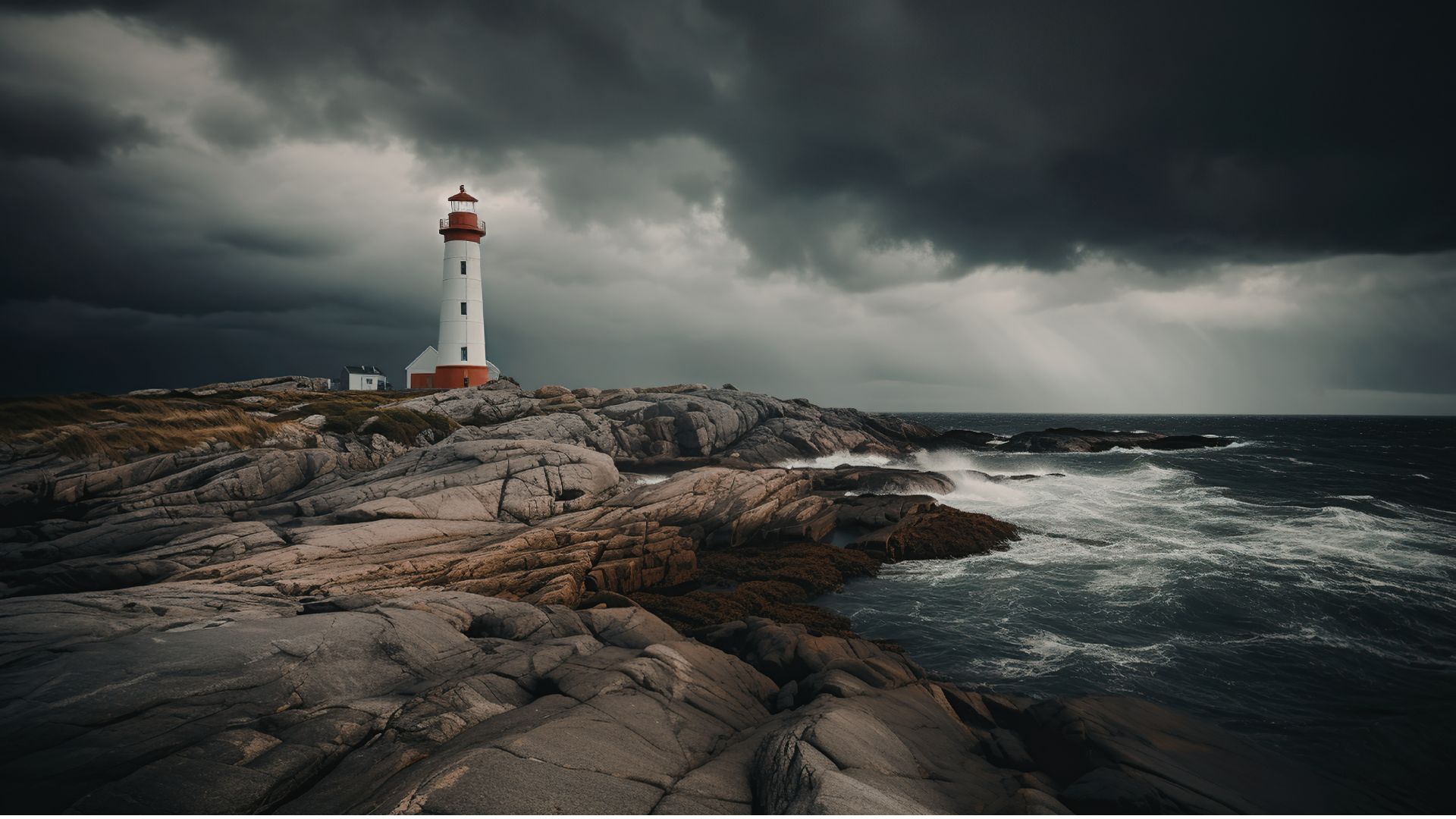
If you’ve ever seen a lighthouse flashing from the shore or a brightly colored buoy bobbing in the water, you’ve seen Aids to Navigation at work.

Aids to Navigation, often called AtoNs, help mariners navigate safely. They can mark channels, warn of hazards, help vessels determine their position, and provide other information people need to make safe decisions on the water. Around the world, these systems help guide everything from small recreational boats to large commercial or container ships. 

But safe navigation isn’t only about protecting vessels and the people aboard them. The choices mariners make can also affect the animals and ecosystems beneath and around them.

That connection between maritime safety and ocean conservation is at the heart of this year’s Science Without Borders® Challenge—and of our partnership with this year’s theme sponsor, the International Foundation for Aids to Navigation (IFAN).

Read More
Privacy Overview

This website uses cookies so that we can provide you with the best user experience possible. Cookie information is stored in your browser and performs functions such as recognising you when you return to our website and helping our team to understand which sections of the website you find most interesting and useful.  You can view our complete Privacy Policy here.

Strictly Necessary Cookies

Most of our cookies are used to improve website security and reduce spam. These cookies should be enabled at all times. They also enable us to save your preferences for cookie settings.

3rd Party Cookies

This website uses Google Analytics to collect anonymous information such as the number of visitors to the site, and the most popular pages. Keeping this cookie enabled helps us to improve our website.