
search-icon
Photosynthetic Symbioses in Animals

Photosynthetic Symbioses in Animals

Marine animals acquire photosynthetically-fixed carbon by forming symbioses with algae and cyanobacteria.  These associations are widespread in the phyla Porifera (sponges) and Cnidaria (corals, sea anemones etc.) but otherwise uncommon or absent from animal phyla. It is suggested that one factor contributing to the distribution of animal symbioses is the morphologically-simple body plan of the Porifera and Cnidaria with a large surface area:volume relationship well suited to light capture by symbiotic algae in their tissues. Photosynthetic products are released from living symbiont cells to the animal host at substantial rates. Research with algal cells freshly isolated from the symbioses suggests that low molecular weight compounds (e.g. maltose, glycerol) are the major release products but further research is required to assess the relevance of these results to the algae in the intact symbiosis. Photosynthesis also poses risks for the animal because environmental perturbations, especially elevated temperature or irradiance, can lead to the production of reactive oxygen species, damage to membranes and proteins, and ‘bleaching’, including breakdown of the symbiosis. The contribution of nonphotochemical quenching and membrane lipid composition of the algae to bleaching susceptibility is assessed. More generally, the development of genomic techniques to help understand the processes underlying the function and breakdown of function in photosynthetic symbioses is advocated.


INTRODUCTION

Oxygenic photosynthesis has apparently evolved just once, in the lineage that gave rise to all extant cyanobacteria (Cavalier-Smith, 2006). This metabolic capability has, however, been acquired on multiple occasions by eukaryotes through symbiosis either with cyanobacteria or with their unicellular eukaryotic derivatives generically termed ‘algae’. Overall, 27 (49%) of the 55 eukaryotic groups identified by Baldauf (2003) have representatives which possess photosynthetic symbionts or their derivatives, the plastids. These include the three major groups of multicellular eukaryotes: the plants, which are derivatives of the most ancient symbiosis between eukaryotes and cyanobacteria; the fungi, many of which are lichenized with algae or cyanobacteria; and the animals. We, the authors, and probably many readers were taught that animals do not photosynthesize. This statement is true in the sense that the lineage giving rise to animals did not possess plastids, but false in the wider sense: many animals photosynthesize through symbiosis with algae or cyanobacteria…

 

Related Posts

From Dialogue to Action: Ocean Foundations Gather in Stockholm

What can philanthropy accomplish when foundations working across ocean science, conservation, and sustainable development come together around a shared purpose?

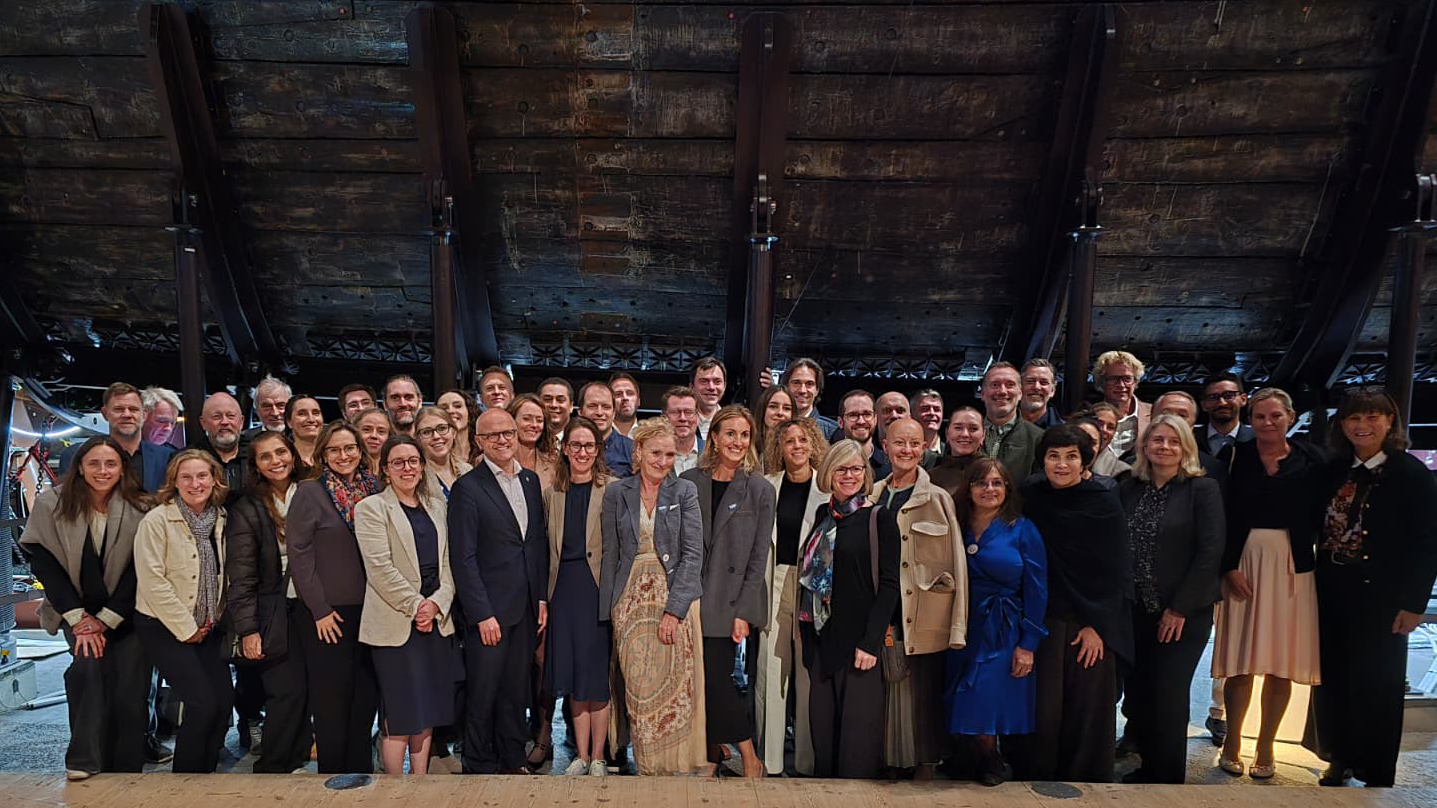
That question was at the heart of the 6th UN Ocean Decade Foundations Dialogue, held September 7–9 in Stockholm, Sweden. The Khaled bin Sultan Living Oceans Foundation joined philanthropic organizations from around the world for three days of discussion, collaboration, and planning focused on accelerating progress during the second half of the UN Decade of Ocean Science for Sustainable Development.

Facilitated by UNESCO’s Intergovernmental Oceanographic Commission (IOC), the UN Ocean Decade Foundations Dialogue is a growing network of more than 30 philanthropic organizations committed to advancing ocean science, collaboration, and action. Since its creation within the framework of the Ocean Decade, the Dialogue has provided foundations with a space to exchange ideas, develop partnerships, and explore how philanthropy can help advance a healthy and resilient ocean.

Hosted by the Voice of the Ocean Foundation (VOTO), this year’s gathering began with From Depth to Action, an Opening Forum that brought nearly 100 leaders from the Swedish and international ocean community together at…

Read More

Meet IFAN: Helping Bring Navigate with Care to the Next Generation

If you’ve ever seen a lighthouse flashing from the shore or a brightly colored buoy bobbing in the water, you’ve seen Aids to Navigation at work.

Aids to Navigation, often called AtoNs, help mariners navigate safely. They can mark channels, warn of hazards, help vessels determine their position, and provide other information people need to make safe decisions on the water. Around the world, these systems help guide everything from small recreational boats to large commercial or container ships. 

But safe navigation isn’t only about protecting vessels and the people aboard them. The choices mariners make can also affect the animals and ecosystems beneath and around them.

That connection between maritime safety and ocean conservation is at the heart of this year’s Science Without Borders® Challenge—and of our partnership with this year’s theme sponsor, the International Foundation for Aids to Navigation (IFAN).

Read More
Privacy Overview

This website uses cookies so that we can provide you with the best user experience possible. Cookie information is stored in your browser and performs functions such as recognising you when you return to our website and helping our team to understand which sections of the website you find most interesting and useful.  You can view our complete Privacy Policy here.

Strictly Necessary Cookies

Most of our cookies are used to improve website security and reduce spam. These cookies should be enabled at all times. They also enable us to save your preferences for cookie settings.

3rd Party Cookies

This website uses Google Analytics to collect anonymous information such as the number of visitors to the site, and the most popular pages. Keeping this cookie enabled helps us to improve our website.