search-icon
Coral Reefs: Threats and Conservation in an Era of Global Change

Coral Reefs: Threats and Conservation in an Era of Global Change

Coral reefs are iconic, threatened ecosystems that have been in existence for ∼500 million years, yet their continued ecological persistence seems doubtful at present. Anthropogenic modification of chemical and physical atmospheric dynamics that cause coral death by bleaching and newly emergent diseases due to increased heat and irradiation, as well as decline in calcification caused by ocean acidification due to increased CO2, are the most important large-scale threats. On more local scales, overfishing and destructive fisheries, coastal construction, nutrient enrichment, increased runoff and sedimentation, and the introduction of nonindigenous invasive species have caused phase shifts away from corals. Already ∼20% of the world’s reefs are lost and ∼26% are under imminent threat. Conservation science of coral reefs is well advanced, but its practical application has often been lagging. Societal priorites, economic pressures, and legal/administrative systems of many countries are more prone to destroy rather than conserve coral-reef ecosystems. Nevertheless, many examples of successful conservation exist from the national level to community-enforced local action. When effectively managed, protected areas have contributed to regeneration of coral reefs and stocks of associated marine resources. Local communities often support coral-reef conservation in order to raise income potential associated with tourism and/or improved resource levels. Coral reefs create an annual income in S-Florida alone of over $4 billion. Thus, no conflict between development, societal welfare, and coral-reef conservation needs to exist. Despite growing threats, it is not too late for decisive action to protect and save these economically and ecologically high-value ecosystems. Conservation science plays a critical role in designing effective strategies.
 

Related Posts

Everything You Need to Know About the 2027 Science Without Borders® Challenge

Are you ready to combine your creativity with ocean science?

The 15th Annual Science Without Borders® Challenge is now open! Whether you’re participating for the first time or returning for another year, this guide will help you get started.

This year’s theme, Navigate With Care, invites students to explore how responsible navigation helps protect both people and life in the ocean. Through your artwork, you can compete for scholarships and international recognition while inspiring others to protect both people and life in the ocean.

Read More

Global Reef Expedition Data Contributes to Landmark Report on the World’s Coral Reefs

More than a decade after scientists aboard the Global Reef Expedition surveyed coral reefs across the Pacific, the data they collected continues to contribute to our understanding of the world’s coral reefs.

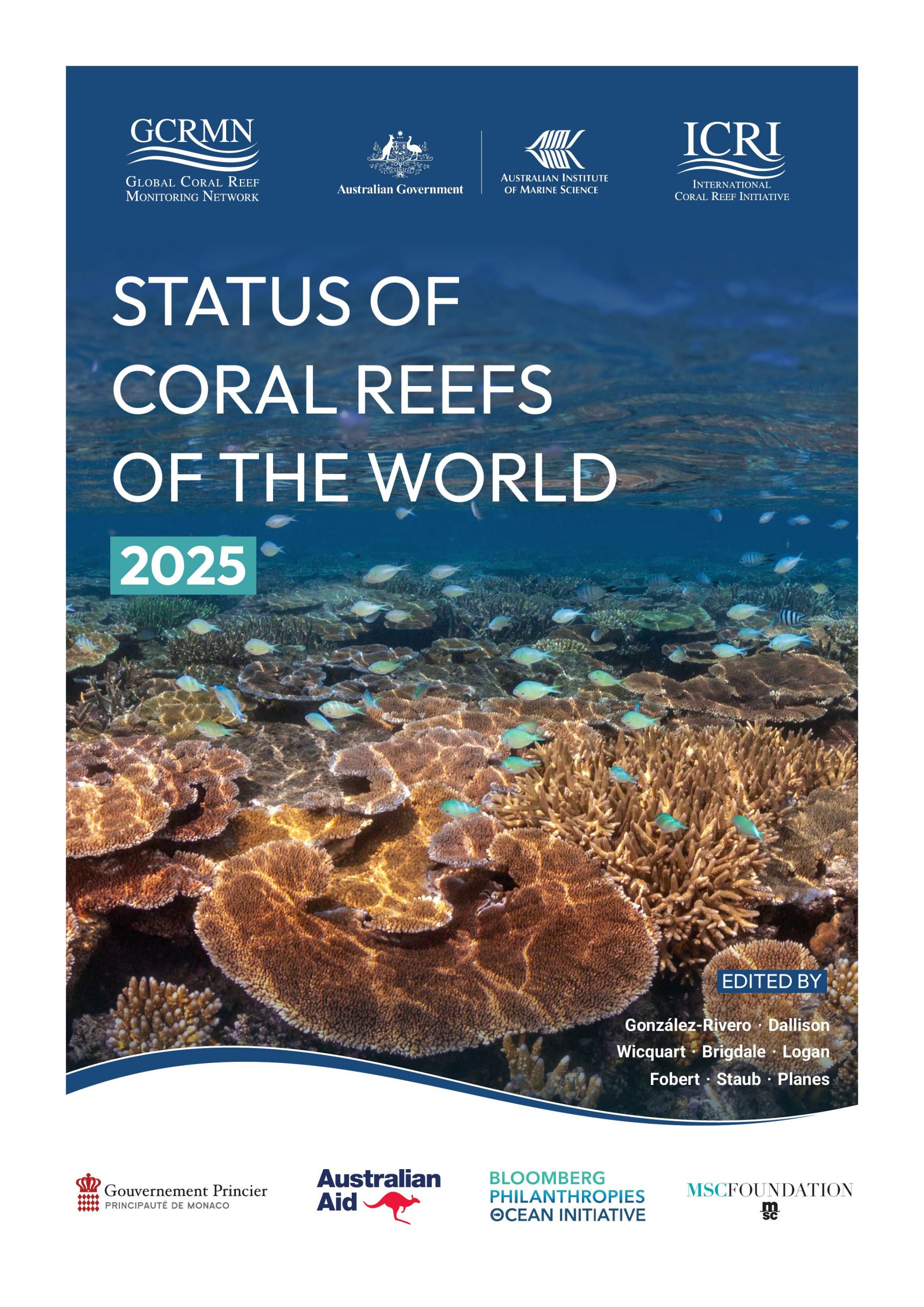
Today, the Global Coral Reef Monitoring Network (GCRMN) released Status of Coral Reefs of the World: 2025, the most comprehensive assessment to date of the status and trends of coral reefs worldwide. The report brings together an extraordinary amount of information collected over more than four decades—and the Khaled bin Sultan Living Oceans Foundation is proud to have contributed data from the Global Reef Expedition to this global effort. 

Read More
Privacy Overview

This website uses cookies so that we can provide you with the best user experience possible. Cookie information is stored in your browser and performs functions such as recognising you when you return to our website and helping our team to understand which sections of the website you find most interesting and useful.  You can view our complete Privacy Policy here.

Strictly Necessary Cookies

Most of our cookies are used to improve website security and reduce spam. These cookies should be enabled at all times. They also enable us to save your preferences for cookie settings.

3rd Party Cookies

This website uses Google Analytics to collect anonymous information such as the number of visitors to the site, and the most popular pages. Keeping this cookie enabled helps us to improve our website.