
search-icon
Quantifying the decline in Corallium rubrum populations: Reply to Santangelo & Bramanti (2010). Mar Ecol Prog Ser. 418: 299-303

Quantifying the decline in Corallium rubrum populations: Reply to Santangelo & Bramanti (2010). Mar Ecol Prog Ser. 418: 299-303

In the comment on Bruckner (2009; Mar Ecol Prog Ser 397:319–332), Santangelo & Bramanti (2010; Mar Ecol Prog Ser 418:295–297) suggest that the available data for Corallium rubrum populations cannot be used to make conclusions about population trends for the species throughout the Mediterranean. Their main concerns relate to (1) different methodologies used to sample populations; (2) insufficient population information from deep water; and (3) limited data on sampling area and density of colonies. While I recognize many of the limitations of the data, the conclusions in Bruckner (2009) were based on multiple datasets, including population demography and reproductive patterns, as well as landings data, trade statistics and biological information. The primary comparison involves differences between depths, levels of fishing pressure, and historic populations using information from representative habitats off Costa Brava, Spain; recent data were collected using similar methods and included size structure, reproductive information, and density and abundance of colonies. At the time of Bruckner (2009), most fisheries were in shallow water (<70 m depth), but they were already progressively expanding into deeper areas. Since publication of the manuscript, the fishery for C. rubrum has entered a new phase, SCUBA fishing using mixed gases and new technology (e.g. ROVs) to reach greater depths (70 to 150 m) and increase landings, mostly because shallow populations have been overharvested. This new trend is problematic, because the science does not exist to determine sustainable harvest levels at these depths…
 

Related Posts

Everything You Need to Know About the 2027 Science Without Borders® Challenge

Are you ready to combine your creativity with ocean science?

The 15th Annual Science Without Borders® Challenge is now open! Whether you’re participating for the first time or returning for another year, this guide will help you get started.

This year’s theme, Navigate With Care, invites students to explore how responsible navigation helps protect both people and life in the ocean. Through your artwork, you can compete for scholarships and international recognition while inspiring others to protect both people and life in the ocean.

Read More

Global Reef Expedition Data Contributes to Landmark Report on the World’s Coral Reefs

More than a decade after scientists aboard the Global Reef Expedition surveyed coral reefs across the Pacific, the data they collected continues to contribute to our understanding of the world’s coral reefs.

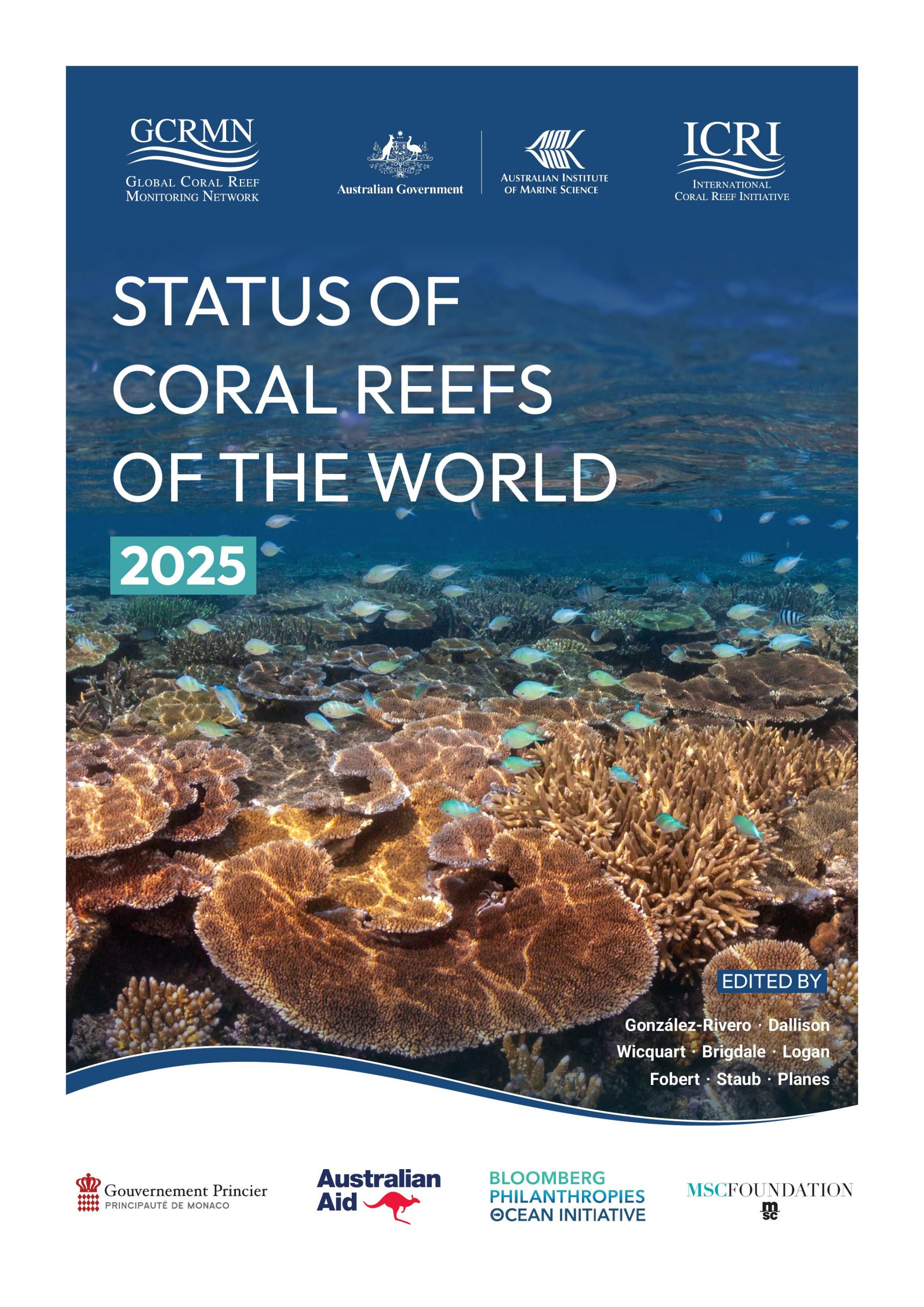
Today, the Global Coral Reef Monitoring Network (GCRMN) released Status of Coral Reefs of the World: 2025, the most comprehensive assessment to date of the status and trends of coral reefs worldwide. The report brings together an extraordinary amount of information collected over more than four decades—and the Khaled bin Sultan Living Oceans Foundation is proud to have contributed data from the Global Reef Expedition to this global effort. 

Read More
Privacy Overview

This website uses cookies so that we can provide you with the best user experience possible. Cookie information is stored in your browser and performs functions such as recognising you when you return to our website and helping our team to understand which sections of the website you find most interesting and useful.  You can view our complete Privacy Policy here.

Strictly Necessary Cookies

Most of our cookies are used to improve website security and reduce spam. These cookies should be enabled at all times. They also enable us to save your preferences for cookie settings.

3rd Party Cookies

This website uses Google Analytics to collect anonymous information such as the number of visitors to the site, and the most popular pages. Keeping this cookie enabled helps us to improve our website.