
search-icon
Diel rhythmicity of lipid-body formation in coral – Symbiodinium endosymbiosis

Diel rhythmicity of lipid-body formation in coral – Symbiodinium endosymbiosis

The biogenesis of intracellular lipid bodies (LBs) is dependent upon the symbiotic status between host corals and their intracellular dinoflagellates (genus Symbiodinium ), though aside from this observation, little is known about LB behavior and function in this globally important endosymbiosis. The present research aimed to understand how LB formation and density are regulated in the gastrodermal tissue layer of the reef-building coral Euphyllia glabrescens . After tissue fixation and labeling with osmium tetroxide, LB distribution and density were quantified by imaging analysis of serial cryo-sections, and a diel rhythmicity was observed; the onset of solar irradiation at sunrise initiated an increase in LB density and size, which peaked at sunset. Both LB density and size then decreased to basal levels at night. On a seasonal timescale, LB density was found to be significantly positively correlated with seasonal irradiation, with highest densities found in the summer and lowest in the fall. In terms of LB lipid composition, only the concentration of wax esters, and not triglycerides or sterols, exhibited diel variability. This suggests that the metabolism and accumulation of lipids in LBs is at least partially light dependent. Ultrastructural examinations revealed that the LB wax ester concentration correlated with the number of electron-transparent inclusion bodies. Finally, there was a directional redistribution of the LB population across the gastroderm over the diel cycle. Collectively, these data reveal that coral gastrodermal LBs vary in composition and intracellular location over diel cycles, features which may shed light on their function within this coral–dinoflagellate mutualism.


Introduction

Mutualistic associations between dinoflagellates (Symbiodinium sp.) and cnidarians (e.g., corals and sea anemones) are ecologically important and are responsible for the construction of coral reefs. As such, they have been the subject of intensive investigation during the past decades at the ecological scale (LaJeunesse et al. 2010). However,
microscale investigations of the symbiosis at the cell and molecular levels have been slower to arrive, due in part to the challenges inherent in studying intimate endosymbioses (Weis et al. 2008; Weis and Allemand 2009). Given the looming threats of global climate change on coral reef ecosystems, there is an urgent need to better understand
the basic biology of these fundamentally important endosymbioses…


Related Posts

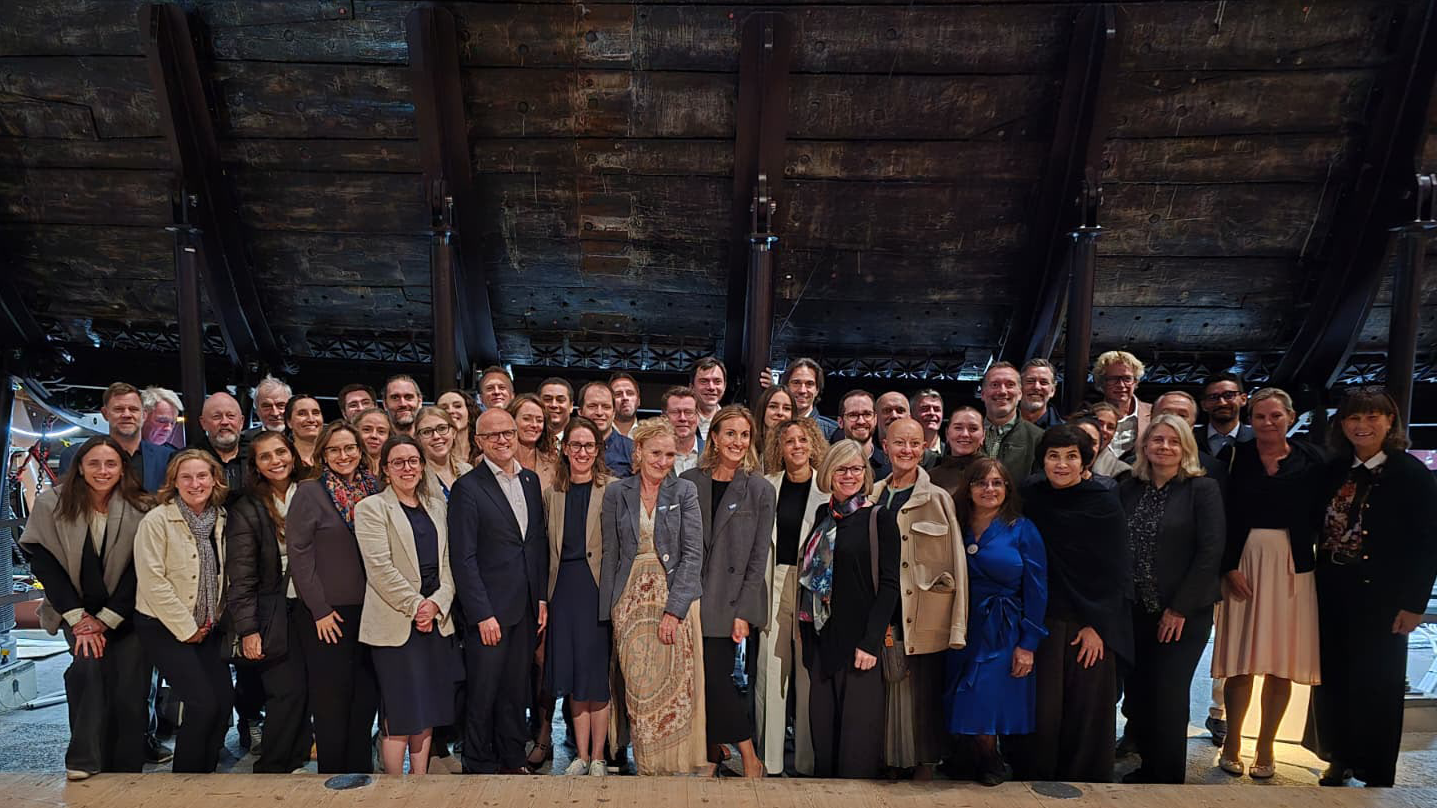
From Dialogue to Action: Ocean Foundations Gather in Stockholm

What can philanthropy accomplish when foundations working across ocean science, conservation, and sustainable development come together around a shared purpose?

That question was at the heart of the 6th UN Ocean Decade Foundations Dialogue, held September 7–9 in Stockholm, Sweden. The Khaled bin Sultan Living Oceans Foundation joined philanthropic organizations from around the world for three days of discussion, collaboration, and planning focused on accelerating progress during the second half of the UN Decade of Ocean Science for Sustainable Development.

Facilitated by UNESCO’s Intergovernmental Oceanographic Commission (IOC), the UN Ocean Decade Foundations Dialogue is a growing network of more than 30 philanthropic organizations committed to advancing ocean science, collaboration, and action. Since its creation within the framework of the Ocean Decade, the Dialogue has provided foundations with a space to exchange ideas, develop partnerships, and explore how philanthropy can help advance a healthy and resilient ocean.

Hosted by the Voice of the Ocean Foundation (VOTO), this year’s gathering began with From Depth to Action, an Opening Forum that brought nearly 100 leaders from the Swedish and international ocean community together at…

Read More

Meet IFAN: Helping Bring Navigate with Care to the Next Generation

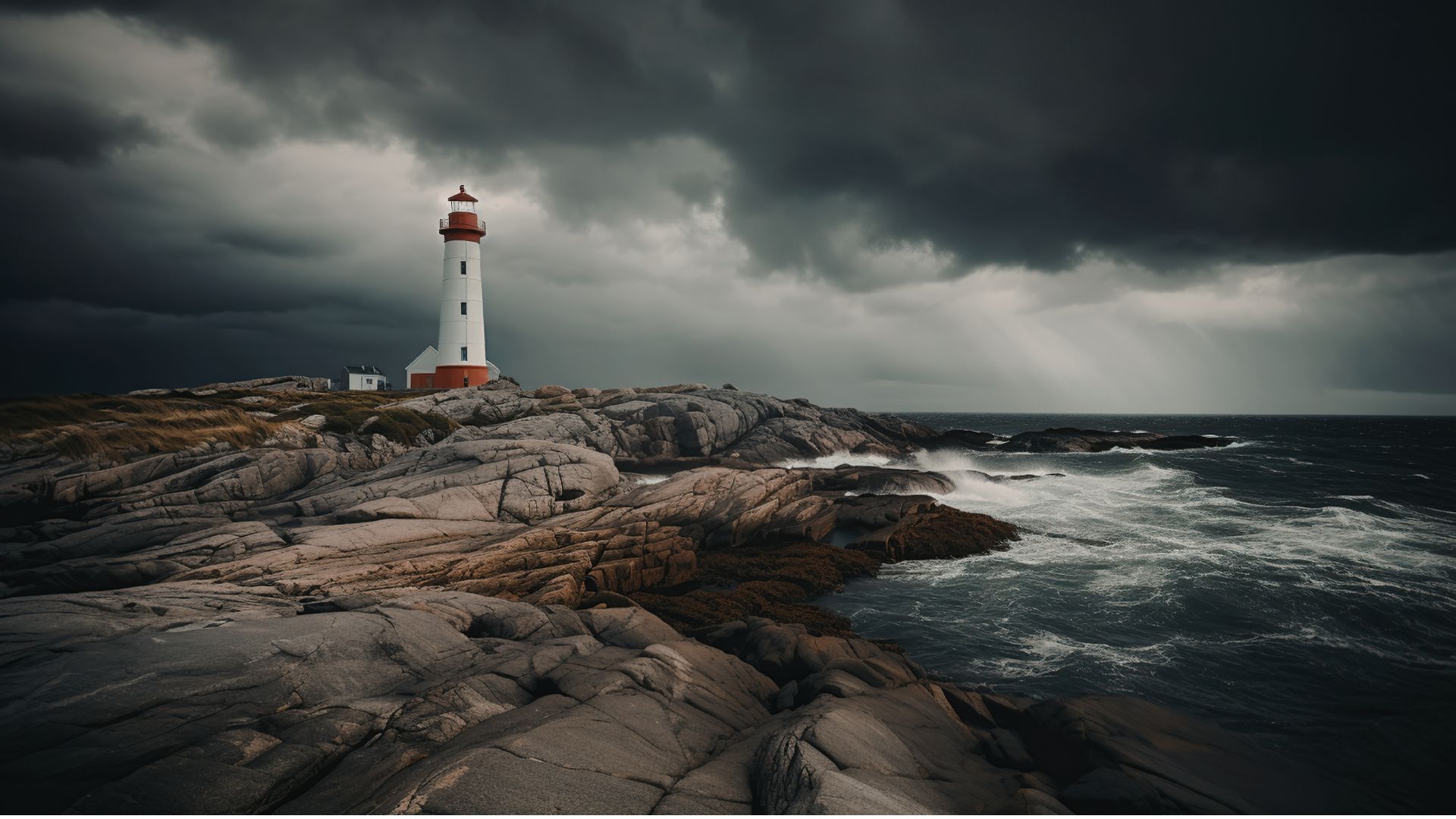
If you’ve ever seen a lighthouse flashing from the shore or a brightly colored buoy bobbing in the water, you’ve seen Aids to Navigation at work.

Aids to Navigation, often called AtoNs, help mariners navigate safely. They can mark channels, warn of hazards, help vessels determine their position, and provide other information people need to make safe decisions on the water. Around the world, these systems help guide everything from small recreational boats to large commercial or container ships. 

But safe navigation isn’t only about protecting vessels and the people aboard them. The choices mariners make can also affect the animals and ecosystems beneath and around them.

That connection between maritime safety and ocean conservation is at the heart of this year’s Science Without Borders® Challenge—and of our partnership with this year’s theme sponsor, the International Foundation for Aids to Navigation (IFAN).

Read More
Privacy Overview

This website uses cookies so that we can provide you with the best user experience possible. Cookie information is stored in your browser and performs functions such as recognising you when you return to our website and helping our team to understand which sections of the website you find most interesting and useful.  You can view our complete Privacy Policy here.

Strictly Necessary Cookies

Most of our cookies are used to improve website security and reduce spam. These cookies should be enabled at all times. They also enable us to save your preferences for cookie settings.

3rd Party Cookies

This website uses Google Analytics to collect anonymous information such as the number of visitors to the site, and the most popular pages. Keeping this cookie enabled helps us to improve our website.