
search-icon
A New Chapter in Science Communication for our Former Outreach Volunteer

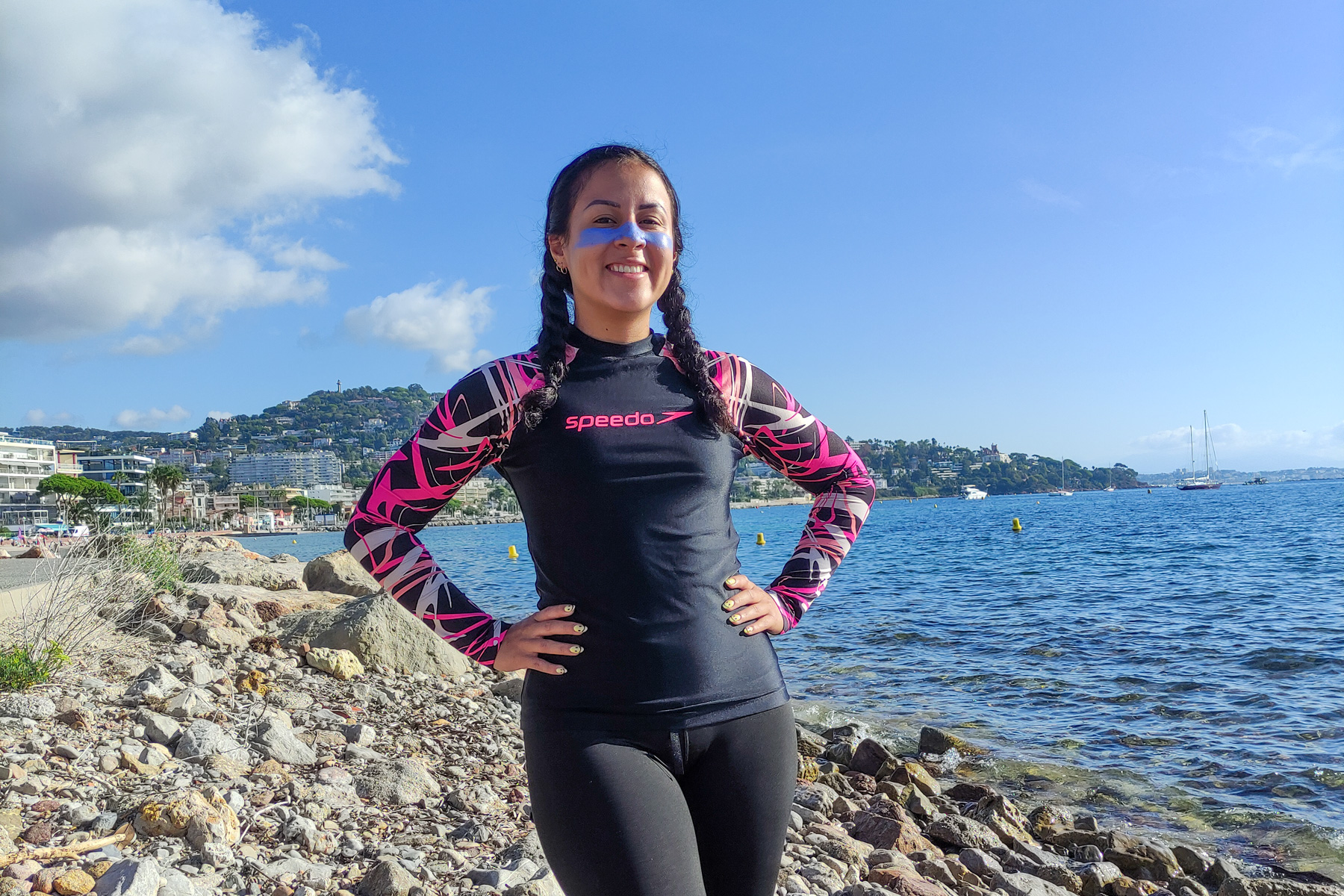
Luz Veronica Delvasto Algarin recently completed an internship as an outreach volunteer for the Living Oceans Foundation. In this blog, she discusses the value of this experience and how it provided her with the skills, experience, tools, and lessons that are helping her succeed in her new role as an outreach and communication assistant at the International Hydrographic Organization.

After six months of being the Outreach Volunteer for the Living Oceans Foundation, where I created informative social media content like the “All About Mangroves” and “The Ocean & Us” video series, I’m excited to share my next step! I’m embarking on a new journey as the Outreach & Communication Assistant and the “Empowering Women in Hydrography (EWH)” Project Assistant for the International Hydrographic Organization (IHO) Secretariat.

For those who don’t know, hydrography is all about measuring and describing the physical features of oceans, seas, lakes, rivers, and coastlines. It also helps predict how these features might change over time. The main goal is to keep navigation safe, but it also supports other activities like economic growth, security, research, and protecting the marine environment.

Based on this, the IHO was created to ensure that all the world’s seas, oceans, and navigable waters are properly surveyed and charted. Since 1921, the IHO has played a crucial role in coordinating the activities of national hydrographic offices and promoting uniformity in nautical charts and maritime products.

My New Role at the IHO Secretariat

In this new position, I’ll be actively supporting the EWH project, alongside assisting with the IHO Secretariat’s Public Relations and Communications initiatives. I’m thrilled to continue along my path in science communication, working to raise public awareness of ocean knowledge and the critical role of scientific advancements.

Continuing My Passion for Ocean Knowledge

I’m incredibly grateful for the opportunity to stay immersed in the world of science communication, a field that I’m deeply passionate about. This new role allows me to not only promote gender balance in hydrography but also to further share my love for ocean literacy with a wider audience.

I am looking forward to continuing to contribute to ocean literacy and raising awareness about the vital role our oceans play in shaping our world. I’m also deeply grateful to the Living Oceans Foundation for providing me with the skills, experience, tools, and lessons that will help me succeed in this new role.


The Khaled bin Sultan Living Oceans Foundation would like to thank Luz for volunteering to work with us this year, and for everything she has done for the Foundation during her time with us. We wish her luck in her new role and are thrilled she was able to secure such a wonderful position in her field.
Related Posts

From Dialogue to Action: Ocean Foundations Gather in Stockholm

What can philanthropy accomplish when foundations working across ocean science, conservation, and sustainable development come together around a shared purpose?

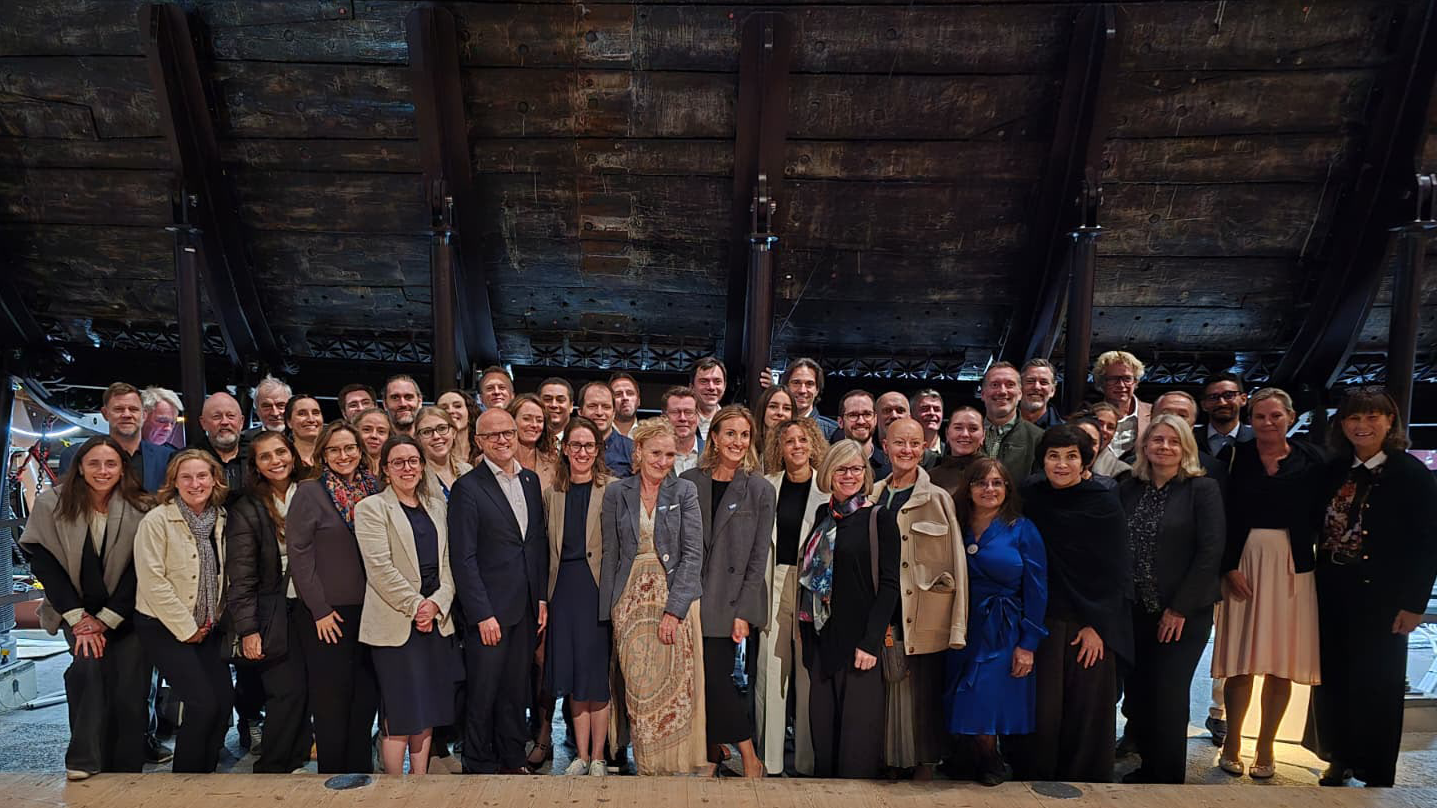
That question was at the heart of the 6th UN Ocean Decade Foundations Dialogue, held September 7–9 in Stockholm, Sweden. The Khaled bin Sultan Living Oceans Foundation joined philanthropic organizations from around the world for three days of discussion, collaboration, and planning focused on accelerating progress during the second half of the UN Decade of Ocean Science for Sustainable Development.

Facilitated by UNESCO’s Intergovernmental Oceanographic Commission (IOC), the UN Ocean Decade Foundations Dialogue is a growing network of more than 30 philanthropic organizations committed to advancing ocean science, collaboration, and action. Since its creation within the framework of the Ocean Decade, the Dialogue has provided foundations with a space to exchange ideas, develop partnerships, and explore how philanthropy can help advance a healthy and resilient ocean.

Hosted by the Voice of the Ocean Foundation (VOTO), this year’s gathering began with From Depth to Action, an Opening Forum that brought nearly 100 leaders from the Swedish and international ocean community together at…

Read More

Meet IFAN: Helping Bring Navigate with Care to the Next Generation

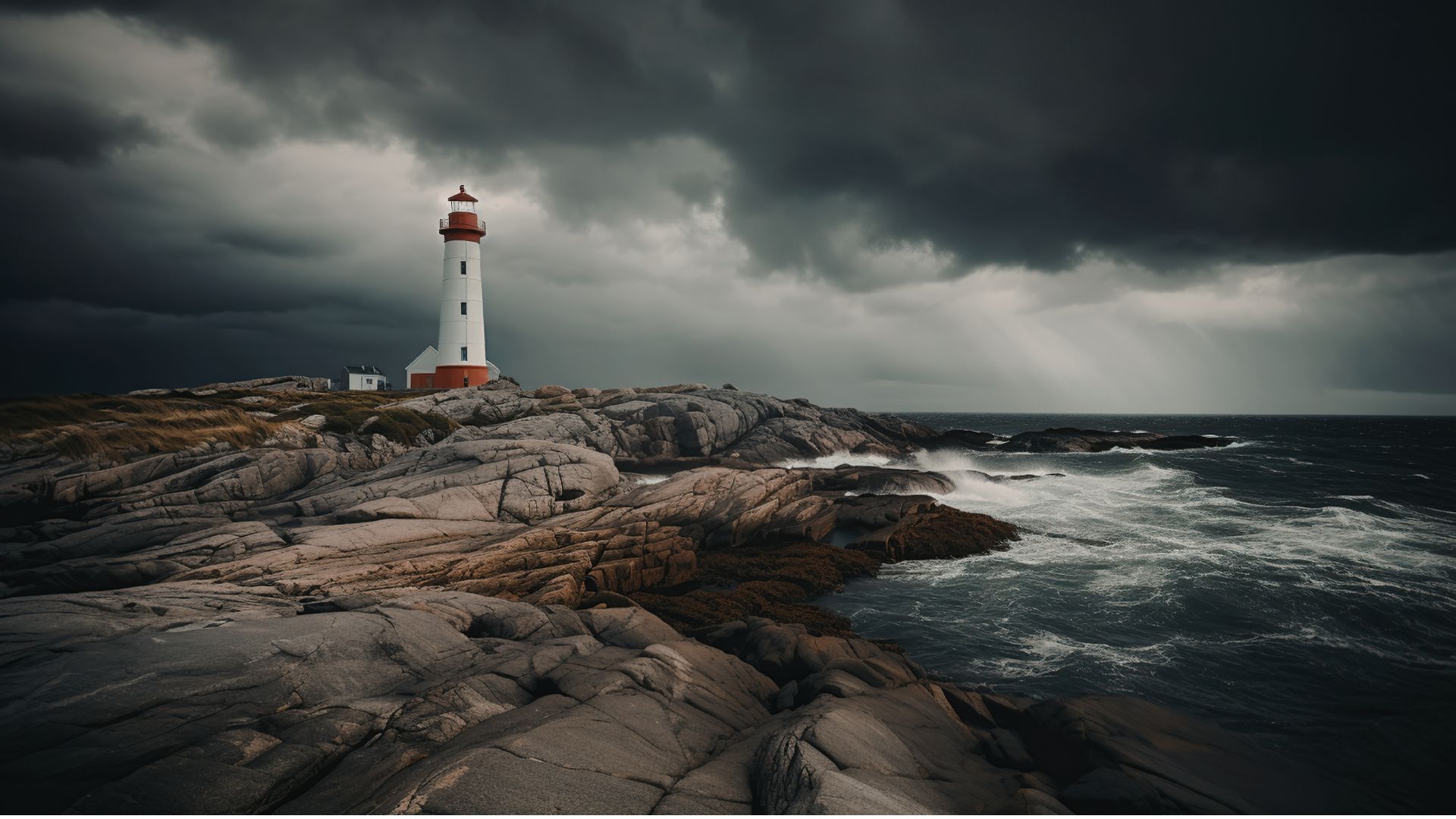
If you’ve ever seen a lighthouse flashing from the shore or a brightly colored buoy bobbing in the water, you’ve seen Aids to Navigation at work.

Aids to Navigation, often called AtoNs, help mariners navigate safely. They can mark channels, warn of hazards, help vessels determine their position, and provide other information people need to make safe decisions on the water. Around the world, these systems help guide everything from small recreational boats to large commercial or container ships. 

But safe navigation isn’t only about protecting vessels and the people aboard them. The choices mariners make can also affect the animals and ecosystems beneath and around them.

That connection between maritime safety and ocean conservation is at the heart of this year’s Science Without Borders® Challenge—and of our partnership with this year’s theme sponsor, the International Foundation for Aids to Navigation (IFAN).

Read More
Privacy Overview

This website uses cookies so that we can provide you with the best user experience possible. Cookie information is stored in your browser and performs functions such as recognising you when you return to our website and helping our team to understand which sections of the website you find most interesting and useful.  You can view our complete Privacy Policy here.

Strictly Necessary Cookies

Most of our cookies are used to improve website security and reduce spam. These cookies should be enabled at all times. They also enable us to save your preferences for cookie settings.

3rd Party Cookies

This website uses Google Analytics to collect anonymous information such as the number of visitors to the site, and the most popular pages. Keeping this cookie enabled helps us to improve our website.