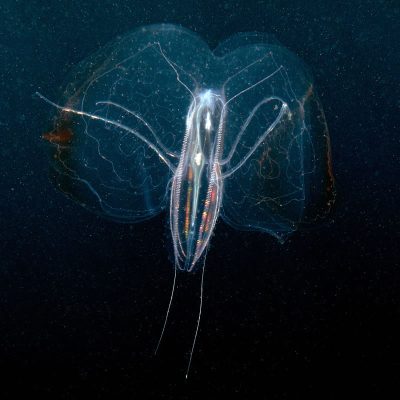
Ctenophores Galore
Brightly colored sea stars are a regular occurrence on our survey dives. We only tend to notice them when we see a new and highly decorated species or dive a site where they are highly abundant. One survey dive we


Brightly colored sea stars are a regular occurrence on our survey dives. We only tend to notice them when we see a new and highly decorated species or dive a site where they are highly abundant. One survey dive we
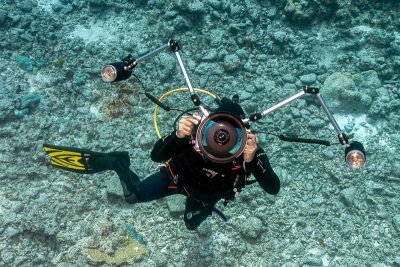
In 2003, my wife and I immigrated to Far North Queensland, Australia – gateway to the Great Barrier Reef. Throughout the years, we take every opportunity to hop on a dive live-aboard or join scientific expeditions to spend as many
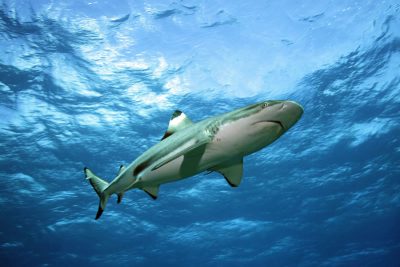
Sharks are a natural component of coral reef ecosystems, where they occupy the role of top-order predators. Reef sharks are important to the overall health of the coral reef assemblage, and their presence is generally an indication of a coral
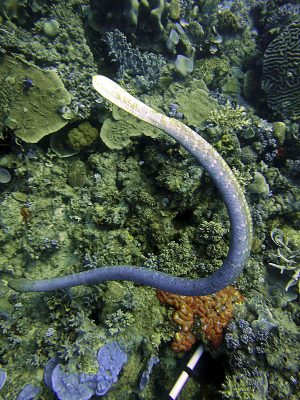
Let me tell you about yesterday’s wonderful (seriously) sea snake encounter while it’s still fresh in my mind. First of all, up here in the northern Great Barrier Reef we’re getting close to saltwater crocodile territory. They can grow to
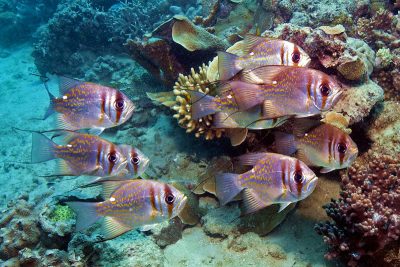
As we travel across the Pacific Ocean during the course of the Global Reef Expedition we encounter many species of fishes on our survey dives. Many are widespread species that we see in most of the countries we visit though
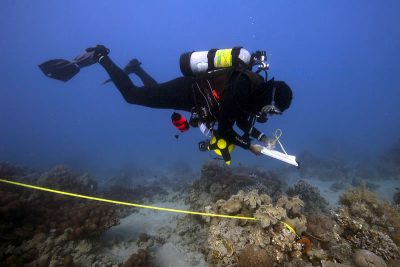
Sitting at 25 m (82 ft) wrapped in a completely tangled metallic chain that would make Mr. T envious, I often ask, “What have I gotten myself into?” Indeed, one may wonder why anyone would want to take a long,
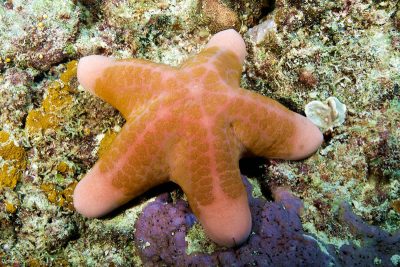
The most familiar members of the phylum Echinodermata are the sea stars (aka starfish). Also contained within this phylum are diverse members such as sea cucumbers, crinoids, brittle stars, and sea urchins. Echinoderms possess an interesting body shape known as
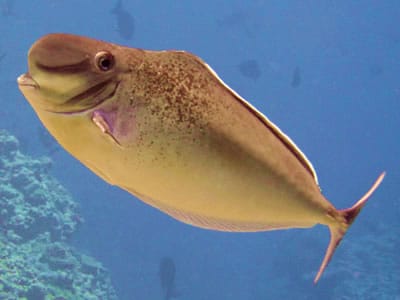
As fish surveyors, our job is to identify, count, and size all the fish we see within 30m x 4 m transect lines. To do this, we drop one end of our transect tapes at 10m depth, and swim slowly
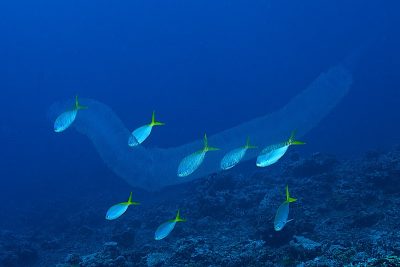
Several of us have encountered a free-floating colonial tunicate during our dives on leeward reefs. Known as Pyrosomes (from the Greek, pyro = fire and soma = body), these unusual tunicates consist of cylindrical- or conical-shaped colonies made up of
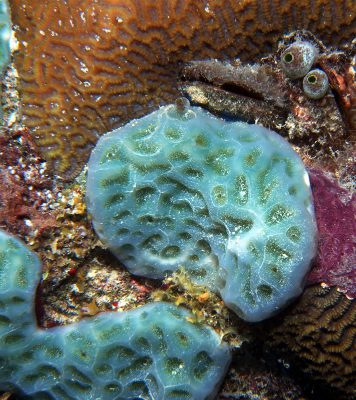
Tunicates, commonly called sea squirts include a diverse assemblage of invertebrates that are usually attached to the bottom, but also include 10 species that live in the water column. These invertebrates share some similarities with vertebrates by having a tail,