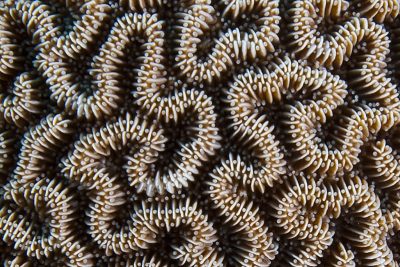
An Unusual Endemic Coral
Expedition Log: BIOT – Day 6 A species is said to be endemic if it is confined to a defined region like an island, country or geographical zone. As we move our research from the West Pacific to the Indian


Expedition Log: BIOT – Day 6 A species is said to be endemic if it is confined to a defined region like an island, country or geographical zone. As we move our research from the West Pacific to the Indian
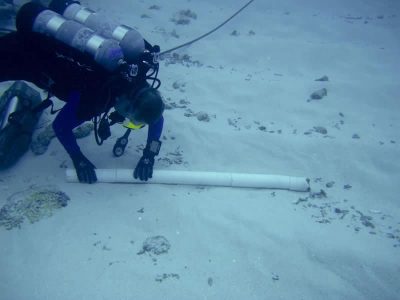
Expedition Log: BIOT – Day 5 Today we hear from Konrad Hughen, Senior Scientist at the Woods Hole Oceanographic Institution, about the process of coral coring and how it is being used to measure changes in climate in this remote
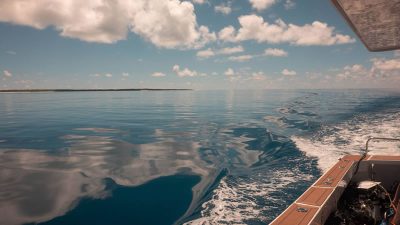
Expedition Log: BIOT – Day 1 We have just arrived at the Chagos Archipelago to study some of the most remote reefs on the planet for the latest leg of the Global Reef Expedition. M/Y Golden Shadow has just completed
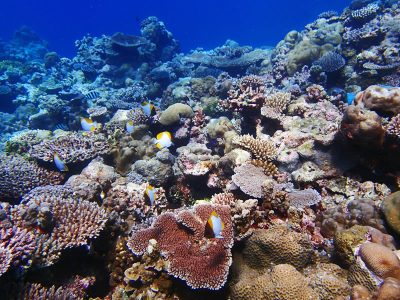
Expedition Log: Palau – Day 21 Today is the last day the Global Reef Expedition’s mission to Palau. Over the last five weeks our team of scientists surveyed 85 different coral reefs, stretching from Angaur in the south, through the
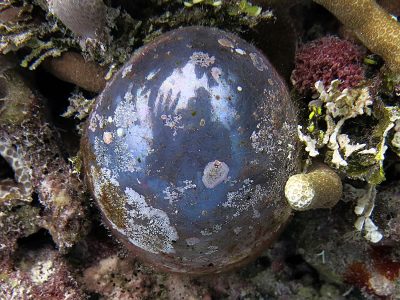
Expedition Log: Palau – Day 19 Algae, often referred to as “seaweed,” are underwater “plants” that, unlike land plants, lack a vascular system. Algae live underwater and obtain water, nutrients, and sunlight directly from the environment. Because algae don’t need
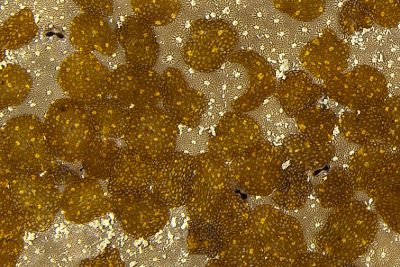
Expedition Log: Palau – Day 13 On a previous mission someone had taken a photo of a coral with a strange patchy brownish “discoloration.” When I was asked if I had any idea what was being shown in the picture
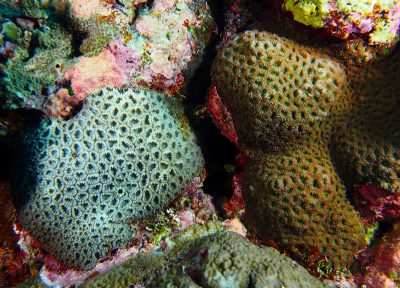
Expedition Log – Day 12 One of the largest challenges for our coral surveys is the proper identification of the corals. When measuring and counting corals along transects we rarely identify them to species, mainly because there are some 450
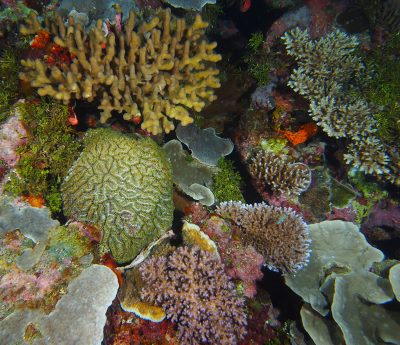
Expedition Log: Palau – Day 11 On most of the barrier reefs we’ve examined off the south and west coast of Palau, the coral community has been thriving, with 60-90% of the bottom covered in a diverse assemblage of branching,
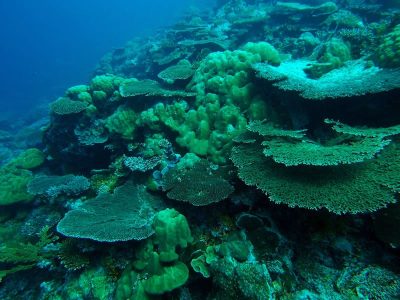
Expedition Log: Palau – Day 8 1998 was a bad year for coral reefs. In many parts of the Indian and Pacific Oceans an unprecedented coral bleaching event swept across the reefs, killing much of the coral. In some countries,
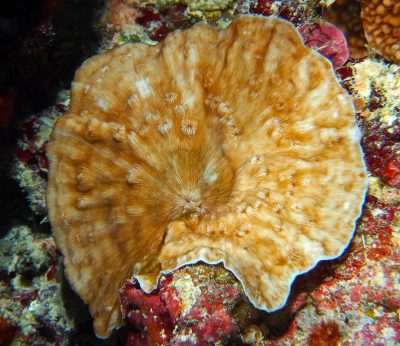
Expedition Log: Palau – Day 5 Usually we find the most delicate corals in protected deeper lagoonal waters. Species such as Anacropora, a cousin of Acropora which forms bushes of long spindly branches, up to a meter tall but only