search-icon
Classroom Impressions

Tonga Coral Education Program Blog (from October 20, 2015)

After meetings with different ministries and bouncing between schools to set up appointments to meet with the students we previously tutored on coral reef ecology, I finally get to set foot in a Tongan classroom.

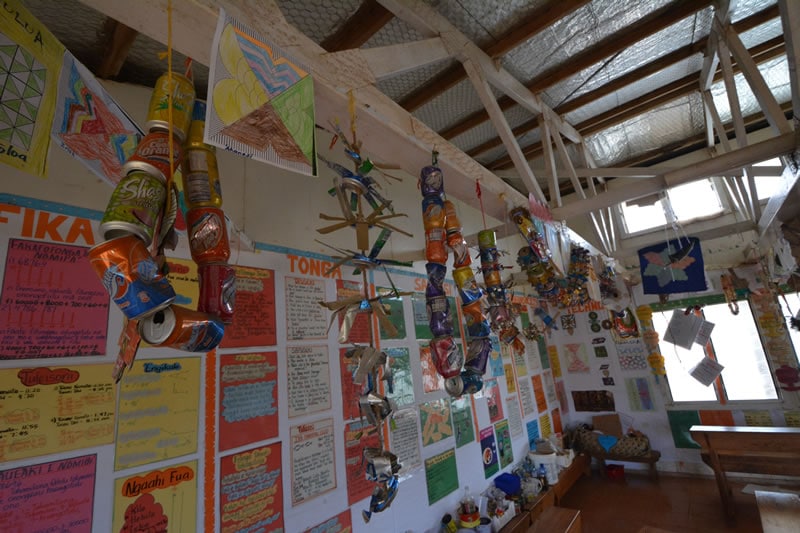
We patiently wait outside as the teachers and principal of Government Primary School (GPS) Liviela gather the students for us.  Then we are ushered in and introduced.  My eyes dart around the room, soaking in every detail possible. The adorable students, listening attentively. Walls covered with colorful learning materials. Students’ work hanging from the ceiling.
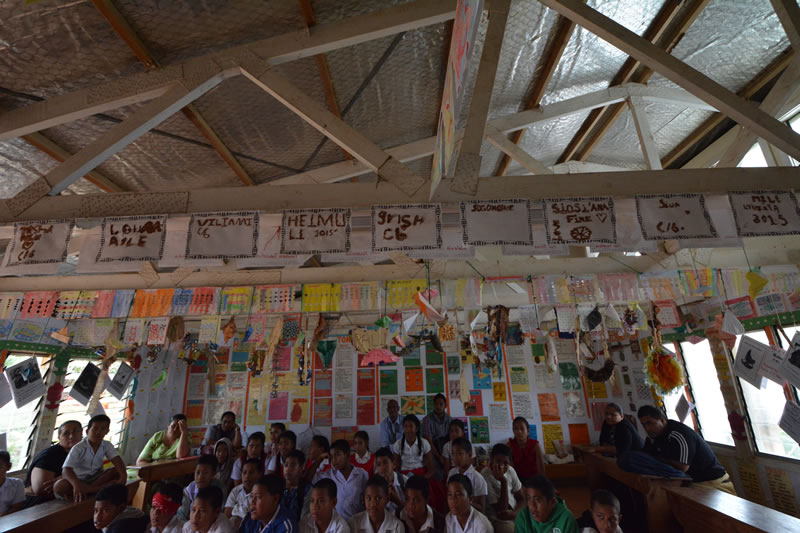
Tongan school displays students work
Classroom at Government Publics School Liviela

As a former high school teacher, it is engrained in me to soak up the details of other teachers’ classrooms for ideas to use. In my first Tongan classroom, I wonder what teachers from another country would think while looking at some of my old classrooms. What details would they be curious to learn more about?

This question springs to my mind as I start to examine the students’ work from Liviela. Kites made from tapas intrigue me. Is this the material that was available or did they make it specifically for the kites?  In the row behind the kites, I see leis made from aluminum cans, some cut to look like flowers. Do they know about the eco-art movement?  Reduce, REUSE, recycle…
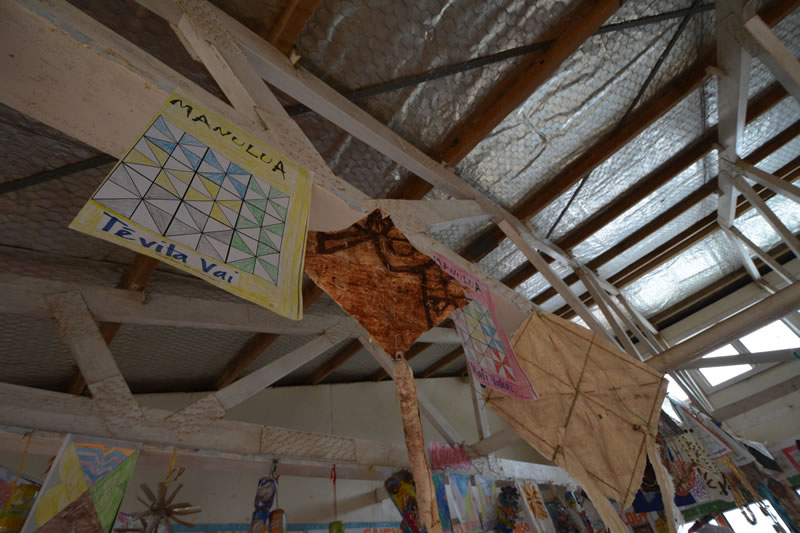
Kites made by Tongan school students Tongan Classroom Impressions
Student art work hanging from the ceiling of GPS Liviela.

There are images of fruits and vegetables to help the children learn their colors. Red for tomatoes, lime green, and instead of bananas for yellow, I see they use pineapple instead.

Cute tree cutouts have pairs of opposite words, like near-far and open-close. Above, hang photocopies of stories, like “My Dog” and “A Clear Day”. A schedule of the day is laid out on bright orange paper. This classroom is warm and inviting, a terrific learning environment.

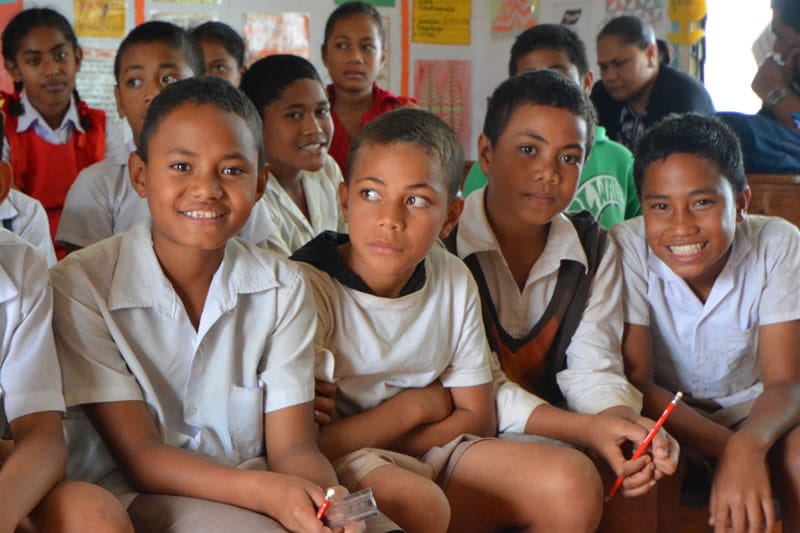
My favorite sight at the GPS? The smiling faces, of course.
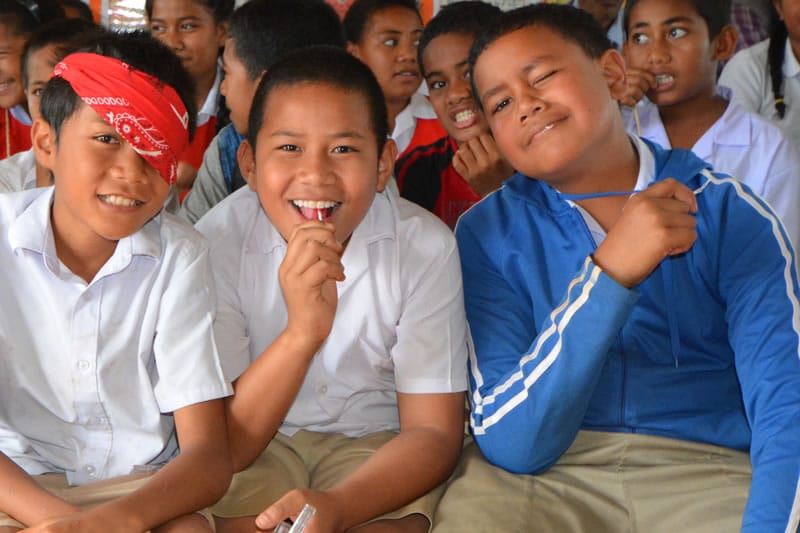
Tongan school students are all smiles during our visit Tongan school students smiling
The students at GPS Liviela were all smiles for the camera.

A few days later, we spent some time at some high schools. Once again, I soaked in the sights, this time with a personal connection as I taught at the high school level.  I chuckle because, even in Tonga, high school classrooms have much less in the way of decorations and informative posters. Primary school lends itself to more pictures. What covers the walls in the science rooms of Tonga is very familiar. There is the required periodic table, which causes me to smile and nod as I see it. Then, my eyes pop out as I realize the mitosis images I see pinned to the wall are ones I have used myself and I realize they are from The Biology Coloring Book, a very useful resource. Even the microscopes that were left out in the other school look exactly the same as the ones I used in all of the schools where I have taught.
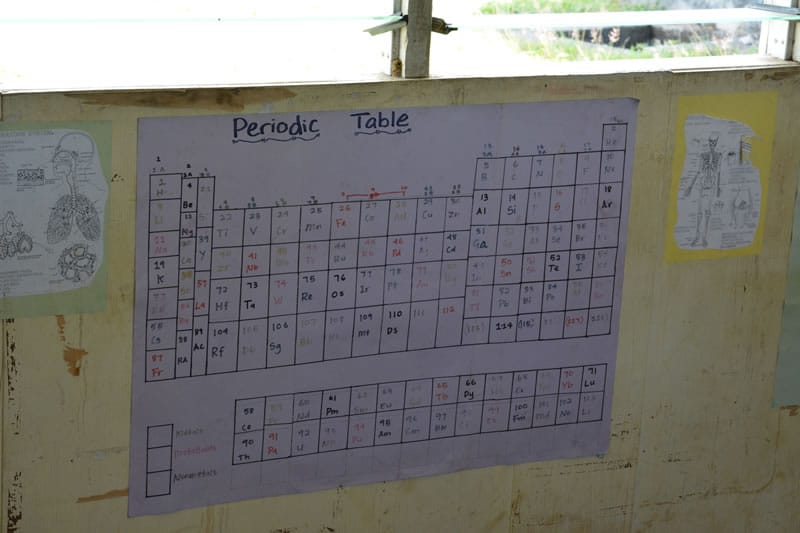
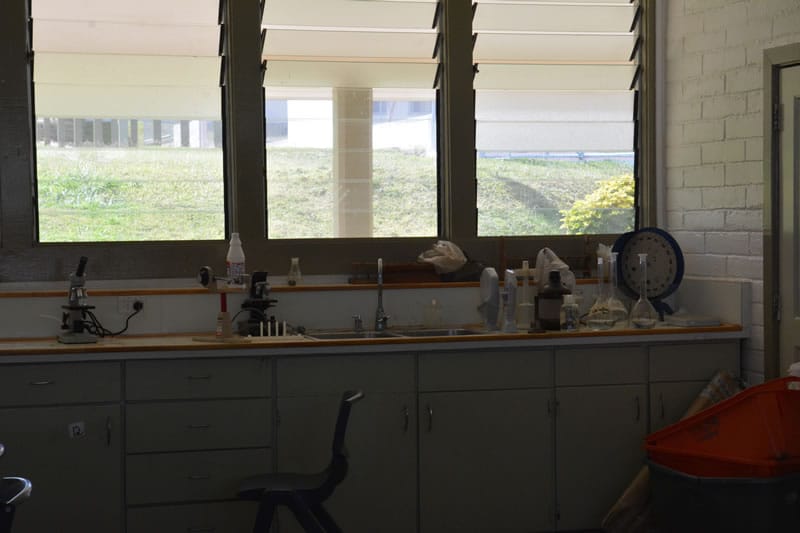
Periodic table on the wall at a Tongan school Science lab at a Tongan school
Science classrooms need a periodic table and lab equipment.

It just goes to show that even though the language may change, school is the same on either side of the world. There are flash cards, colorful posters, and student work gracing the classrooms all around the globe. And don’t forget those smiling faces, eager to learn!
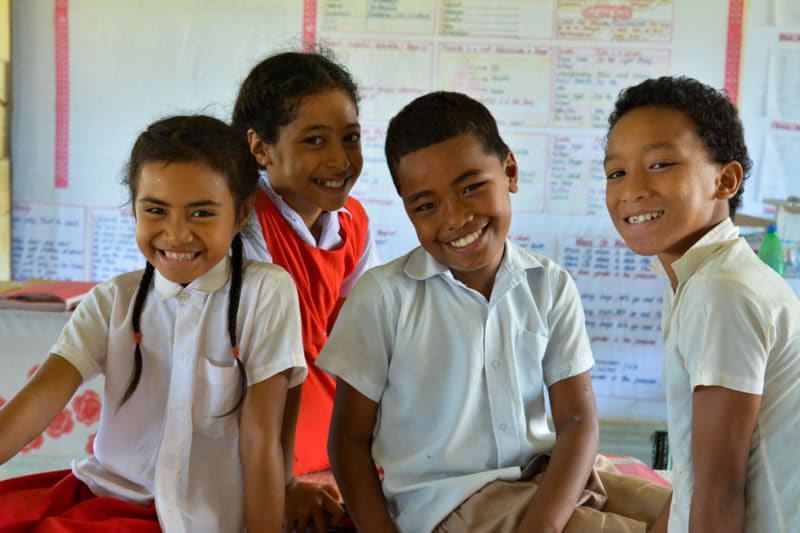
Tongan school students ready to learn

Photos by Melinda Campbell

Related Posts

Meet IFAN: Helping Bring Navigate with Care to the Next Generation

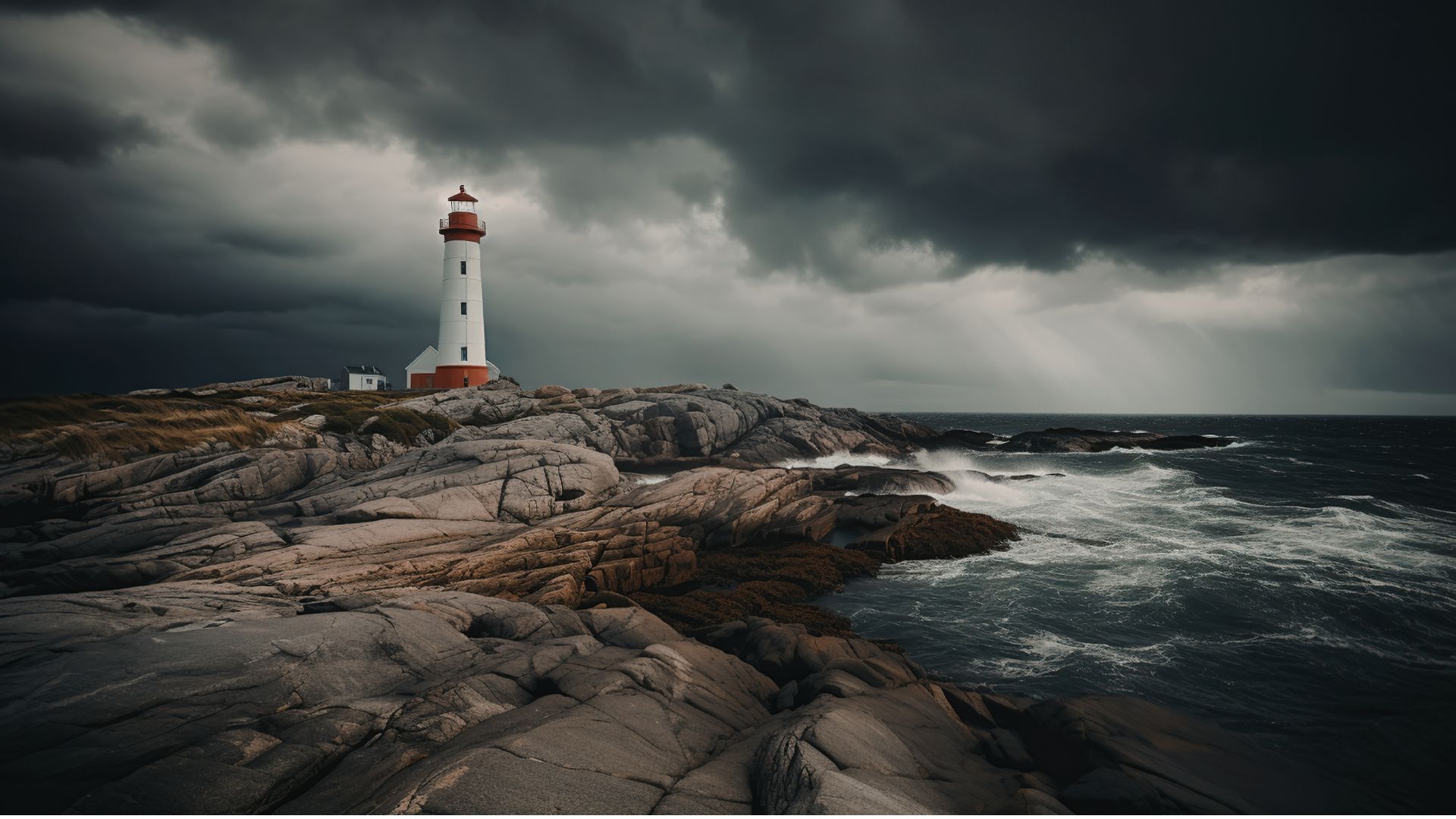
If you’ve ever seen a lighthouse flashing from the shore or a brightly colored buoy bobbing in the water, you’ve seen Aids to Navigation at work.

Aids to Navigation, often called AtoNs, help mariners navigate safely. They can mark channels, warn of hazards, help vessels determine their position, and provide other information people need to make safe decisions on the water. Around the world, these systems help guide everything from small recreational boats to large commercial or container ships. 

But safe navigation isn’t only about protecting vessels and the people aboard them. The choices mariners make can also affect the animals and ecosystems beneath and around them.

That connection between maritime safety and ocean conservation is at the heart of this year’s Science Without Borders® Challenge—and of our partnership with this year’s theme sponsor, the International Foundation for Aids to Navigation (IFAN).

Read More
OceanImageBank_TheOceanAgency_Bleaching_16-scaled-1

Coral Bleaching Awareness Month: Giving Coral Reefs a Chance to Recover

For hundreds of millions of years, coral reefs have supported life in our oceans. Although they cover less than 1% of the ocean floor, they provide habitat for at least 25% of all marine species. They also support people around the world by sustaining fisheries and tourism, providing food and livelihoods, and helping protect coastlines from waves and storms.

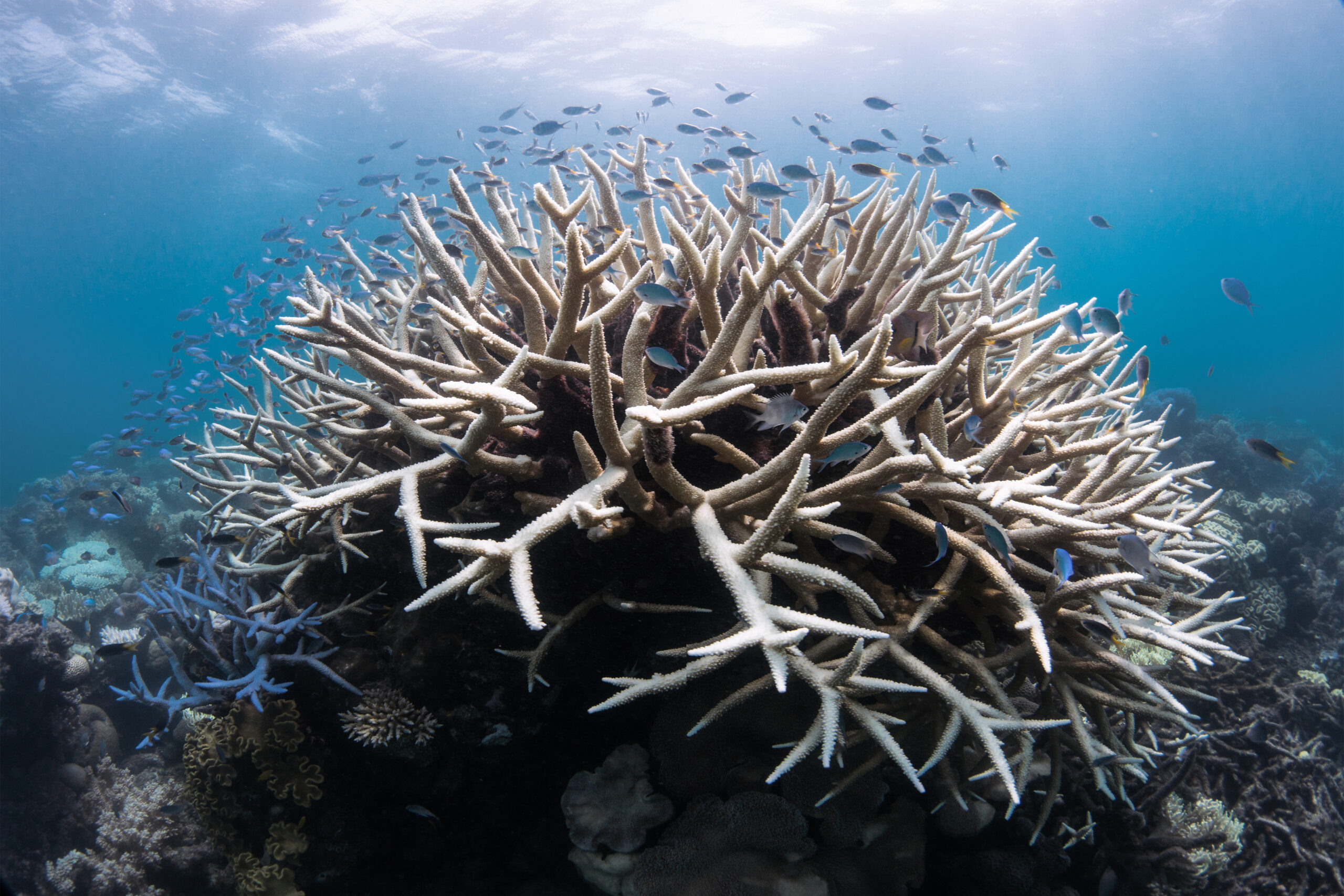
But coral reefs are under increasing pressure. Pollution, overfishing, coastal development, physical damage, and increasingly warm ocean temperatures can all affect reef health. One of the most visible signs that a coral reef is under stress is coral bleaching.

This September, in recognition of Coral Bleaching Awareness Month, we’re taking a closer look at what happens when corals bleach, why bleaching matters, and what scientists around the world are doing to better understand, protect, and restore coral reefs.

Read More
Privacy Overview

This website uses cookies so that we can provide you with the best user experience possible. Cookie information is stored in your browser and performs functions such as recognising you when you return to our website and helping our team to understand which sections of the website you find most interesting and useful.  You can view our complete Privacy Policy here.

Strictly Necessary Cookies

Most of our cookies are used to improve website security and reduce spam. These cookies should be enabled at all times. They also enable us to save your preferences for cookie settings.

3rd Party Cookies

This website uses Google Analytics to collect anonymous information such as the number of visitors to the site, and the most popular pages. Keeping this cookie enabled helps us to improve our website.