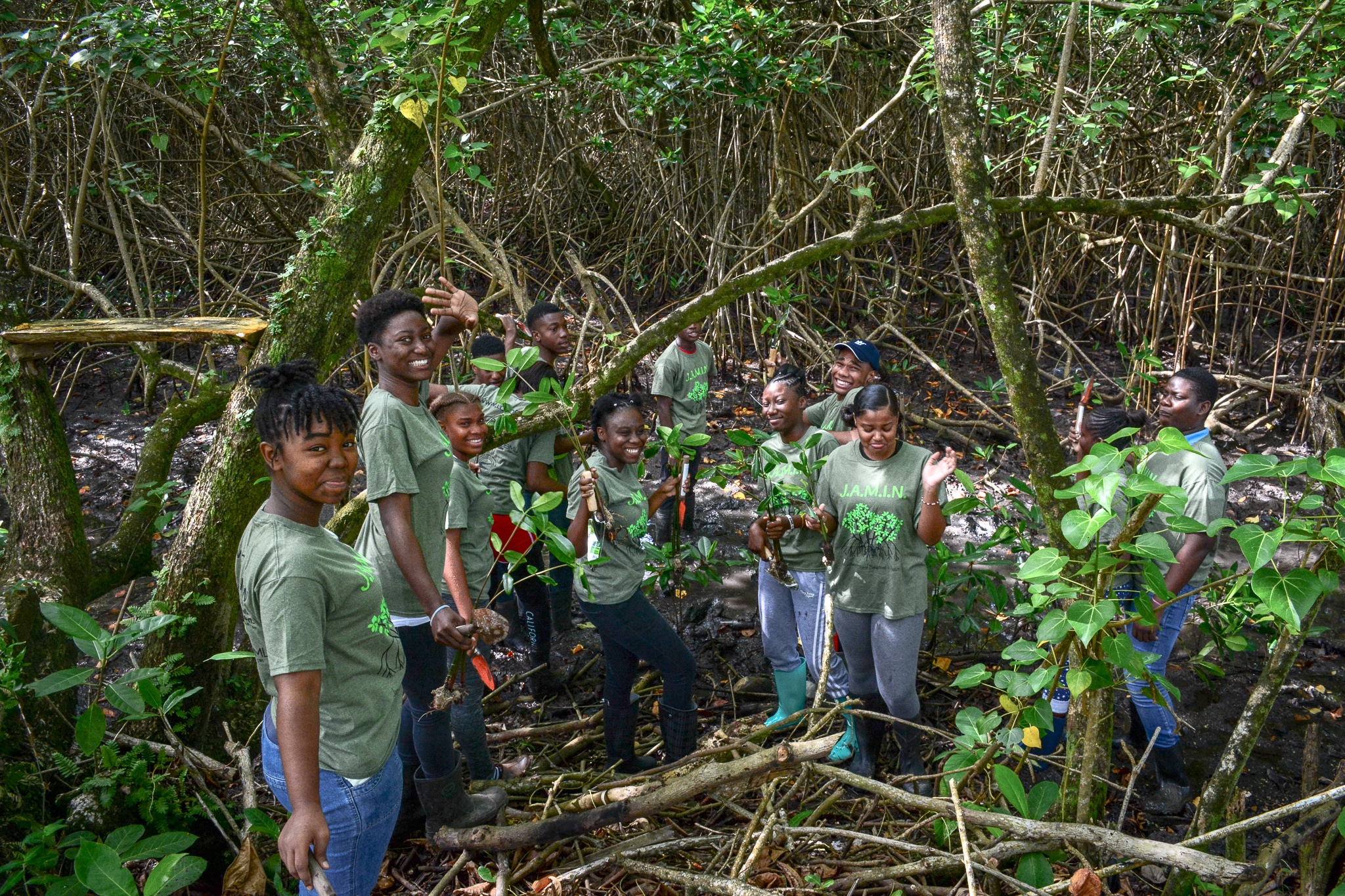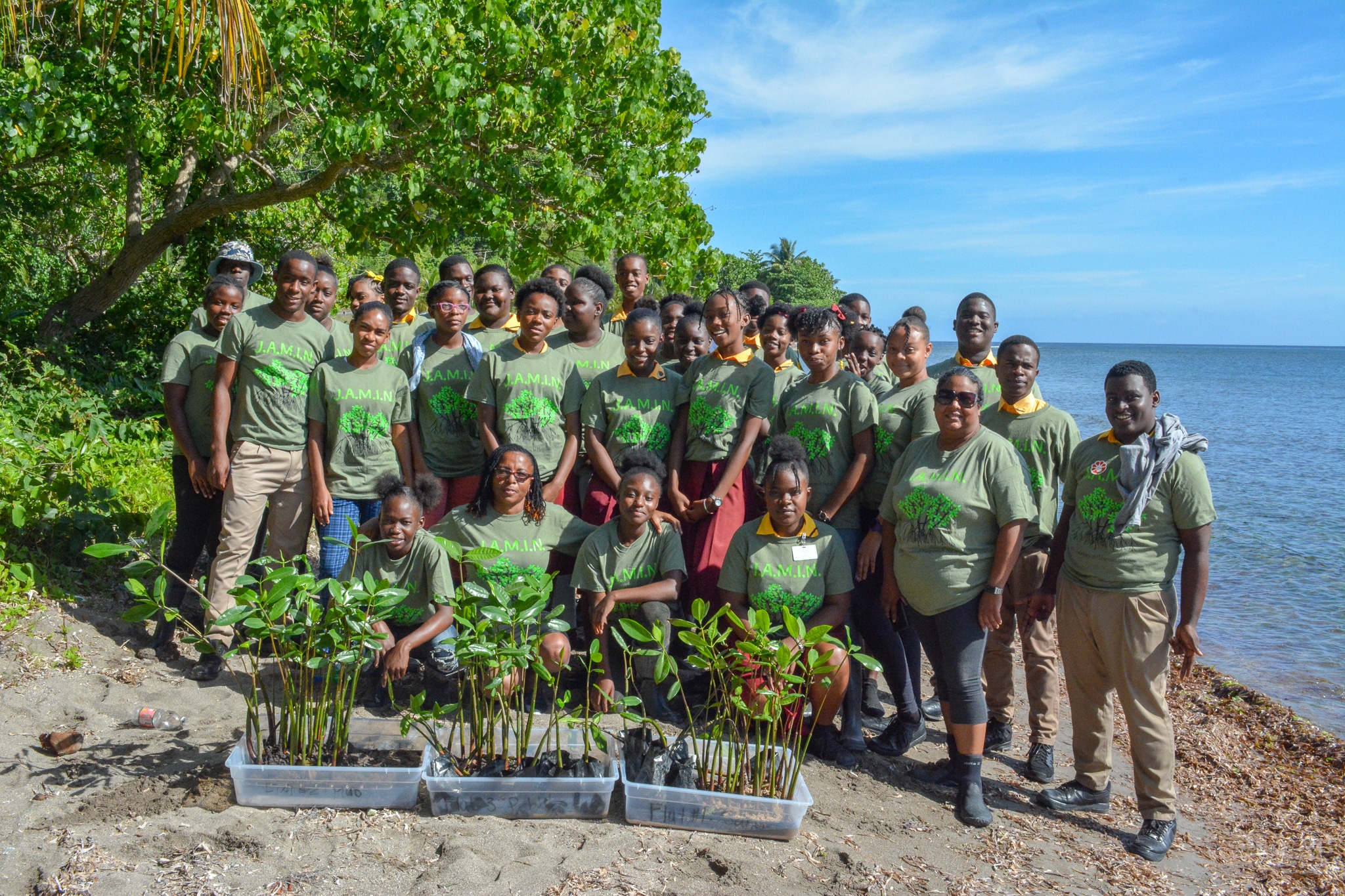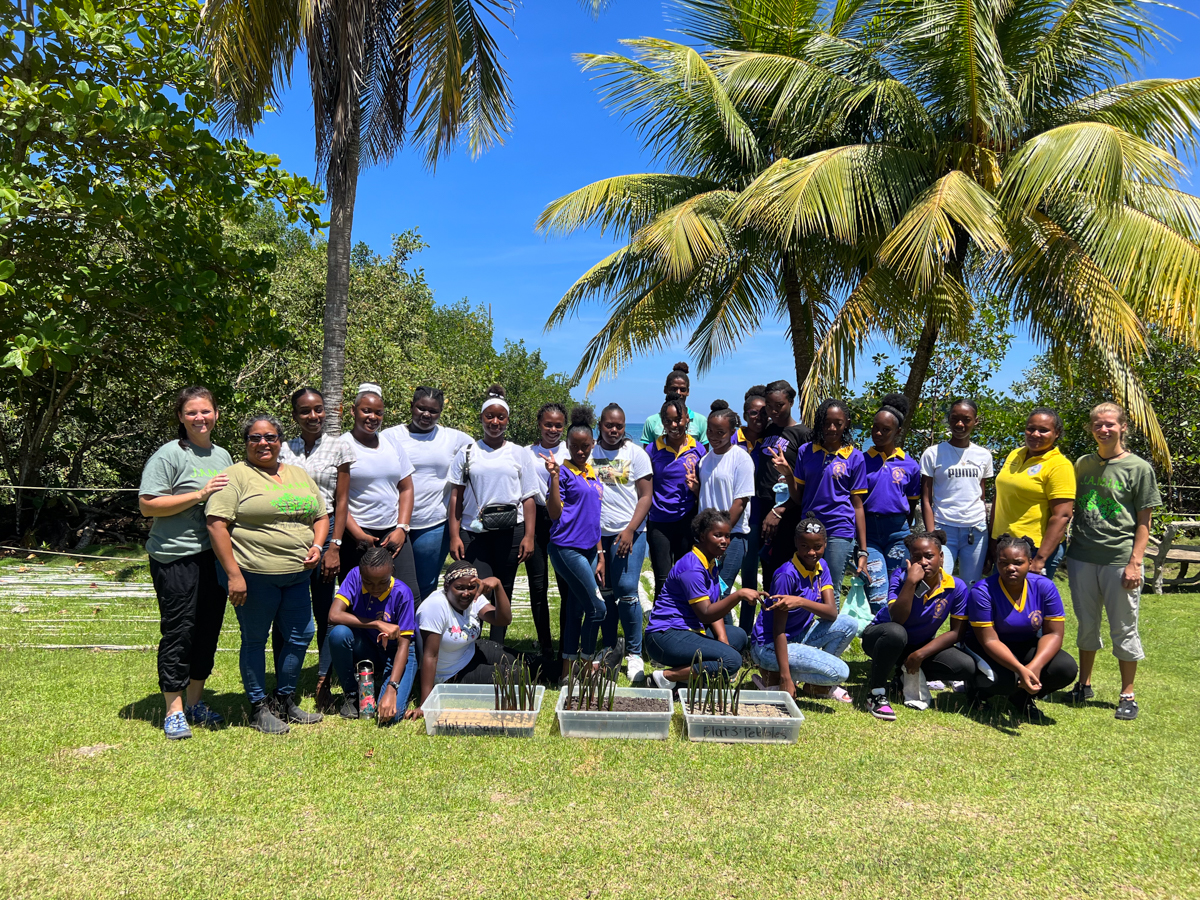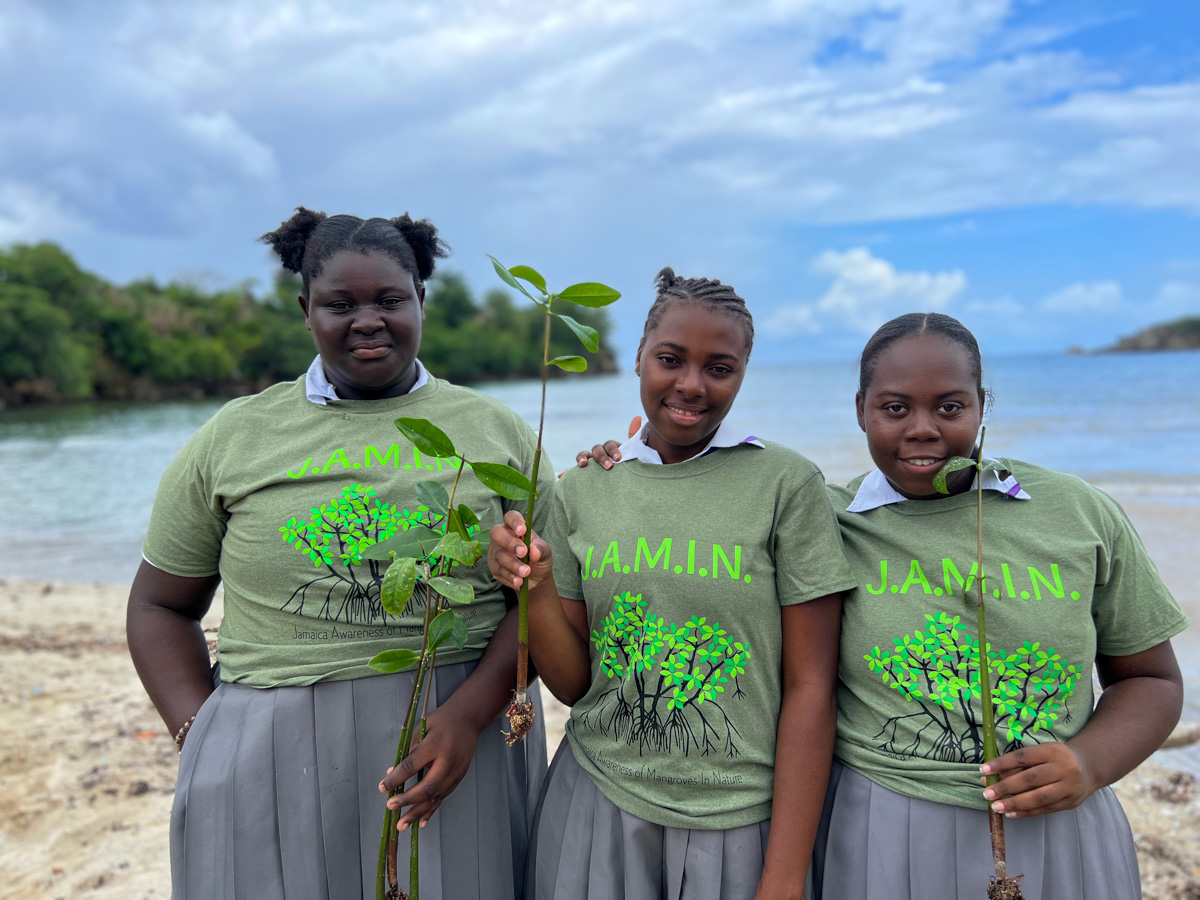
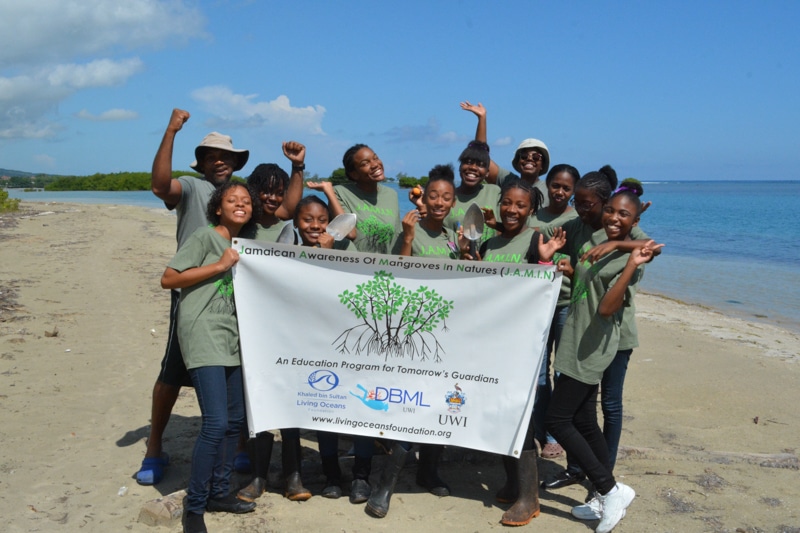
For over ten years, the Khaled bin Sultan Living Oceans Foundation has empowered Jamaican students to protect and restore one of their most valuable natural resources—mangrove forests. Mangroves are vital to coastal communities, protecting shores from storms, filtering water, and supporting diverse marine life. However, due to widespread threats like development and deforestation, these ecosystems are disappearing at an alarming rate. With the Jamaica Awareness of Mangroves in Nature (J.A.M.I.N.) program, we’ve set out to reverse this decline by educating and engaging the next generation of environmental stewards.
In 2014, we partnered with the University of the West Indies Discovery Bay Marine Laboratory to implement the program. J.A.M.I.N. offers secondary students and teachers in Jamaica an immersive experience to learn about, restore, and monitor mangrove forests. Over the last decade, the program has expanded and grown with partnerships, including collaborations with the Alligator Head Foundation, Dr. Ryann Rossi, Seville Heritage Trust, EarthEcho International, Sea The Change, and Playa Hotels & Resorts, bringing the program and opportunities to even more students and communities.
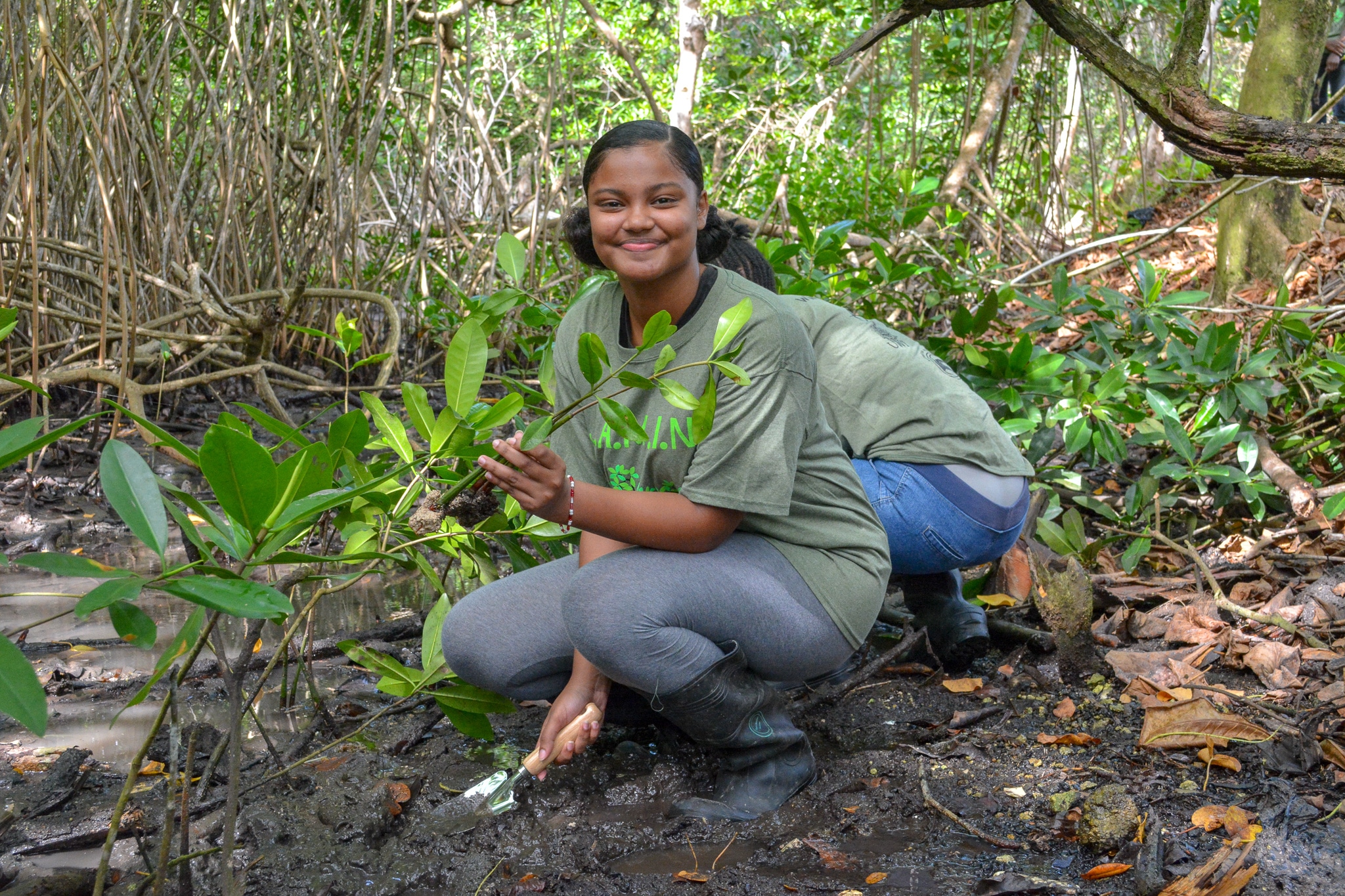
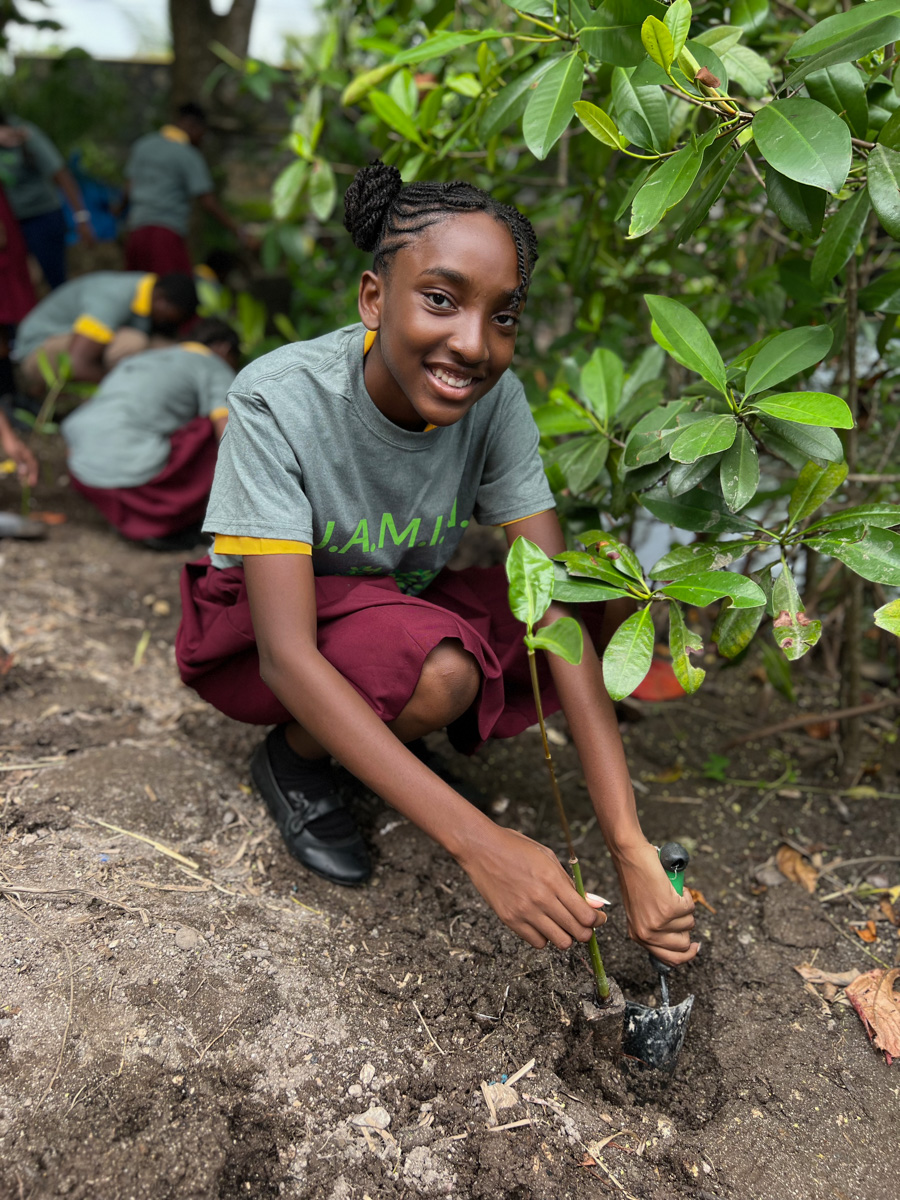
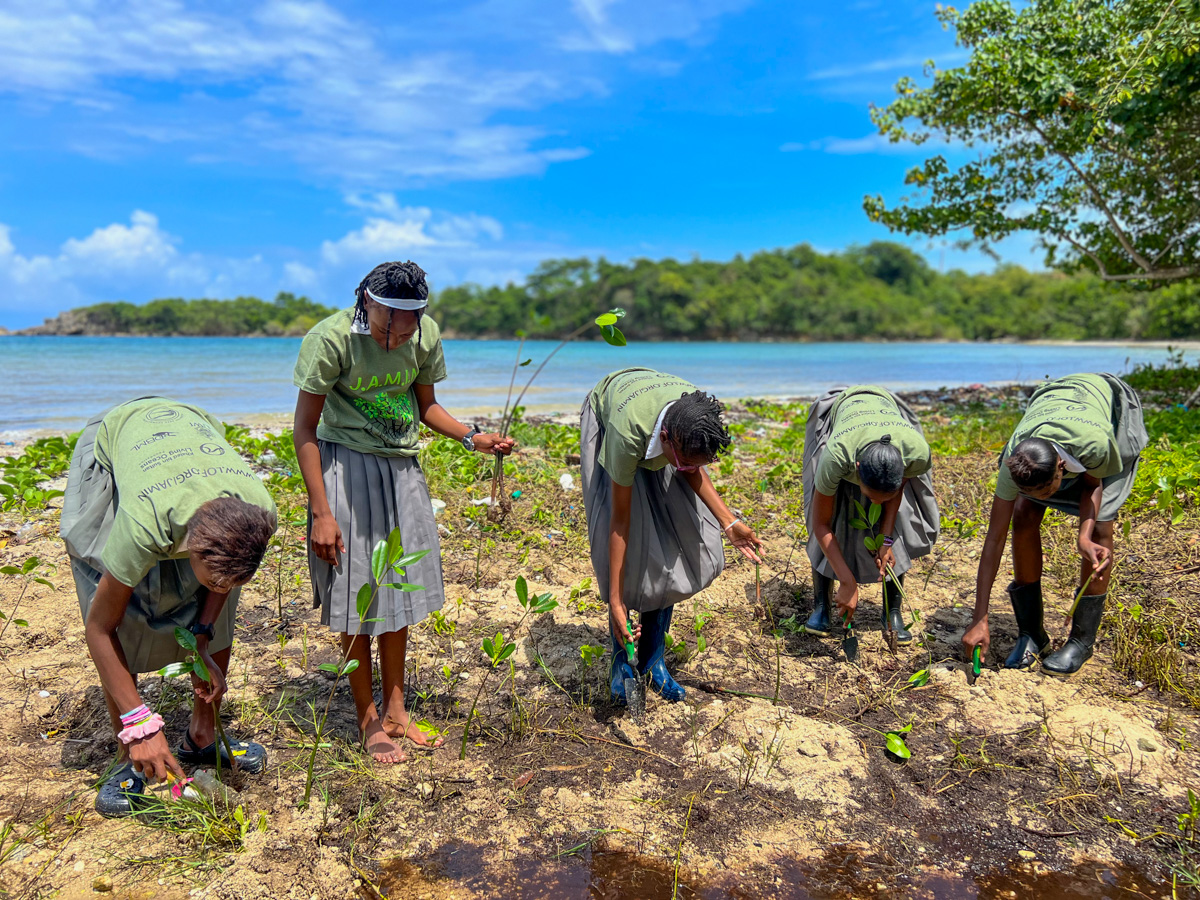
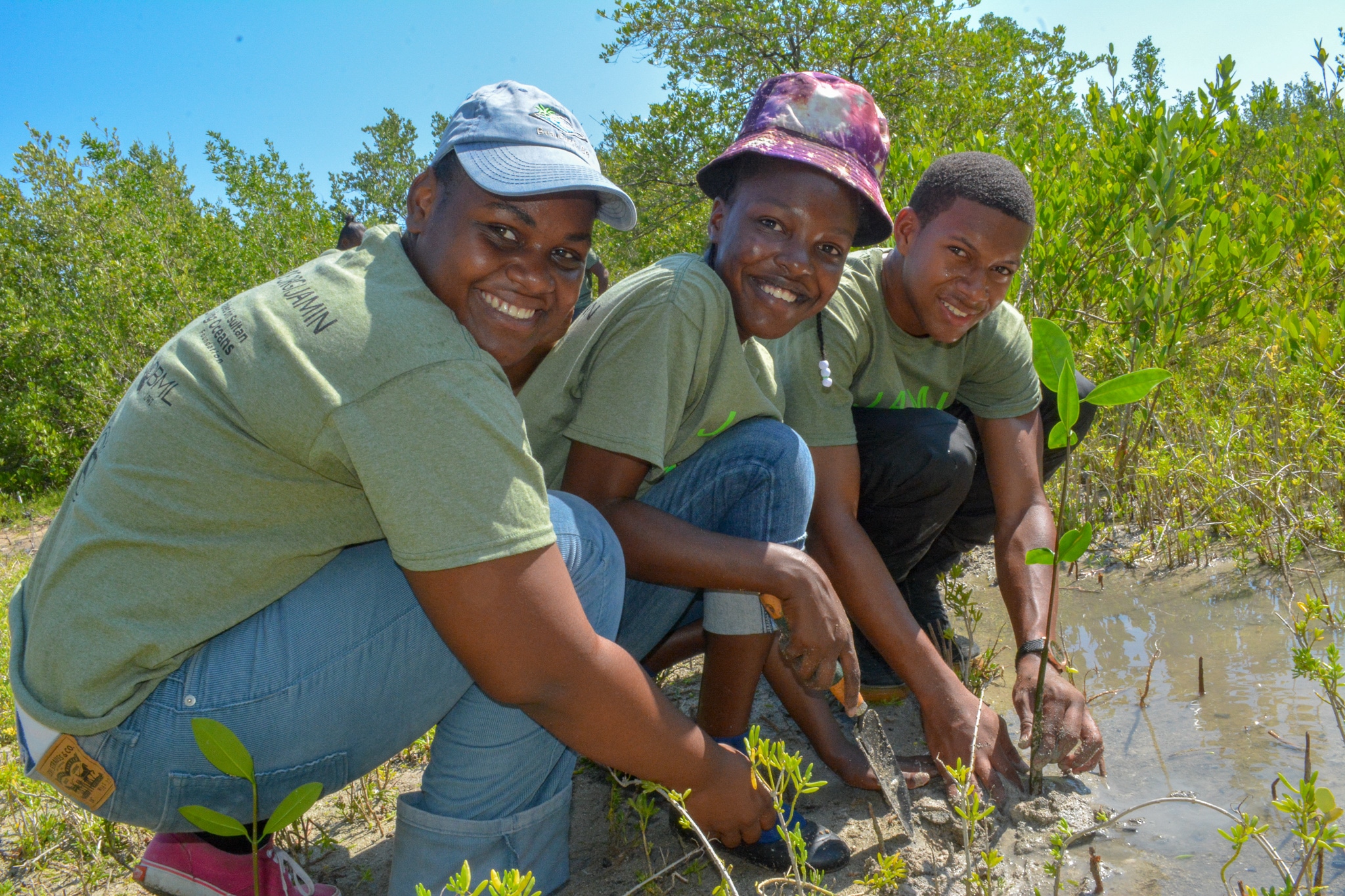
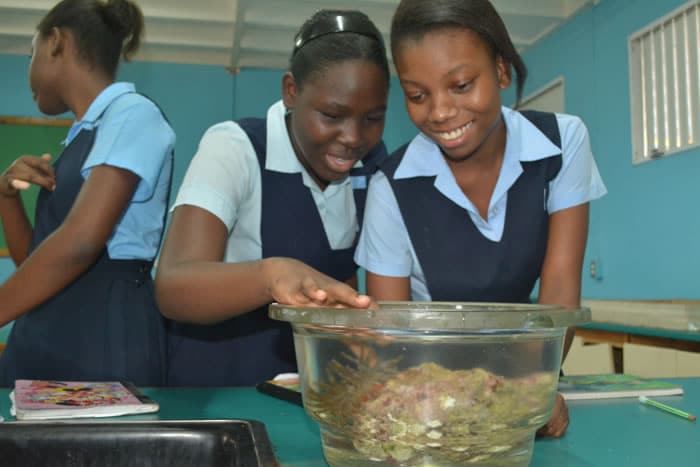
The J.A.M.I.N. program is more than just a science class; it’s an immersive, two-year experience that takes students from the classroom to the coastline. In their first year, students grow mangrove seedlings in their classrooms, learning to monitor growth, hypothesize about soil conditions, and analyze data to understand where mangroves thrive best. At the end of the year, they plant their seedlings in local mangrove forests, contributing directly to restoration.

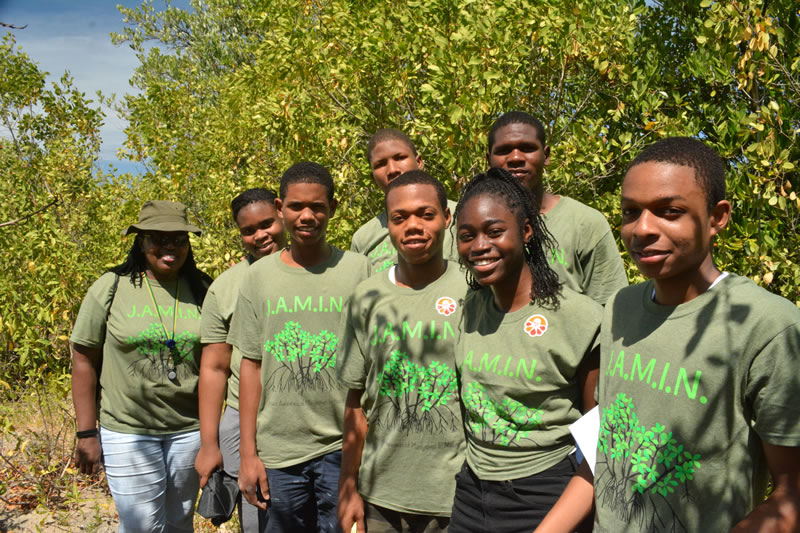
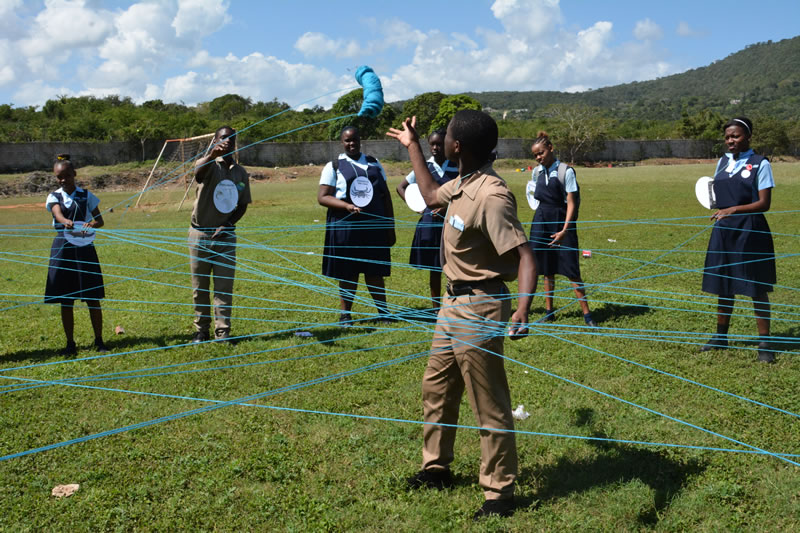
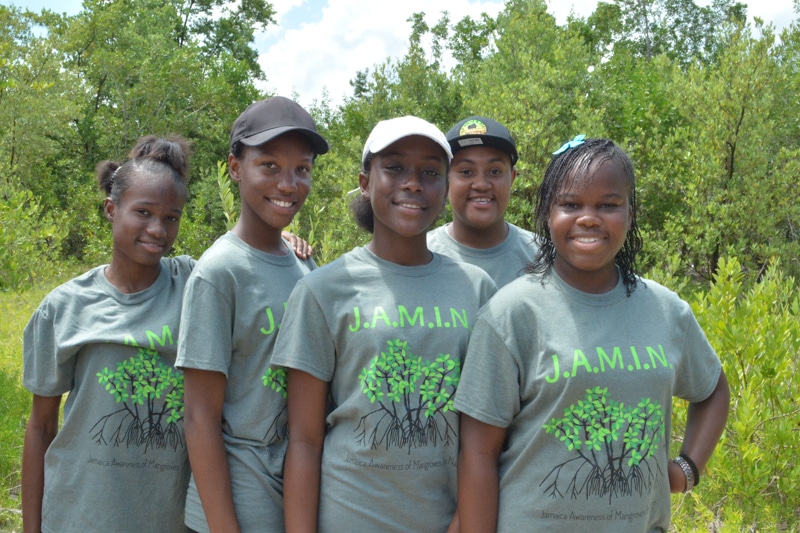
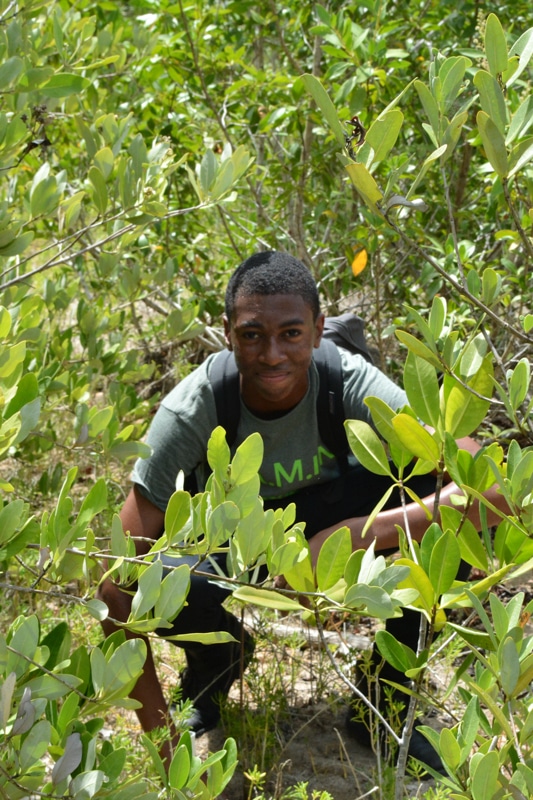
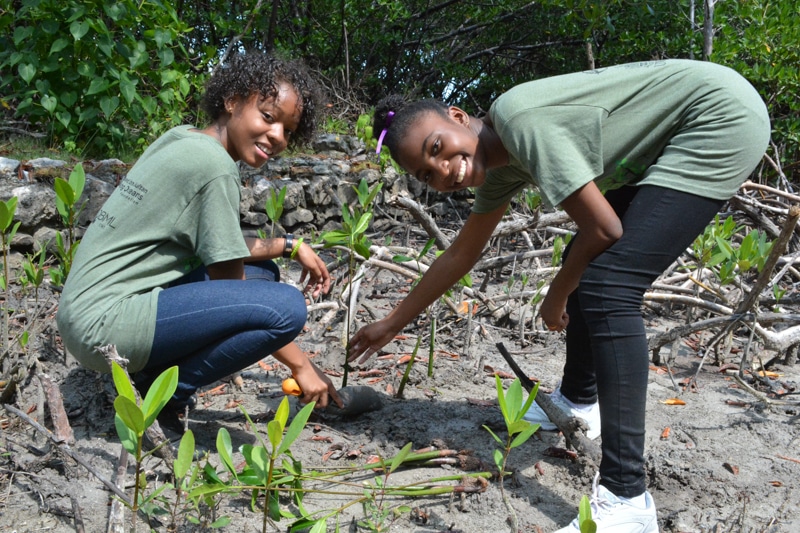
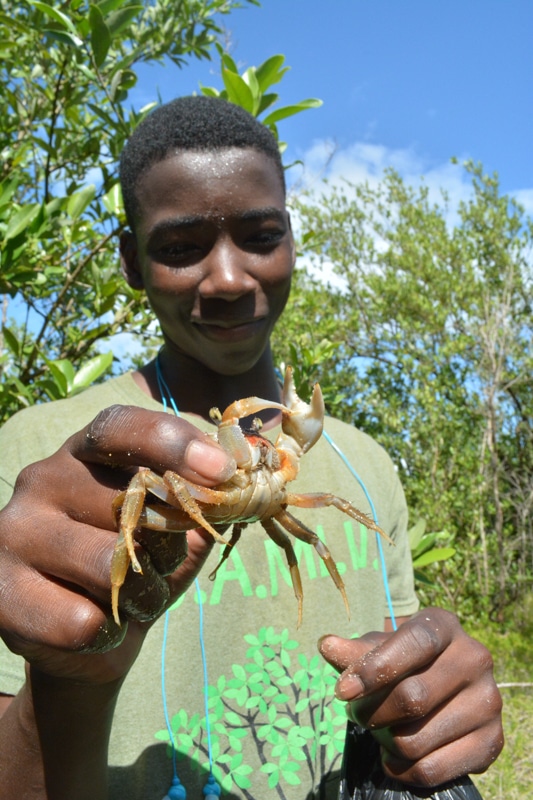
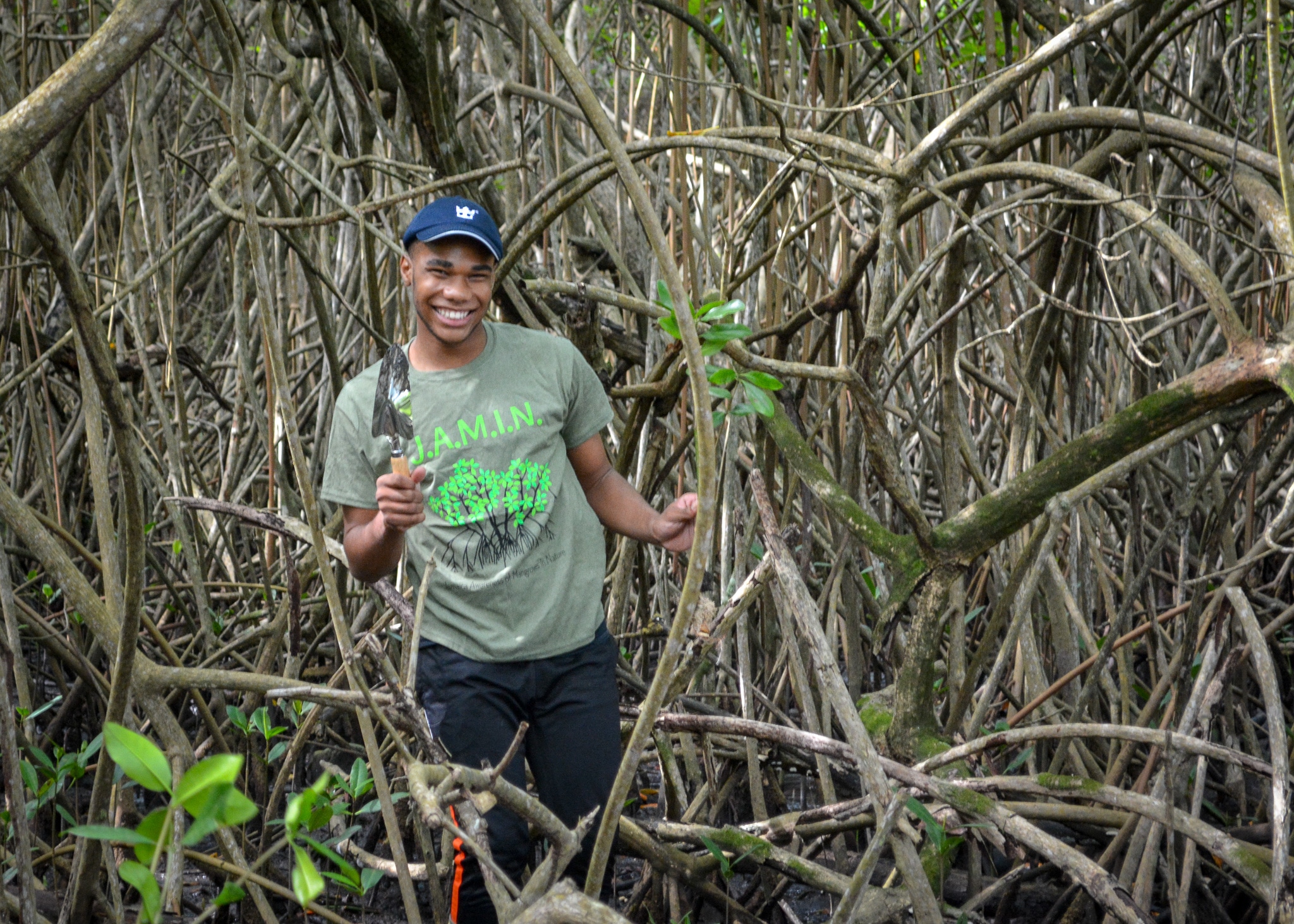
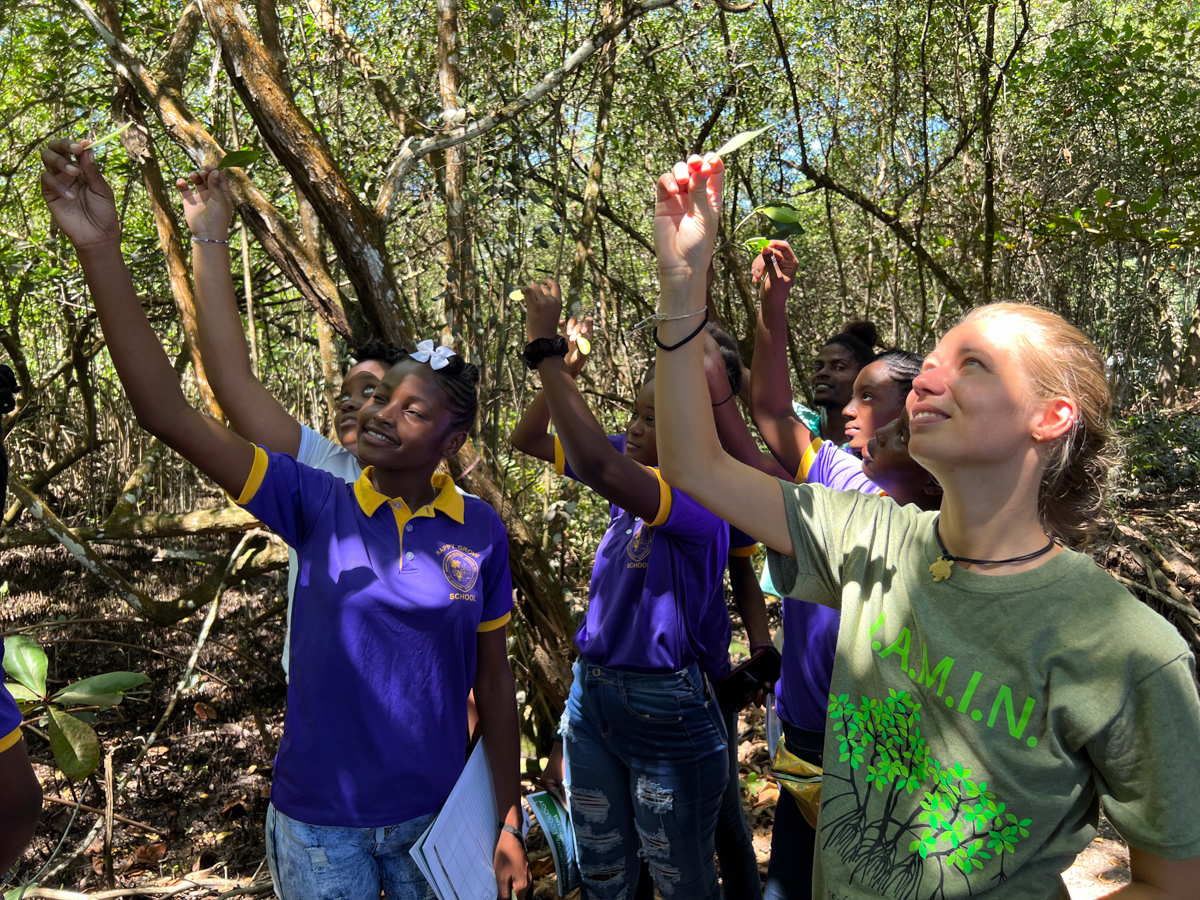
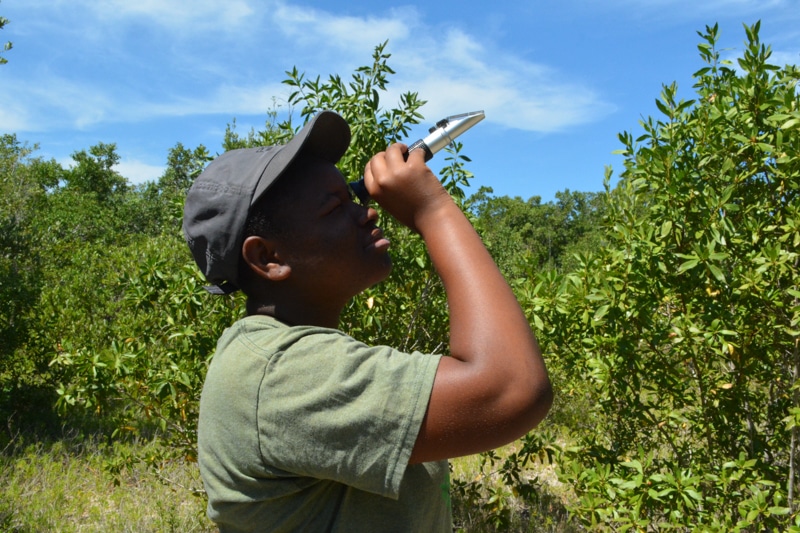
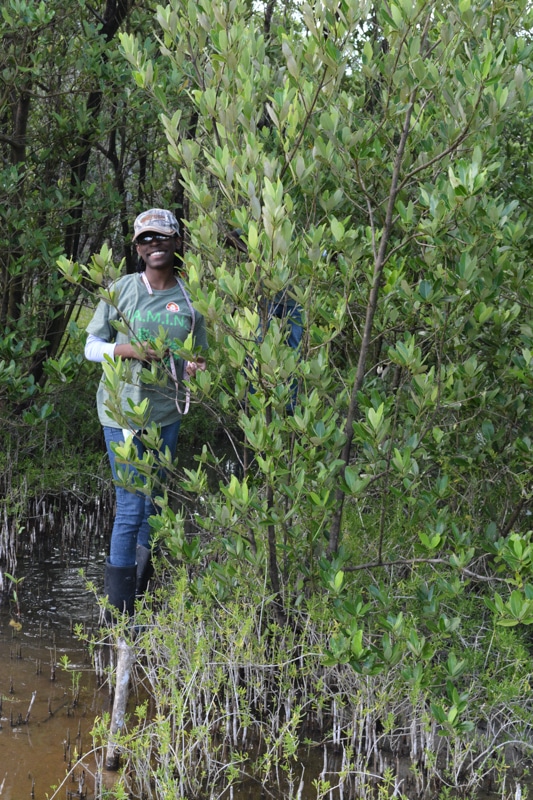
In the second year, students return to monitor the health of these mangrove forests by collecting data on water quality, soil conditions, and mangrove growth. The program encourages a deep connection to nature and transforms students into citizen scientists.
The impact of J.A.M.I.N. goes beyond academics. Research shows that long-term, place-based education fosters not only knowledge but also an emotional connection to nature. As students nurture their mangrove seedlings over months, they develop a sense of ownership and responsibility. When they finally plant their mangroves, they feel a profound sense of pride, knowing they’ve made a tangible contribution to their community’s well-being. This emotional investment often translates into long-term attitude and behavior changes as students become passionate advocates for the environment.


As we enter the next decade, we aim to grow J.A.M.I.N., bringing our Mangrove Education and Restoration program to even more Jamaican students. Together with our partners and local communities, we’re committed to ensuring the preservation of Jamaica’s mangroves for generations to come.
Follow us for more updates as we celebrate our 10-year J.A.M.I.N. anniversary and continue inspiring the next generation of environmental leaders.
J.A.M.I.N. Photo Gallery
A few more of our favorite photos from the past 10 years…