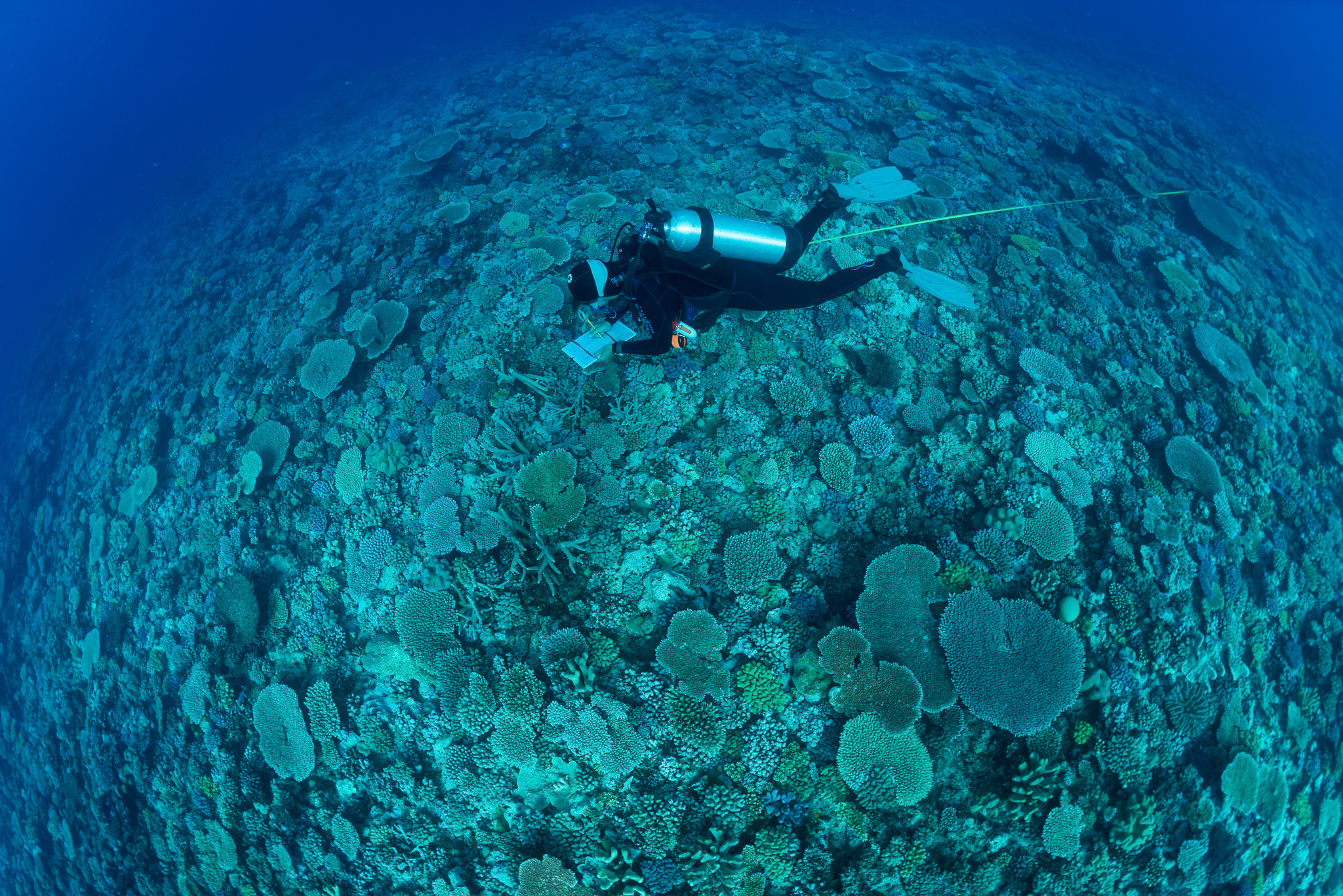
More than a decade after scientists aboard the Global Reef Expedition surveyed coral reefs across the Pacific, the data they collected continues to contribute to our understanding of the world’s coral reefs.
Today, the Global Coral Reef Monitoring Network (GCRMN) released Status of Coral Reefs of the World: 2025, the most comprehensive assessment to date of the status and trends of coral reefs worldwide. The report brings together an extraordinary amount of information collected over more than four decades — and the Khaled bin Sultan Living Oceans Foundation is proud to have contributed data from the Global Reef Expedition to this global effort.
The new report draws on 21.1 million observations from 87,299 surveys at 36,886 reef sites, contributed by 600 partners across more than 120 countries, territories, and economies. Together, these data provide an unprecedented global view of how coral reefs have changed from 1980 to 2024, and the evidence needed to inform decisions that could shape their future.

What the report tells us
The findings show that coral reefs are under increasing pressure. Global hard coral cover declined by an estimated 9.5% when the period from 2020–2024 is compared with the report’s historical reference period of 1980–2009. Major declines have coincided with global coral bleaching events, as increasingly frequent marine heatwaves leave reefs with less time to recover between disturbances.
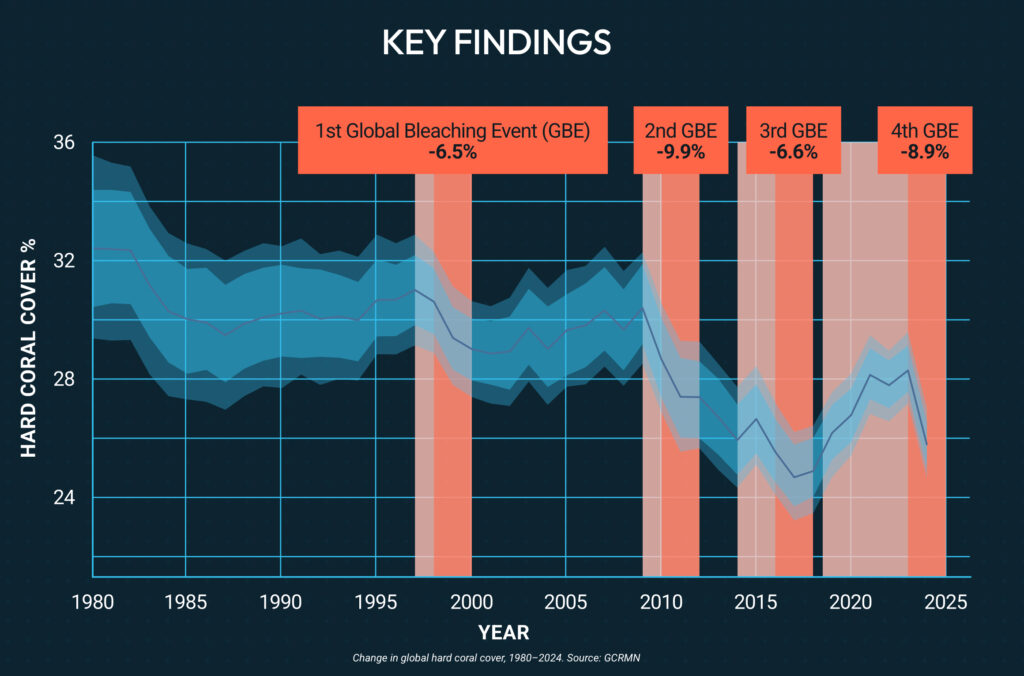
The latest losses are particularly concerning. The fourth global coral bleaching event began in 2023 and reached unprecedented levels of heat stress in 2024. Because the report’s data extend only through 2024, its full impact is not yet captured in this assessment. The report also found that global macroalgal cover has increased substantially (by approximately 44% since 1980), although at 6.8% in 2024, the global average remains relatively low and does not indicate a worldwide shift toward algal-dominated reefs.
These global averages also mask significant differences among regions. Some coral reef regions have experienced severe declines, while others have remained relatively stable or shown signs of recovery. The report notes that these different trajectories reflect a combination of exposure to global and local pressures, ecological conditions, and the effectiveness of reef management.
Yet the report also contains an important reminder of the resilience of coral reefs. Following the third global bleaching event, global average hard coral cover increased by approximately 6% between 2017 and 2019. Although that recovery did not return coral cover to historical levels, it demonstrates that reefs can recover when given sufficient time and the right conditions. The problem is that those windows for recovery are becoming shorter: in many regions, major disturbances that once occurred roughly once a decade have occurred every four to six years since 2010.
Perhaps most importantly, the report concludes that coral reefs have not reached a point of no return. Their future will depend largely on the trajectory of climate change and ocean warming, alongside efforts to reduce local pressures and improve reef management. Reefs experiencing fewer local pressures are better able to resist and recover from heat stress, making global climate action and effective local conservation complementary—and increasingly urgent—parts of protecting coral reefs.
Our contribution to a global effort
The Living Oceans Foundation shared extensive data collected during the Pacific portion of the Global Reef Expedition, including benthic habitat and bathymetric maps, benthic cover data, and reef fish data collected through field surveys.
These data represent years of research across some of the most remote and diverse coral reef ecosystems in the Pacific. From 2006–2015, the Global Reef Expedition brought together more than 200 scientists, educators, photographers, and filmmakers on a research mission that traveled from the Red Sea through the Caribbean and tropical Pacific to the Indian Ocean. Throughout the expedition, scientists used standardized methods to map coral reefs and assess their benthic and fish communities across large geographic areas.
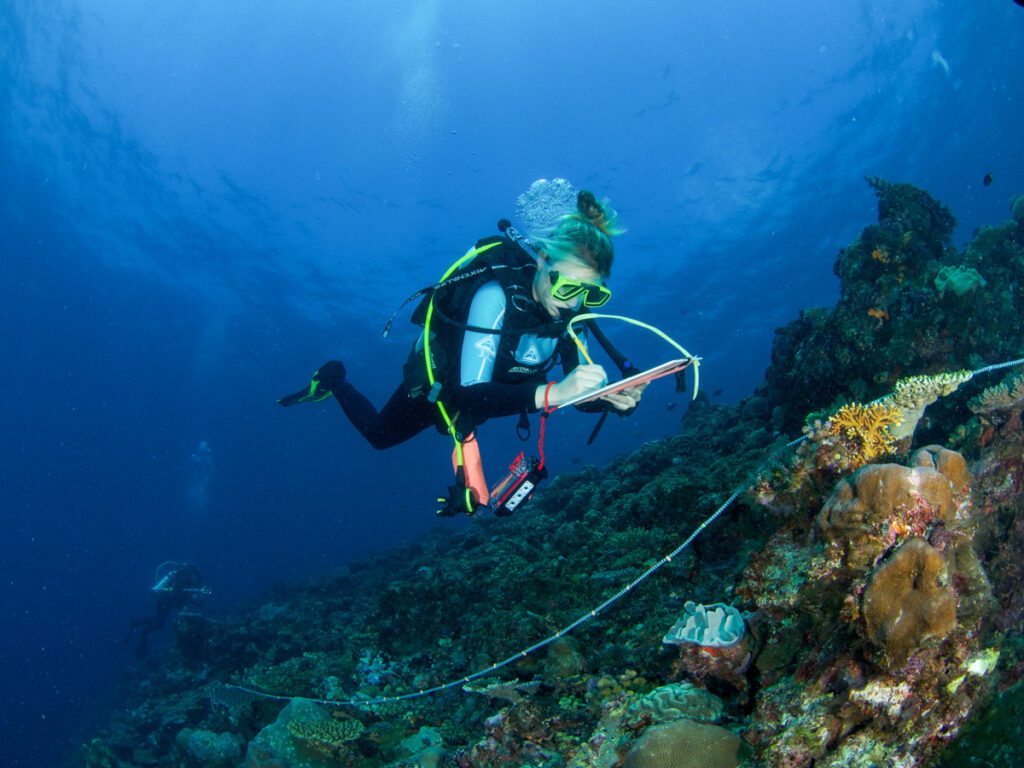
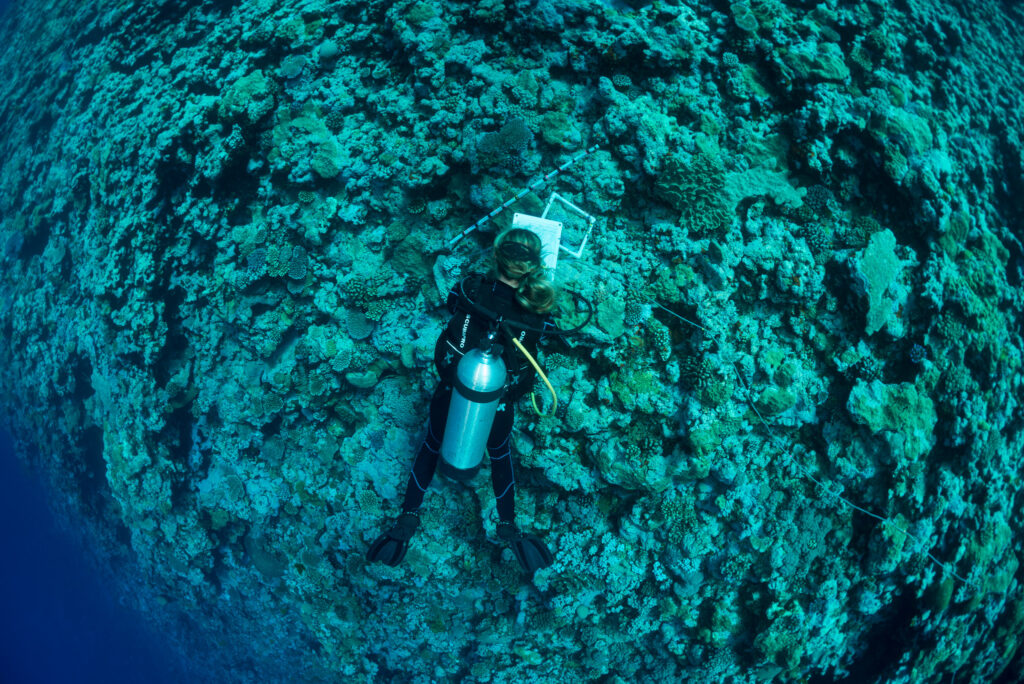
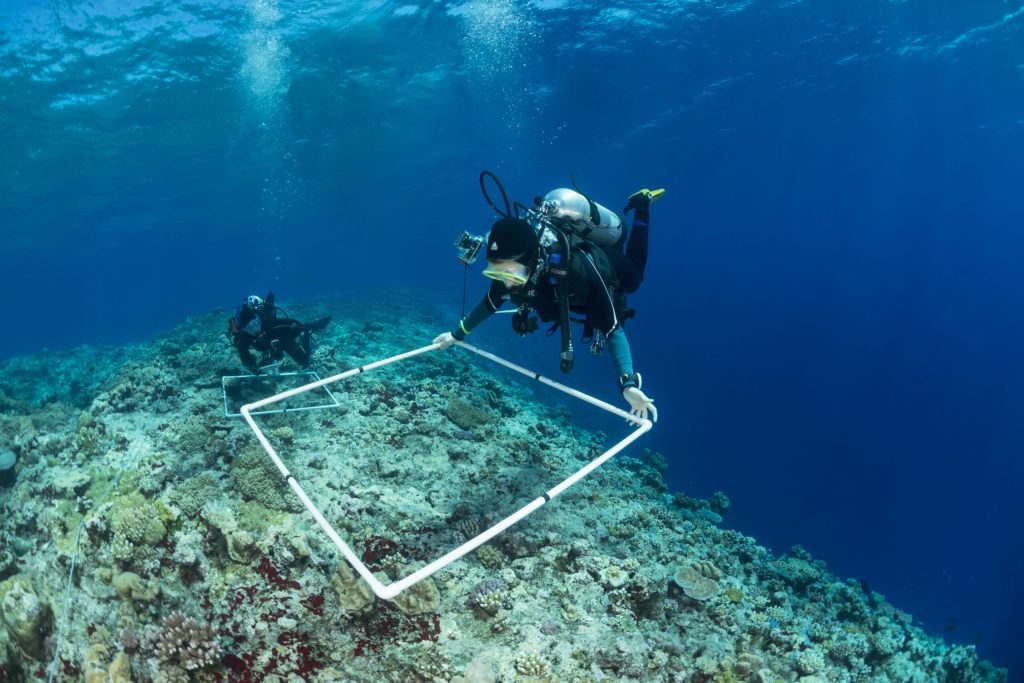
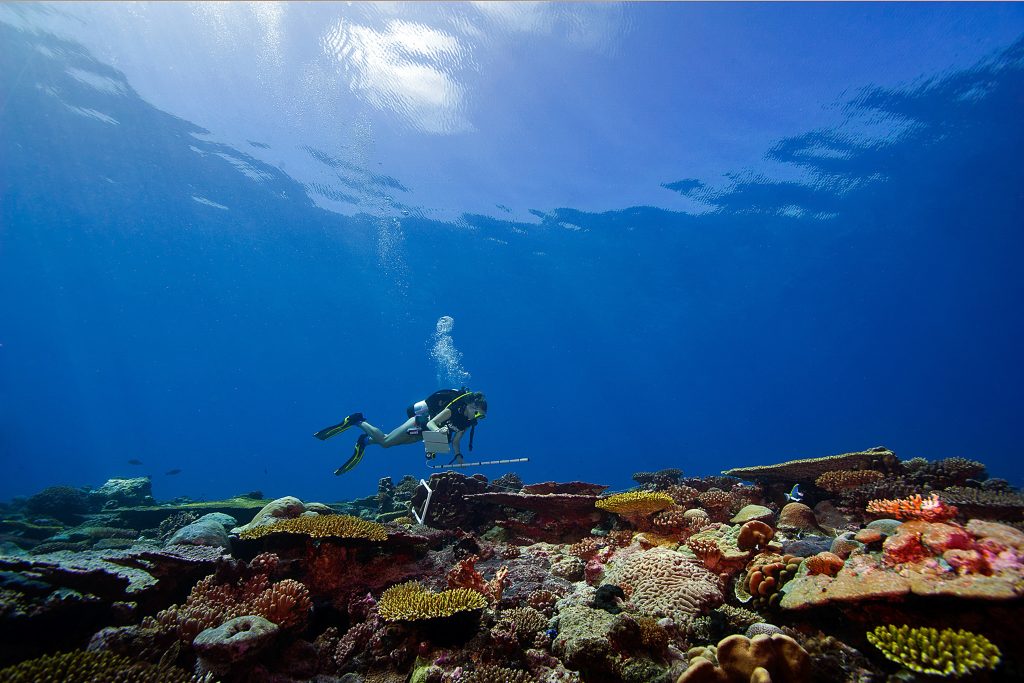
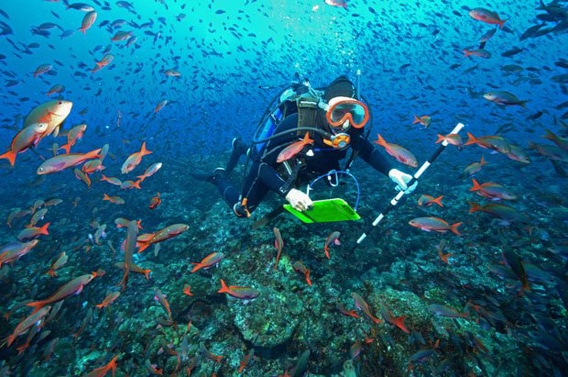
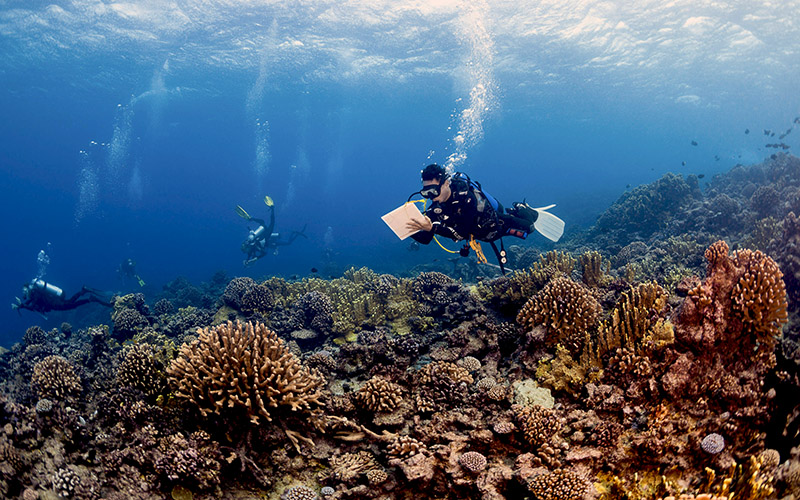
One of the enduring goals of this work was to create a scientific baseline that would remain useful long after the expedition itself was over. As we wrote in the Global Reef Expedition Final Report, we hoped that the data we collected would help scientists and marine managers better understand the coral reef crisis and support conservation efforts at both local and large scales.
The new GCRMN report demonstrates the value of bringing data like these together.
No single expedition, institution, or country can provide a complete picture of what is happening to coral reefs worldwide. But when information collected by hundreds of organizations across thousands of reefs is brought together, scientists can begin to identify changes that would be impossible to see from any individual dataset alone.
For us, that is part of the lasting legacy of the Global Reef Expedition: ensuring the knowledge gained during a decade of research continues to advance coral reef science and contribute to efforts to protect these remarkable ecosystems.
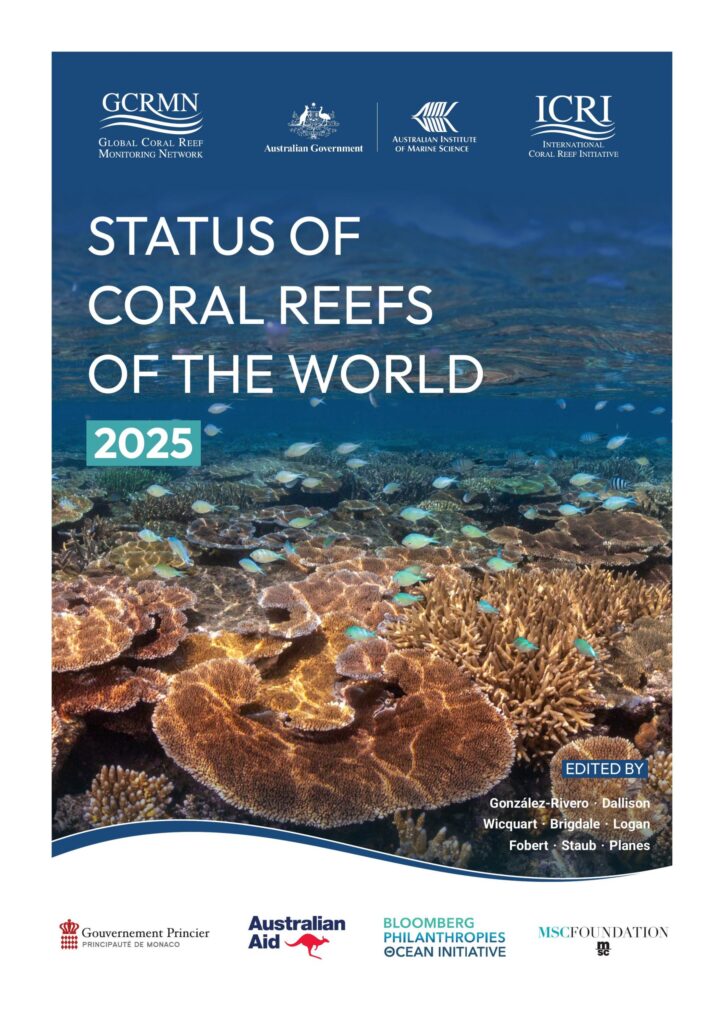
Status of Coral Reefs of the World: 2025
The most comprehensive assessment to date of the status and trends of coral reefs worldwide, this landmark report brings together more than 21 million observations contributed by 600 partners across more than 120 countries, territories, and economies.