
search-icon

2005

Seychelles Coral Reef Research Expedition

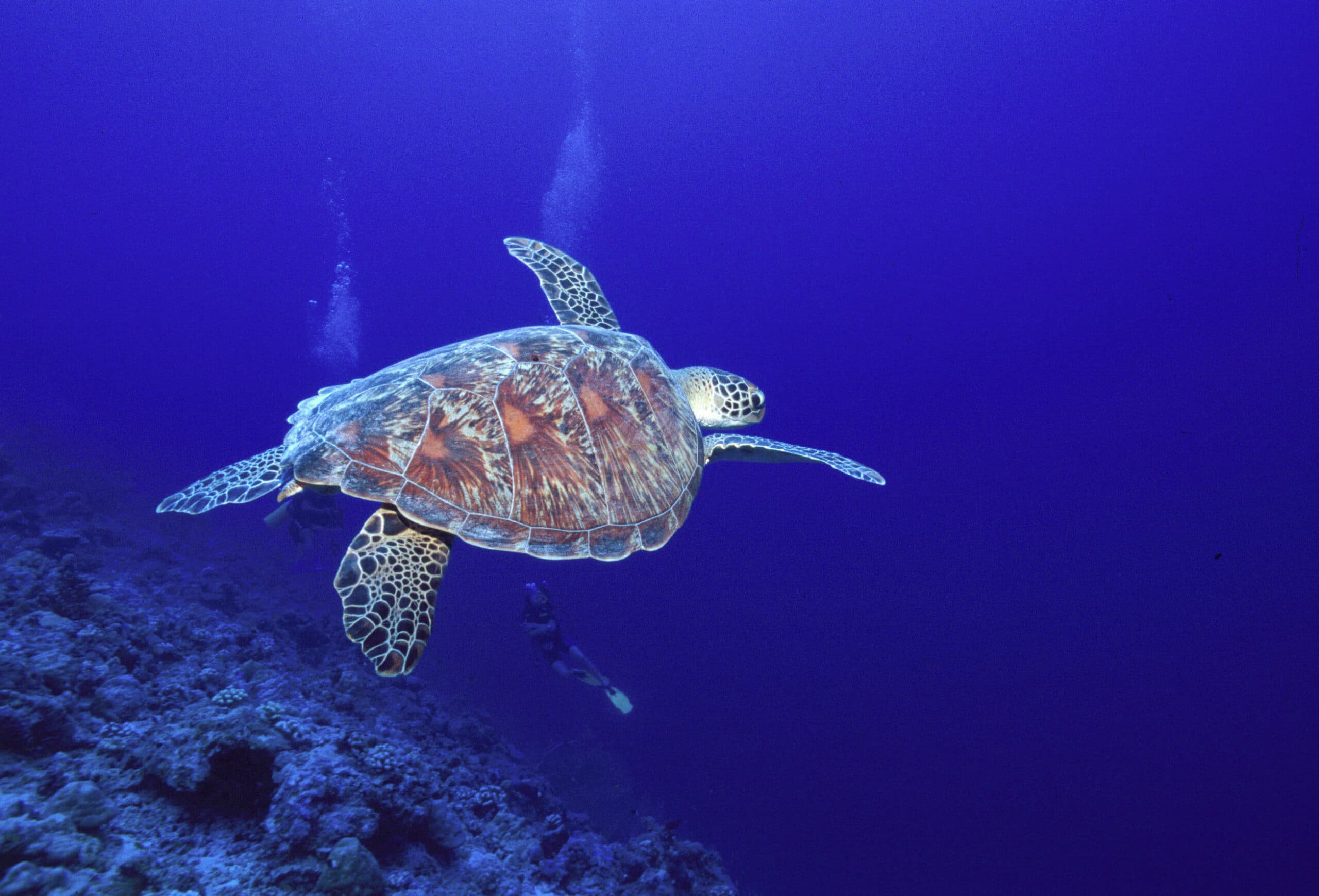
Project scientists provided daily reports of observations and operations during a three week expedition to the southern Seychelles. The information was delivered in near-real time to raise marine environmental awareness within schools and excite students about careers in science.

In January 2005, the Foundation partnered with the Cambridge Coastal Research Unit of the University of Cambridge, the Seychelles Centre for Marine Research and Technology, and Trident Trust to establish a comprehensive ecosystem knowledge baseline due to the dramatic impact of the 1997/1998 El Nino Southern Oscillation (ENSO) ocean warming event on the Indian Ocean coral reefs.  This ENSO event resulted in the loss of 60-90% of live coral cover in the Seychelles Islands. Scientists used the Golden Shadow to survey more than 800 square kilometers of shallow marine environments through CASI, mounted on the Golden Eye seaplane.

The primary objectives of this research project included aerial spectrographic mapping of numerous islands and their surrounding reefs in the southern Seychelles, and surveys of the benthic communities and fish communities of these reefs. Eleven high-resolution benthic habitat maps were created from this research project for the purpose of aiding the Seychelles government in marine conservation efforts and management plans, which are available on our World Reef Map and in the Atlas of the Amirantes.

In addition to conducting research, we provided students and the general public with daily reports of scientific observations and operational activities during the mission. We also created curriculum-relevant materials in support of our education and outreach endeavors. The goal of our education work was to raise marine environmental awareness within schools and motivate and excite young people about the exciting and rewarding careers available through a science education.
Related Posts

OceanImageBank_TheOceanAgency_Bleaching_16-scaled-1

Coral Bleaching Awareness Month: Giving Coral Reefs a Chance to Recover

For hundreds of millions of years, coral reefs have supported life in our oceans. Although they cover less than 1% of the ocean floor, they provide habitat for at least 25% of all marine species. They also support people around the world by sustaining fisheries and tourism, providing food and livelihoods, and helping protect coastlines from waves and storms.

But coral reefs are under increasing pressure. Pollution, overfishing, coastal development, physical damage, and increasingly warm ocean temperatures can all affect reef health. One of the most visible signs that a coral reef is under stress is coral bleaching.

This September, in recognition of Coral Bleaching Awareness Month, we’re taking a closer look at what happens when corals bleach, why bleaching matters, and what scientists around the world are doing to better understand, protect, and restore coral reefs.

Read More

Everything You Need to Know About the 2027 Science Without Borders® Challenge

Are you ready to combine your creativity with ocean science?

The 15th Annual Science Without Borders® Challenge is now open! Whether you’re participating for the first time or returning for another year, this guide will help you get started.

This year’s theme, Navigate With Care, invites students to explore how responsible navigation helps protect both people and life in the ocean. Through your artwork, you can compete for scholarships and international recognition while inspiring others to protect both people and life in the ocean.

Read More
Privacy Overview

This website uses cookies so that we can provide you with the best user experience possible. Cookie information is stored in your browser and performs functions such as recognising you when you return to our website and helping our team to understand which sections of the website you find most interesting and useful.  You can view our complete Privacy Policy here.

Strictly Necessary Cookies

Most of our cookies are used to improve website security and reduce spam. These cookies should be enabled at all times. They also enable us to save your preferences for cookie settings.

3rd Party Cookies

This website uses Google Analytics to collect anonymous information such as the number of visitors to the site, and the most popular pages. Keeping this cookie enabled helps us to improve our website.