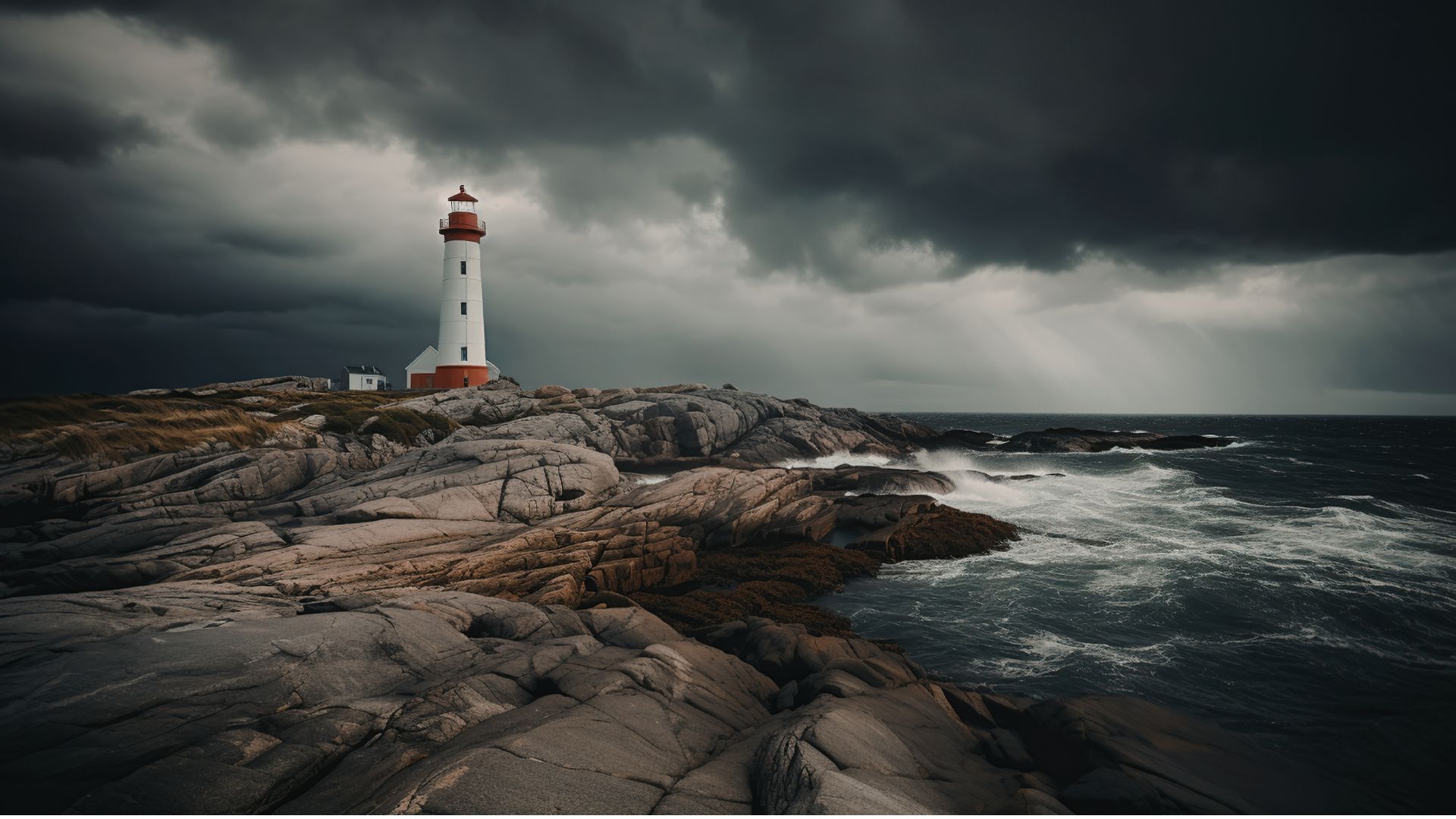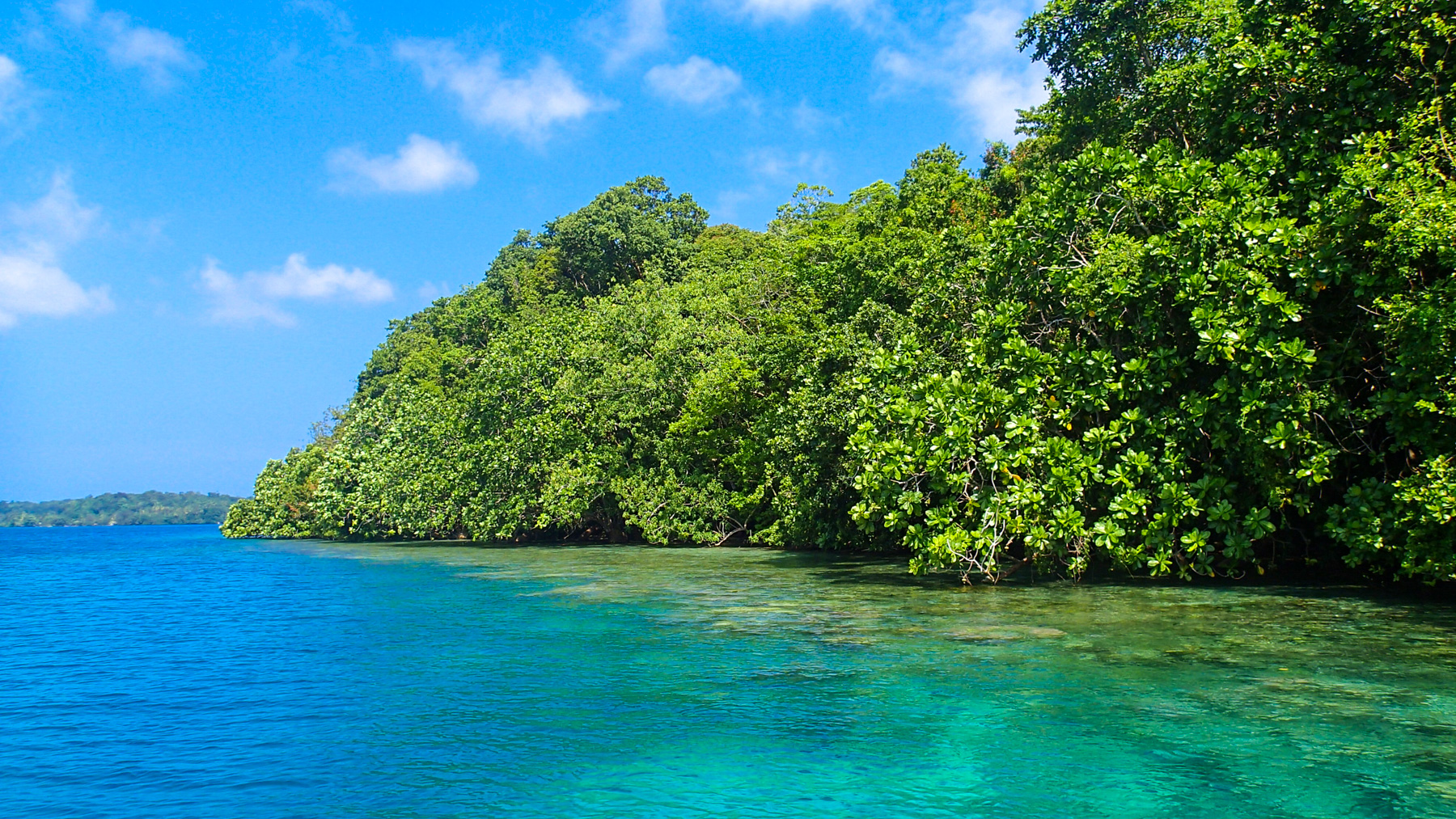
According to the World Health Organization, over 700 million people in low-lying coastal areas and Small Island Developing States are exposed to extreme sea-level events, including tsunamis. While improving infrastructure and early warning systems are essential steps to prevent the devastating aftermath of tsunamis, some ecosystems naturally protect coastlines.
Here, we’ll explain how coral reefs and mangroves, in particular, act as natural barriers against tsunamis.
Coral Reefs
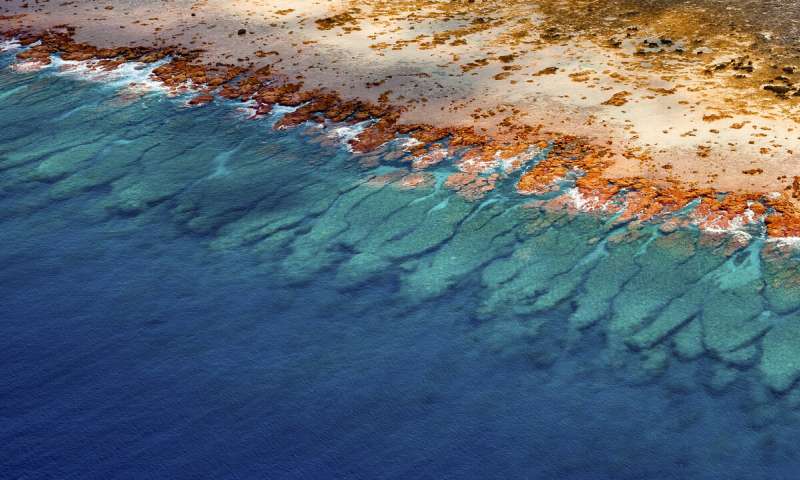
Coral reefs buffer shorelines against waves, storms, and floods through their unique structure. The outermost seaward slope extends from the low-tide mark into deep water, with a buttress zone from just below the low-tide mark to about 20 meters deep. This zone serves two main purposes: first, it disperses the force of waves and helps stabilize the reef; second, the channels between the buttresses direct debris and sediment off the reef and into deeper water. Wave force is further dissipated by friction as water moves across the coral’s rough surface.
However, research has shown that these benefits only apply when coral reefs are healthy. When reefs are damaged or destroyed, the risk of damage to coastal communities from normal wave action and violent storms increases.
Mangroves
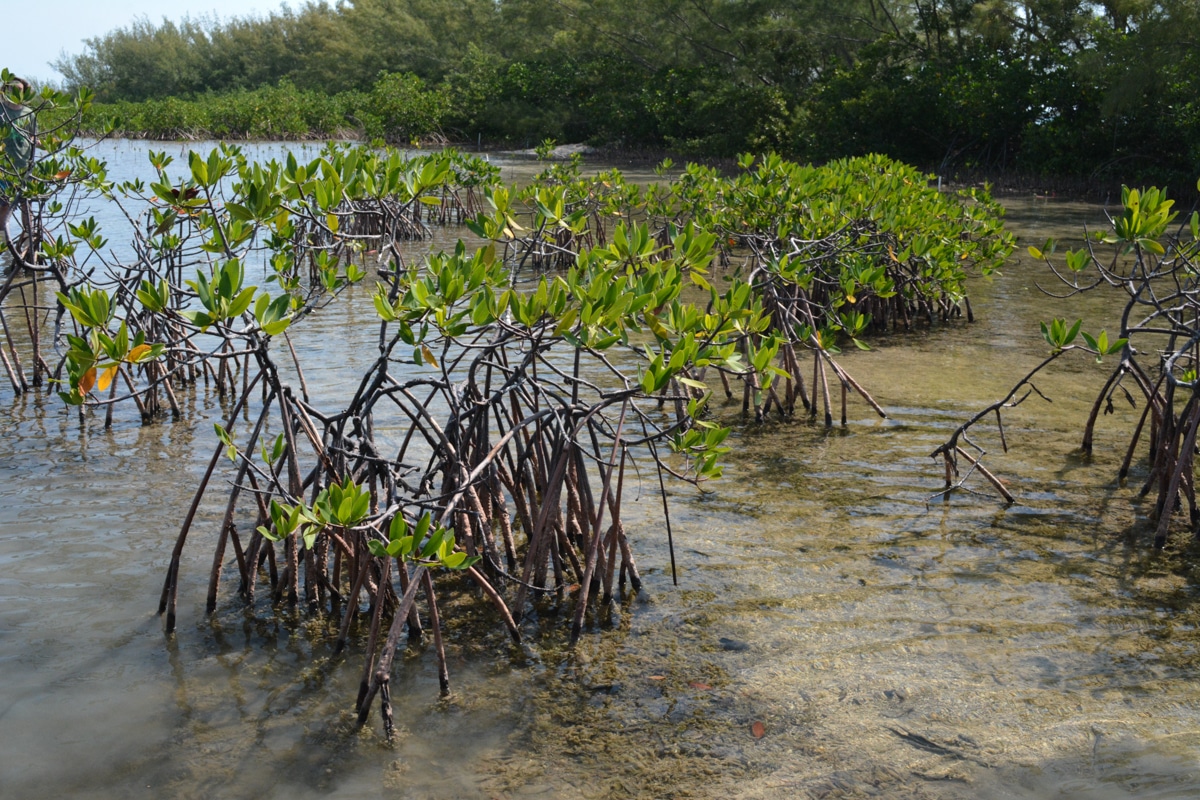
Wide areas of mangroves can reduce tsunami heights, helping to minimize loss of life and property damage in coastal cities. The complex structure of mangroves slows down waves, while their extensive root systems help in preventing erosion. The effectiveness of mangroves in tsunami protection depends largely on their size. Mangrove areas of several hundred meters have been shown to reduce tsunami heights by 5% to 30%, and an extensive mangrove forest can lower floodwater depths by a similar range.
According to World Wildlife Fund (WWF)-India reports from Andhra Pradesh, mangroves and coastal vegetation helped protect the coast and saved lives during the 2004 Indian Ocean earthquake and tsunami. For example, many fishermen who sought shelter in the Coringa Mangroves during the tsunami survived.
What you need to remember
While many ecosystems provide natural barriers against tsunamis, they are always more effective together. A study investigating the combined impact of coral reefs, seagrass meadows, and mangroves on coastal protection found that, together, these habitats significantly reduce incoming wave energy, inundation levels, and sediment loss. This synergy ultimately protects coastlines more effectively than any single habitat alone.