
search-icon
Marine Keystone Species

Winners of the 2025 Science Without Borders® Challenge

The 2025 Science Without Borders® Challenge invited young artists from across the globe to create artwork highlighting species that play a critical role in maintaining the structure and health of ocean ecosystems with the theme, “Marine Keystone Species.” This theme encouraged students to illustrate the critical roles these species play in shaping and sustaining healthy ocean ecosystems.

We were amazed by the response—more than 1,300 entries from 75 countries poured in—each piece a unique interpretation of a marine keystone species, from sea otters and mangroves to corals and sharks. These species may not always be the most numerous or well-known, but they have an outsized impact on their environment. Their presence helps maintain biodiversity, balance food webs, and support ecosystem resilience. If a keystone species is removed, the entire ecosystem could shift dramatically or collapse. Through their art, students explored these complex ecological relationships and made a compelling case for ocean conservation.

These stunning artworks showcase diverse marine life, from foundational species at the base of the food web and grazers to apex predators and ecosystem engineers. Prepare to be inspired by their imaginative interpretations and powerful messages about protecting the species that keep our ocean in balance. We are proud to showcase the 2025 Challenge winners, whose art encourages us to appreciate the species that keep our oceans healthy and in balance.

Winners & Finalists Ages 11-14:

1st Place (11-14 years old): "Melting Grounds" by Gia Kim, Age 12, United States of America

Image 1 of 10

ARTIST STATEMENT: This artwork describes the Antarctic krill fleeing their iceberg habitat that’s melting underwater. Antarctic krill are known as a keystone species because of their wide food chain, which many marine animals (including us) eat in the Antarctic Ocean. However, their numbers are decreasing because of sea ice loss, which causes them to lose their habitat.

Winners & Finalists Ages 15-19:

"Tiny Giants of the Sea" by Vivian Wu, Age 17, Canada
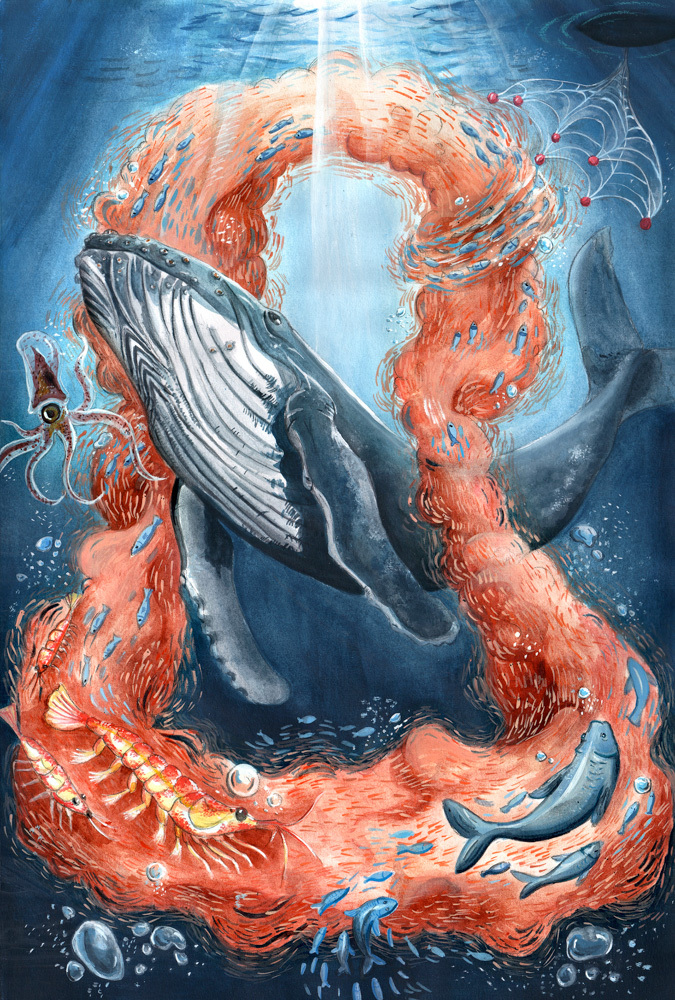
Image 7 of 15

ARTIST'S STATEMENT: This artwork highlights krill as a keystone species, forming the foundation of marine ecosystems. The krill swarm takes the shape of a keyhole, symbolizing its essential role in sustaining life beneath the ocean’s surface. Despite their tiny size, krill support many species, including humpback whales, squid, and fish, while also playing a vital role in carbon cycling. Their bright, glowing pink hues contrast against the deep blues of the ocean, drawing attention to their significance. In addition, the fishing net in the corner symbolizes human activity's harm to their population. Beyond overfishing, krill also face threats from ocean warming and acidification. Overall, this piece emphasizes the vital role of krill in marine ecosystems and urges awareness of human impact on their populations.
Related Posts

From Dialogue to Action: Ocean Foundations Gather in Stockholm

What can philanthropy accomplish when foundations working across ocean science, conservation, and sustainable development come together around a shared purpose?

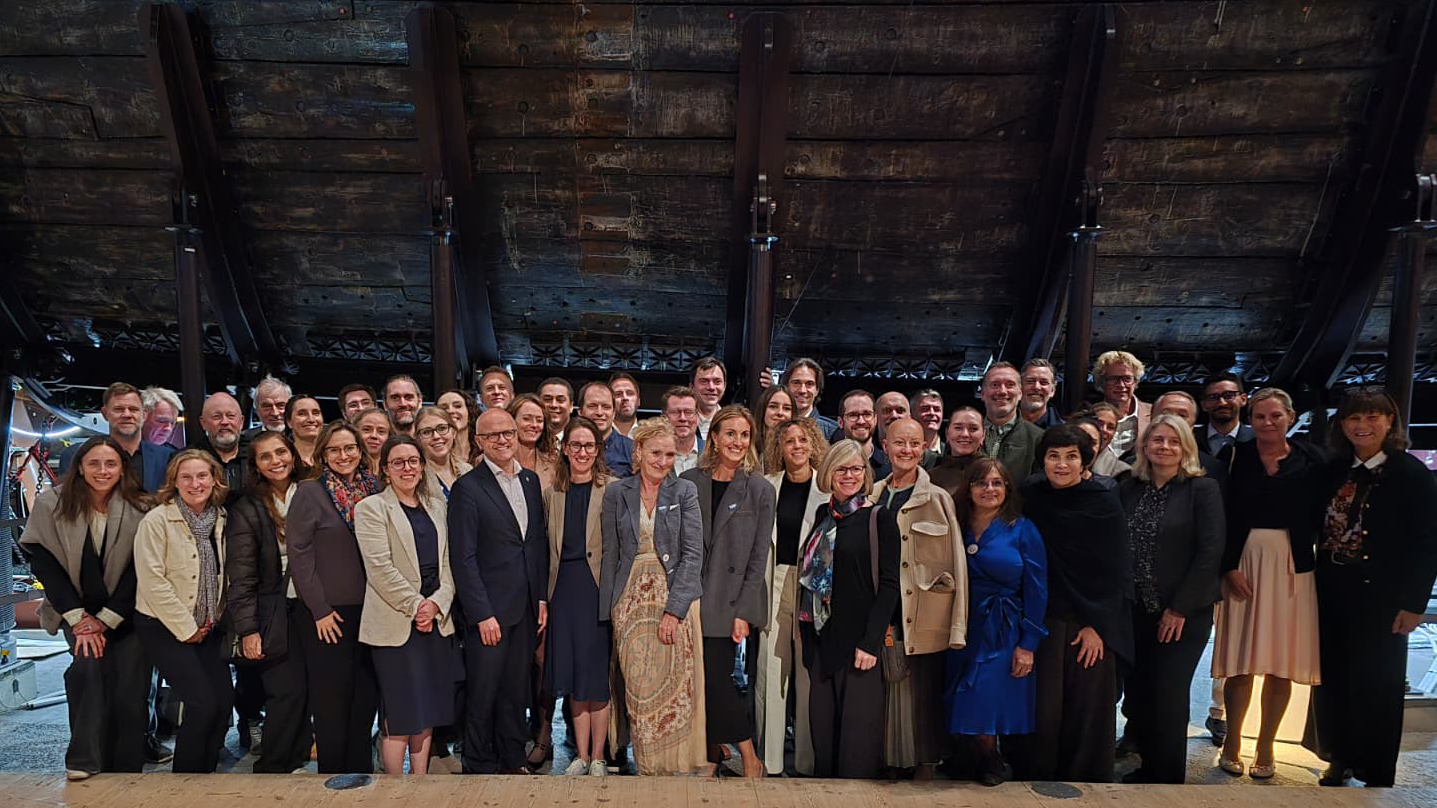
That question was at the heart of the 6th UN Ocean Decade Foundations Dialogue, held September 7–9 in Stockholm, Sweden. The Khaled bin Sultan Living Oceans Foundation joined philanthropic organizations from around the world for three days of discussion, collaboration, and planning focused on accelerating progress during the second half of the UN Decade of Ocean Science for Sustainable Development.

Facilitated by UNESCO’s Intergovernmental Oceanographic Commission (IOC), the UN Ocean Decade Foundations Dialogue is a growing network of more than 30 philanthropic organizations committed to advancing ocean science, collaboration, and action. Since its creation within the framework of the Ocean Decade, the Dialogue has provided foundations with a space to exchange ideas, develop partnerships, and explore how philanthropy can help advance a healthy and resilient ocean.

Hosted by the Voice of the Ocean Foundation (VOTO), this year’s gathering began with From Depth to Action, an Opening Forum that brought nearly 100 leaders from the Swedish and international ocean community together at…

Read More

Meet IFAN: Helping Bring Navigate with Care to the Next Generation

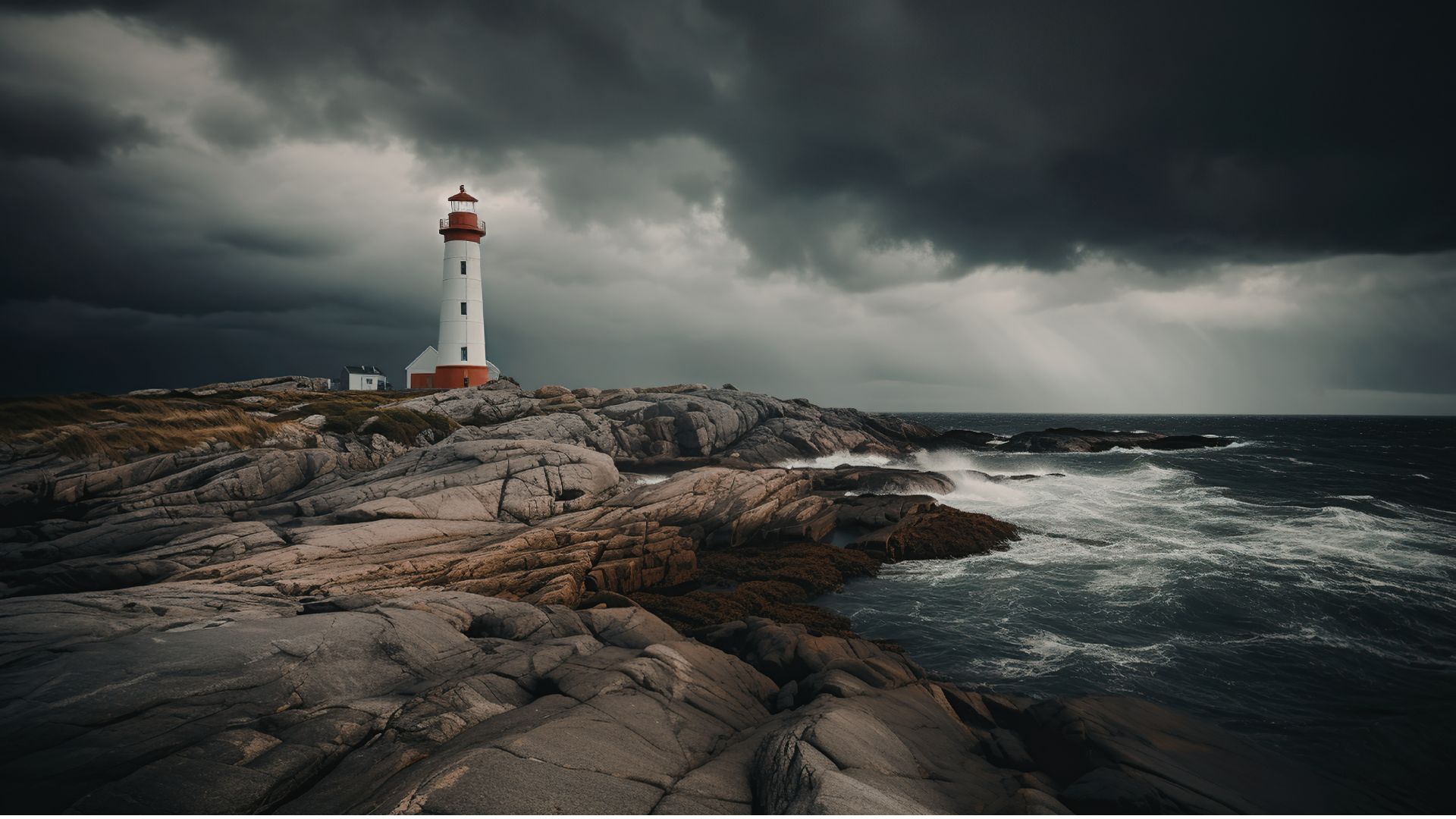
If you’ve ever seen a lighthouse flashing from the shore or a brightly colored buoy bobbing in the water, you’ve seen Aids to Navigation at work.

Aids to Navigation, often called AtoNs, help mariners navigate safely. They can mark channels, warn of hazards, help vessels determine their position, and provide other information people need to make safe decisions on the water. Around the world, these systems help guide everything from small recreational boats to large commercial or container ships. 

But safe navigation isn’t only about protecting vessels and the people aboard them. The choices mariners make can also affect the animals and ecosystems beneath and around them.

That connection between maritime safety and ocean conservation is at the heart of this year’s Science Without Borders® Challenge—and of our partnership with this year’s theme sponsor, the International Foundation for Aids to Navigation (IFAN).

Read More

Privacy Overview

This website uses cookies so that we can provide you with the best user experience possible. Cookie information is stored in your browser and performs functions such as recognising you when you return to our website and helping our team to understand which sections of the website you find most interesting and useful.  You can view our complete Privacy Policy here.

Strictly Necessary Cookies

Most of our cookies are used to improve website security and reduce spam. These cookies should be enabled at all times. They also enable us to save your preferences for cookie settings.

3rd Party Cookies

This website uses Google Analytics to collect anonymous information such as the number of visitors to the site, and the most popular pages. Keeping this cookie enabled helps us to improve our website.