
search-icon
Meet Our High School Art Contest Winner

We hope that you enjoyed meeting Anish, the first-place middle school winner of our 2020 Science Without Borders® Challenge.

I would now like to introduce you to the first-place high school winner of our contest, Stacey Lei, who lives in Las Vegas, Nevada where she attends West Career and Technical Academy. I have had the pleasure of getting to know Stacey. She is very humble when talking about her artistic abilities. To my surprise, I learned that Stacey has not had any formal art training. She truly has a natural artistic ability.
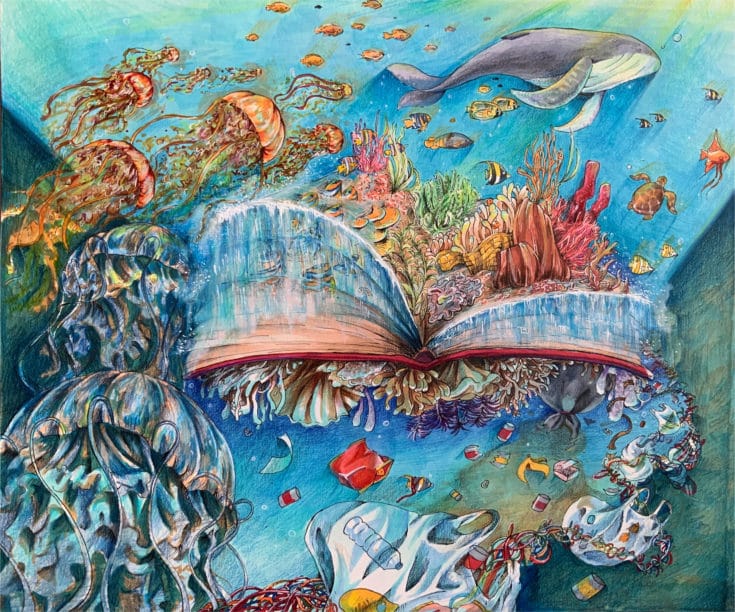
The Reef We Read by Stacey Lei, Age 16, United States

For the contest, Stacey submitted a drawing called “The Reef We Read.” During a short interview, we discussed what inspired her to enter the contest, what she has learned by participating in the contest, and how she hopes her artwork will inspire others.
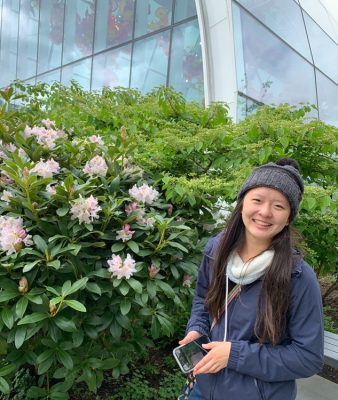

First Place High School Winner Stacey Lei

Q: Why did you enter the Science Without Borders® Challenge?

A: My teacher showed me this competition, and I entered because I have always found the ocean a calming and gorgeous place. It was heartbreaking to know that the once flourishing coral reefs are gradually fading. I believe this challenge would be a good opportunity to share my thoughts on how we can save coral reefs.

Q: What inspired you to create your art piece?

A: I remember hearing about coral bleaching in school and researching it when I got home. If I had not learned about marine ecosystems at school, I would not have known about the extent of coral reef endangerment. This inspired me to create an illustration focusing on how spreading awareness can save coral reefs.

Q: What do you want people to get out of the artwork you created?

A: I want to inspire others to raise awareness for coral reefs and realize the vital role education plays in the preservation of our aquatic ecosystems.  

Q: What did you learn by participating in the Science Without Borders® Challenge?

A: While participating, I learned how interconnected every ecosystem is. A lack of public awareness results in a significant decrease in human actions towards preserving coral reefs, which, consequently, causes a decrease in healthy ecosystems. 

Q: What are your plans for the future? Do you plan to pursue a career in art or science?

A: I plan on pursuing a career in science. I hope to become a biomedical engineer in the future. 

Q: What advice would you give to someone who is considering entering the Science Without Borders® Challenge? 

A: I would advise anyone who is entering the Science Without Borders® Challenge to relate the theme to their daily lives and think of how it has personally affected them.


ARTIST’S STATEMENT

Corals reefs are dying because of negative human activities. The lack of awareness surrounding the reefs have contributed to its destruction. Education paves our future. When awareness is spread, the ocean is bright and full of life. The plants and other organisms above the book live in a healthy ecosystem, free of negative human interventions. However, when the awareness of our environment ceases, pollutants begin to destroy the coral reef. This is illustrated underneath the book where the ocean is lifeless, corals are bleached, and fish are entangled in human waste. Pollution is steadily creeping into marine life and joining the jellyfish. The book will close, and coral reefs will only exist in history books if the pollution is not stopped. We must take immediate action by spreading coral reef awareness and stop the cycle of waste before it is too late.
View all 2020 Science Without Borders® Challenge winners

Related Posts

From Dialogue to Action: Ocean Foundations Gather in Stockholm

What can philanthropy accomplish when foundations working across ocean science, conservation, and sustainable development come together around a shared purpose?

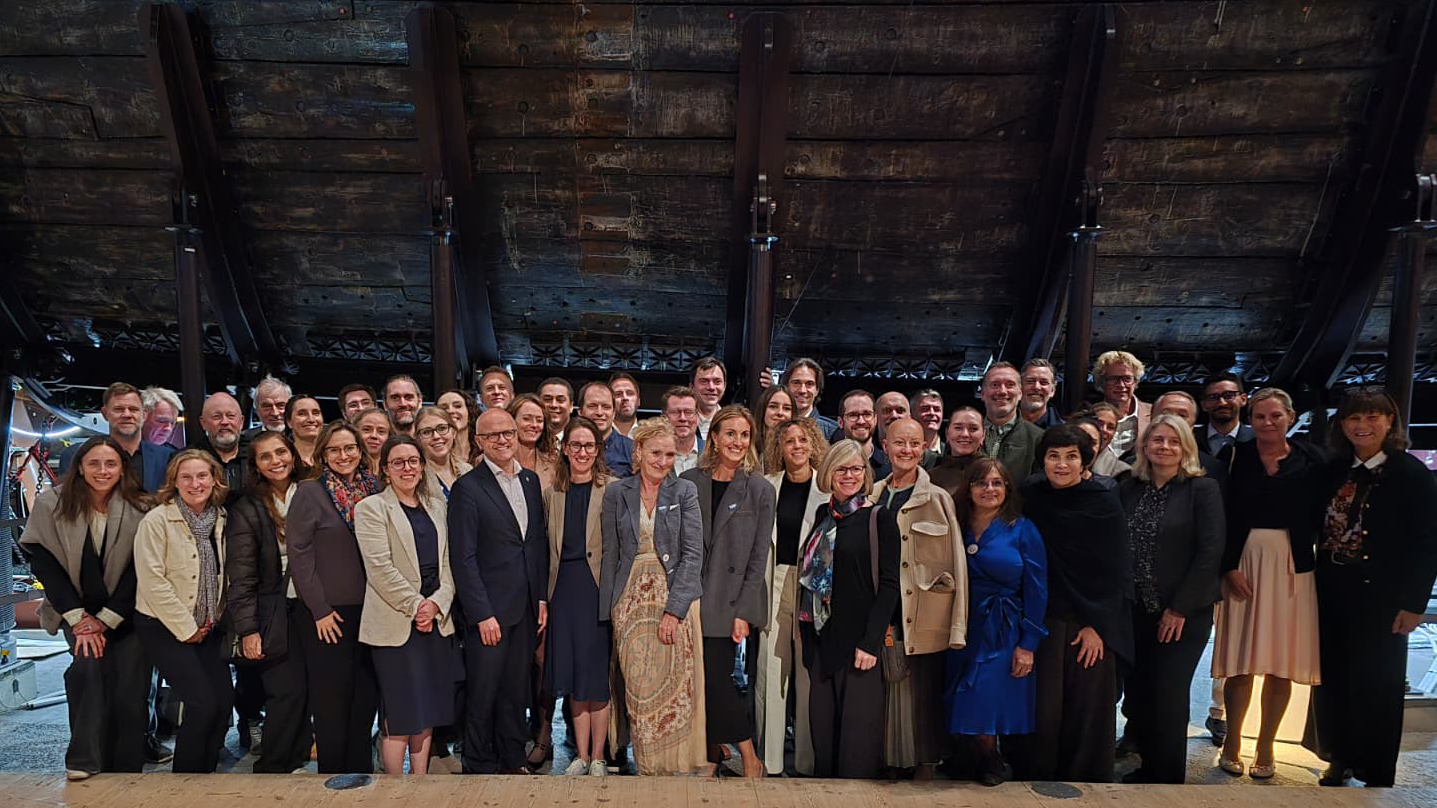
That question was at the heart of the 6th UN Ocean Decade Foundations Dialogue, held September 7–9 in Stockholm, Sweden. The Khaled bin Sultan Living Oceans Foundation joined philanthropic organizations from around the world for three days of discussion, collaboration, and planning focused on accelerating progress during the second half of the UN Decade of Ocean Science for Sustainable Development.

Facilitated by UNESCO’s Intergovernmental Oceanographic Commission (IOC), the UN Ocean Decade Foundations Dialogue is a growing network of more than 30 philanthropic organizations committed to advancing ocean science, collaboration, and action. Since its creation within the framework of the Ocean Decade, the Dialogue has provided foundations with a space to exchange ideas, develop partnerships, and explore how philanthropy can help advance a healthy and resilient ocean.

Hosted by the Voice of the Ocean Foundation (VOTO), this year’s gathering began with From Depth to Action, an Opening Forum that brought nearly 100 leaders from the Swedish and international ocean community together at…

Read More

Meet IFAN: Helping Bring Navigate with Care to the Next Generation

If you’ve ever seen a lighthouse flashing from the shore or a brightly colored buoy bobbing in the water, you’ve seen Aids to Navigation at work.

Aids to Navigation, often called AtoNs, help mariners navigate safely. They can mark channels, warn of hazards, help vessels determine their position, and provide other information people need to make safe decisions on the water. Around the world, these systems help guide everything from small recreational boats to large commercial or container ships. 

But safe navigation isn’t only about protecting vessels and the people aboard them. The choices mariners make can also affect the animals and ecosystems beneath and around them.

That connection between maritime safety and ocean conservation is at the heart of this year’s Science Without Borders® Challenge—and of our partnership with this year’s theme sponsor, the International Foundation for Aids to Navigation (IFAN).

Read More

Privacy Overview

This website uses cookies so that we can provide you with the best user experience possible. Cookie information is stored in your browser and performs functions such as recognising you when you return to our website and helping our team to understand which sections of the website you find most interesting and useful.  You can view our complete Privacy Policy here.

Strictly Necessary Cookies

Most of our cookies are used to improve website security and reduce spam. These cookies should be enabled at all times. They also enable us to save your preferences for cookie settings.

3rd Party Cookies

This website uses Google Analytics to collect anonymous information such as the number of visitors to the site, and the most popular pages. Keeping this cookie enabled helps us to improve our website.