
search-icon
2008 Annual Report

2008 Annual Report of the Khaled bin Sultan Living Oceans Foundation
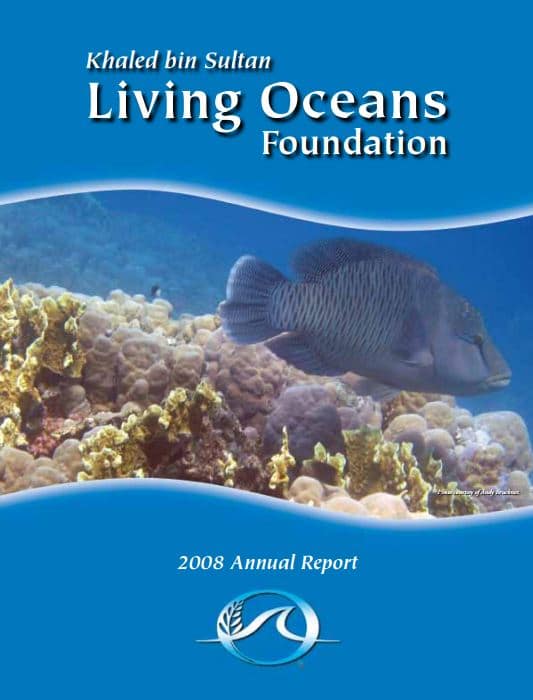
LOF_Annual-Report_2008

The year 2008 was a period of impressive growth and visibility for the Khaled bin Sultan Living Oceans Foundation. By far, the most exciting development this past year was the formal announcement by Prince Khaled bin Sultan during the World Conservation Congress of our upcoming multi-year program titled Global Reef Expedition: Science Without Borders®. This ambitious program will begin in 2010 at which time we will commence our global circumnavigation on the capable research ship, Golden Shadow. We anticipate that the program will conclude at the end of 2012. Throughout the coming three years, the Foundation will map and survey coral reef ecosystems around the world with the objectives of advancing scientific knowledge and promoting conservation management activities. This program will institutionalize the Foundation’s overarching vision of Science Without Borders® through the power of collaboration between international, regional, and local scientists who share the common goal of protecting the world’s majestic coral reefs.

Our operational highlight in 2008 was the successful completion of the third Red Sea expedition to survey and map the coral reef ecosystems of the Saudi Arabian coastline. This research project was the most complex of the series and took place north of Jeddah along the Yanbu Barrier Reef system and at the Al Wajh Bank. This was our first expedition employing both multispectral satellite and airborne hyperspectral imagery technologies. We have one more major expedition to complete this effort and will return to the Saudi coastline in April 2009 to survey a rich coral ecosystem south of Jeddah known as the Farasan Banks. In October 2009, we will conduct an international symposium in Jeddah to release our initial results of this four-year program and receive “stakeholder” feedback so that we may develop the most useful conservation management products.

Another operational highlight this past year was the creation of an online Bahamas Geographic Information System (GIS) resulting from the 2007 biodiversity study with our very capable partners at the Marine Spatial Ecology Laboratory (University of Exeter, UK). This excellent marine conservation tool is in the testing stage now and we anticipate this product will be made available for free public access in July 2009.

Please take some time to review this Annual Report. I am confident that you will agree that the Khaled bin Sultan Living Oceans Foundation is on-stride towards attaining meaningful impact on the challenge of marine conservation, education, and outreach.
Related Posts

From Dialogue to Action: Ocean Foundations Gather in Stockholm

What can philanthropy accomplish when foundations working across ocean science, conservation, and sustainable development come together around a shared purpose?

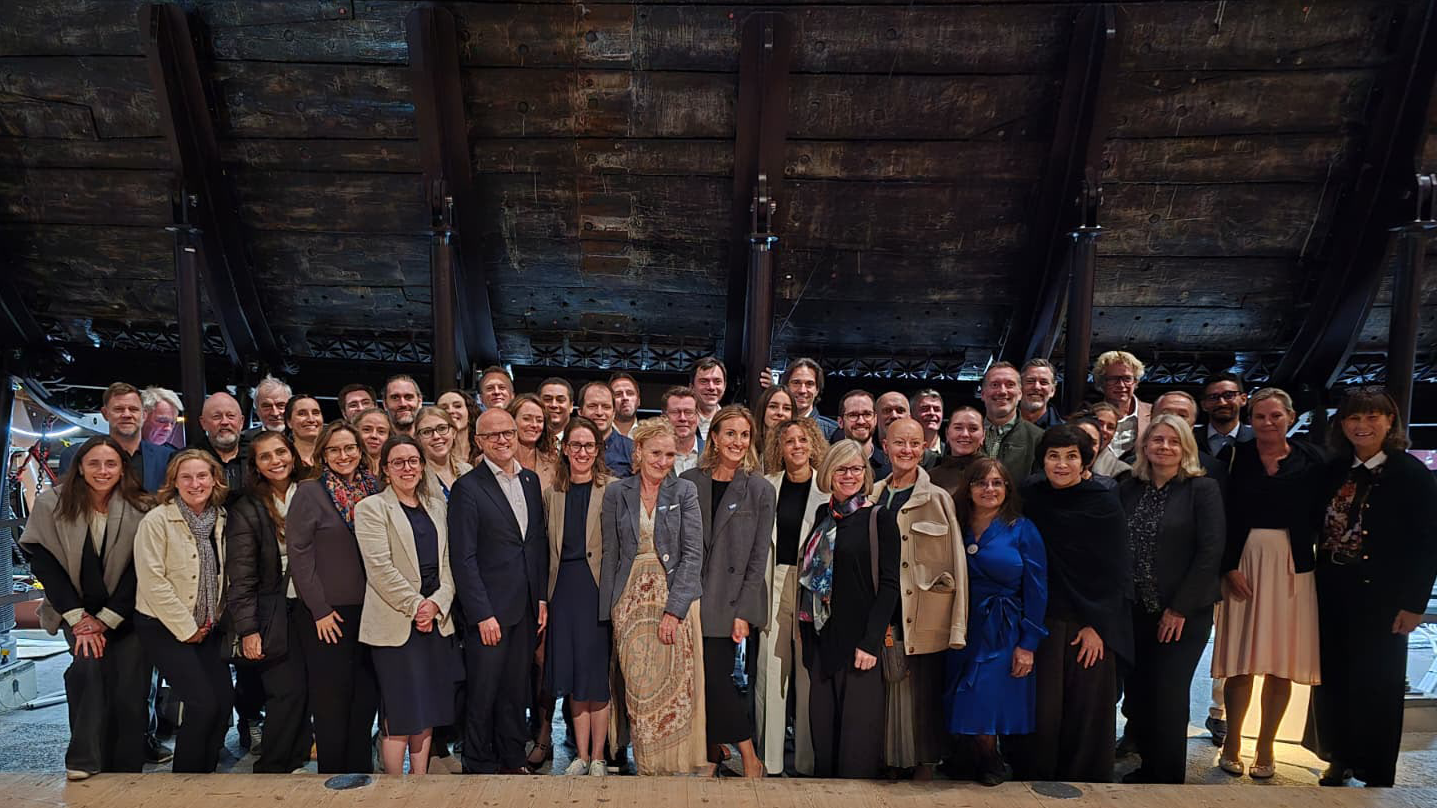
That question was at the heart of the 6th UN Ocean Decade Foundations Dialogue, held September 7–9 in Stockholm, Sweden. The Khaled bin Sultan Living Oceans Foundation joined philanthropic organizations from around the world for three days of discussion, collaboration, and planning focused on accelerating progress during the second half of the UN Decade of Ocean Science for Sustainable Development.

Facilitated by UNESCO’s Intergovernmental Oceanographic Commission (IOC), the UN Ocean Decade Foundations Dialogue is a growing network of more than 30 philanthropic organizations committed to advancing ocean science, collaboration, and action. Since its creation within the framework of the Ocean Decade, the Dialogue has provided foundations with a space to exchange ideas, develop partnerships, and explore how philanthropy can help advance a healthy and resilient ocean.

Hosted by the Voice of the Ocean Foundation (VOTO), this year’s gathering began with From Depth to Action, an Opening Forum that brought nearly 100 leaders from the Swedish and international ocean community together at…

Read More

Meet IFAN: Helping Bring Navigate with Care to the Next Generation

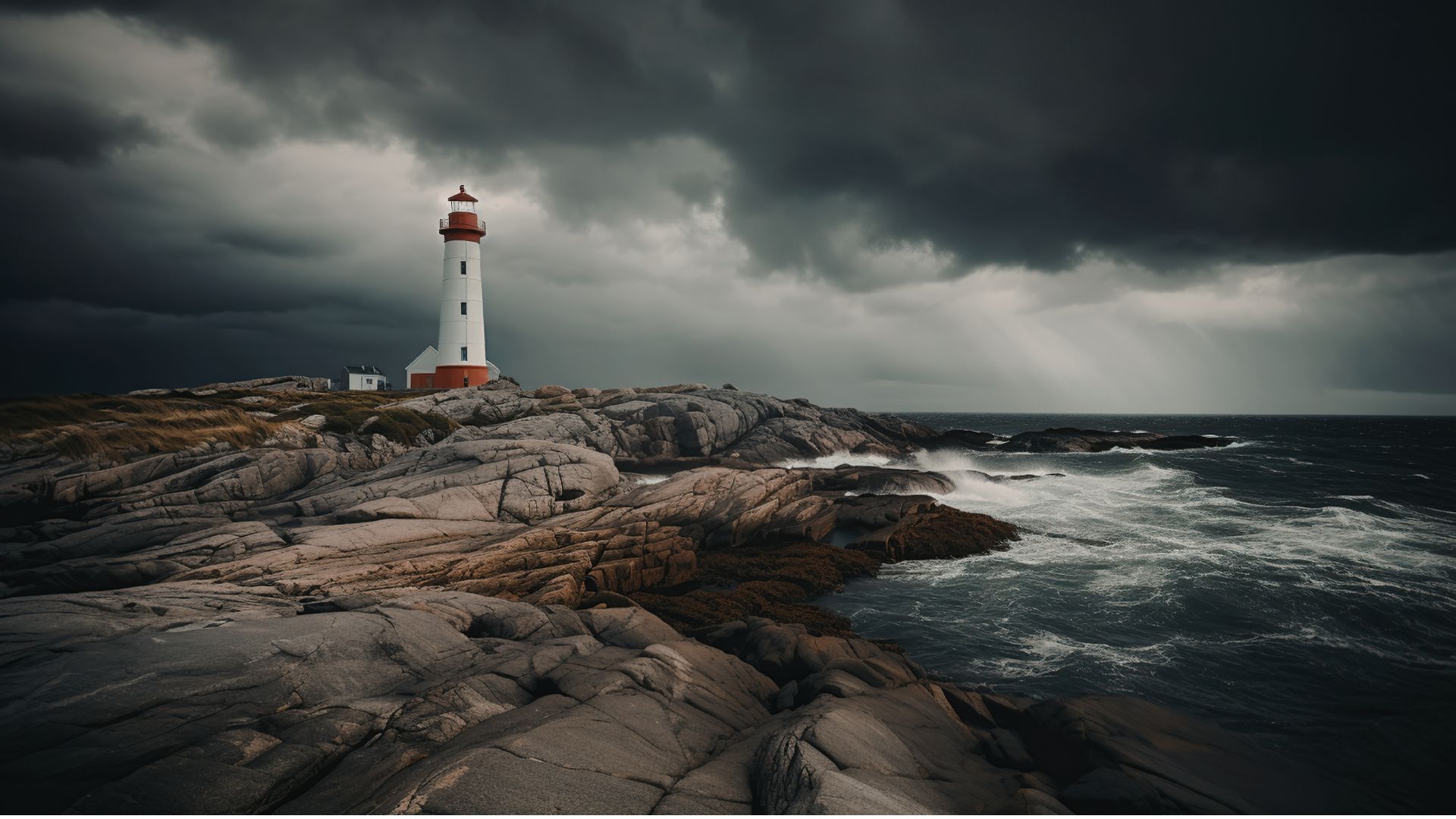
If you’ve ever seen a lighthouse flashing from the shore or a brightly colored buoy bobbing in the water, you’ve seen Aids to Navigation at work.

Aids to Navigation, often called AtoNs, help mariners navigate safely. They can mark channels, warn of hazards, help vessels determine their position, and provide other information people need to make safe decisions on the water. Around the world, these systems help guide everything from small recreational boats to large commercial or container ships. 

But safe navigation isn’t only about protecting vessels and the people aboard them. The choices mariners make can also affect the animals and ecosystems beneath and around them.

That connection between maritime safety and ocean conservation is at the heart of this year’s Science Without Borders® Challenge—and of our partnership with this year’s theme sponsor, the International Foundation for Aids to Navigation (IFAN).

Read More
Privacy Overview

This website uses cookies so that we can provide you with the best user experience possible. Cookie information is stored in your browser and performs functions such as recognising you when you return to our website and helping our team to understand which sections of the website you find most interesting and useful.  You can view our complete Privacy Policy here.

Strictly Necessary Cookies

Most of our cookies are used to improve website security and reduce spam. These cookies should be enabled at all times. They also enable us to save your preferences for cookie settings.

3rd Party Cookies

This website uses Google Analytics to collect anonymous information such as the number of visitors to the site, and the most popular pages. Keeping this cookie enabled helps us to improve our website.