search-icon
Chagos Coral Reefs: A True Natural Paradise

Médium.cz
June 16, 2026

Čagoské korálové útesy: opravdový přírodní ráj

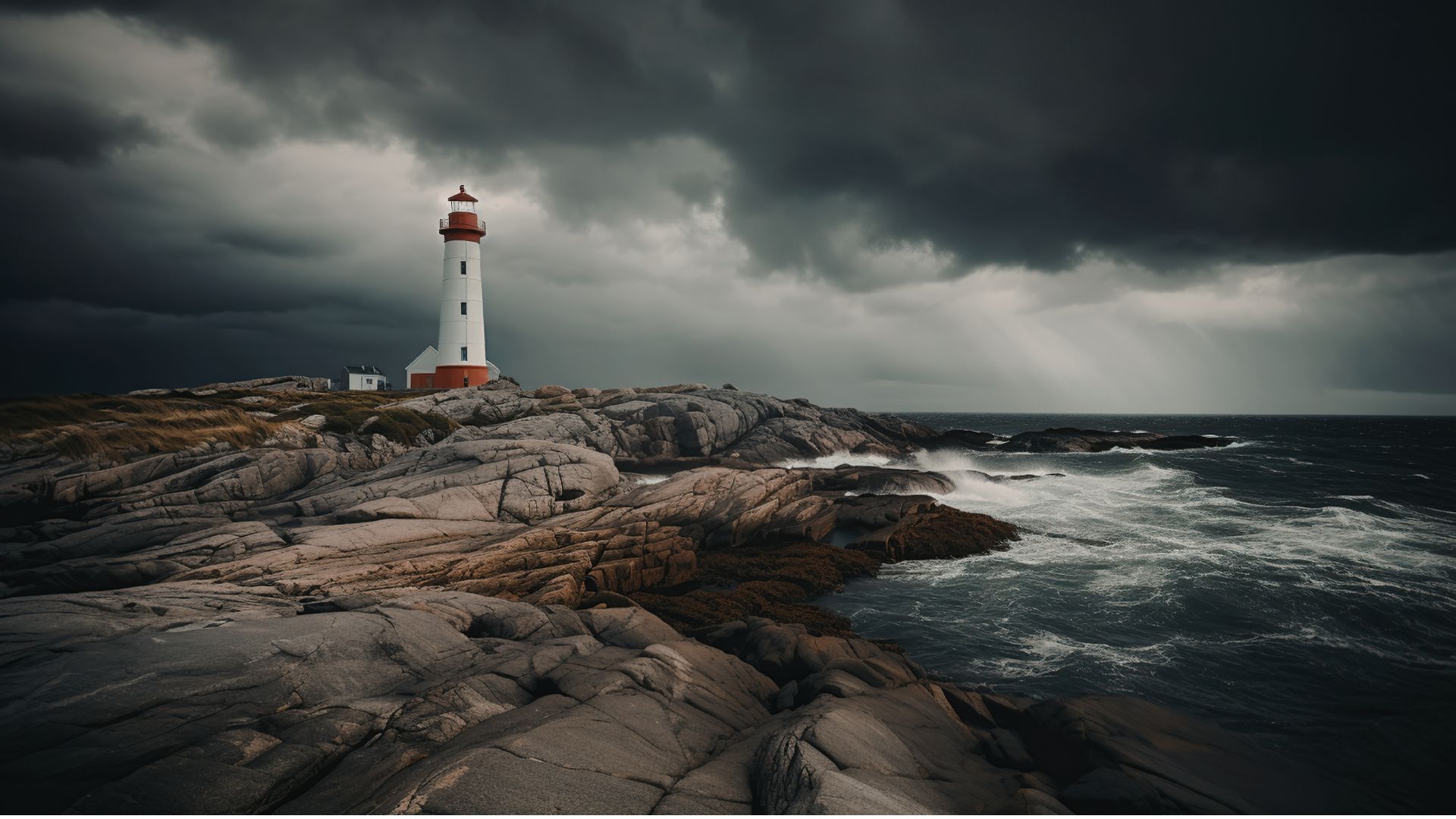
Uprostřed Indického oceánu, zhruba 500 kilometrů jižně od Malediv, leží skupina sedmi atolů a asi šedesáti ostrůvků, kterou si na první pohled snadno spletete s rajskou dovolenkovou destinací. 

Článek

Křišťálově čirá voda, nekonečné korálové bariéry, žraloci, rejnoci a ptačí kolonie – to vše tu existuje v koncentraci, jakou jinde v Indickém oceánu nenajdete. Háček je v tom, že Čagoské souostroví (anglicky Chagos Archipelago) je zároveň jedním z nejméně navštěvovaných míst na Zemi a běžný turista se sem prakticky nedostane.

Kde to vlastně je a jak atoly vznikly

Souostroví tvoří jižní část tzv. Čagosko-laccadivského hřbetu, podmořského pohoří, jehož sopky vznikaly nad takzvaným réunionským hotspotem. Korálové útvary tu sedí na vrcholcích zatopených vulkánů a na rozdíl od pravidelně uspořádaných atolů Malediv působí čagoské atoly poněkud chaoticky rozeseté. Patří mezi ně i Great Chagos Bank – největší korálový atol na světě, který sám o sobě hostí přibližně polovinu plochy kvalitních korálových útesů celého Indického oceánu. Celé souostroví je dnes součástí britského zámořského území British Indian Ocean Territory (BIOT), jehož osud se ale právě v posledních letech zásadně měnil – k tomu se dostaneme níže.

Atoly

Related Posts

Announcing the 15th Annual Science Without Borders® Challenge: Navigate with Care

Every day, fishing boats, ferries, sailboats, kayaks, research vessels, cargo ships, whales, sea turtles, dolphins, seabirds, and countless other marine animals share the same waters. While people rely on the ocean for transportation, recreation, research, fishing, and exploration, it is also home to some of the most diverse and important ecosystems on Earth.

That simple but powerful idea is the inspiration behind the 15th Annual Science Without Borders® Challenge.

Read More

2025-2026 B.A.M. Student Voices

Throughout the Bahamas Awareness of Mangroves (B.A.M.) and Jamaica Awareness of Mangroves in Nature (J.A.M.I.N.) programs, we evaluate each phase of the mangrove education and restoration process to better understand how students are learning, growing, and connecting with their coastal environments.

Before the programs begin, students share what they already know about mangroves and how they feel about them. As the program progresses, we continue to gather feedback to see how their knowledge evolves from identifying mangrove species and understanding food webs to recognizing the role mangroves play in coastal protection and climate change mitigation.

But the surveys go beyond science content.

We also ask students…

Read More
Privacy Overview

This website uses cookies so that we can provide you with the best user experience possible. Cookie information is stored in your browser and performs functions such as recognising you when you return to our website and helping our team to understand which sections of the website you find most interesting and useful.  You can view our complete Privacy Policy here.

Strictly Necessary Cookies

Most of our cookies are used to improve website security and reduce spam. These cookies should be enabled at all times. They also enable us to save your preferences for cookie settings.

3rd Party Cookies

This website uses Google Analytics to collect anonymous information such as the number of visitors to the site, and the most popular pages. Keeping this cookie enabled helps us to improve our website.