
search-icon
Machine‑Learning Algorithms for Identifying Climate‑Resilient Corals in the Republic of Palau

Published in Discover Oceans


Abstract

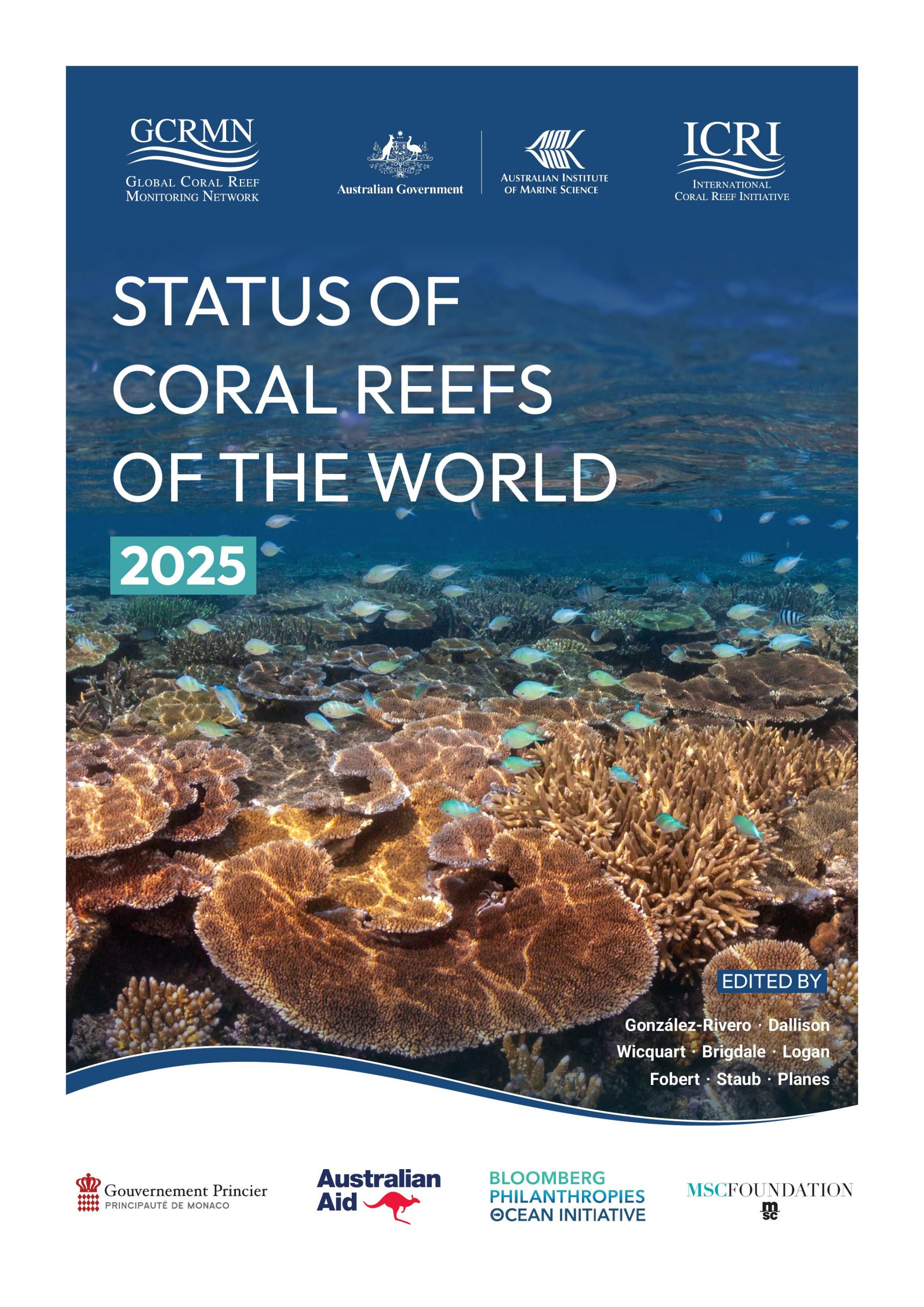
To restore degraded coral reef habitats, it is critical to ensure that the scleractinian broodstock utilized can withstand future heatwaves. However, reef coral resilience is normally assessed only after catastrophic stress events. By tapping into a rich, “molecules-to-satellites” dataset acquired during the Living Ocean Foundation’s research mission to the Republic of Palau, we trained an artificial intelligence to accurately predict pocilloporid coral thermotolerance from relatively cheap, easy-to-measure environmental and ecological survey parameters. Specifically, a neural network featuring 22 predictors, such as coral cover and colony size, could forecast the whereabouts and properties of climate-resilient colonies of Pocillopora acuta with ~ 90% accuracy. This machine-learning model enables practitioners to (1) estimate the climate resilience of local pocilloporid populations and (2) identify habitats characterized by high pocilloporid coral resilience.
 

Related Posts

2025-2026 B.A.M. Student Voices

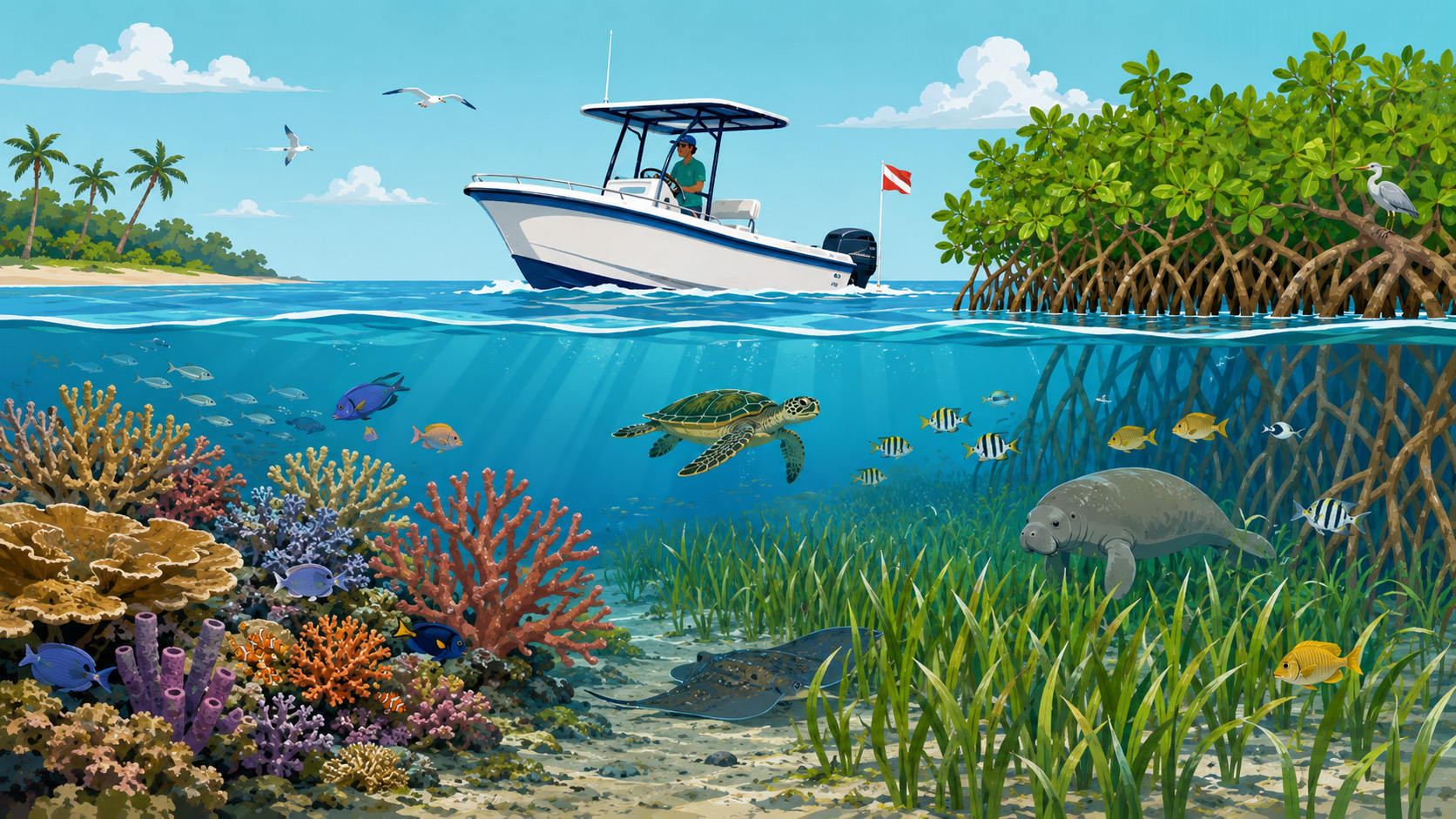
Throughout the Bahamas Awareness of Mangroves (B.A.M.) and Jamaica Awareness of Mangroves in Nature (J.A.M.I.N.) programs, we evaluate each phase of the mangrove education and restoration process to better understand how students are learning, growing, and connecting with their coastal environments.

Before the programs begin, students share what they already know about mangroves and how they feel about them. As the program progresses, we continue to gather feedback to see how their knowledge evolves from identifying mangrove species and understanding food webs to recognizing the role mangroves play in coastal protection and climate change mitigation.

But the surveys go beyond science content.

We also ask students…

Read More

Ten Years of B.A.M.: Rooted in Partnership, Growing in Purpose

Ten years ago, the Bahamas Awareness of Mangroves (B.A.M.) program began with a simple but meaningful commitment: to connect Bahamian students with the mangrove ecosystems that shape and protect their island home.

Since 2015, B.A.M. has been implemented in partnership with Friends of the Environment, whose dedication to environmental stewardship in Abaco has made this program possible year after year. Together, we have worked alongside Patrick J. Bethel High School and Forest Heights Academy to bring hands-on mangrove science into classrooms and out into the field.

What makes ten years remarkable is not just longevity — it is consistency…

Read More