Proceedings of the International Cyanide Detection Testing Workshop.
The International Cyanide Detection Testing Workshop was conceived to identify possible options for reducing the use of cyanide in the capture of coral reef fi shes for the marine aquarium trade and the live reef food fi sh trade. Because the emphasis was on identifying options for cyanide testing in exporting and importing countries, as well as management and enforcement opportunities, participants included forensic chemists with expertise in cyanide testing, as well as government and non-government representatives from the United States and three major exporting countries — Philippines, Indonesia, and Vietnam. Attempts were made to involve key experts who either had developed a possible test for cyanide or had implemented cyanide testing on marine fi shes, as well as those involved in conservation and education initiatives directed at major stakeholders, including fi shermen and other industry representatives and non-government conservation groups.
This workshop represents one component of a series of initiatives being implemented by the NOAA Coral Reef Conservation Program to address unsustainable and destructive trade in coral reef species. The mandates for this work include the Executive Order on Coral Reef Protection (13089) issued by President Clinton in 1998, the U.S. Coral Reef Task Force Coral Reef Action Strategy, and the Coral Reef Conservation Act of 2000. The Executive Order called for the creation of the U.S. Coral Reef Task Force (USCRTF), a multi-agency federal body chaired by NOAA and the Department of the Interior, with involvement by state and
territorial governments. It also specifi cally identifi ed unsustainable coral trade as an item the United States needed to address. Between 1998 and 2000, USCRTF members developed a road map for coral reef conservation — the National Action Plan to Conserve Reefs. One component of the Plan outlines seven key actions the United States should take to ensure the trade in coral reef species is sustainable, one of which targets efforts to improve law enforcement both domestically and internationally. At the 14th Meeting of the USCRTF in Palau, the Task Force called on its members to increase efforts to build enforcement capacity. The Steering Committee was charged with developing an enforcement “toolbox” in cooperation with the International Coral Reef Initiative (ICRI), to help coral reef management communities build enforcement capacity. A decision was also adopted by the USCRTF to address the use of poisons in the capture of reef fi shes. The decision called for the creation of a working group on enforcement to
- identify and recommend specific experts in law enforcement, field forensics, and toxicology/biomarkers; and
- utilize their expertise to identify existing or potential cyanide detection methods or tests which could be used to determine if fish had been exposed to cyanide.
They also asked the group to explore the usefulness of convening a broader expert panel to resolve the issues associated with cyanide detection tests.
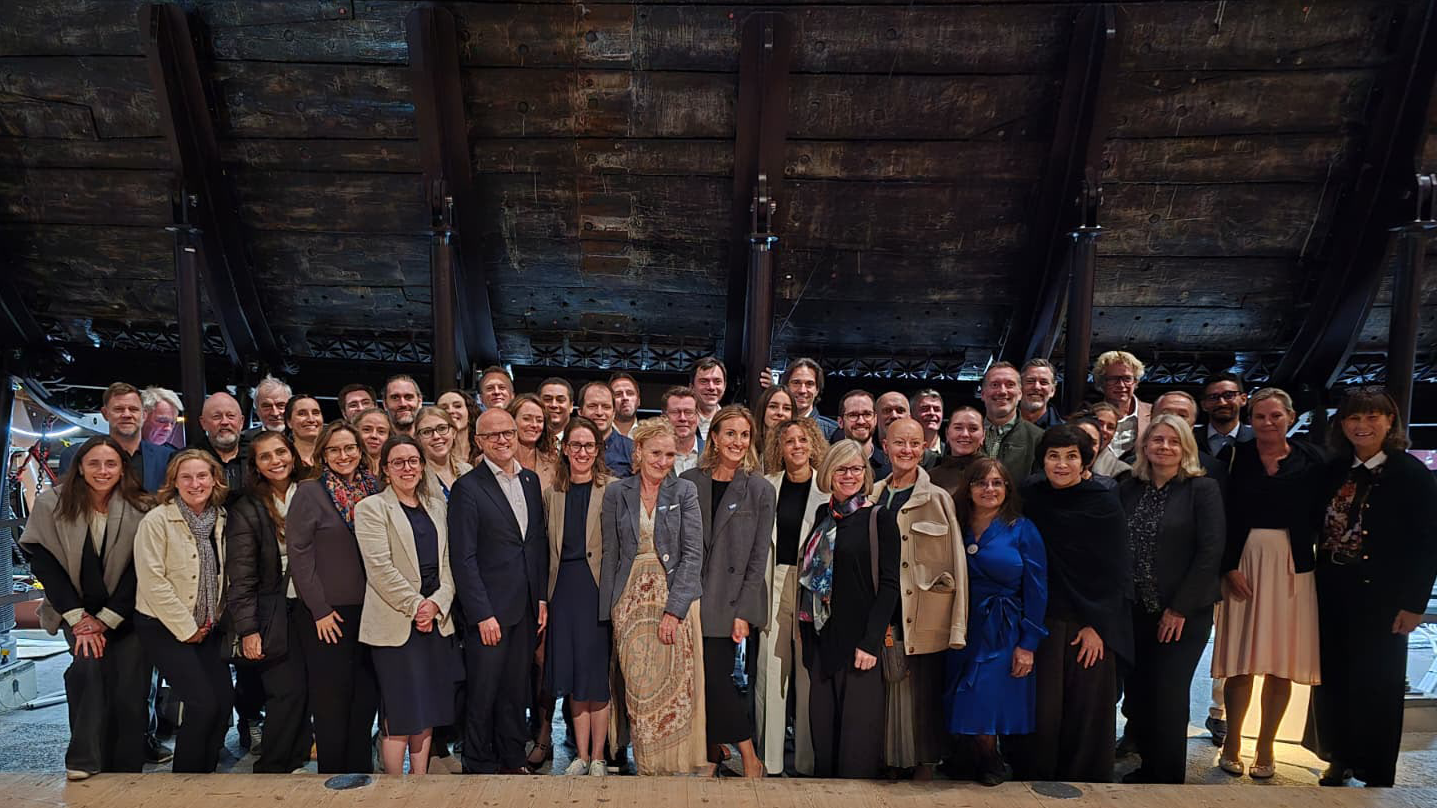
Through funding from the NOAA Coral Reef Conservation Program, a workshop of experts was convened in February 2008. This document summarizes the outcomes of that meeting. Included are summary recommendations, working group reports, abstracts and white papers from speakers, and background information on cyanide fisheries. The Executive Summary highlights the major outcomes and conclusions from the workshop, including nine specific recommendations. These proceedings provide the framework for moving forward in implementing networks of cyanide detection laboratories.