 LANDOVER, MD, November 24, 2014 – The Khaled bin Sultan Living Oceans Foundation has completed a large-scale survey of Solomon Islands reefs, and what they saw was quite unexpected.
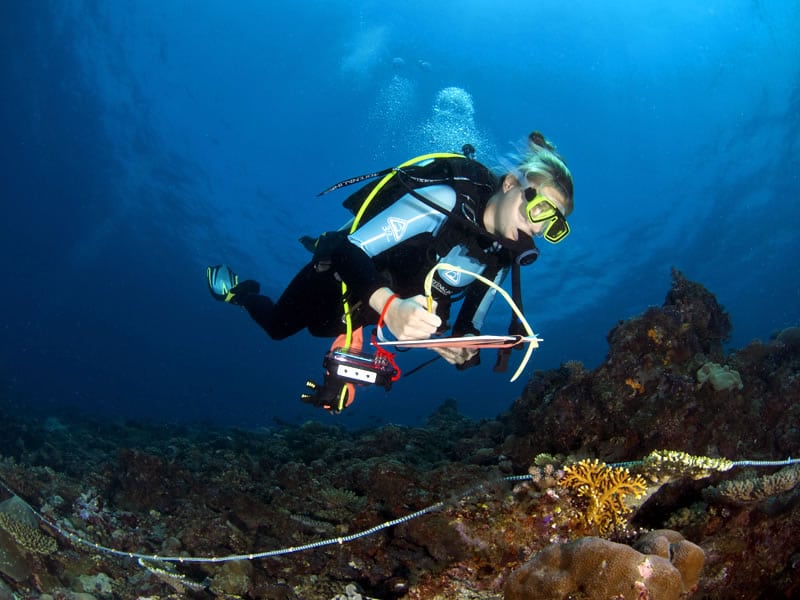
The team of scientists boarded the M/Y Golden Shadow at the end of October, joined by Ministry of Fisheries and Marine resources, Catlin Seaview Survey, University of Queensland, and Oceanswatch and set out on a month-long expedition to collect scientific reef data. The voyage would take them to seventy two different reefs in locations off Munda, Arnavon Islands, Gizo, Marovo Lagoon, Vanikoro, Utupua, Reef Islands and Tinakula.
Diving underwater at each location was always slightly different, but in general the divers were welcomed by a great variety of reef fish, they counted over 600 different species in all, far more than the team have seen in other nations where they have done similar surveys. However, in the hundreds of hours that the team spent underwater they saw only a few large sharks, nothing like the quantity of sharks they would have expected in these waters. The few large sharks that they saw were in Temotu on the reefs of Vanikoro, Utupua and the Reef Islands.
The Reef Islands also had the highest numbers of other large predatory fish, like snappers and groupers, and the Marine Protected areas in Arnavon seemed to have healthy fish populations. In other areas the scientists only saw a few predatory fish and they were mostly small, young fish.
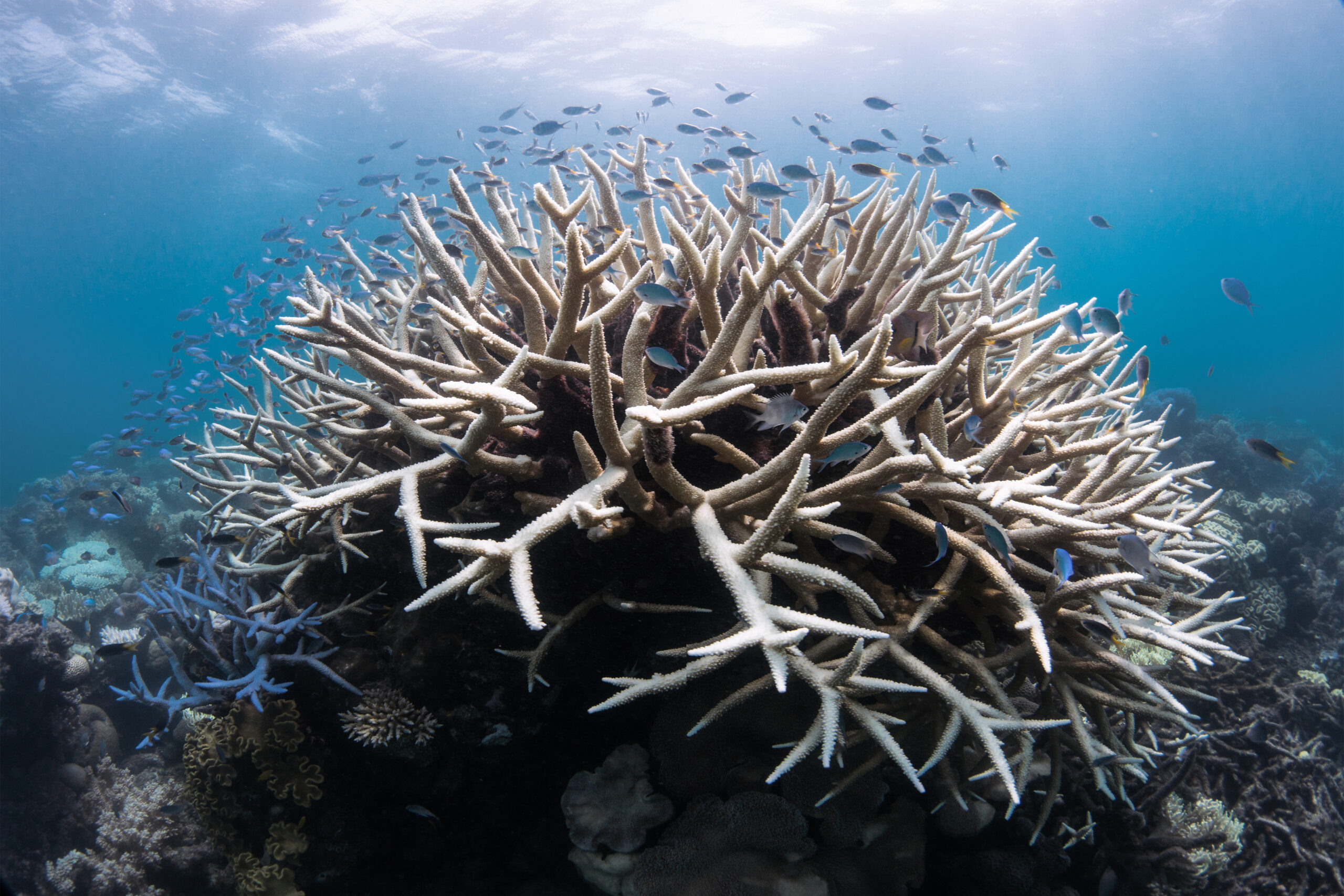
The divers didn’t go deeper than thirty meters since most of the coral grows in the shallow surface water. The team often found healthy reef communities with high coral cover between five and twelve meters down, but the deeper water concealed a different story. In one or two places the divers could see that the coral continued down into deeper water as far as the light would allow, but more often they saw unusually thick mats of cyanobacteria, calcareous green coralline algae, fleshy seaweed and very little coral.
Each island or region had both “good” and “bad” sites in terms of cover, structure and health of corals. Chief Scientist Dr. Andrew Bruckner said “sites that were ‘good’ included shallow areas dominated by branching, digitate and tabular acroporids and large stands of foliaceous and plating corals in deeper water. A number of sites had high amount of old mortality, recent partial mortality from disease, snail predation, overgrowth by sponges and algae, evidence of past storm damage and extensive bioerosion.” The team saw voracious crown of thorns starfish in most locations, but they only found severe localized outbreaks on three reefs in the Reef Islands, one in Munda and one in Gizo.
Now that the data is collected the science team will start analyzing the numbers. The study is part of a five year Global Reef Expedition, run by the Khaled bin sultan Living Oceans Foundation. The goal of the study is to circumnavigate the globe to understand the state of the worlds’ coral reefs in today’s changing oceans. It will take several months before the scientists complete full reports of their findings in the Solomon Islands. The complete results will be published publically and will be available online.