
search-icon
United Nations report urges expanding World Heritage sites to high seas

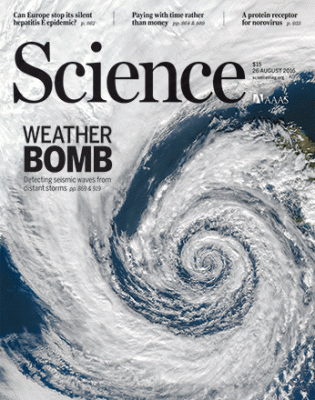
This article in Science Magazine highlights Living Oceans Foundation sponsored campaign with UNESCO to expand its World Heritage sites to include the high seas.

United Nations report urges expanding World Heritage sites to high seas

Science MagazineUnited Nations report urges expanding World Heritage sites to high seas
August 4, 2016
By Ben Panko

A United Nations group is urging the world’s governments to expand a longstanding—but largely symbolic—conservation strategy to international waters. To make sure that important high seas ecosystems get the attention they deserve, governments should establish ways to designate World Heritage sites in the two-thirds of the world’s seas that sit outside of national borders, argues a new report from the United Nations Educational, Scientific and Cultural Organization (UNESCO).

“Just as on land, the deepest and most remote ocean harbours globally unique places that deserve recognition,” World Heritage Centre Director Mechtild Rössler wrote in an introduction to the report, published yesterday.

The 1972 World Heritage Convention, which has been ratified by nearly 200 nations, allows nations to nominate places that have special cultural or physical significance to a list of World Heritage Sites maintained by UNESCO. The list currently includes more than 1000 sites, including famous structures such as India’s Taj Mahal and natural areas such as the Serengeti National Park in Tanzania. Protecting the sites is largely left up to national governments, although a listing does add some protections under international law.

UNESCO currently lists 47 marine areas as World Heritage sites, including Ecuador’s Galápagos Islands and Australia’s Great Barrier Reef. Those who wrote the 1972 agreement, however, didn’t establish a clear way to designate sites that are not within national boundaries. But “it is difficult to imagine that the founders’ far-sighted vision of World Heritage protection envisaged a future world where we intentionally or accidentally ended up excluding half the surface of the earth—the open ocean,” Rössler writes…
Related Posts

OceanImageBank_TheOceanAgency_Bleaching_16-scaled-1

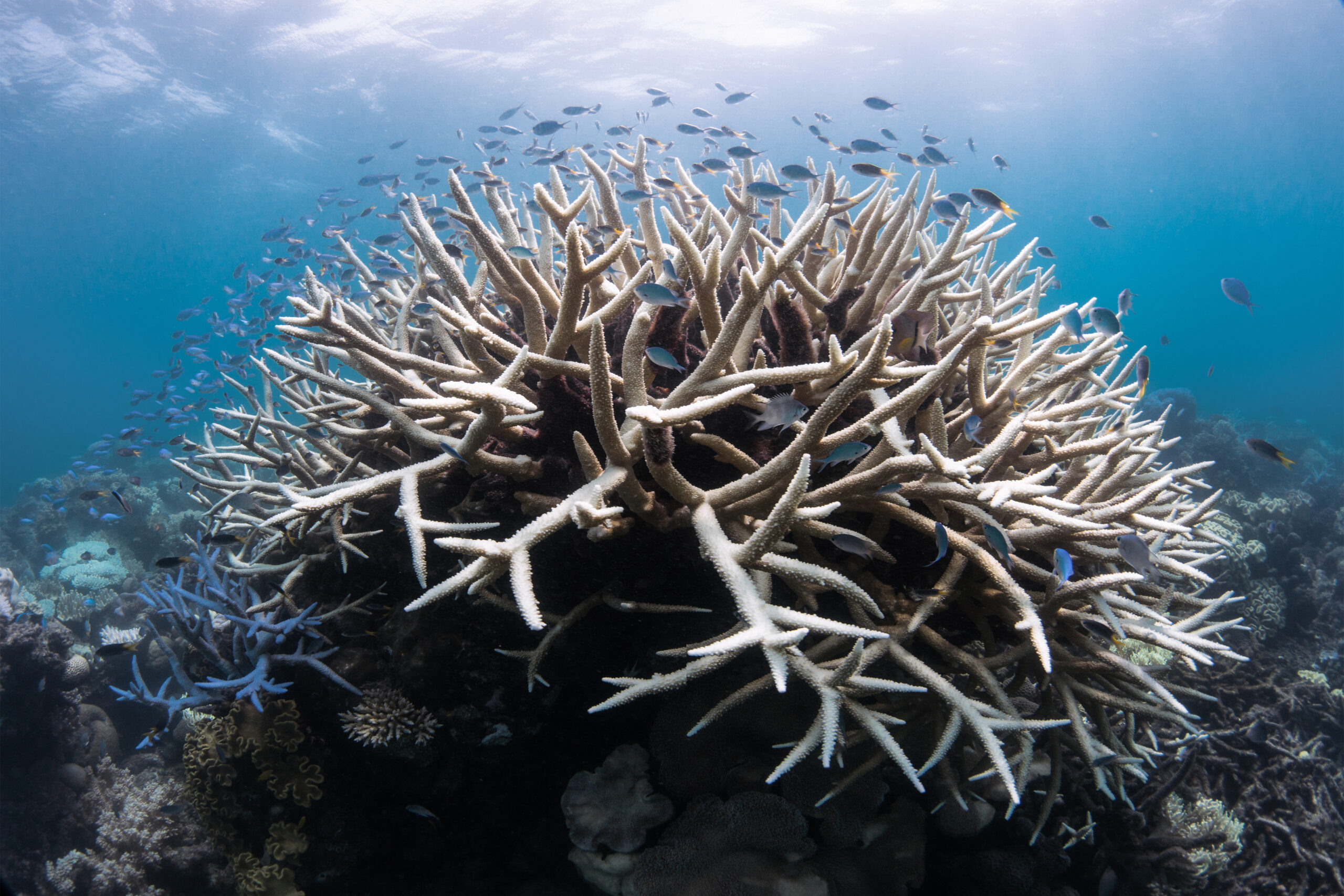
Coral Bleaching Awareness Month: Giving Coral Reefs a Chance to Recover

For hundreds of millions of years, coral reefs have supported life in our oceans. Although they cover less than 1% of the ocean floor, they provide habitat for at least 25% of all marine species. They also support people around the world by sustaining fisheries and tourism, providing food and livelihoods, and helping protect coastlines from waves and storms.

But coral reefs are under increasing pressure. Pollution, overfishing, coastal development, physical damage, and increasingly warm ocean temperatures can all affect reef health. One of the most visible signs that a coral reef is under stress is coral bleaching.

This September, in recognition of Coral Bleaching Awareness Month, we’re taking a closer look at what happens when corals bleach, why bleaching matters, and what scientists around the world are doing to better understand, protect, and restore coral reefs.

Read More

Everything You Need to Know About the 2027 Science Without Borders® Challenge

Are you ready to combine your creativity with ocean science?

The 15th Annual Science Without Borders® Challenge is now open! Whether you’re participating for the first time or returning for another year, this guide will help you get started.

This year’s theme, Navigate With Care, invites students to explore how responsible navigation helps protect both people and life in the ocean. Through your artwork, you can compete for scholarships and international recognition while inspiring others to protect both people and life in the ocean.

Read More
Privacy Overview

This website uses cookies so that we can provide you with the best user experience possible. Cookie information is stored in your browser and performs functions such as recognising you when you return to our website and helping our team to understand which sections of the website you find most interesting and useful.  You can view our complete Privacy Policy here.

Strictly Necessary Cookies

Most of our cookies are used to improve website security and reduce spam. These cookies should be enabled at all times. They also enable us to save your preferences for cookie settings.

3rd Party Cookies

This website uses Google Analytics to collect anonymous information such as the number of visitors to the site, and the most popular pages. Keeping this cookie enabled helps us to improve our website.