search-icon
Restocking the Future – Part 1

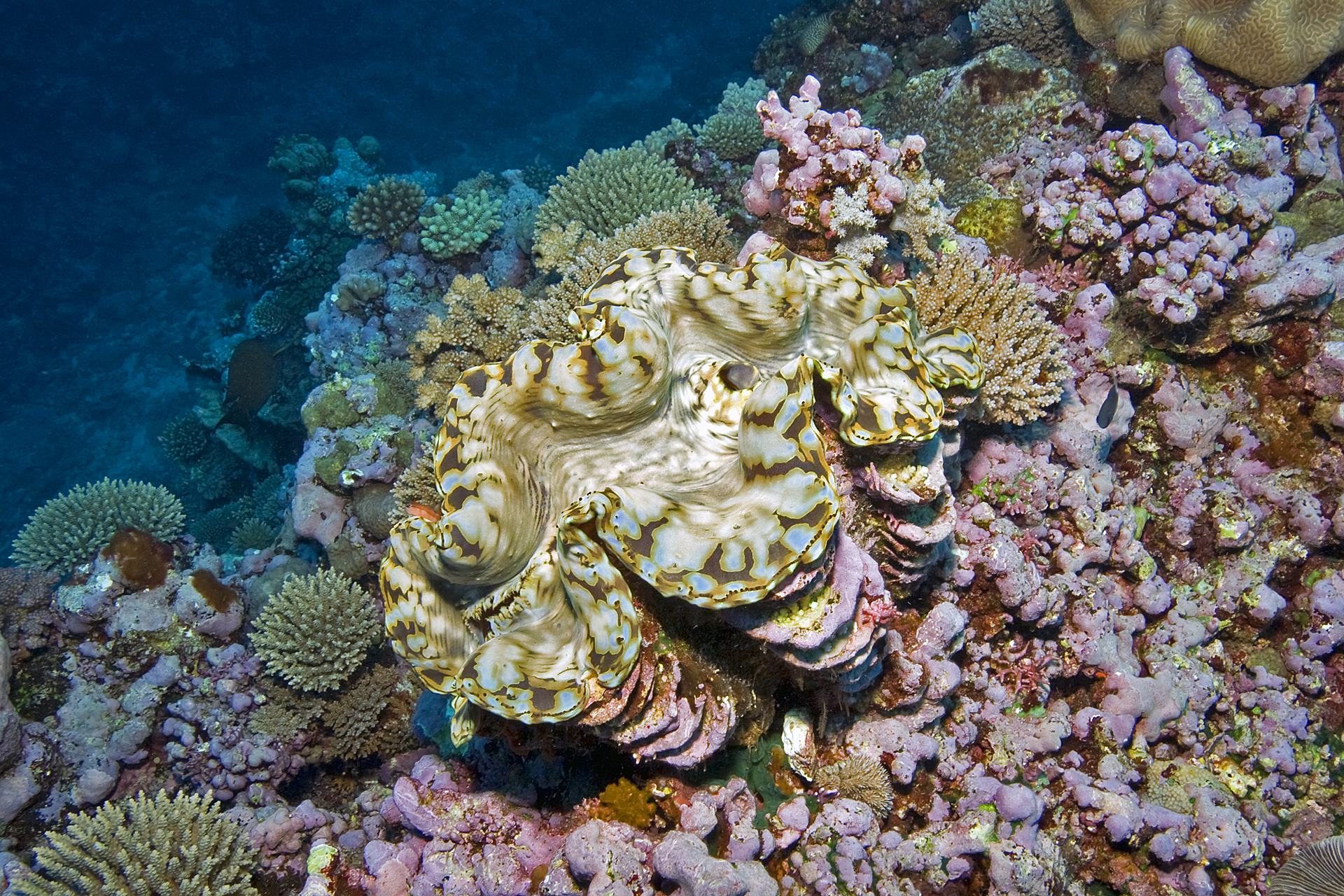
For those of you who have never seen a giant clam, let me tell you they are incredible creatures. I’m intrigued by these enormous, marble-colored flesh animals.  Their size alone is impressive with potential to grow up to almost 5 feet (1.5 m) and weigh upwards of 440 pounds (200 kg). Not to mention, some have a lifespan of over 100 years.
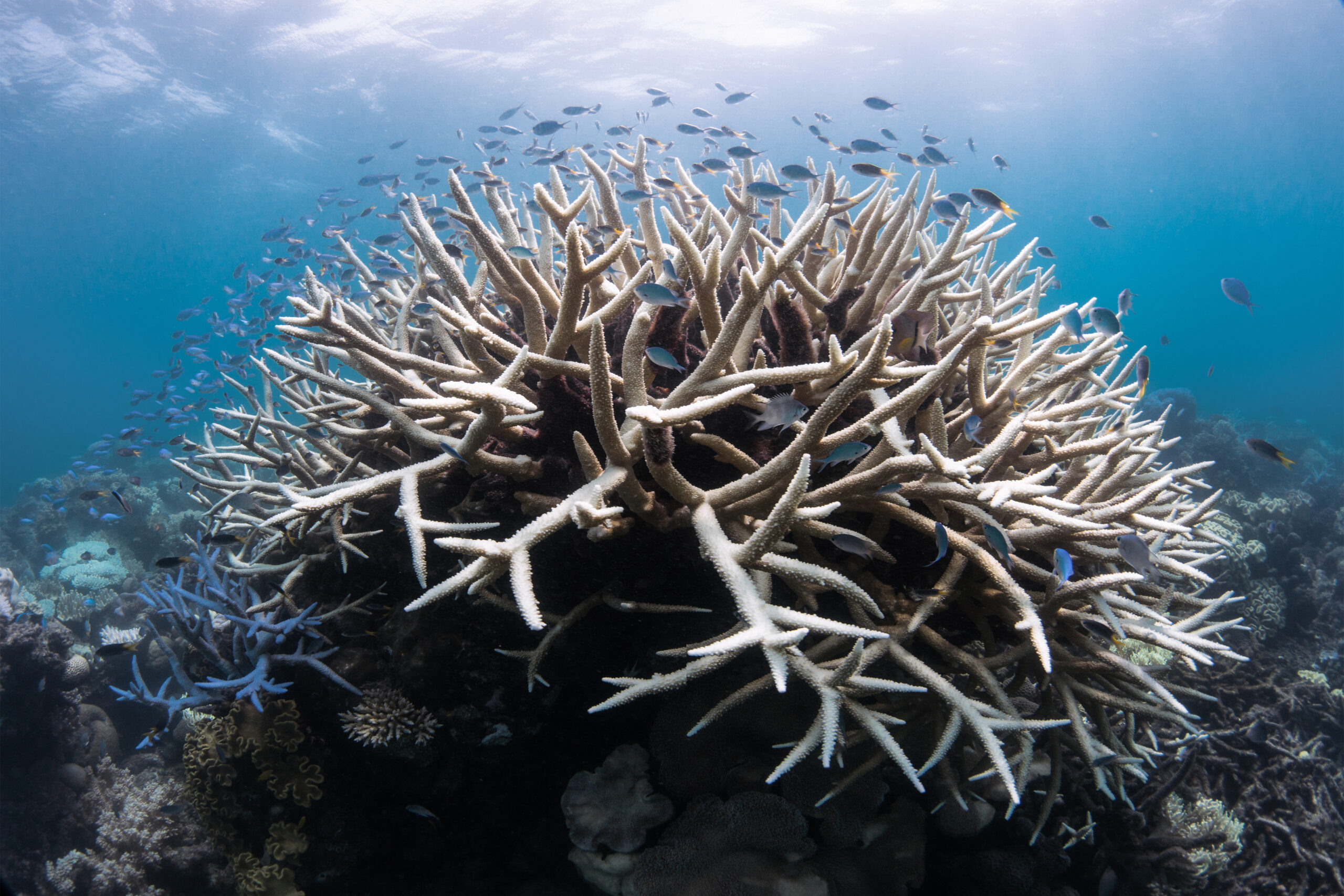
Fiji Department of Fisheries is reintroducing endangered giant clams and protecting them from overfishing under Fiji Fisheries Act.

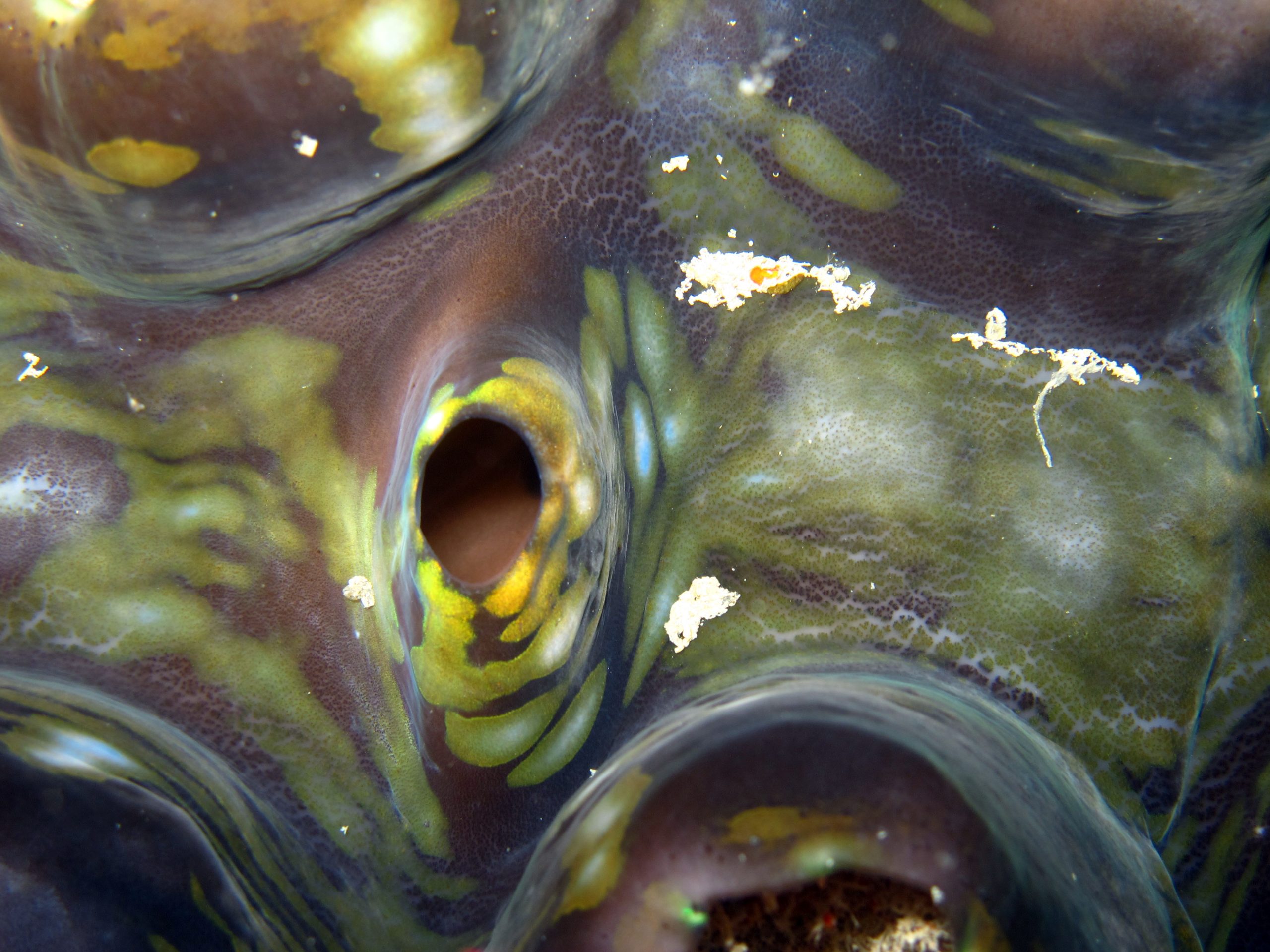
Due to their immobility, giant clams must filter feed. They siphon hundreds of gallons of water per day removing plankton and organic matter. Like corals, they have a symbiotic relationship with zooxanthellae (algae) that live in the mantle (fleshy part) of the clam. The algae photosynthesize providing an added food source.
SJupiter_2012Naia_057a

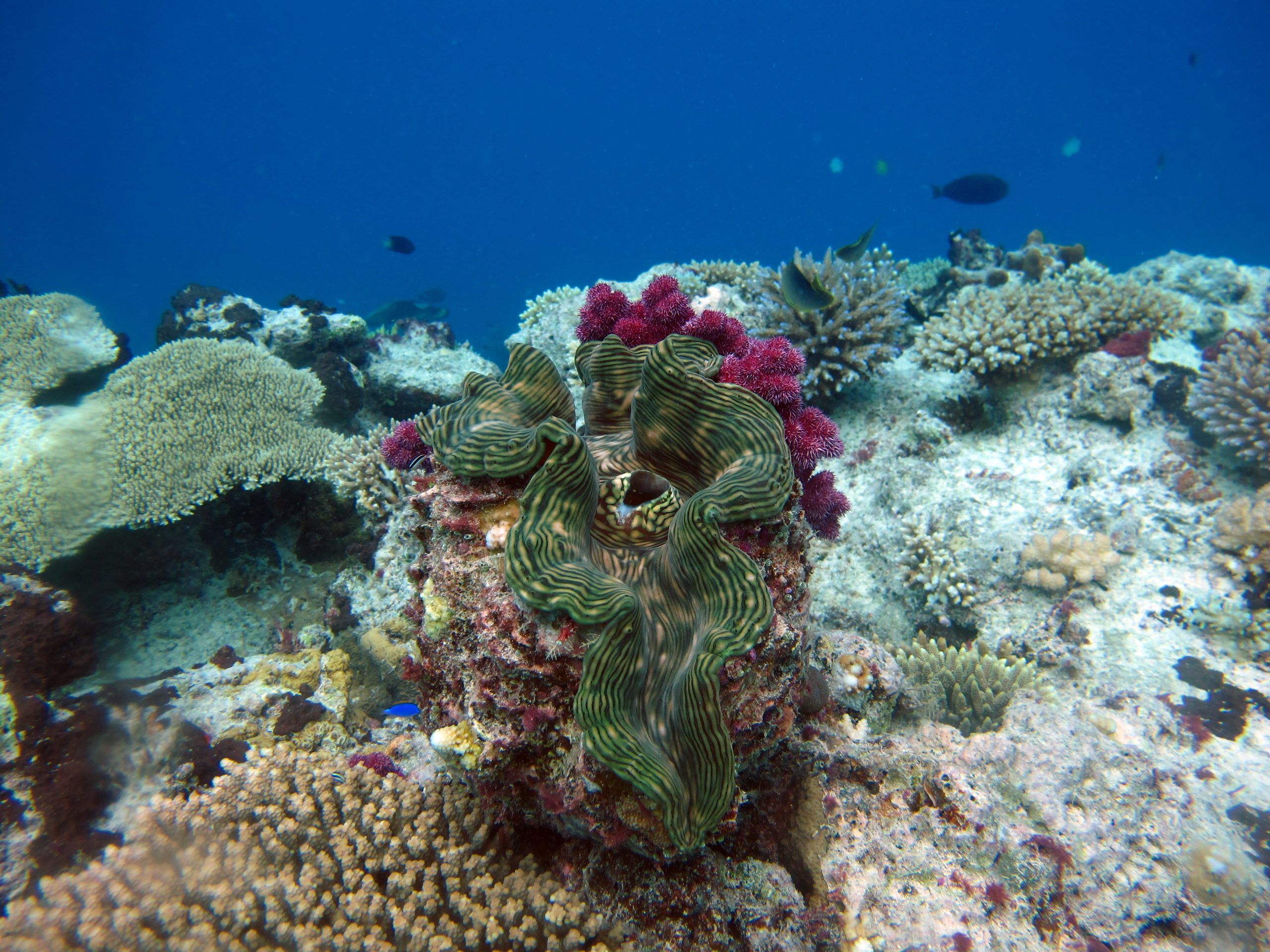
There are ten species of giant clams in the Indo-Pacific. Sadly, Tridacna gigas, the largest giant clam, was believed to be extinct in Fiji due to overharvesting. They were harvested for the shell and aquaria trade as well as consumption. The good news is that in 2000 the Fiji Department of Fisheries started a giant clam reintroduction program, not only with T. gigas, but other threatened or endangered giant clams as well.
SJupiter_giantclam_Gau

Today, giant clams are protected under the Fiji Fisheries Act that prohibits the export of giant clam meat. Internationally, the Convention on International Trade in Endangered Species (CITES) also protects these clams. By educating the general public, reintroducing giant clams, and enforcing stricter harvesting laws, there is hope for these magnificent creatures yet.

Stayed tuned for more information about giant clams

(Photos/Images by:1 Ken Marks, 2,3 Stacy Jupiter)

To follow along and see more photos, please visit us on Facebook!
Related Posts

Ten Years of B.A.M.: Rooted in Partnership, Growing in Purpose

Ten years ago, the Bahamas Awareness of Mangroves (B.A.M.) program began with a simple but meaningful commitment: to connect Bahamian students with the mangrove ecosystems that shape and protect their island home.

Since 2015, B.A.M. has been implemented in partnership with Friends of the Environment, whose dedication to environmental stewardship in Abaco has made this program possible year after year. Together, we have worked alongside Patrick J. Bethel High School and Forest Heights Academy to bring hands-on mangrove science into classrooms and out into the field.

What makes ten years remarkable is not just longevity — it is consistency…

Read More

From Mangrove Mud to Meaningful Work: Desta’s J.A.M.I.N. Journey

Some students I remember for their grades, their quick answers, or a moment that made the whole class laugh. Others I remember for the way they stepped into the mangroves.

Desta was the kind of student who thrived outdoors. While some students hesitated at the edge of the mud, he walked right in. And when he inevitably got stuck — because everyone does — he didn’t get frustrated. He laughed. Covered in mud, holding mangrove propagules in his hands, he embraced the experience fully.

Even then, it was clear that he was connecting with the environment in a way that went beyond the lesson plan…

Read More