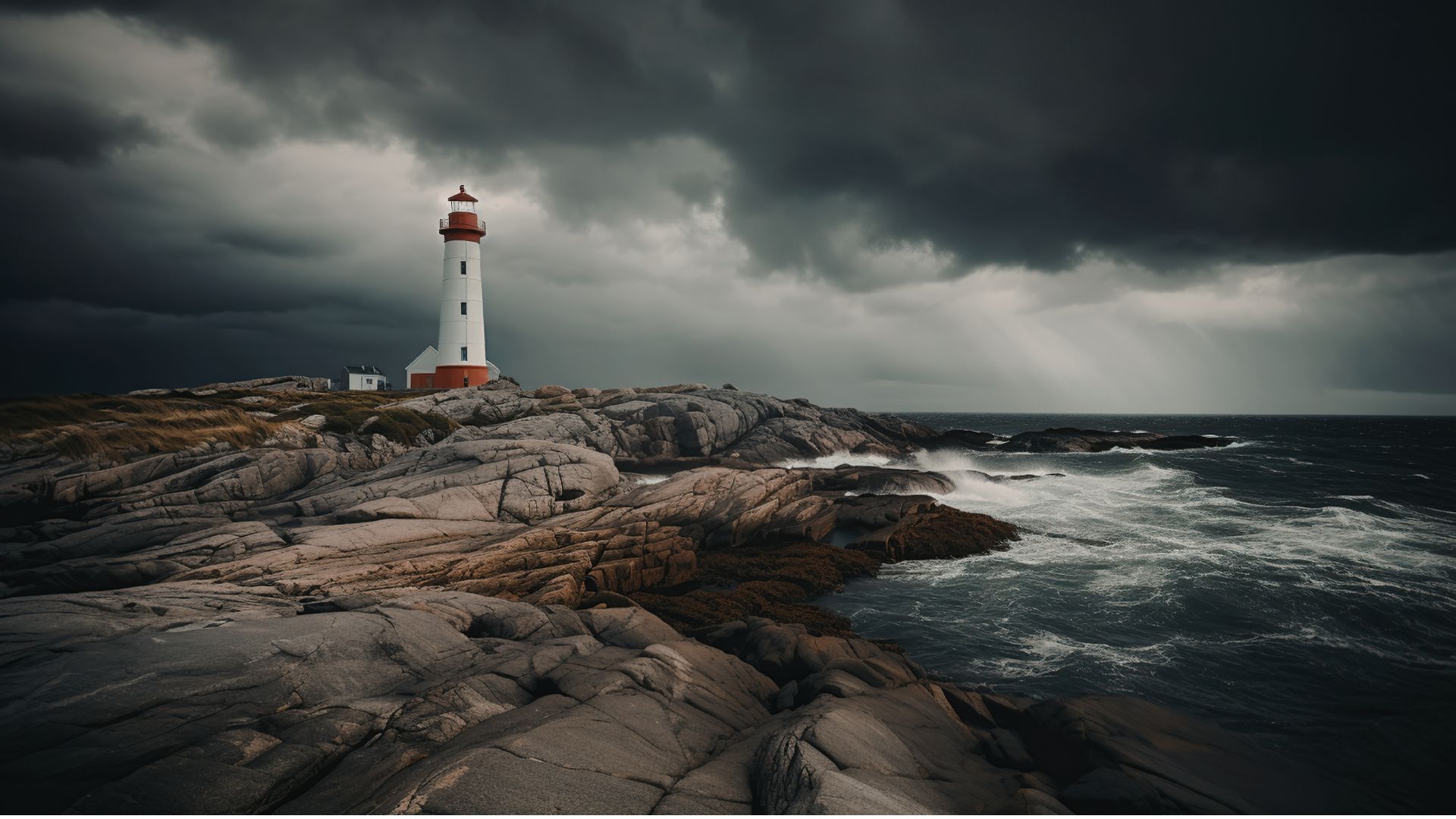
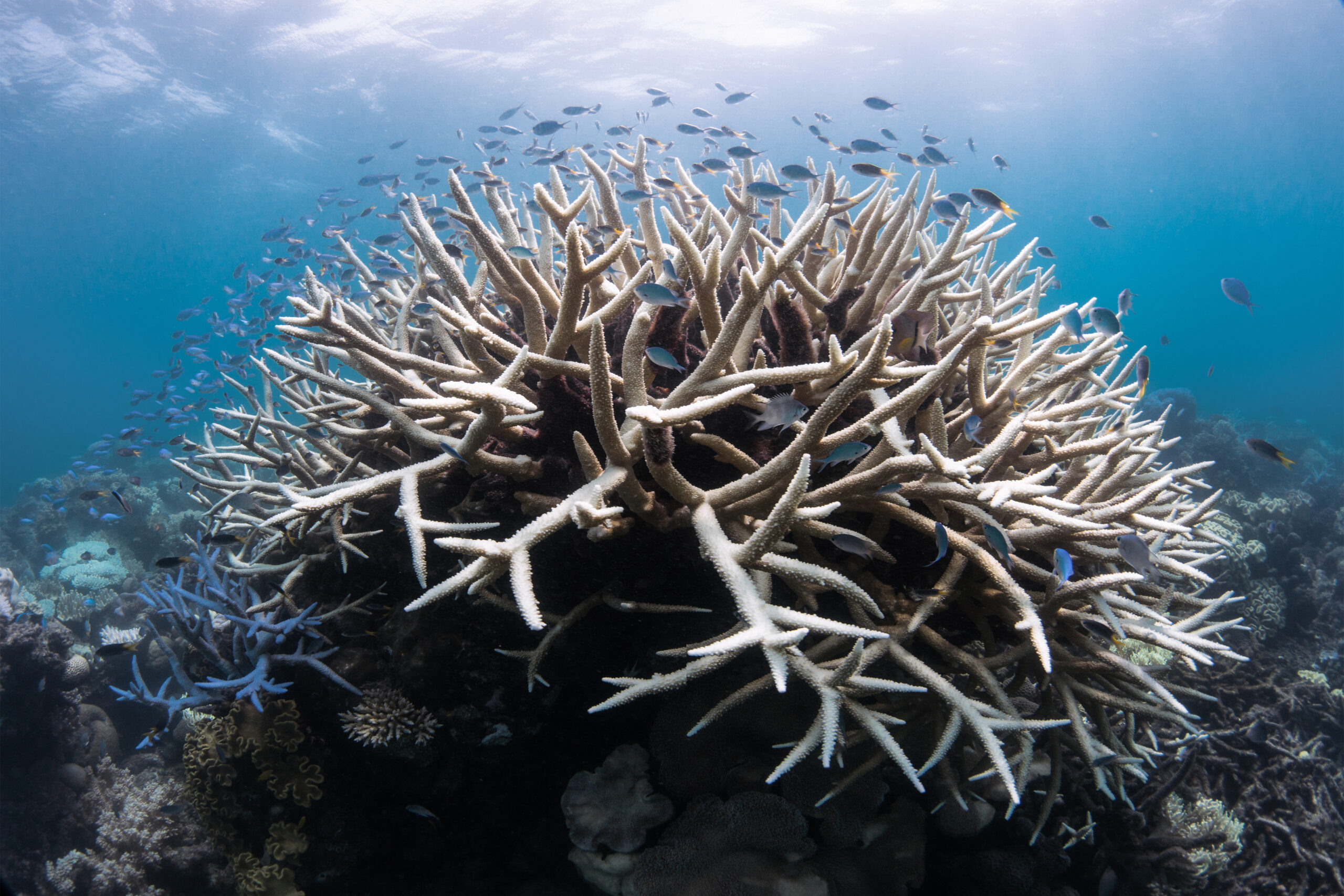
Today was our last day surveying the Arnavon Islands. The sun was out, the seas were calm, and the diving was spectacular.
The Arnavon Islands are uninhabited; however, they are looked after by three communities: Katupika, Kia, and Wagina. Throughout the Solomon Islands, villages or families have specific lands that they have been given ownership of. Land is passed down from generation to generation. These three communities have land ownership rights in the Arnavon Islands.
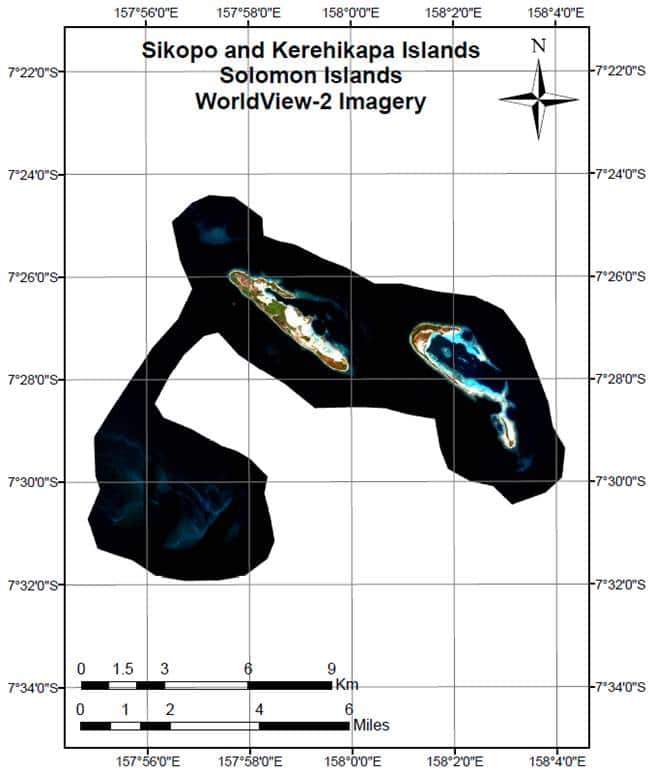
Map of the Arnavon Islands.
In order to protect and conserve their marine resources, the Arnavon’s Community Marine Conservation Area (ACMCA) was established in 1995. ACMCA is a Marine Protected Area (MPA) and no fishing is allowed. Together, these communities work together to manage and monitor ACMCA. This 157-km2 area is particularly important because it is one of the largest nesting grounds for the critically endangered hawksbill sea turtle, Eretmochelys imbricata.
Adult hawksbill sea turtles are primarily found near healthy coral reefs in the Atlantic, Pacific, and Indian Oceans. Internationally, this sea turtle is listed as critically endangered (IUCN) mainly due to overexploitation. One of the greatest threats to hawksbills has been harvesting them for their shells, which is often referred to as “tortoise shell.” Around the world, they are used for decoration or to make products such as eyeglasses, combs, jewelry, etc.
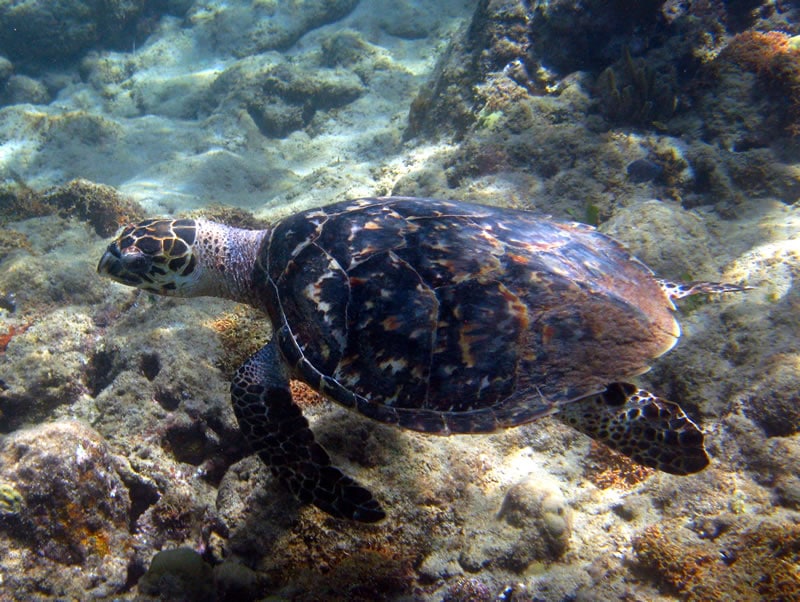
Notice the beautiful hawksbill’s shell, which is used to create different products.
(Click-thru on image for greater detail on turtle shell.)
According to the IUCN, other threats include loss of nesting habitat due to coastal development and potentially due to sea level rise, overexploitation of adult females and eggs at nesting sites, incidental mortality due to fishing gear, overexploitation of juveniles and adults near foraging sites, and the deterioration of marine ecosystems.
To compound matters, hawksbill sea turtles have slow growth and maturity rates. Additionally, survivorship of sea turtle hatchlings is low. It is estimated that one out of 1,000 individuals will reach adulthood. Overall, the mortality/harvest of hawksbills is greater than the number of turtles reaching adulthood, which is not allowing for populations to recover.

Notice the hawksbill sea turtle’s curved beak. This is one of the distinguishing characteristics of this sea turtle.
(Click-thru on image for greater detail.)
According to The Nature Conservancy (TNC), since the introduction of the ACMCA, the number of hawksbill nests have doubled. More than ever, areas such as ACMCA are important to the survival of this species.
Photos: 2, Andrew Bruckner; 3, see source below
By Tom Doeppner (http://www.cs.brown.edu/people/twd/home.html) [GFDL (www.gnu.org/copyleft/fdl.html) or CC-BY-SA-3.0 (http://creativecommons.org/licenses/by-sa/3.0/)], 06 Sept 2007. via Wikimedia Commons. http://commons.wikimedia.org/wiki/File%3AHawksbill_turtle_doeppne-081.jpg