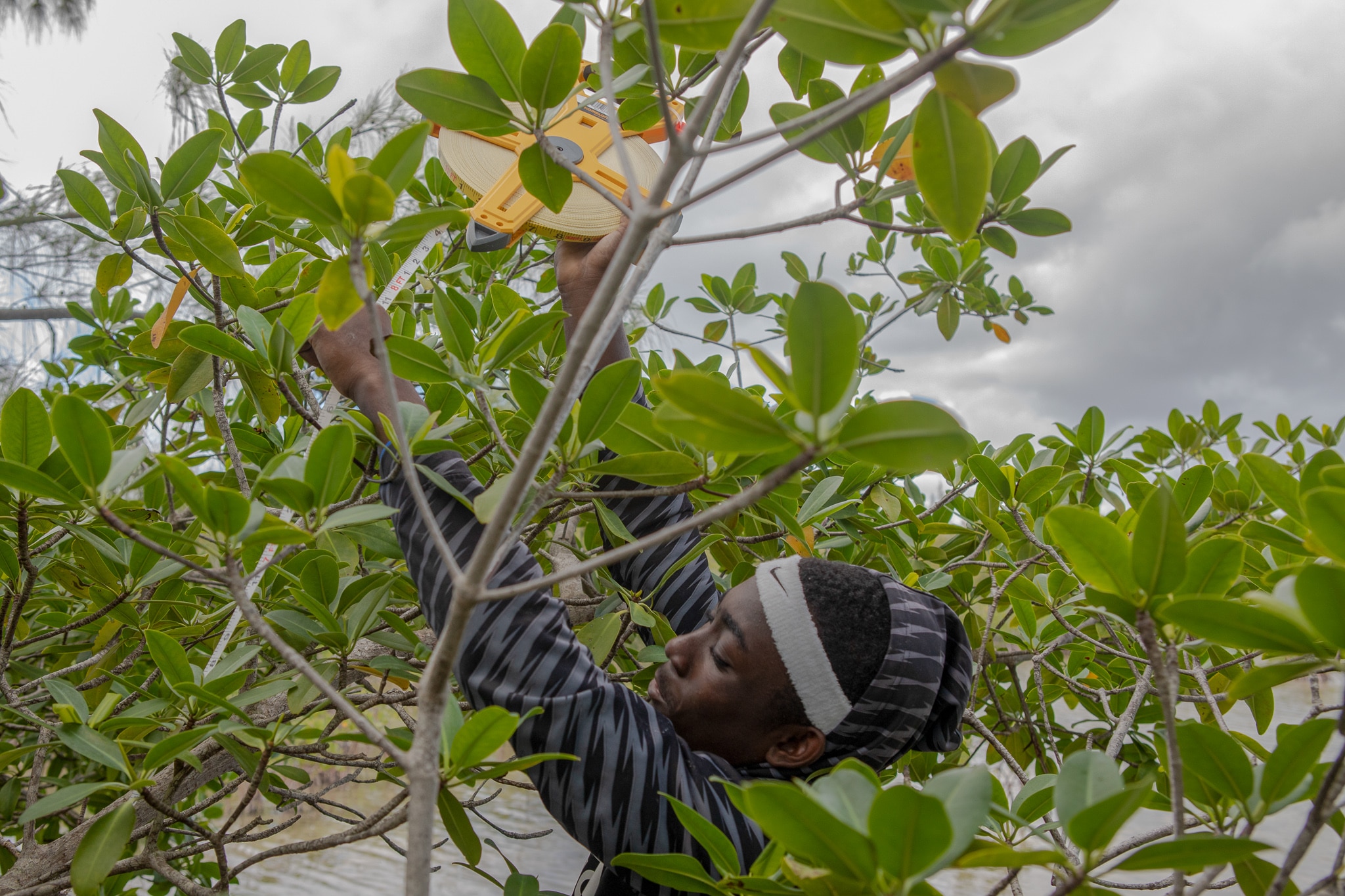
Students participating in year-two of our Bahamas Awareness of Mangroves (B.A.M.) and Jamaican Awareness of Mangroves in Nature (J.A.M.I.N.) programs have been monitoring mangroves throughout the academic year. Recently, they returned to their monitoring sites to collect additional data for the final time. The overall objective is for the students to use the data that they collected to determine what is happening in the mangroves. A more specific objective is to have the students look at water quality. They may ask questions such as: Are the mangroves experiencing different salinities during various seasons? Does this cause any change(s) in the mangroves? Why does one quadrat have more dissolved oxygen in it then another quadrat? How does this affect marine life in the mangroves?
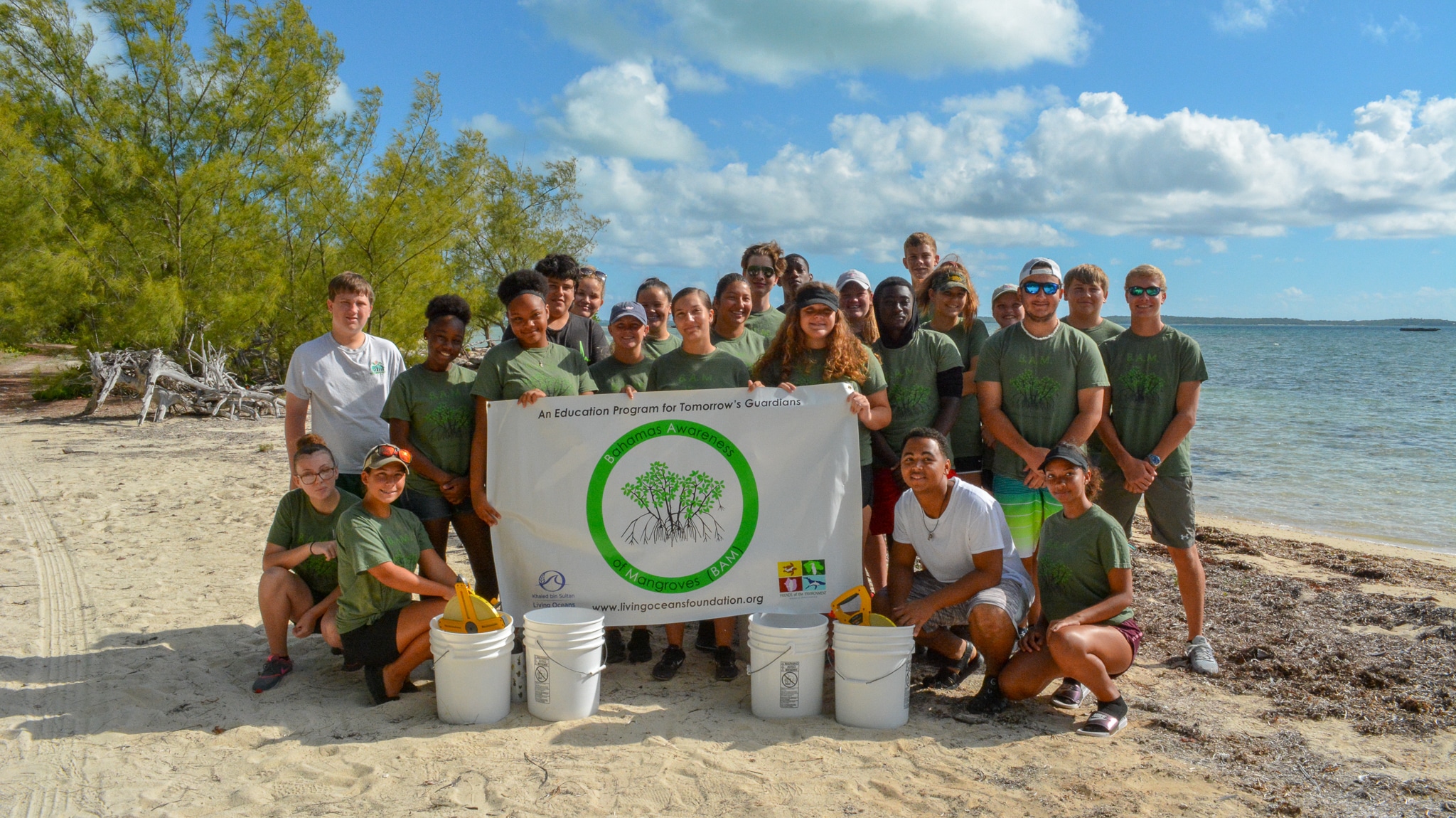
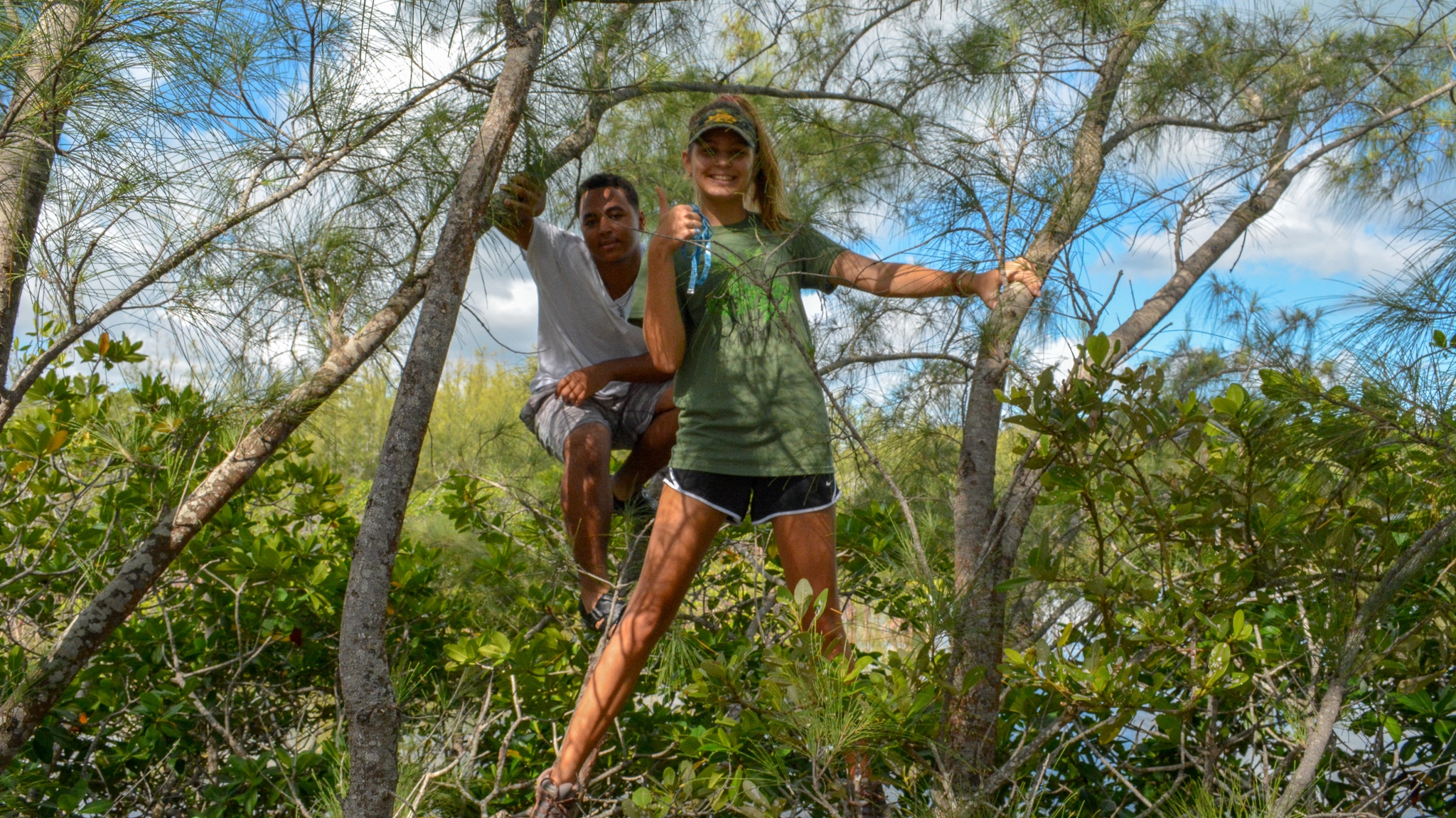
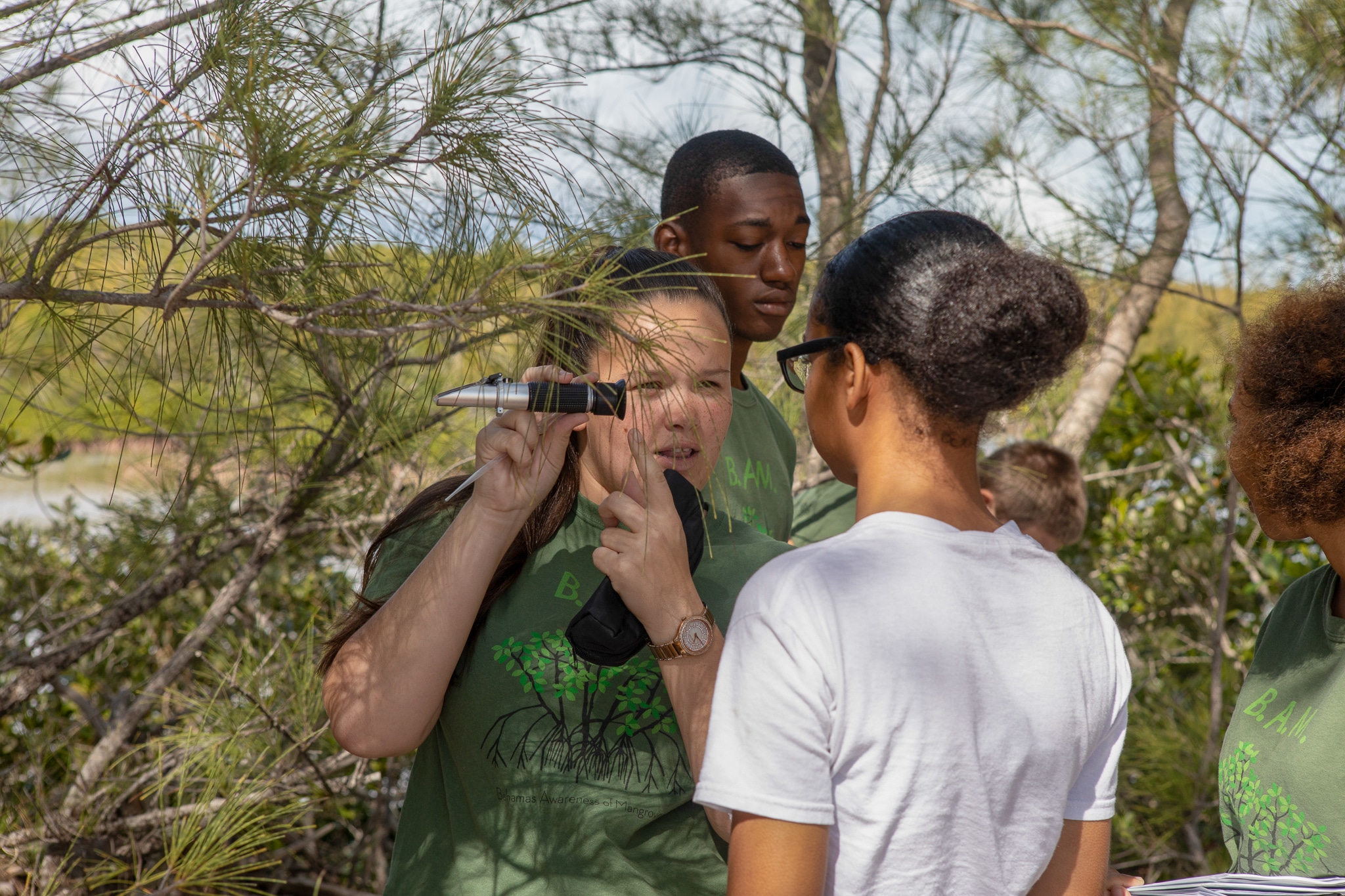
B.A.M. students participating in the EarthEcho Water Challenge
Water quality monitoring is extremely important in keeping mangroves healthy. That is why we teamed up with EarthEcho International to have students in our B.A.M. and J.A.M.I.N. programs participate in the EarthEcho Water Challenge. The water quality data (such as salinity, water temperature, and dissolved oxygen content) that they collect, will be shared with other students from around the world.
Mangroves can play a key role in stabilizing coastlines, helping prevent erosion and sediments from entering waterways. They can also absorb excess nutrients and pollutants that could otherwise negatively impact the marine environment. Collecting and sharing water quality data during these restoration efforts is critical to establishing a better understanding of the baseline water quality in these regions, and the potential impacts of changes in water conditions on the mangroves. By documenting changes in water quality, students gain a better understanding of the impact of their restoration work.
Through their participation in the EarthEcho Water Challenge, we hope that our students’ data will not only be used to protect water resources in the Bahamas and Jamaica, but also contribute to global efforts such as these.
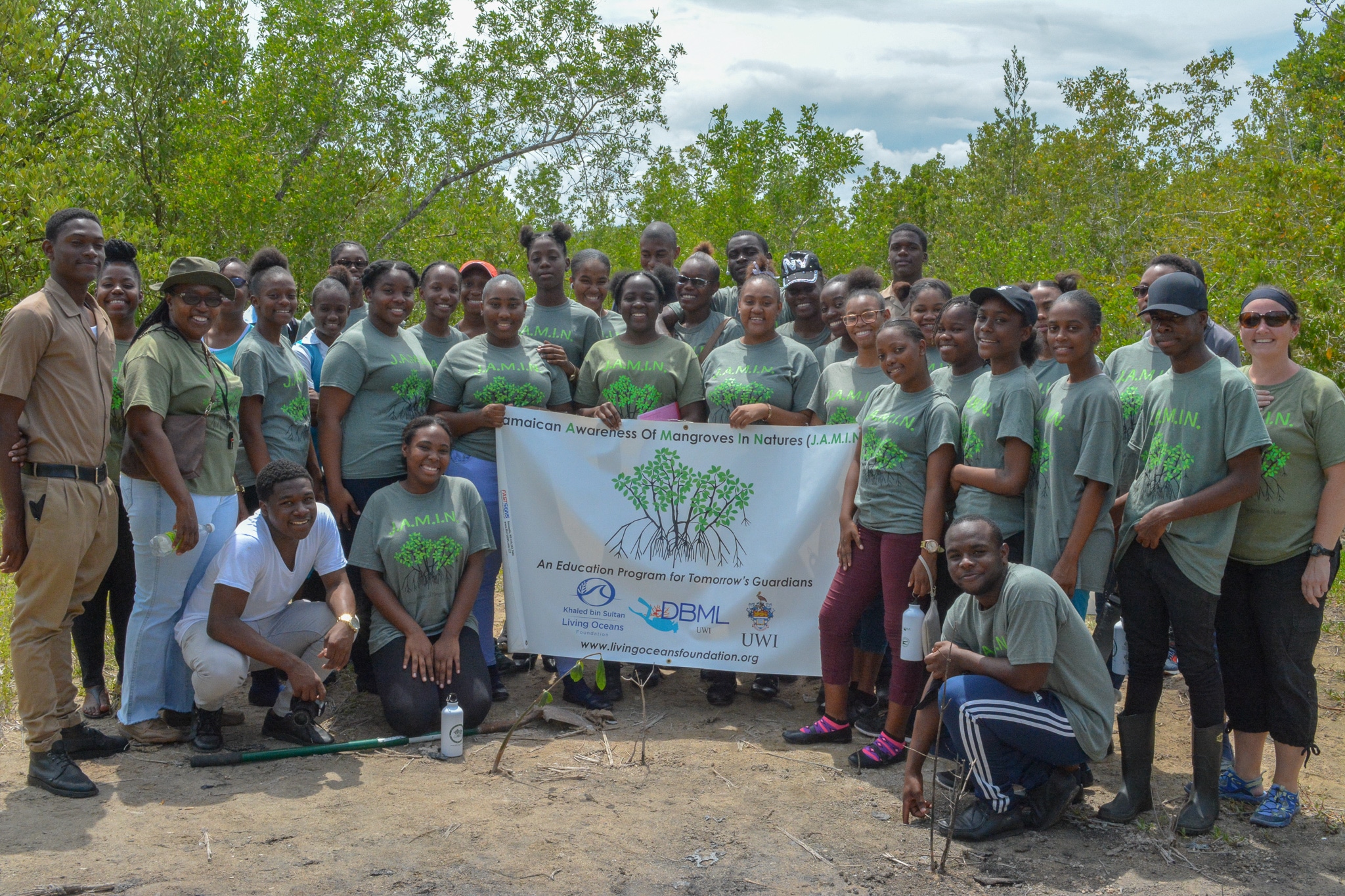
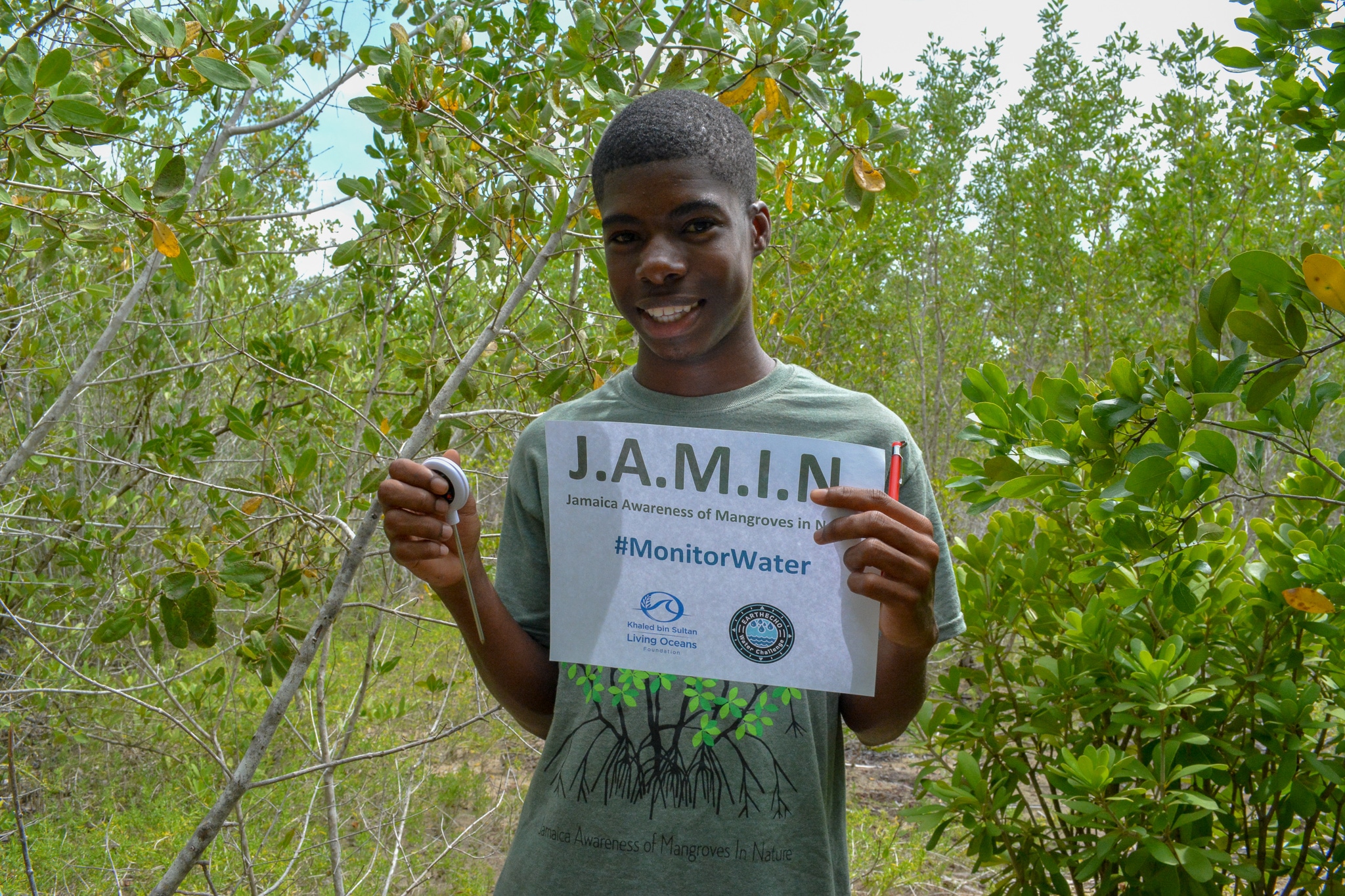
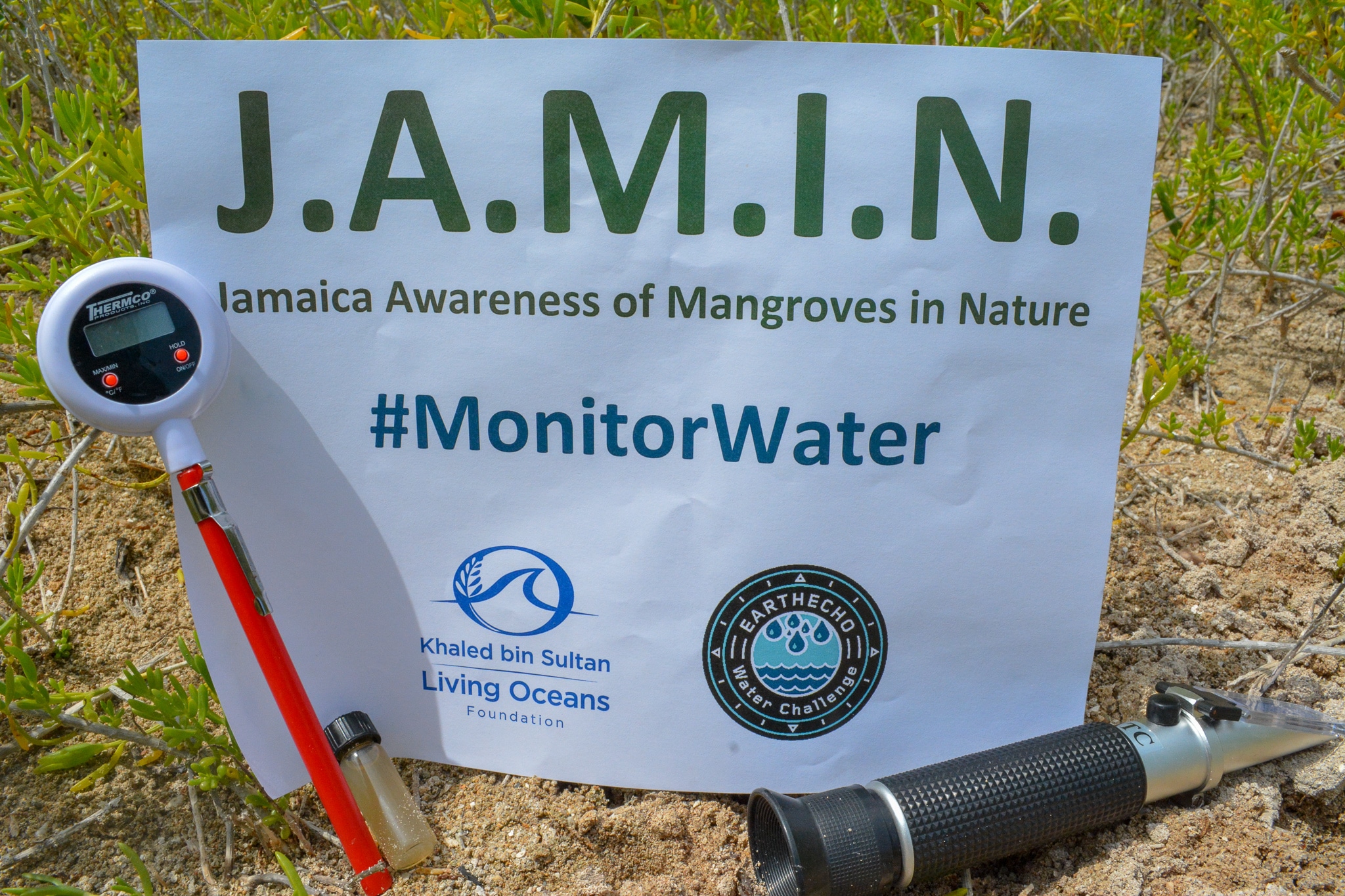
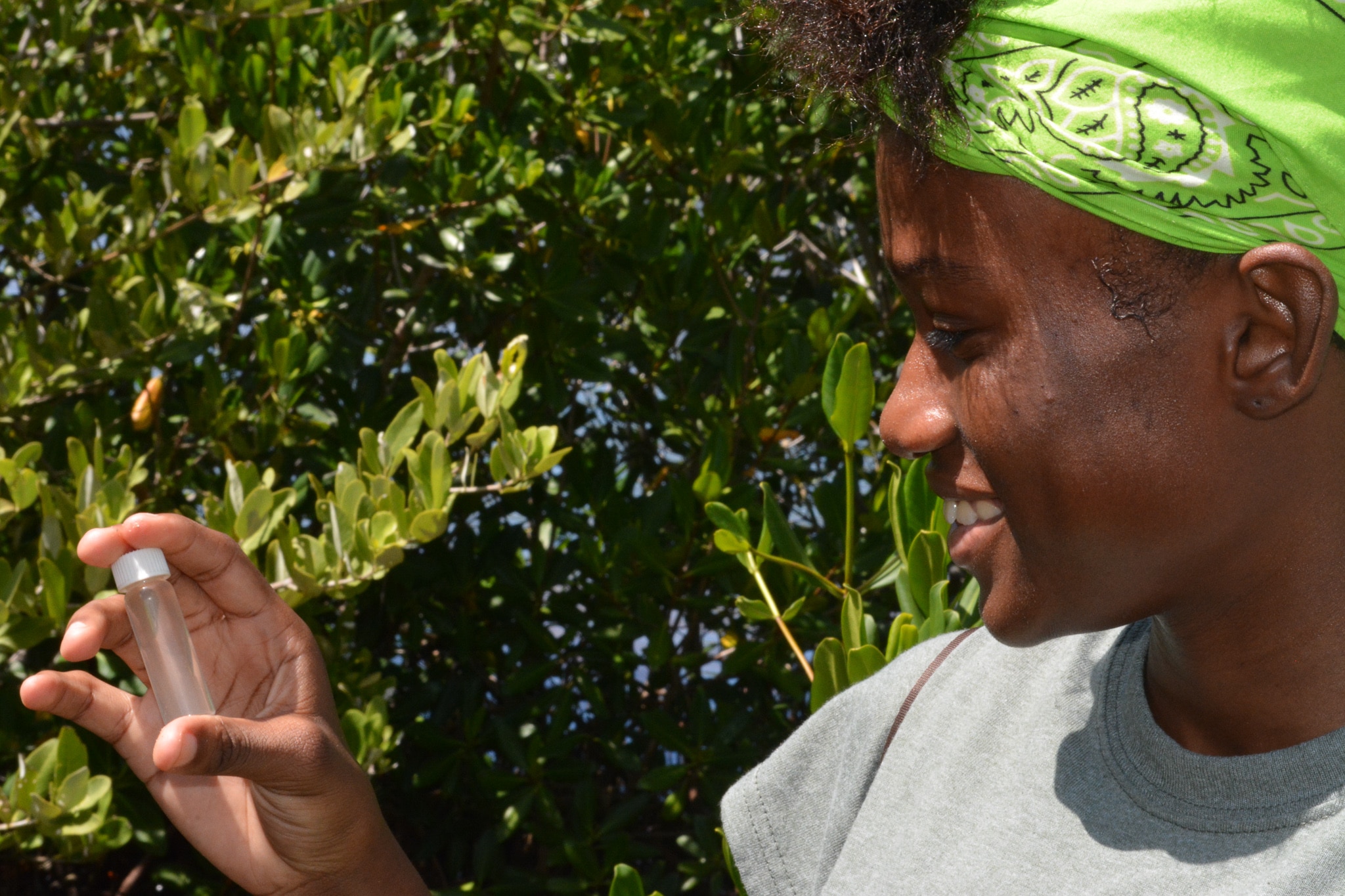
J.A.M.I.N. students participating in the EarthEcho Water Challenge