Throughout the history of the planet, there has been an evolution and flux of species. From the first microorganisms found in the ocean billions of years ago, to the evolution of land-based plants, invertebrate and vertebrate animals, reptiles, mammals, and to the millions of species we now know of today. Historically, the earth has experienced five mass extinction events. These have been linked to some sort of natural disturbance where three-quarters of all species were lost over a short geological period. Glaciation events, volcanic eruptions, and asteroid impacts are theorized to be the cause of these five mass extinctions.
Recently, some scientists hypothesized that the earth is undergoing a sixth extinction event linked to the evolution of human civilization. This theory suggests that over the course of human history, people have caused the extinction of species on a massive scale. As humans became more civilized, we began altering the environment to fit our needs. We altered the land for agricultural uses; as our tools became more advanced, we were able to hunt more efficiently on land and in water; we built cities, and have extracted resources from the earth in ways never done before. These alterations and interactions with the environment have led to the loss of habitats, overexploitation of animals, and caused irreversible loss of the earth’s organisms.
What is particularly alarming is the rate of extinction since humans began walking the earth. Most notably, since the beginning of the industrial revolution in the 1870s, humans’ advancements have expedited the extinction rate of species to levels never seen before. The industrial revolution is marked as the beginning of the climate crisis. The technologies developed during this time utilized fossil fuels such as coal, oil, and natural gas, which all emit large quantities of carbon dioxide into the atmosphere. While many of these technologies have made our lives much easier, allowed us to live longer, and populate nearly every corner of the planet, this has had a catastrophic effect on the environment. With 8 billion people now living on earth, we have altered the face of the earth and encroached on many habitats that are important for the earth’s ecosystem to function.
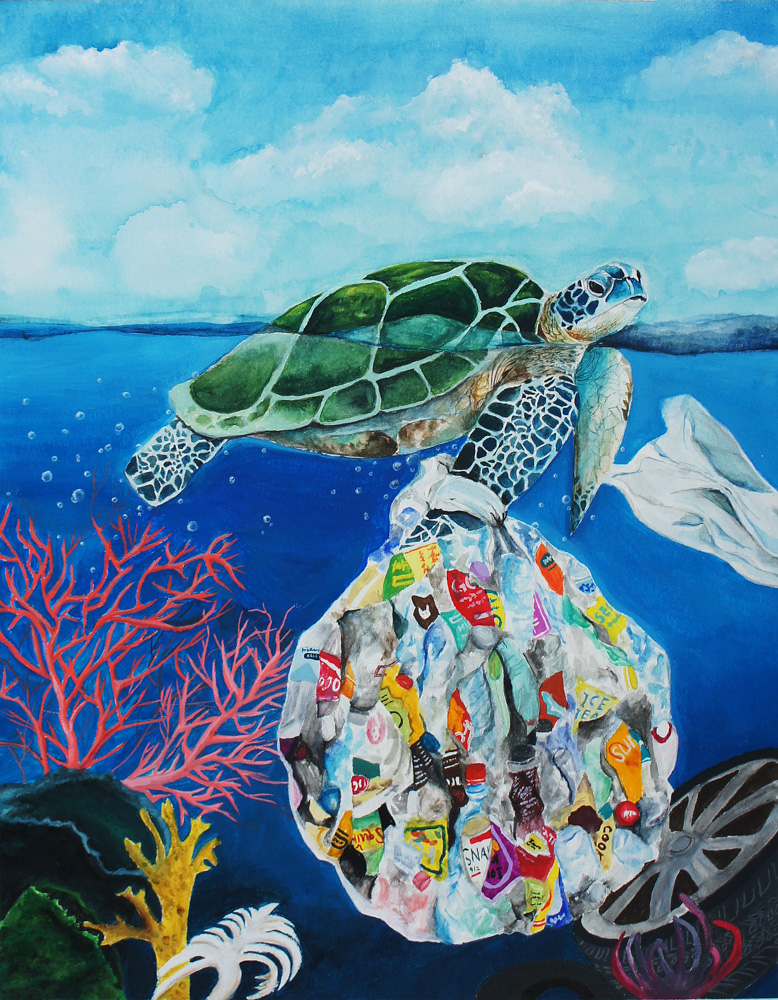
All of the earth’s habitats are interconnected, and their fragile connection has evolved over billions of years to sustain life. However, the drastic alterations we’ve made to the environment are causing these connections to fray. As these connections unravel, we will likely see even more species become extinct, especially as the climate continues to change. There isn’t one area on earth protected from the effects of climate change; from the polar regions to the tropics, nearly every ecosystem and species is at risk. But there is much we can do to slow this extinction rate. Reducing carbon emissions, setting aside protected areas for nature to thrive, better management of existing natural spaces, reducing plastic waste, and improving our relationship with our surrounding environment are all ways we can help protect the species that help keep us alive. Every species on earth has evolved to be here and plays a role in maintaining a livable planet, it is our responsibility to help ensure they survive.
Q&A Session TODAY!
To raise awareness of the sixth extinction, the Khaled bin Sultan Living Oceans Foundation has made it the theme of our annual student art contest, the Science Without Borders® Challenge. This contest encourages middle and high school students 11-19 years old to learn about a critical ocean issue through art. For this year’s Challenge, we are asking students to send in their handmade artwork of endangered marine species to highlight the species being lost in the sixth extinction. The contest is free to enter, and winning entries in each category can win up to $500. Students and teachers can learn more about the competition on our website and are encouraged to attend our Q&A session TODAY at 7pm ET, where we will answer all your questions about the contest.