search-icon
What’s On the Menu: Sunlight, Plankton or Organic Debris?

What Does Coral Eat?

While it is widely known that tropical corals have the ability to grow and prosper, thanks to the small algae (zooxanthellae) present in their tissue that capture light energy and make food through photosynthesis, corals are also voracious predators that feed on plankton and organic matter.  Plankton caught in their tentacles or embedded in the mucus they secrete, bring them essential nutrients and energy necessary to build their strong skeleton.

One theory is that species that rely more on plankton may actually be more resistant to temperature increases predicted for the future.  One of our researchers during the New Caledonia mission, Fanny Houlbreque, seeks to determine which coral species are the biggest consumers of plankton.
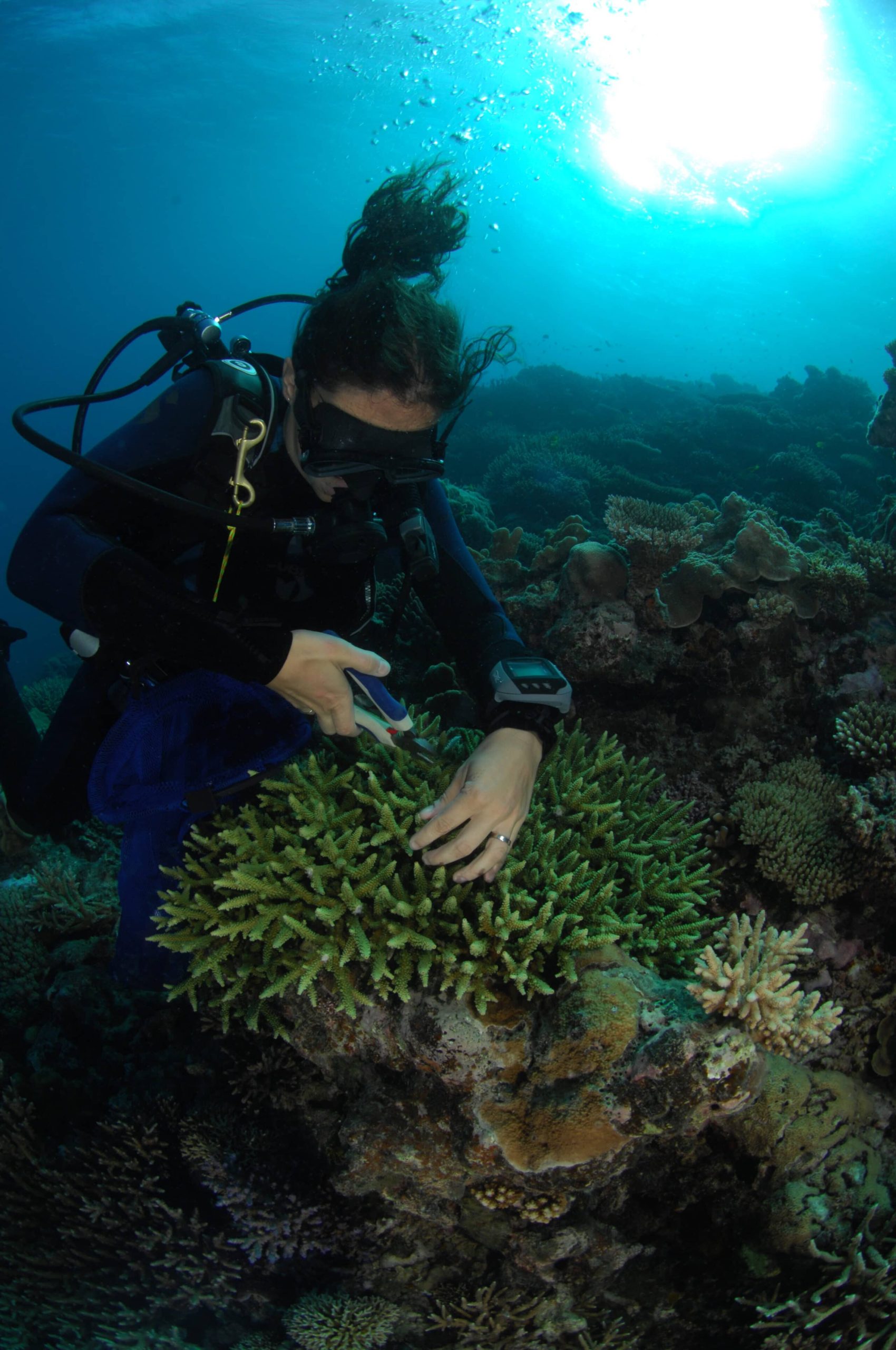
Fanny Houlbreque collecting coral samples to determine what does coral eat?

Fanny Houlbreque collecting coral samples to determine, “What does coral eat?”

Fanny collects a group of coral species at each survey location and takes samples of the surrounding seawater. The seawater is filtered to collect the plankton, which is then identified. By comparing the composition of plankton in the corals with the plankton found in the sea, it is thus possible to determine the diet of each species.  She also is looking at the composition of the organic material in the water, and compares the isotopic signature of the organics with the signatures found in coral tissue. This can help her determine the benefits of additional nutrients associated with organic matter.
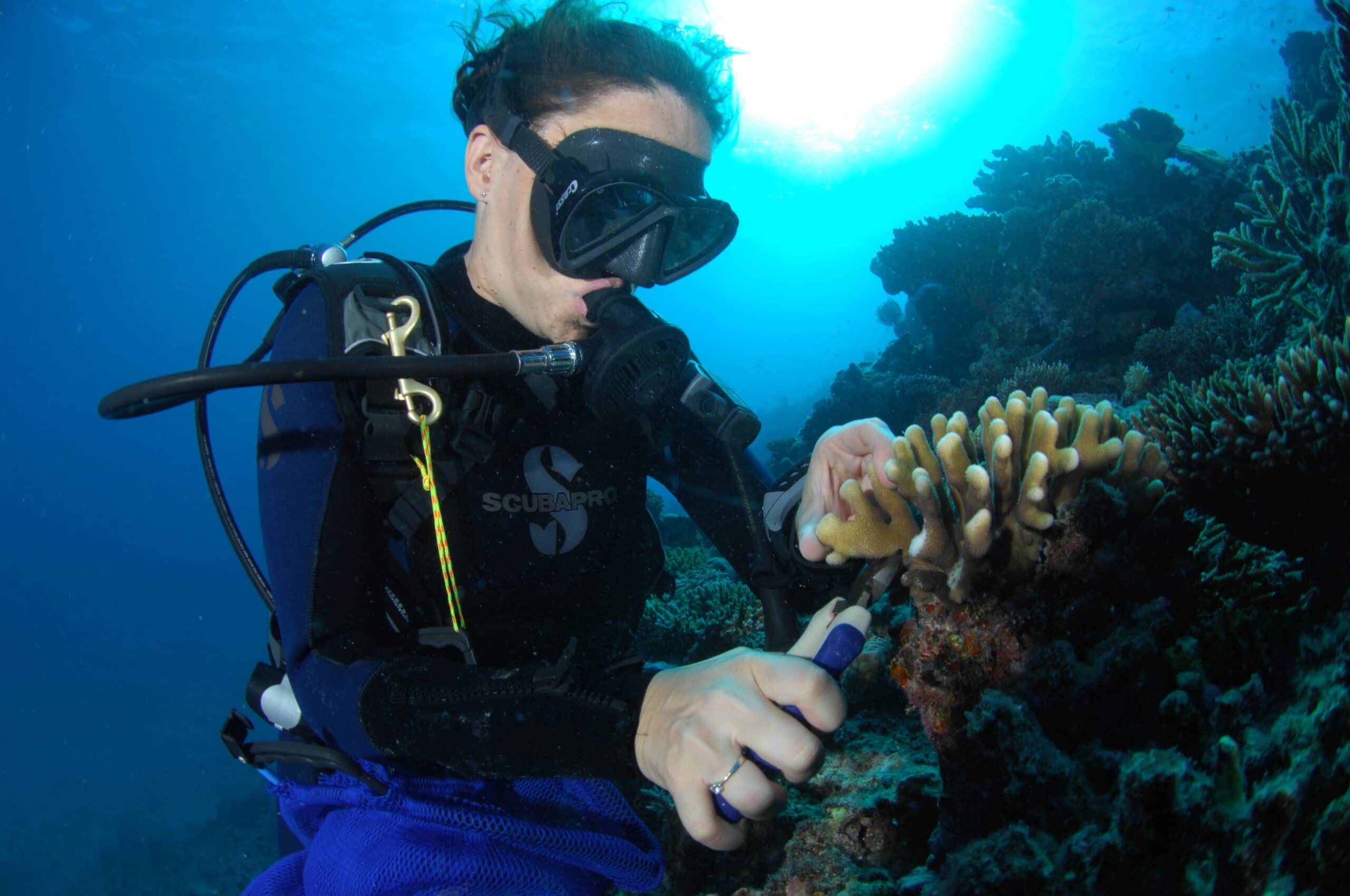
Fanny Houlbreque collecting coral samples to determine the amount of plankton and organic matter in the diet of various coral species.

Fanny Houlbreque collecting coral samples to determine the amount of plankton and organic matter in the diet of various coral species.

These studies on, “What Does Coral Eat?” are especially relevant when examining corals close to human influences, as these will be exposed to much higher levels of organic matter than those from remote locations.  The knowledge of the preferred menu of each coral could give us an idea of the most resistant coral species that might be predominant in tomorrow’s reefs.


Photos: 1-2 Erwan Amice
Related Posts

From Dialogue to Action: Ocean Foundations Gather in Stockholm

What can philanthropy accomplish when foundations working across ocean science, conservation, and sustainable development come together around a shared purpose?

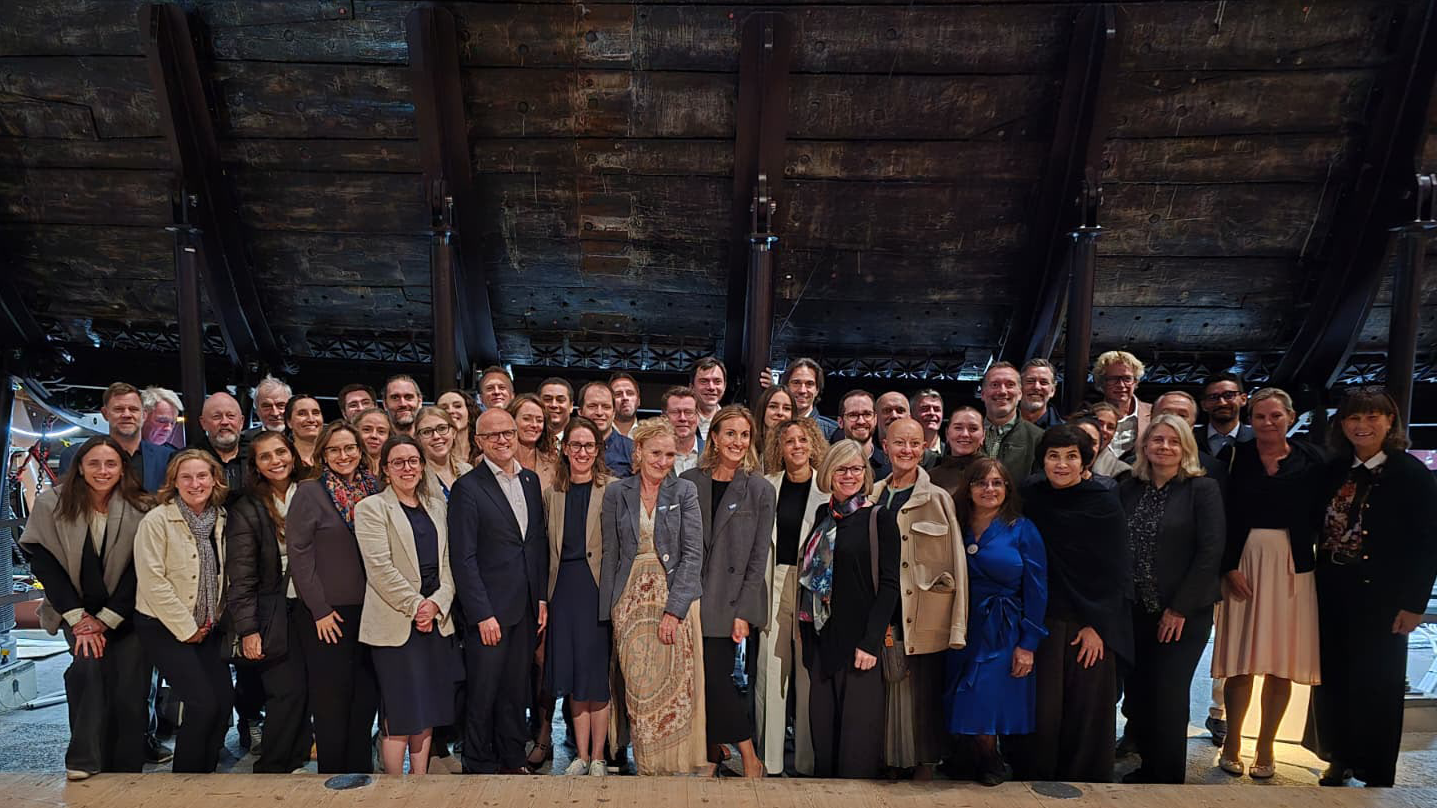
That question was at the heart of the 6th UN Ocean Decade Foundations Dialogue, held September 7–9 in Stockholm, Sweden. The Khaled bin Sultan Living Oceans Foundation joined philanthropic organizations from around the world for three days of discussion, collaboration, and planning focused on accelerating progress during the second half of the UN Decade of Ocean Science for Sustainable Development.

Facilitated by UNESCO’s Intergovernmental Oceanographic Commission (IOC), the UN Ocean Decade Foundations Dialogue is a growing network of more than 30 philanthropic organizations committed to advancing ocean science, collaboration, and action. Since its creation within the framework of the Ocean Decade, the Dialogue has provided foundations with a space to exchange ideas, develop partnerships, and explore how philanthropy can help advance a healthy and resilient ocean.

Hosted by the Voice of the Ocean Foundation (VOTO), this year’s gathering began with From Depth to Action, an Opening Forum that brought nearly 100 leaders from the Swedish and international ocean community together at…

Read More

Meet IFAN: Helping Bring Navigate with Care to the Next Generation

If you’ve ever seen a lighthouse flashing from the shore or a brightly colored buoy bobbing in the water, you’ve seen Aids to Navigation at work.

Aids to Navigation, often called AtoNs, help mariners navigate safely. They can mark channels, warn of hazards, help vessels determine their position, and provide other information people need to make safe decisions on the water. Around the world, these systems help guide everything from small recreational boats to large commercial or container ships. 

But safe navigation isn’t only about protecting vessels and the people aboard them. The choices mariners make can also affect the animals and ecosystems beneath and around them.

That connection between maritime safety and ocean conservation is at the heart of this year’s Science Without Borders® Challenge—and of our partnership with this year’s theme sponsor, the International Foundation for Aids to Navigation (IFAN).

Read More
Privacy Overview

This website uses cookies so that we can provide you with the best user experience possible. Cookie information is stored in your browser and performs functions such as recognising you when you return to our website and helping our team to understand which sections of the website you find most interesting and useful.  You can view our complete Privacy Policy here.

Strictly Necessary Cookies

Most of our cookies are used to improve website security and reduce spam. These cookies should be enabled at all times. They also enable us to save your preferences for cookie settings.

3rd Party Cookies

This website uses Google Analytics to collect anonymous information such as the number of visitors to the site, and the most popular pages. Keeping this cookie enabled helps us to improve our website.