The Khaled bin Sultan Living Oceans Foundation is thrilled to announce the winners of their annual student art competition, the Science Without Borders® Challenge. Every year, this international contest engages students in ocean conservation through art, encouraging them to create artwork that inspires people to preserve, protect, and restore the world’s oceans and aquatic resources.
The foundation received more entries this year for the Science Without Borders® Challenge than ever before. More than 650 students from 43 countries around the world sent in artwork illustrating this year’s theme, “Take Action: Conserve Coral Reefs.” The winning entries in each category are beautiful pieces of artwork as well as excellent illustrations of things people can do to help save coral reefs.
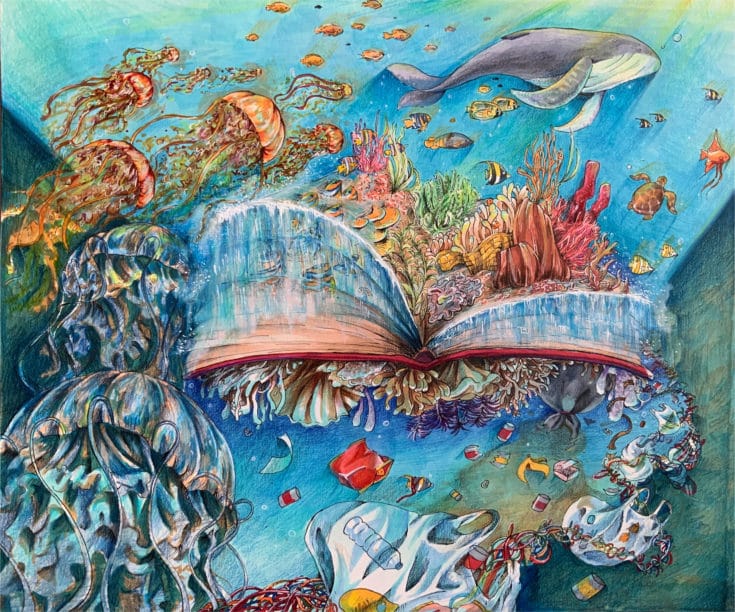
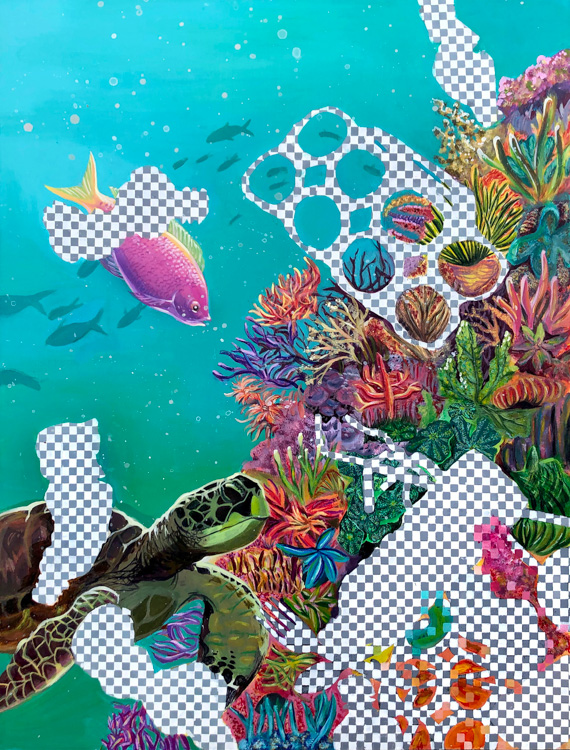
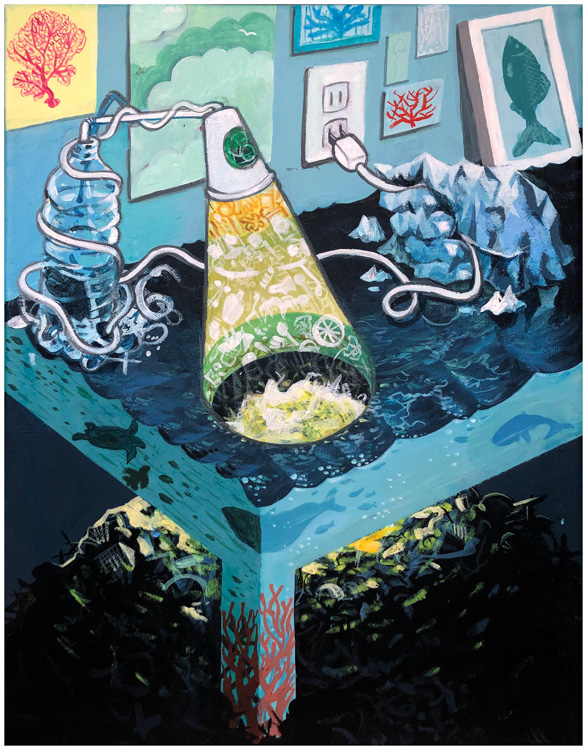
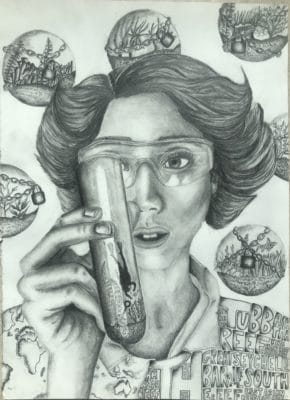
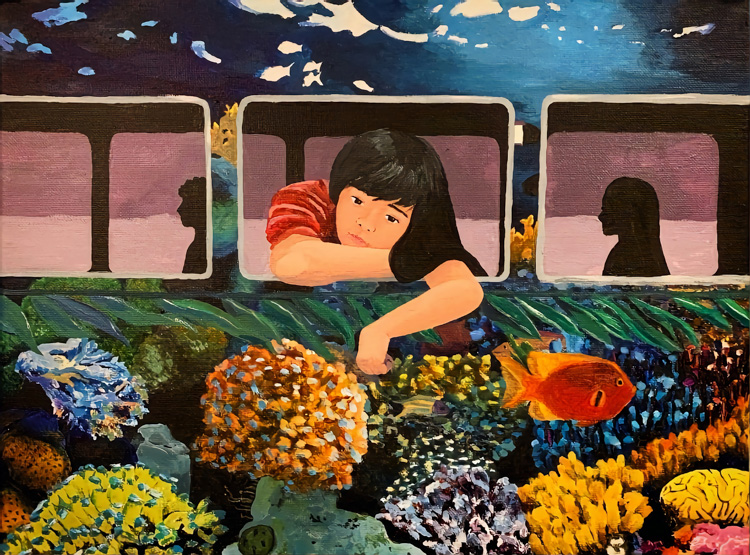
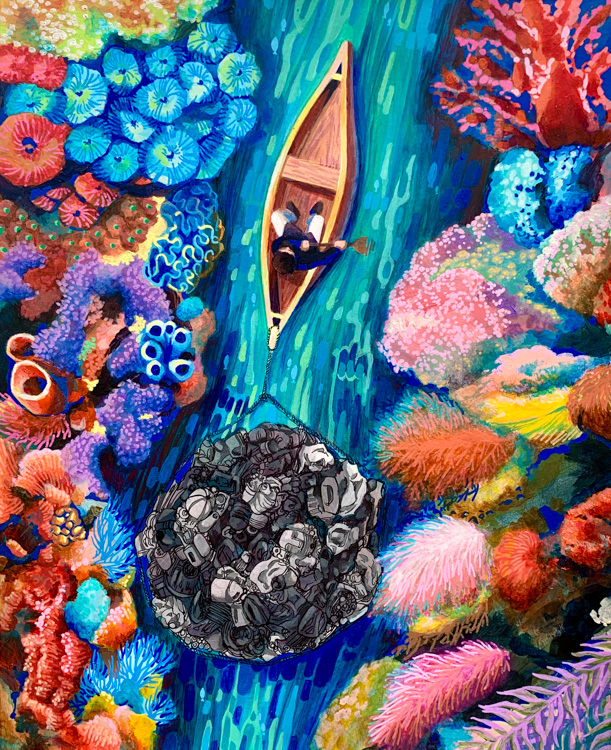
Stacey Lei won first place in the high school category of the 2020 Science Without Borders® Challenge for her stunning artwork, “The Reef We Read.” A 16-year old student at West Career and Technical Academy in Las Vegas, Nevada, Stacey created a piece of art that illustrates the importance of education and outreach in coral reef conservation. “Coral reefs are dying because of negative human activities,” she said. “The lack of awareness surrounding the reefs have contributed to its destruction, but education paves our future.”
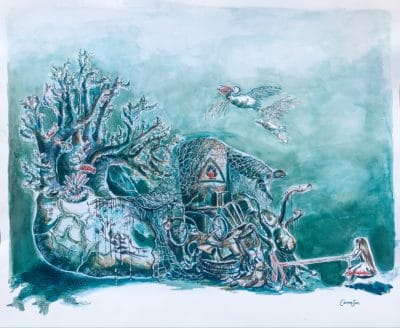
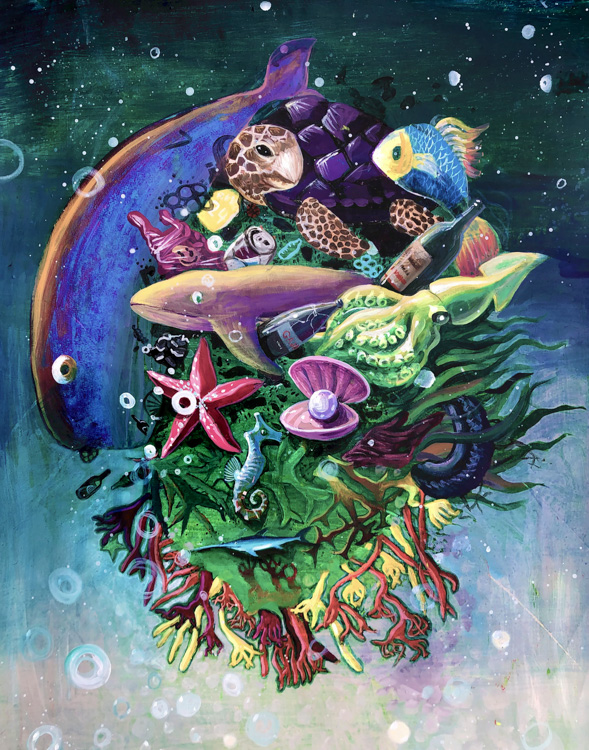
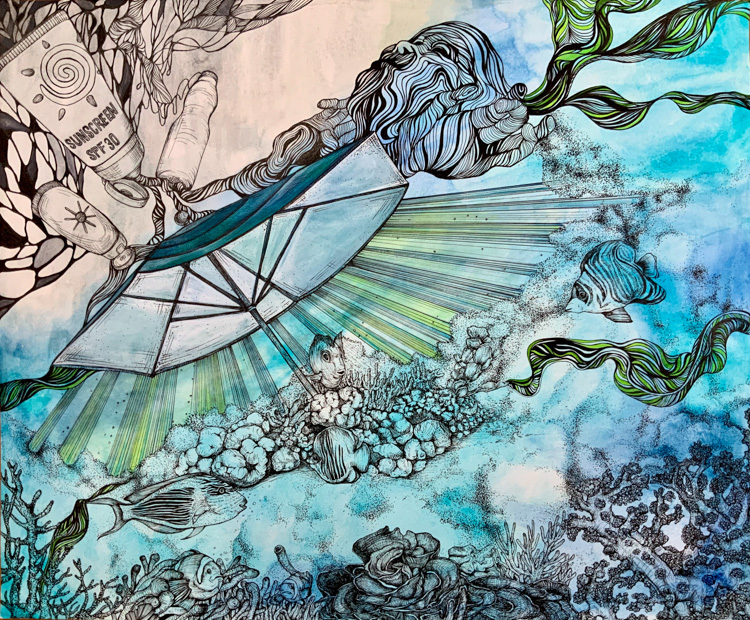
“Heart of the Ocean” by Carina Sun, Age 17, United States 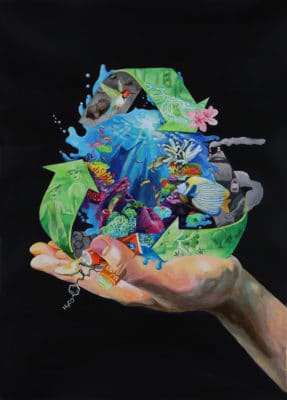
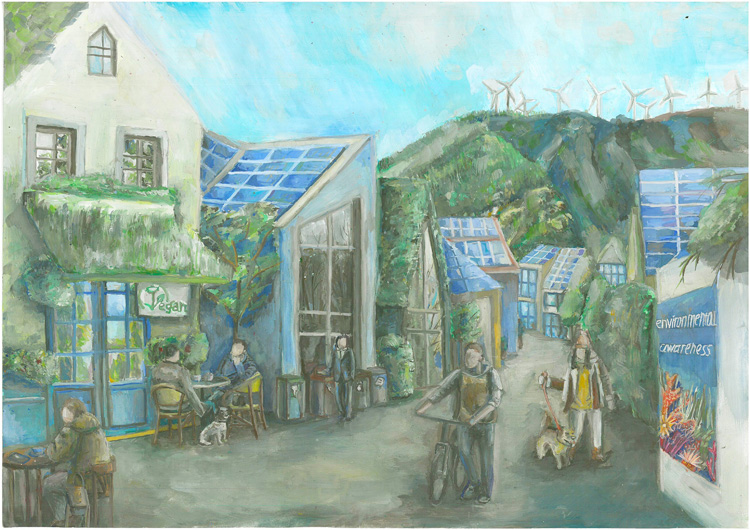
“Flourishing Coral Reef” by Yujean Choi, Age 16, Republic of Korea
Second place in the high school category of the 2020 Science Without Borders® Challenge went to Carina Sun from Doylestown, Pennsylvania for “Heart of the Ocean,” and third place went to Yujean Choi from The Republic of Korea for her piece, “Flourishing Coral Reef.”
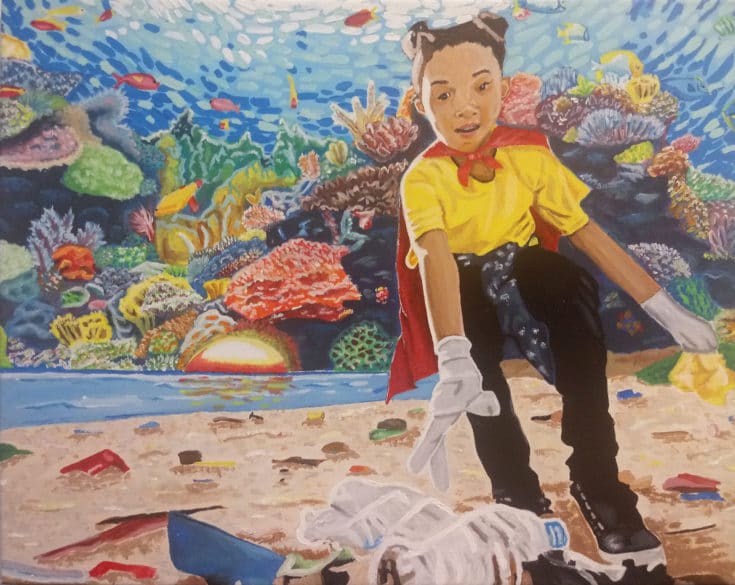
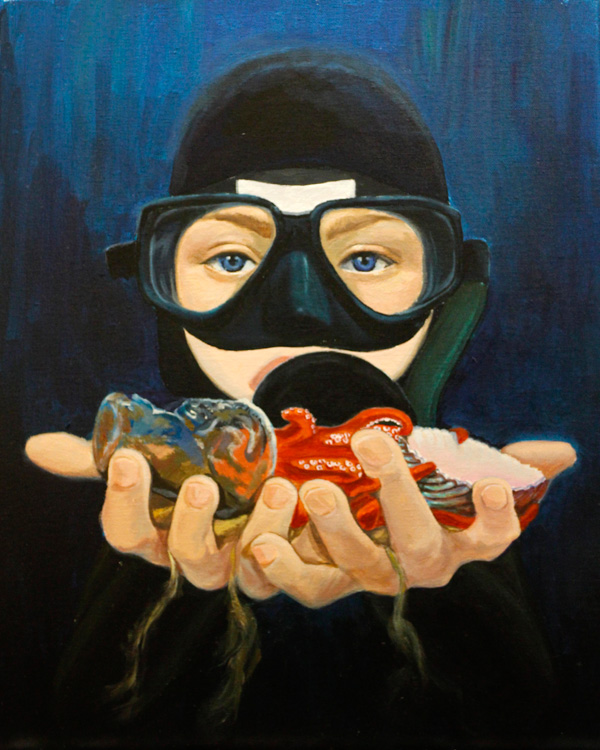
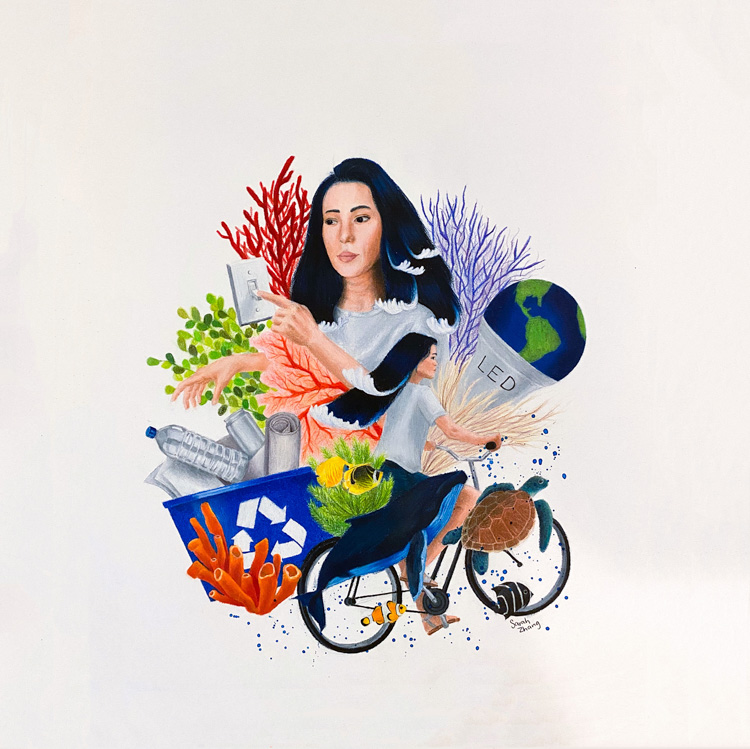
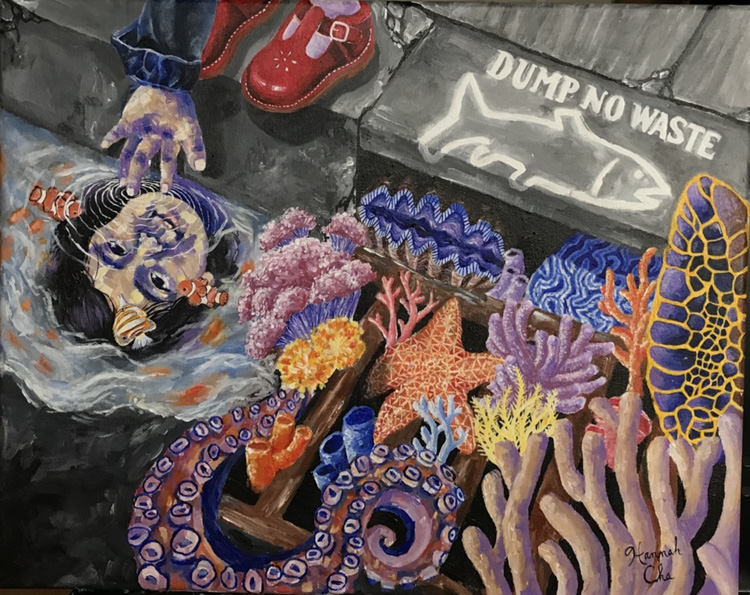
First place in the middle school category went to 14-year-old Anish Aradhey from Harrisonburg, Virginia. His piece, “Coral Reef Superhero,” shows how kids his age can make a difference in marine conservation. Anish says that he “portrayed a young girl picking up beach trash to show the importance of youth regarding coral reef conservation” and that she “demonstrates a small yet heroic action to solve this issue.” He says that his painting “aims to thank coral reef ‘superheroes’ and inspire a new generation of young, active leaders.”
“I am excited to win the contest because it means that my artwork will be used to spread awareness about coral reef conservation around the world,” said Anish. “I hope that more young people find the inspiration within themselves to create something amazing and share it with others — the world needs more of that, especially now.”
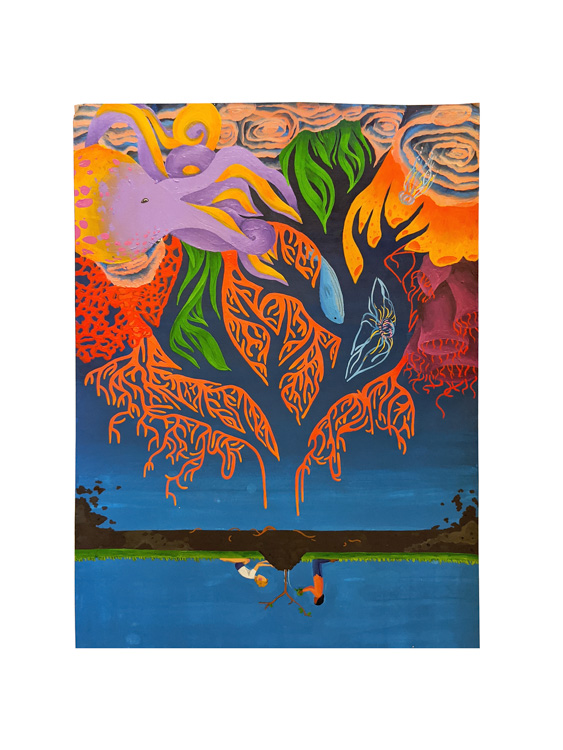
“Holding the Key to Coral Rebirth” by Maree Sialepis, Age 14, Australia 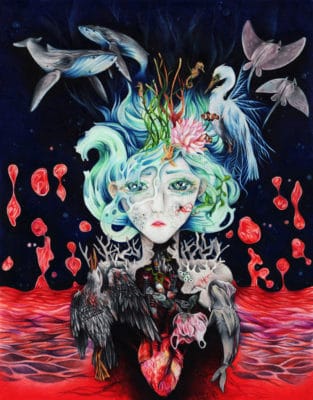
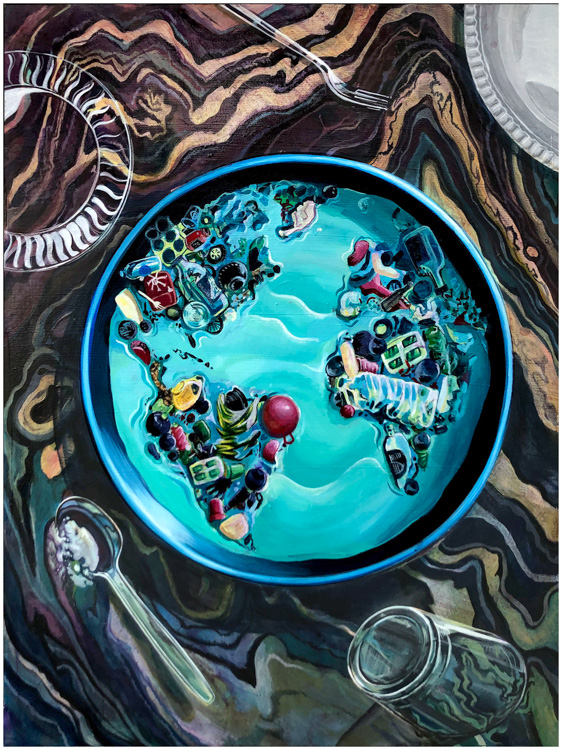
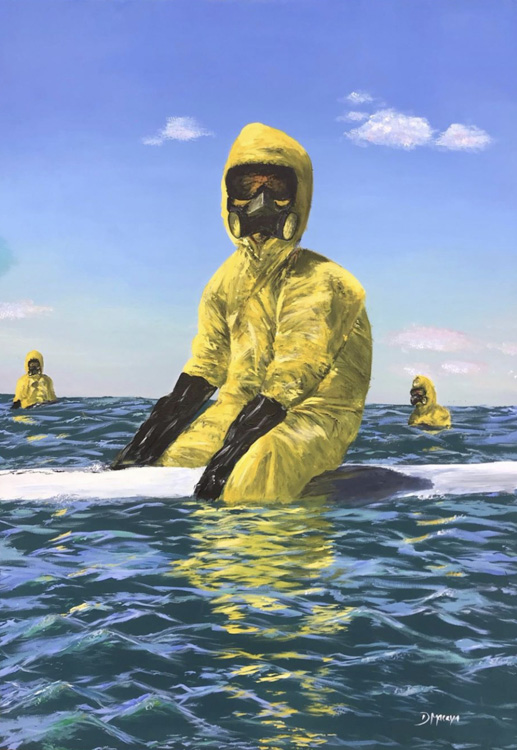
“Fragmented” by Nadia Tsai, Age 13, United States
Maree Sialepis from Sydney, Australia took home second place in the middle school category for her piece, “Holding the Key to Coral Rebirth,” while Nadia Tsai from Walnut, California won third place for her artwork, “Fragmented.”
Each of the winners will receive scholarships of up to $500 from the Khaled bin Sultan Living Oceans Foundation to celebrate their achievement and so they can continue to pursue their interests in art and ocean conservation.
High School winner Stacey Lei encourages students to apply to the Science Without Borders® Challenge next year and hopes they will discover something new through their artwork. “This could be anything from learning more about our ecosystems, trying out a new artistic medium, or even discovering a newfound passion for the ocean,” she said.
Through this competition, the foundation hopes to educate students worldwide about the need to protect our ocean and inspire the next generation of ocean advocates. Amy Heemsoth, Director of Education at the Khaled bin Sultan Living Oceans Foundation, said that “students and teachers who participate in this competition continue to impress me with their evident passion for marine conservation and drive to make a difference. This gives me hope for our ocean’s future.”
The Science Without Borders® Challenge:
The Science Without Borders® Challenge is an international student art contest run by the Khaled bin Sultan Living Oceans Foundation to engage students in marine conservation through art. The annual competition welcomes entries from all primary and secondary school students 11-19 years old. Scholarships of up to $500 awarded to the winning entries. Students and teachers interested in next year’s competition can learn more and apply at www.livingoceansfoundation.org/SWBchallenge.
High School Finalists:
Middle School Finalists: