Throughout the Bahamas Awareness of Mangroves (B.A.M.) and Jamaica Awareness of Mangroves in Nature (J.A.M.I.N.) programs, we evaluate each phase of the mangrove education and restoration process to better understand how students are learning, growing, and connecting with their coastal environments.
Before the programs begin, students share what they already know about mangroves and how they feel about them. As the program progresses, we continue to gather feedback to see how their knowledge evolves from identifying mangrove species and understanding food webs to recognizing the role mangroves play in coastal protection and climate change mitigation.
But the surveys go beyond science content.
We also ask students how their attitudes and behaviors are shifting. Do they feel more responsible for protecting mangroves? Are they more interested in science and conservation? Have they started taking actions at home or school to reduce waste, conserve energy, or protect the environment?
By the end of the program, we invite students to reflect in their own words, sharing what stood out to them, what they learned, and how the experience may shape their future choices.
One of my favorite parts of the program each year is reading those written responses. They are thoughtful, honest, and often inspiring.
Below, you’ll find a selection of student reflections from the final survey. I hope you enjoy reading them as much as I do.
Before B.A.M., I didn’t know much about mangroves, but thanks to them, I feel like a professional scientist.
— Addyson Eyma, Forest Heights Academy
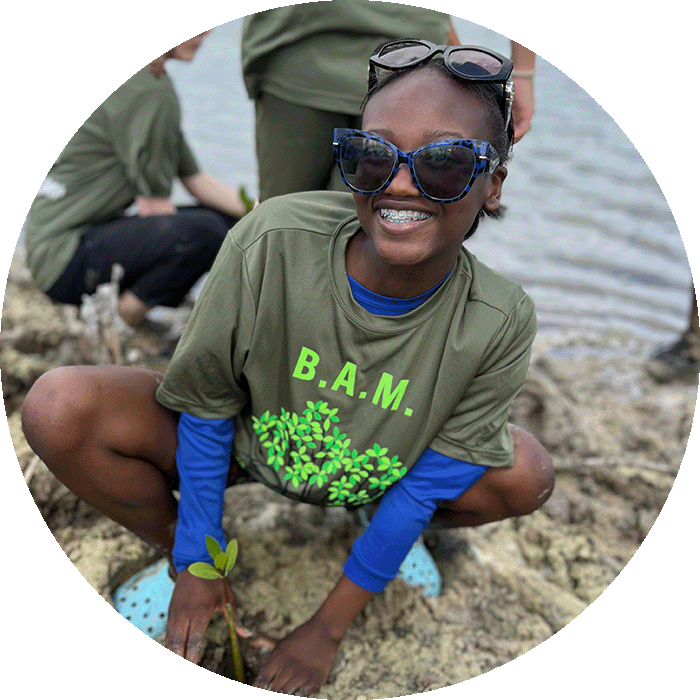
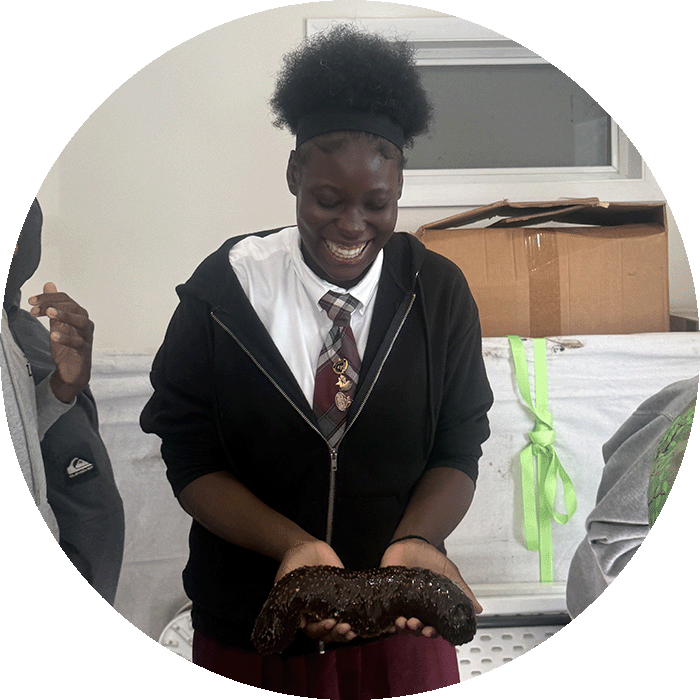
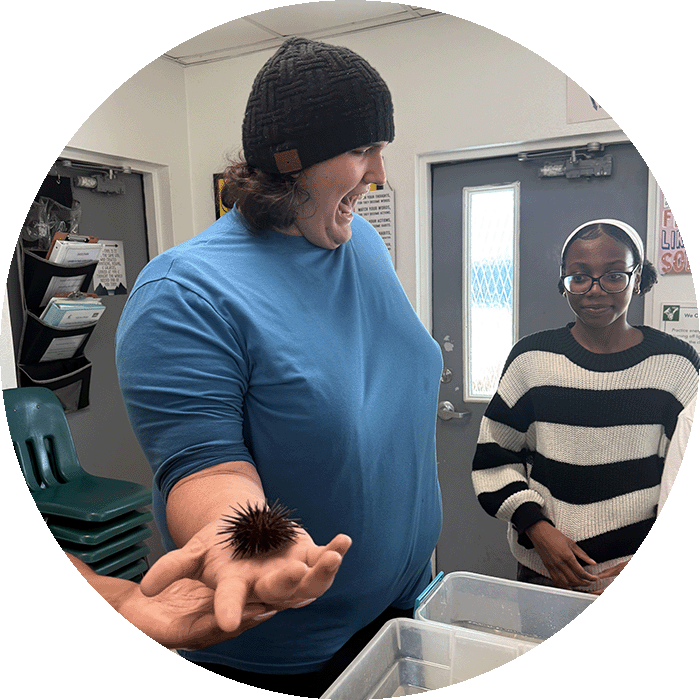
My favorite part of this project is getting to see animals like a sea urchin, a sea star, and a sea cucumber, and going to plant mangroves.
— Shelia Doriscar, SC Bootle High School
Activities I would do to improve this project include holding monthly beach cleanups for plastic and other waste, or taking a large group to an island to plant mangroves.
— Nikolai Lowe, Forest Heights Academy
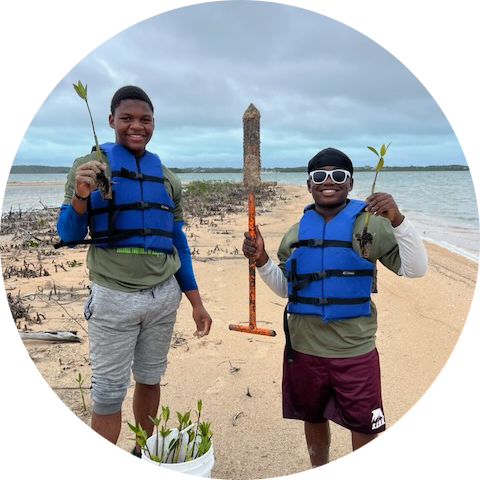
When we went on the boat and planted mangroves on the islands, that trip meant a lot because we got to help the environment grow for the future.
— Valchez Russell, SC Bootle High School
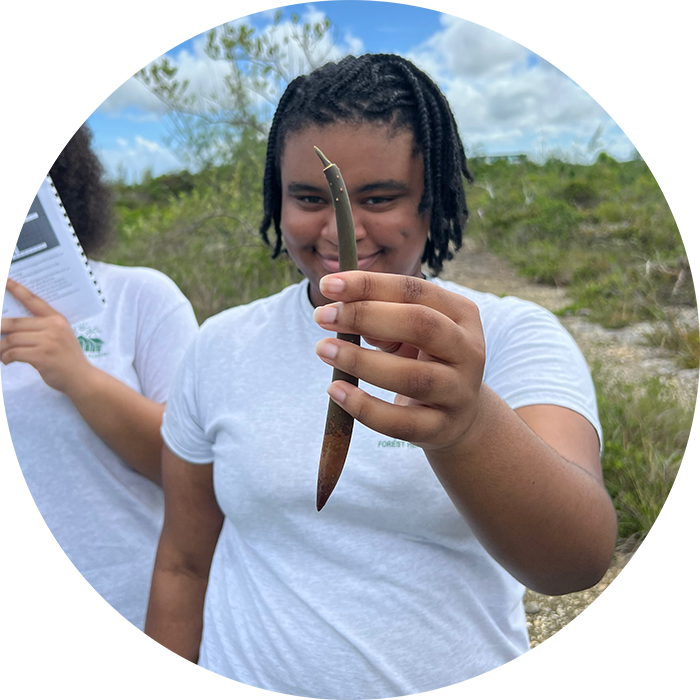
I will educate others about the importance of giving back to the mangroves and instill in them the love I have today, so they can also do better and continue to protect them.
— E’llisha McIntosh, Forest Heights Academy
Planting mangroves was meaningful because I felt like I was protecting the environment rather than destroying it.
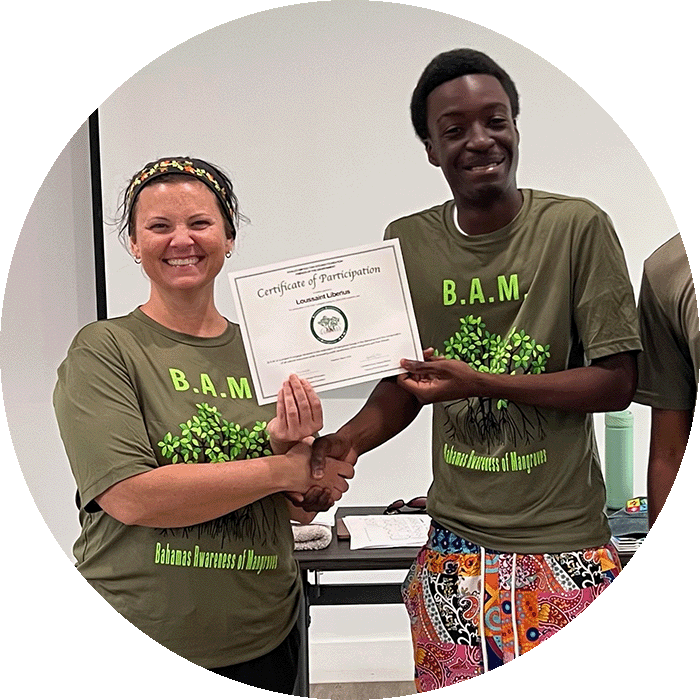
— Loussaint Liberius, Patrick J. Bethel High School
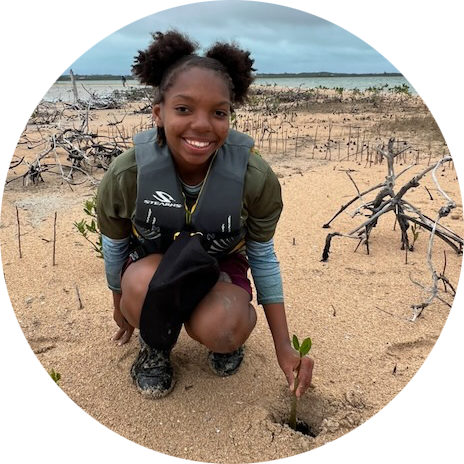
My favorite part of this project was mostly everything—from learning about mangroves to going out and planting them so that I can help to make a difference in the world.
— Amyra Cornish, SC Bootle High School
I think this experience and program are necessary throughout all the Bahamas to educate more Bahamians.
— Chloé Fox, Forest Heights Academy
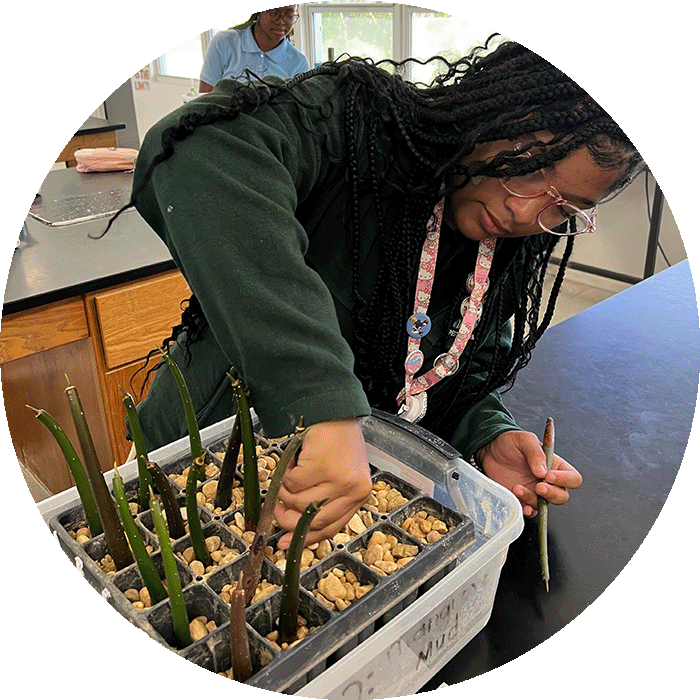
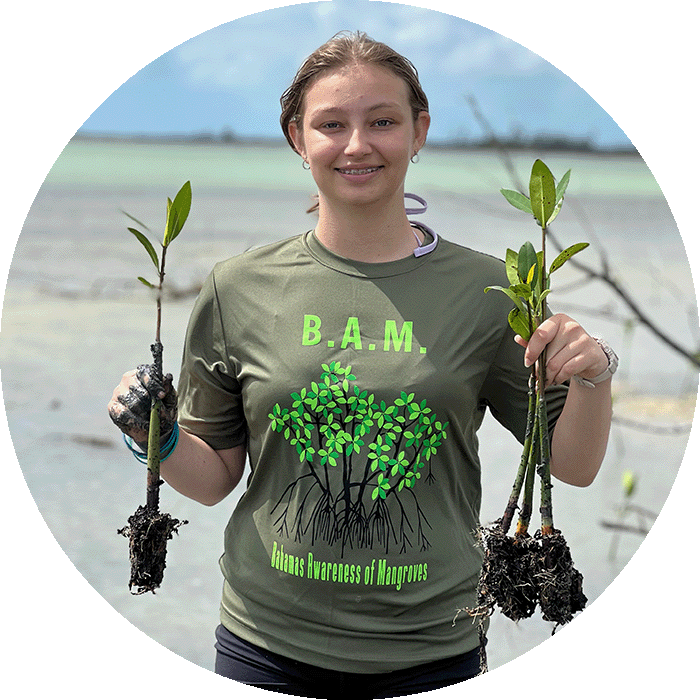
I think the program is really awesome, and I’ve never thought so much about mangroves as I am now. B.A.M. gave me an amazing experience!
— Clara Wallas, Forest Heights Academy
I would like to give a big THANK YOU for making this happen. This experience was amazing, and I would love to do it again.
— John Metellus, SC Bootle High School
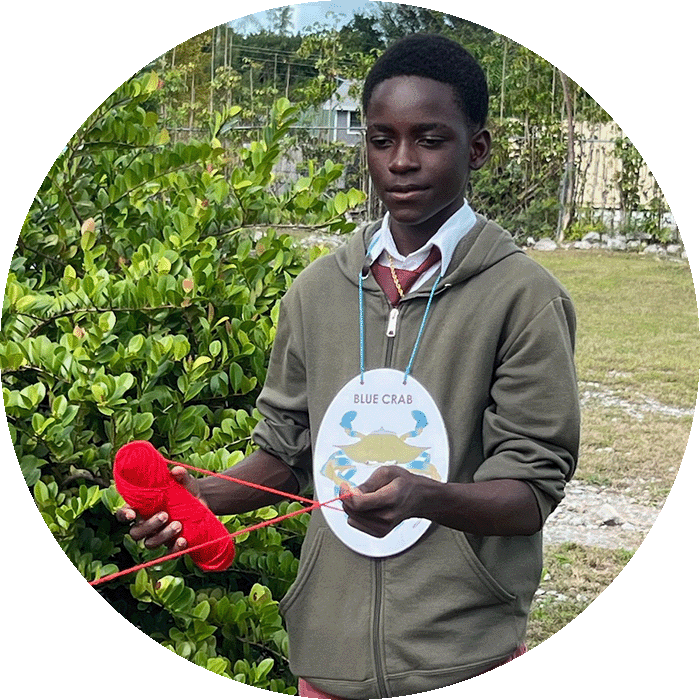
Honestly, I’ve no suggestions. I think the project is already a 10/10, and I wouldn’t add any further changes or additions. Keep at it!
— Latrell Thurston, SC Bootle High School