Ten years ago, the Bahamas Awareness of Mangroves (B.A.M.) program began with a simple but meaningful commitment: to connect Bahamian students with the mangrove ecosystems that shape and protect their island home.
Since 2015, B.A.M. has been implemented in partnership with Friends of the Environment, whose dedication to environmental stewardship in Abaco has made this program possible year after year. Together, we have worked alongside Patrick J. Bethel High School and Forest Heights Academy to bring hands-on mangrove science into classrooms and out into the field.
What makes ten years remarkable is not just longevity — it is consistency.
For a decade, principals and teachers have welcomed us back. Students have stepped into mangrove forests, sometimes hesitant at first, and left with muddy shoes and a deeper understanding of how coastal ecosystems function. Lessons about root systems, fisheries, storm protection, and blue carbon have become tangible experiences in creeks and shorelines just beyond school grounds.
And through it all, Friends of the Environment has been a steady partner, grounding the program in local knowledge, relationships, and commitment to community.
This year, as we celebrate ten years of B.A.M., we are also growing. We are proud to welcome S.C. Bootle High School to the program, expanding access to students who live farther from Marsh Harbour. Increasing that access matters. It ensures that more young people in Abaco have the opportunity to see science come alive in their own backyard and to understand the role mangroves play in protecting their communities.
Reaching this milestone also brings reflection.
Over the past decade, Abaco has endured immense challenges, including Hurricane Dorian, which reshaped landscapes and lives. Through recovery and rebuilding, the commitment to education and environmental stewardship never wavered. B.A.M. continued because it mattered because helping students understand and value their coastal ecosystems is part of building long-term resilience.
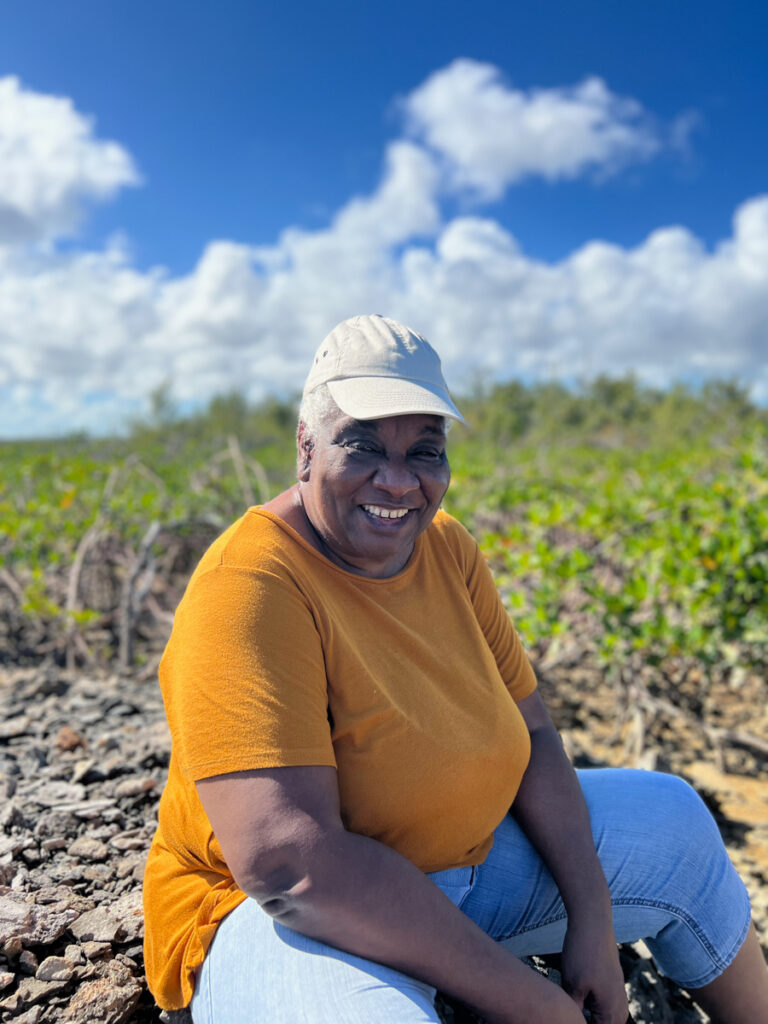
This year, we also pause to honor the memory of Mrs. Michelle Bailey, a dedicated science teacher at Patrick J. Bethel High School who had been part of B.A.M. since its very beginning. For ten years, she championed this program and the opportunities it created for her students, and she was eagerly looking forward to celebrating this milestone anniversary. Her passion for education and unwavering belief in her students helped shape the heart and spirit of B.A.M. While she is deeply missed, her influence lives on in the classrooms she nurtured and in the generations of students she inspired.
Ten years of B.A.M. is not just a program anniversary. It is a testament to partnership, trust, and shared purpose.
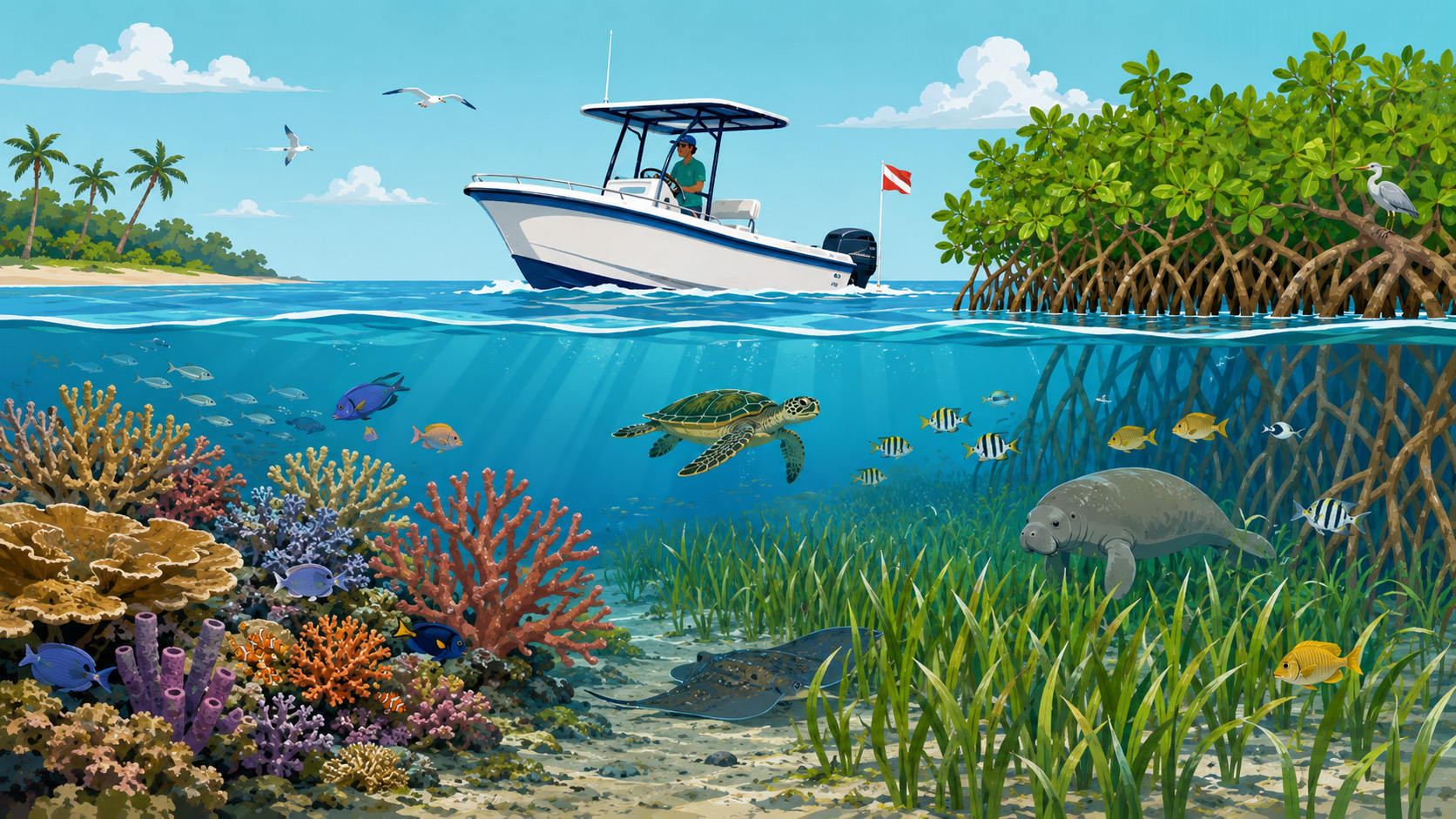
Mangroves themselves are slow-growing but powerful ecosystems. Over time, their roots strengthen, their reach expands, and their protection deepens. In many ways, B.A.M. has followed that same path — quietly growing, steadily strengthening, and becoming part of the fabric of environmental education in Abaco.
As we celebrate this milestone, we do so with gratitude to Friends of the Environment, our partner schools, the educators who make this work possible, and the students who continue to step into the mangroves with curiosity and courage.
Ten years rooted in partnership.
Ten years of growing knowledge, confidence, and stewardship.
Ten years of showing that when communities invest in their youth, the impact lasts.
And this is only the beginning.
Here’s to the next decade of B.A.M. — stronger roots, wider reach, and even greater impact across Abaco.