
search-icon
2025 Science Without Borders® Challenge: Introducing the 15-19 Year-Old Finalists

The response to our 2025 Science Without Borders® Challenge has been overwhelming! We’ve been blown away by the sheer number of submissions we received from aspiring young scientists and artists worldwide. Last week, we proudly unveiled the finalists in the 11-14 age group, and now, we’re ecstatic to announce the finalists in the 15-19 year-old category.

These gifted students come from all over the globe, including The Bahamas, Canada, China, Greece, Japan, Indonesia, Korea, Thailand, and the United States. Their artwork brings the 2025 theme, “Marine Keystone Species,” to life in extraordinary ways. From intricate illustrations of krill and coral to impactful portrayals of sharks, sea otters, polar bears, mangroves, and more, each piece highlights the essential roles these species play in maintaining ocean balance and biodiversity.

Without further ado, please meet our talented 15-19 year old finalists! These exceptional artists have not only showcased their incredible talents but also their unwavering passion for marine conservation.

15-19 Year-Old Finalists

"Between Shadow and Sea: The Orca’s Lament" by Adrian Wang, Age 17, China
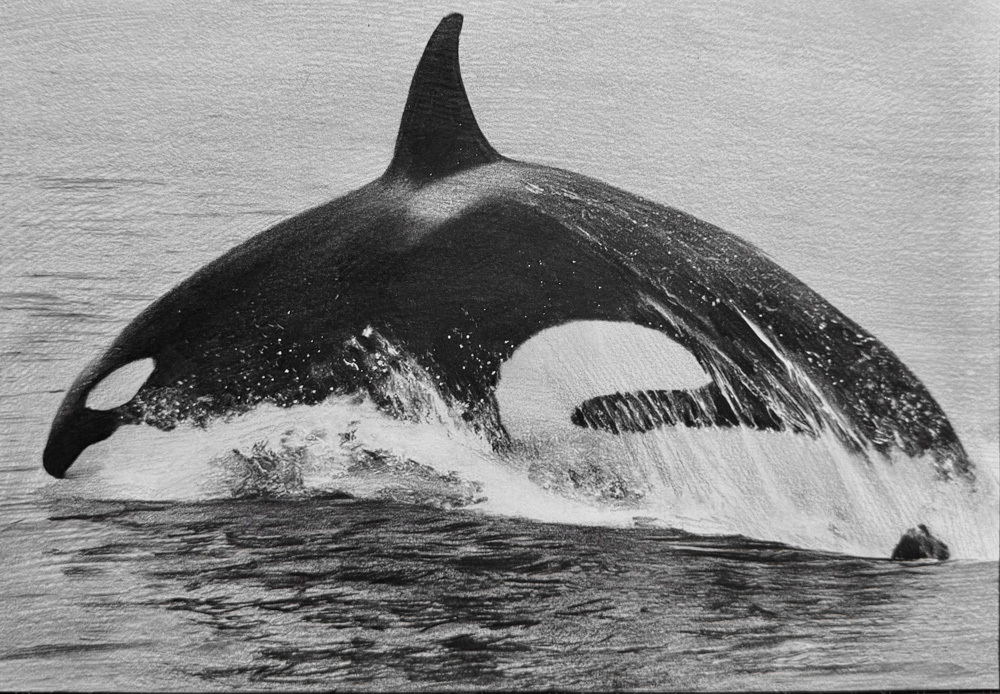
Image 4 of 15

ARTIST'S STATEMENT: This drawing captures an orca mid-leap, between ocean and sky, its body depicts contrast. The stark black and white of the orca’s form mirrors life’s duality. Black, dense and consuming, evokes the unknown depths of the sea and the inevitability of death; white, luminous yet fragile, reflects the fleeting beauty of life. The ocean, rendered in swirling graphite gradients, embodies both sanctuary and peril, its waves etched with textures that suggest hidden currents of environmental decay. Orcas, apex predators in nature, symbolize balance—a harmony now threatened by human encroachment. The absence of color is a metaphor for ecological loss, a world stripped of vibrancy by pollution and climate collapse. The orca’s powerful yet desperate leap becomes a lament for ecosystems teetering on extinction. Graphite’s impermanence—vulnerable to smudging—echoes the fragility of marine life, urging viewers to confront their role in preserving the delicate dance between shadow and sea.
Stay tuned! We will announce the winners in the next couple of weeks.

Related Posts

From Dialogue to Action: Ocean Foundations Gather in Stockholm

What can philanthropy accomplish when foundations working across ocean science, conservation, and sustainable development come together around a shared purpose?

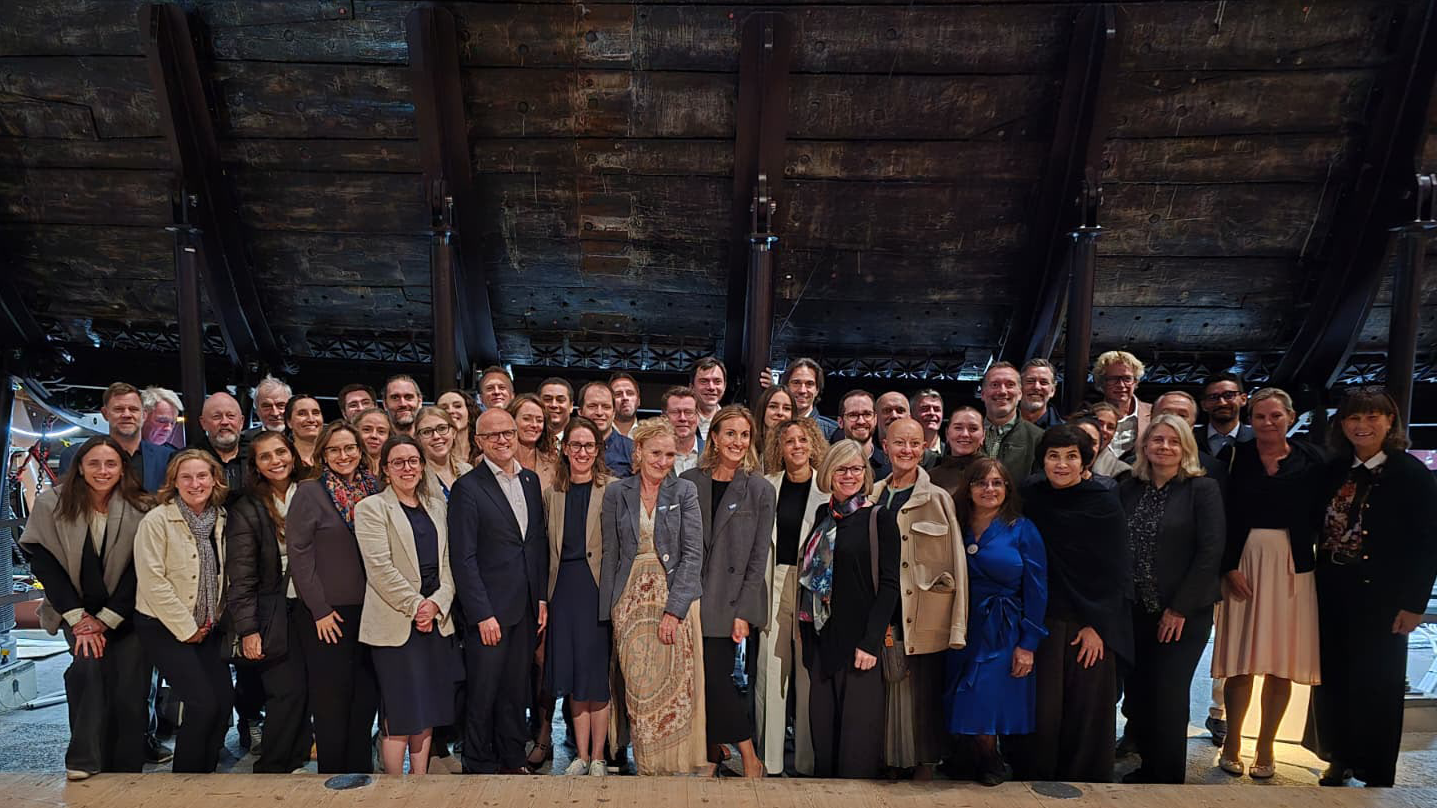
That question was at the heart of the 6th UN Ocean Decade Foundations Dialogue, held September 7–9 in Stockholm, Sweden. The Khaled bin Sultan Living Oceans Foundation joined philanthropic organizations from around the world for three days of discussion, collaboration, and planning focused on accelerating progress during the second half of the UN Decade of Ocean Science for Sustainable Development.

Facilitated by UNESCO’s Intergovernmental Oceanographic Commission (IOC), the UN Ocean Decade Foundations Dialogue is a growing network of more than 30 philanthropic organizations committed to advancing ocean science, collaboration, and action. Since its creation within the framework of the Ocean Decade, the Dialogue has provided foundations with a space to exchange ideas, develop partnerships, and explore how philanthropy can help advance a healthy and resilient ocean.

Hosted by the Voice of the Ocean Foundation (VOTO), this year’s gathering began with From Depth to Action, an Opening Forum that brought nearly 100 leaders from the Swedish and international ocean community together at…

Read More

Meet IFAN: Helping Bring Navigate with Care to the Next Generation

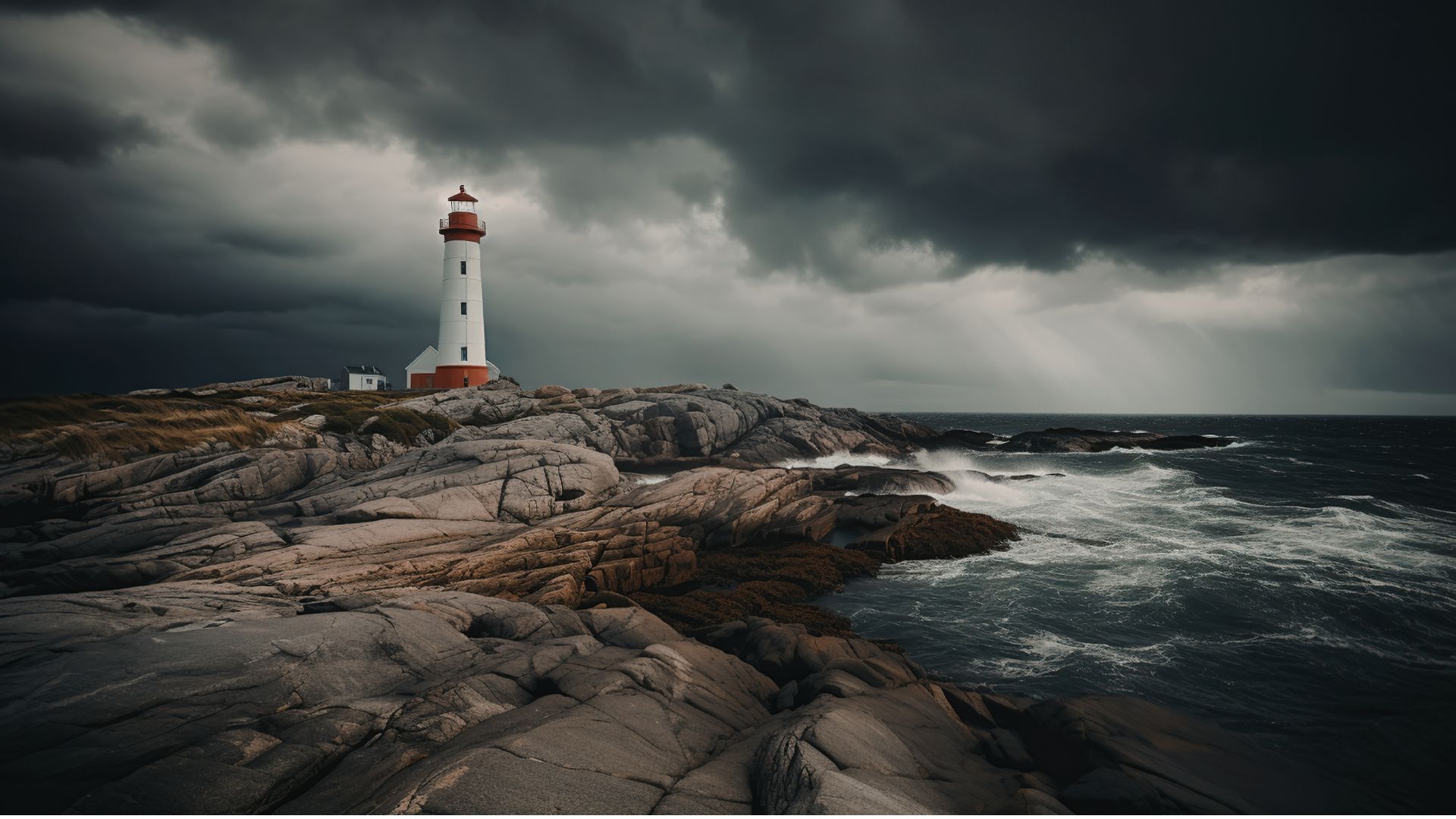
If you’ve ever seen a lighthouse flashing from the shore or a brightly colored buoy bobbing in the water, you’ve seen Aids to Navigation at work.

Aids to Navigation, often called AtoNs, help mariners navigate safely. They can mark channels, warn of hazards, help vessels determine their position, and provide other information people need to make safe decisions on the water. Around the world, these systems help guide everything from small recreational boats to large commercial or container ships. 

But safe navigation isn’t only about protecting vessels and the people aboard them. The choices mariners make can also affect the animals and ecosystems beneath and around them.

That connection between maritime safety and ocean conservation is at the heart of this year’s Science Without Borders® Challenge—and of our partnership with this year’s theme sponsor, the International Foundation for Aids to Navigation (IFAN).

Read More
Privacy Overview

This website uses cookies so that we can provide you with the best user experience possible. Cookie information is stored in your browser and performs functions such as recognising you when you return to our website and helping our team to understand which sections of the website you find most interesting and useful.  You can view our complete Privacy Policy here.

Strictly Necessary Cookies

Most of our cookies are used to improve website security and reduce spam. These cookies should be enabled at all times. They also enable us to save your preferences for cookie settings.

3rd Party Cookies

This website uses Google Analytics to collect anonymous information such as the number of visitors to the site, and the most popular pages. Keeping this cookie enabled helps us to improve our website.