
search-icon
A Critical Reef Component

Elkhorn Coral (Acropora palmata) is an iconic species on Caribbean coral reefs.  The yellow-brown, broad branches resemble elk antlers; and so the common name.  These wide branches can grow to lengths reaching over 2 meters (~6 feet) and construct vital vertical reef habitat.  The complex coral structure in turn creates habitat for myriad reef fishes and invertebrates.  The essential habitat provided by Elkhorn Coral makes this species a keystone of the reef’s structure.  This is especially true in waters from 1-5 m deep where they are most commonly found.


Healthy Acropora palmata or Elkhorn Coral
A healthy example of Acropora palmata, or Elkhorn Coral


Unlike most coral species, Acropora palmata grows very quickly in shallow waters – generally adding from 5-10 cm each year.  Compare this to star corals that may grow about 1 cm a year and you can understand this dramatic difference.  Elkhorn Corals are also able to start growing new colonies when branches break off (fragment), often due to high waves during a storm event, in the shallow waters they prefer.  This also helps them to maintain a high growth rate.

Unfortunately, the long-term survival of Elkhorn Coral is threatened.  The world’s authority on the conservation status of species, known as the International Union for Conservation of Nature (IUCN), has listed Acropora palmata as, “Critically Endangered.”  This is the highest risk category assigned by the IUCN and means that a species’ numbers have decreased, or soon will decrease, by at least 80%.  Acropora palmata has suffered drastic reductions throughout the Caribbean, with as much as 90-95% of the species being lost in some regions due to multiple causes, many not well understood by scientists.  Critically Endangered is the last stop on the IUCN’s list before a species is considered extinct.  The Khaled bin Sultan Living Oceans Foundation’s Chief Scientist, Dr. Andrew Bruckner, contributed greatly to the collective efforts that went into getting this coral species listed with the IUCN as Critically Endangered.


A healthy, living Acropora palmata can been seen the foreground, while ghostly skeletons of dead Acropora palmata corals are present in the background to the left
A living Acropora palmata can been seen the foreground, while ghostly skeletons of dead Acropora palmata corals are present in the background to the left


Elkhorn Coral has become highly endangered due to a combination of factors.   For example, many coral diseases have emerged in recent decades, including the ‘white band’ disease that attacks all Western Atlantic species of Acropora palmata.  Corals may be particularly susceptible to diseases when they are stressed by poor water quality and an overabundance of nutrients in the water, frequently caused by coastal development and inadequate sewage treatment techniques.   In addition, Acropora palmata is damaged and killed by predacious snails and damselfish, algal overgrowth, and changes in temperature and salinity caused by human impacts such as global climate change and natural cycles like the well-known El Niño and La Niña Southern Oscillations.

However, some good news for Elkhorn Corals may be emerging in Great Inagua.  Initial surveys by Global Reef Expedition scientists have turned up several rich populations of living Acropora palmata.   Several of the Elkhorn Coral colonies that have been surveyed in recent days do not appear to be as badly affected as in other areas of the Bahamas.  It is too early in our research to reach any conclusions, and these findings still need to be confirmed, with a careful analysis of data collected throughout this expedition, but the research team on the Inaguas expedition is cautiously optimistic that an area of Acropora palmata worthy of management may have been located.


Agnessa Lundy with The Nature Conservancy Bahamas Office, surveys a reef with Acropora palmata in Man of War Bay, Great Inagua


Written by Kit van Wagner

(Photo/Images by:  1 – 3 CAPT Philip Renaud)

To follow along and see more photos, please visit us on Facebook! You can also follow the expedition on our Global Reef Expedition page, where there is more information about our research and our team members.
Related Posts

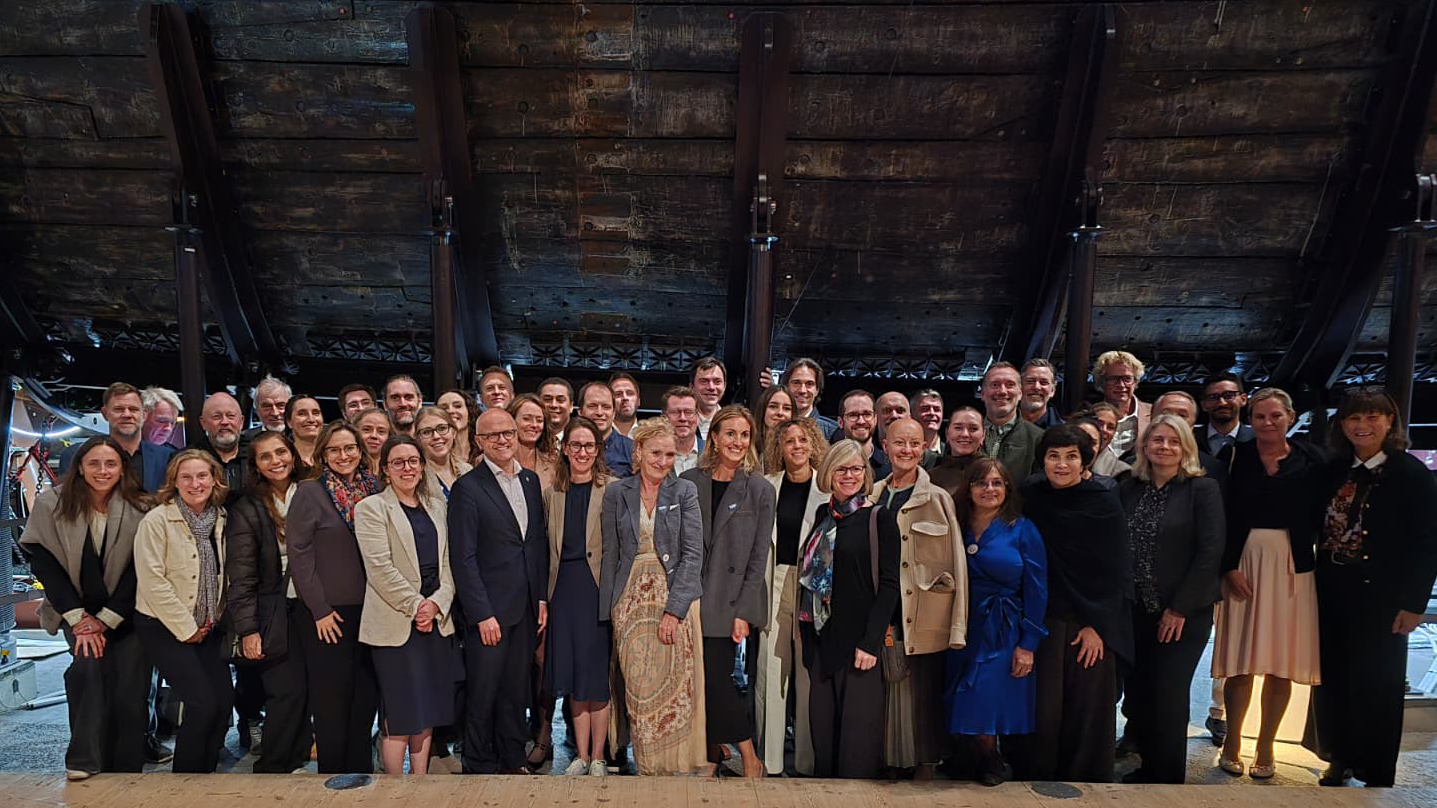
From Dialogue to Action: Ocean Foundations Gather in Stockholm

What can philanthropy accomplish when foundations working across ocean science, conservation, and sustainable development come together around a shared purpose?

That question was at the heart of the 6th UN Ocean Decade Foundations Dialogue, held September 7–9 in Stockholm, Sweden. The Khaled bin Sultan Living Oceans Foundation joined philanthropic organizations from around the world for three days of discussion, collaboration, and planning focused on accelerating progress during the second half of the UN Decade of Ocean Science for Sustainable Development.

Facilitated by UNESCO’s Intergovernmental Oceanographic Commission (IOC), the UN Ocean Decade Foundations Dialogue is a growing network of more than 30 philanthropic organizations committed to advancing ocean science, collaboration, and action. Since its creation within the framework of the Ocean Decade, the Dialogue has provided foundations with a space to exchange ideas, develop partnerships, and explore how philanthropy can help advance a healthy and resilient ocean.

Hosted by the Voice of the Ocean Foundation (VOTO), this year’s gathering began with From Depth to Action, an Opening Forum that brought nearly 100 leaders from the Swedish and international ocean community together at…

Read More

Meet IFAN: Helping Bring Navigate with Care to the Next Generation

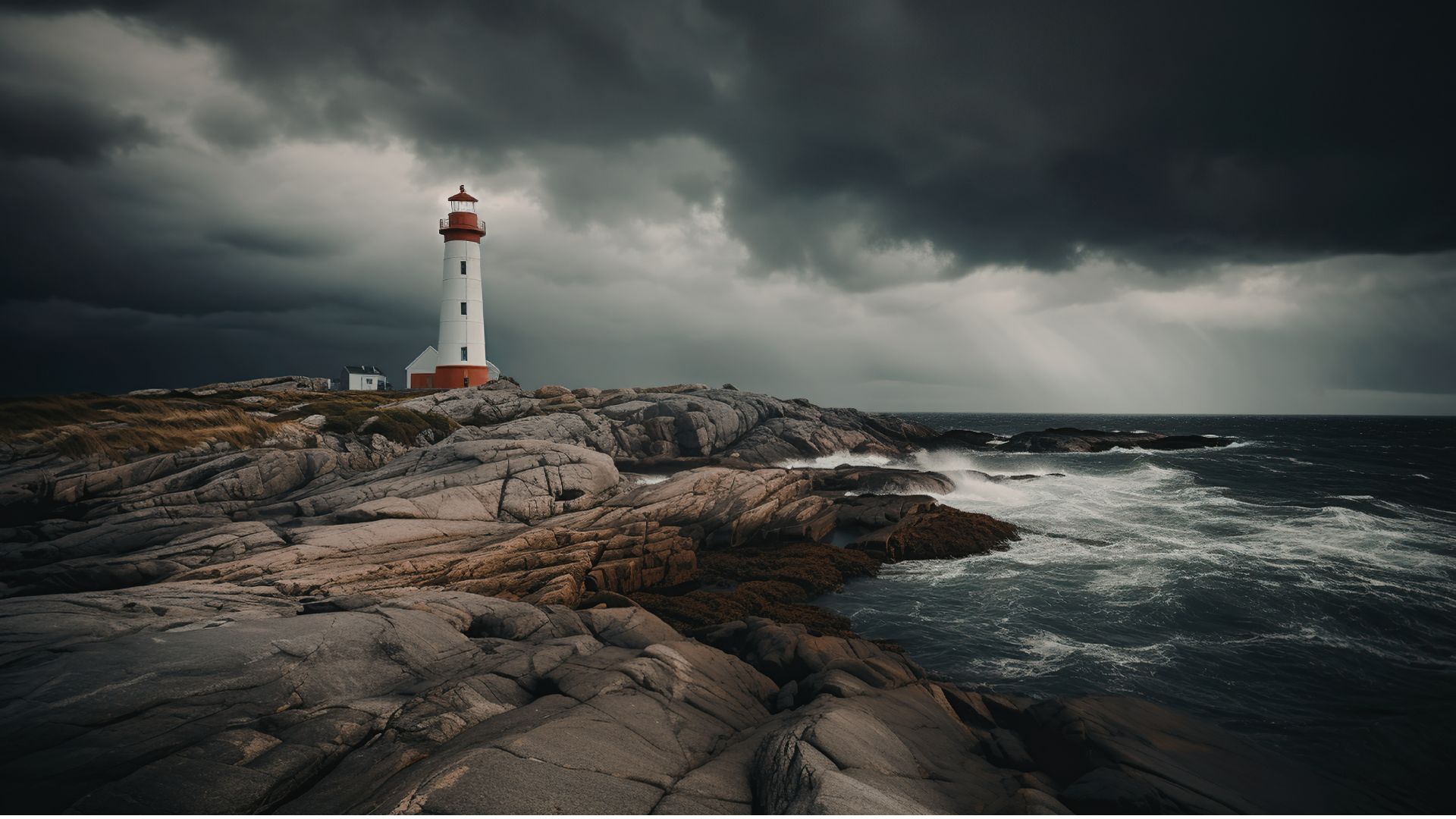
If you’ve ever seen a lighthouse flashing from the shore or a brightly colored buoy bobbing in the water, you’ve seen Aids to Navigation at work.

Aids to Navigation, often called AtoNs, help mariners navigate safely. They can mark channels, warn of hazards, help vessels determine their position, and provide other information people need to make safe decisions on the water. Around the world, these systems help guide everything from small recreational boats to large commercial or container ships. 

But safe navigation isn’t only about protecting vessels and the people aboard them. The choices mariners make can also affect the animals and ecosystems beneath and around them.

That connection between maritime safety and ocean conservation is at the heart of this year’s Science Without Borders® Challenge—and of our partnership with this year’s theme sponsor, the International Foundation for Aids to Navigation (IFAN).

Read More

Privacy Overview

This website uses cookies so that we can provide you with the best user experience possible. Cookie information is stored in your browser and performs functions such as recognising you when you return to our website and helping our team to understand which sections of the website you find most interesting and useful.  You can view our complete Privacy Policy here.

Strictly Necessary Cookies

Most of our cookies are used to improve website security and reduce spam. These cookies should be enabled at all times. They also enable us to save your preferences for cookie settings.

3rd Party Cookies

This website uses Google Analytics to collect anonymous information such as the number of visitors to the site, and the most popular pages. Keeping this cookie enabled helps us to improve our website.