A Friendly Fish
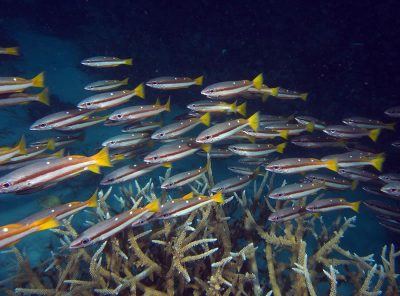
Expedition Log: Maldives – Day 11 Every diver will have a selection of fish that make them smile each time they come across them. For me, one of the new additions to my list this year was the two-spot banded


Expedition Log: Maldives – Day 11 Every diver will have a selection of fish that make them smile each time they come across them. For me, one of the new additions to my list this year was the two-spot banded
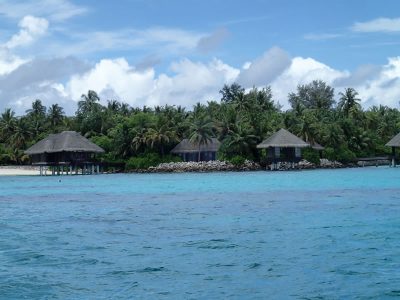
Expedition Log: Maldives – Day 9 What has been really interesting for us during this research mission are the differences between each resort; the people, the location, the resort, the transport, the reefs… After we finished working at Gili Lankanfushi
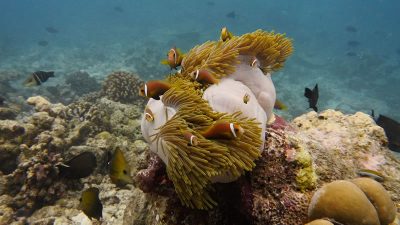
Expedition Log: Maldives – Day 8 Ask anyone to name a fish found on a coral reef, and I almost guarantee most will reply “clownfish!” A fish made famous by Disney/Pixar’s 2003 film Finding Nemo. What most of these people
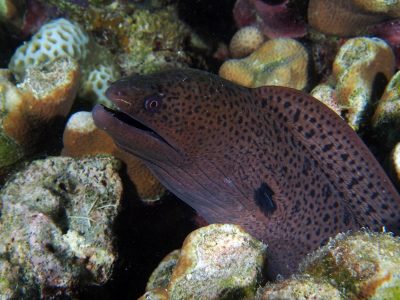
Expedition Log: Maldives – Day 3 On every dive we have done around Gili Lankanfushi we have seen dozens of moray eels. We have seen two species so far; the giant moray (Gymnothorax javanicus) and the honeycomb moray (Gymnothorax favagineus). We
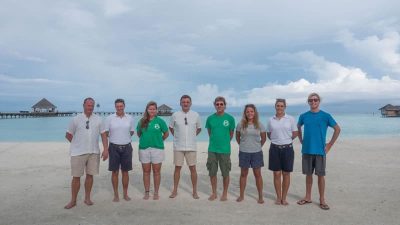
Expedition Log: Maldives – Day 2 In May of this year we began receiving emails from marine biologists based in the Maldives requesting assistance to manage the growing crown of thorns starfish (COTS) populations. Although COTS have been seen here
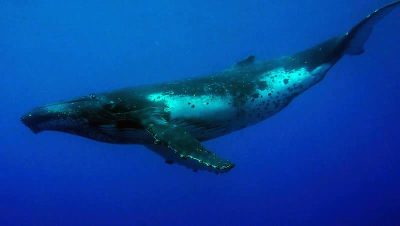
Expedition Log: Cook Islands – Day 3 As we landed in Aitutaki, the science team was excited to discover that it was humpback whale season. Each year between July and October these majestic animals pass by the Cook Islands on
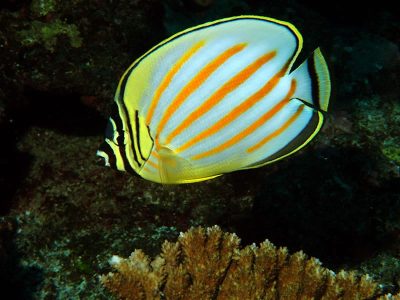
Expedition Log: Cook Islands – Day 2 One of the most charismatic families of reef fish are the butterflyfish (Chaetodontidae). We’ve written about these species in previous blogs, but the importance of these species as an indicator of reef health
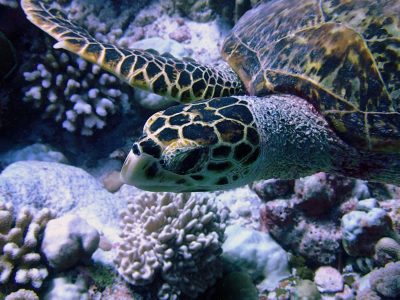
Expedition Log: BIOT – Day 24 While traveling from one survey site to another, the ground-truthing team came across two sea turtles mating. They appeared to be green turtles (Chelonia mydas), currently most abundant of the sea turtle species. Green
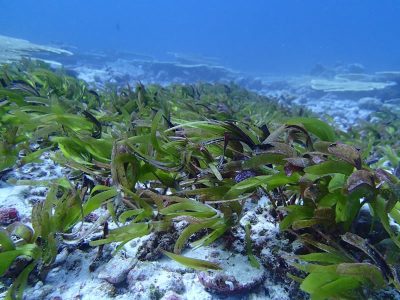
Expedition Log: BIOT – Day 23 Seagrass beds are found in many tropical coral reef lagoons around they world. They provide important ecosystem services, including sediment retention, juvenile fish habitat, and coastal protection. Historically, seagrasses have also been used as
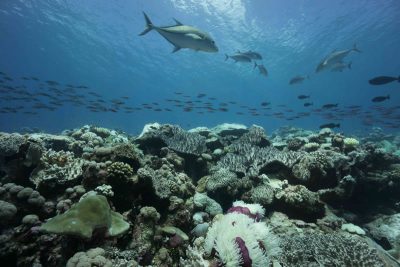
Expedition Log: BIOT – Day 22 The grim reaper comes quickly if you are a coral. Superbly adapted to their life in the shallow ocean and so successful that they can build some of the biggest structures created by living