Coral reefs are subjected to natural and human-induced disturbances, both of which can have a negative impact on the health of the ecosystem. Examples of human caused disturbances include pollution, destructive fishing practices, overharvesting animals for the aquarium trade, among many others. All of these disturbances are preventable. Many governments work with local communities to address these issues through the implementation of laws and management plans to reduce the impacts and preserve their coral reef resources.
Natural disturbances were commonly seen on the Global Reef Expedition, and while frequently more difficult to predict and manage than human caused disturbances, efforts can be made to better address the problem when it occurs. One of the most common disturbances we observed was the outbreak of Crown-of-Thorns Starfish (COTS). These voracious coral predators can completely consume the coral on a reef. The reef ecosystem can take decades to recover from this type of disturbance. COTS outbreaks have been linked to pollution and overharvesting of its top predators, allowing these animals to multiply into unmanageable numbers.
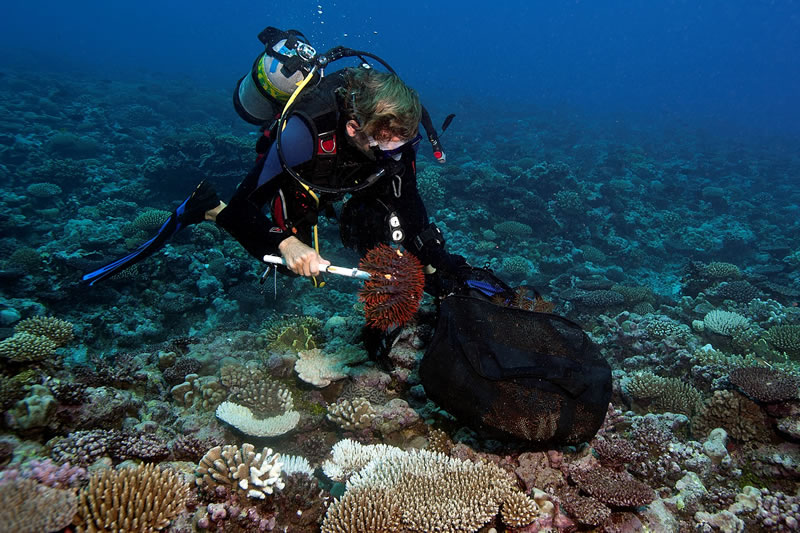
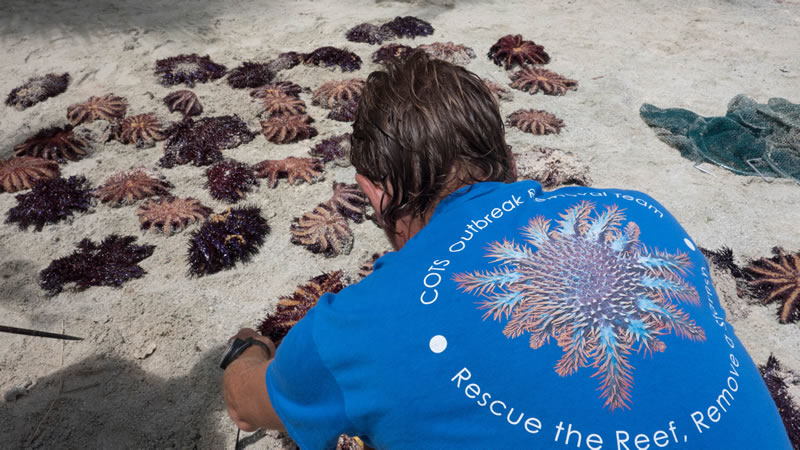
We observed evidence of COTS outbreaks in the Red Sea, French Polynesia, Tonga and the Solomon Islands, and observed an active outbreak in the Cook Islands. While in the Cook Islands we found the best method to control an outbreak was by physically removing the COTS from the reef. We also developed a COTS management plan that can be used by local governments to help manage an active outbreak. More recently, other groups from around the world have come up with new technology and techniques to try to rapidly eradicate a COTS outbreak before significant damage can be made. The best way to stop a COTS outbreak is to catch it before it gets too large and unmanageable. This can be done through regular monitoring of the reef, to look for increases in the number of COTS.
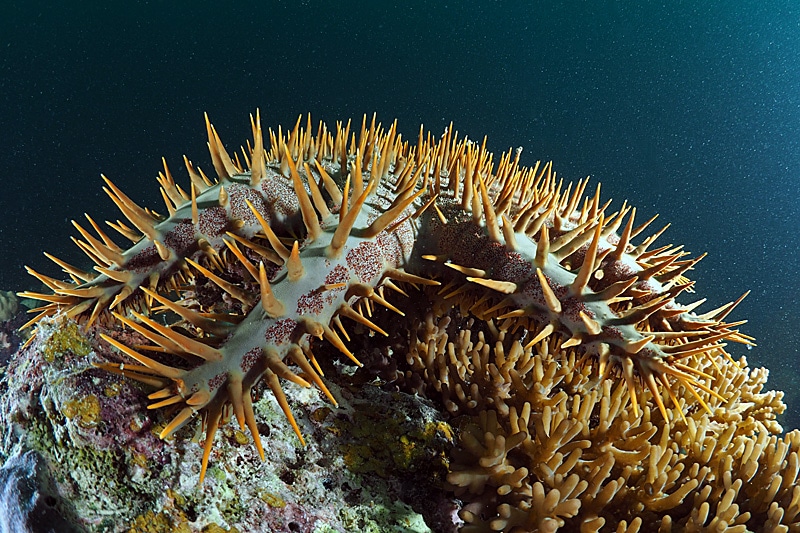
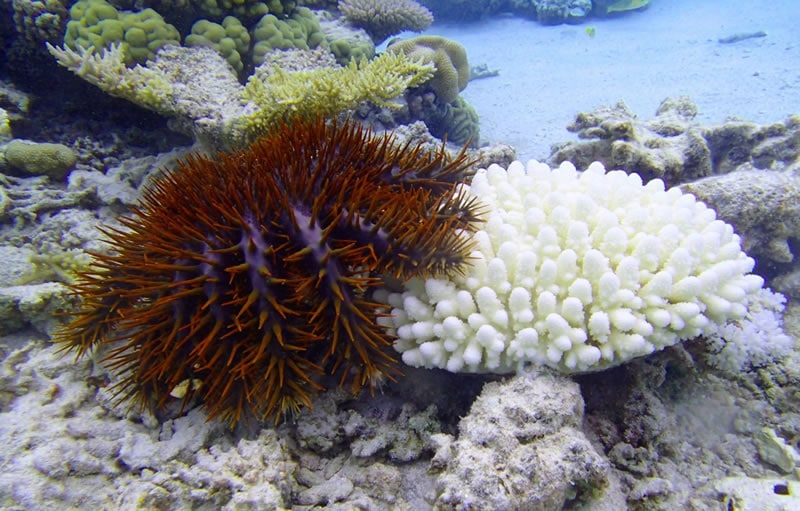
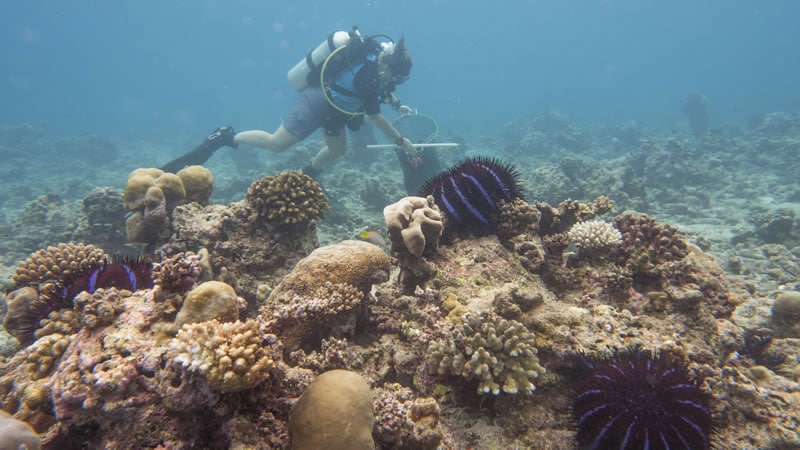
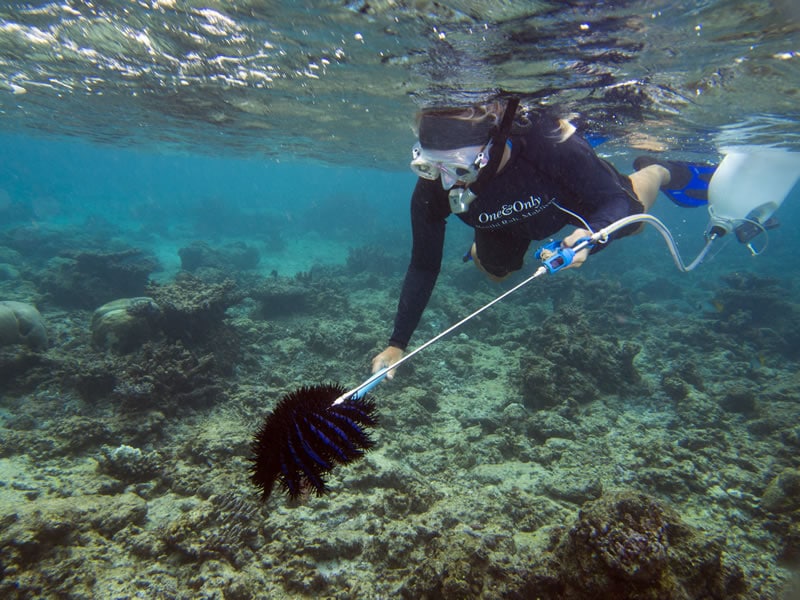
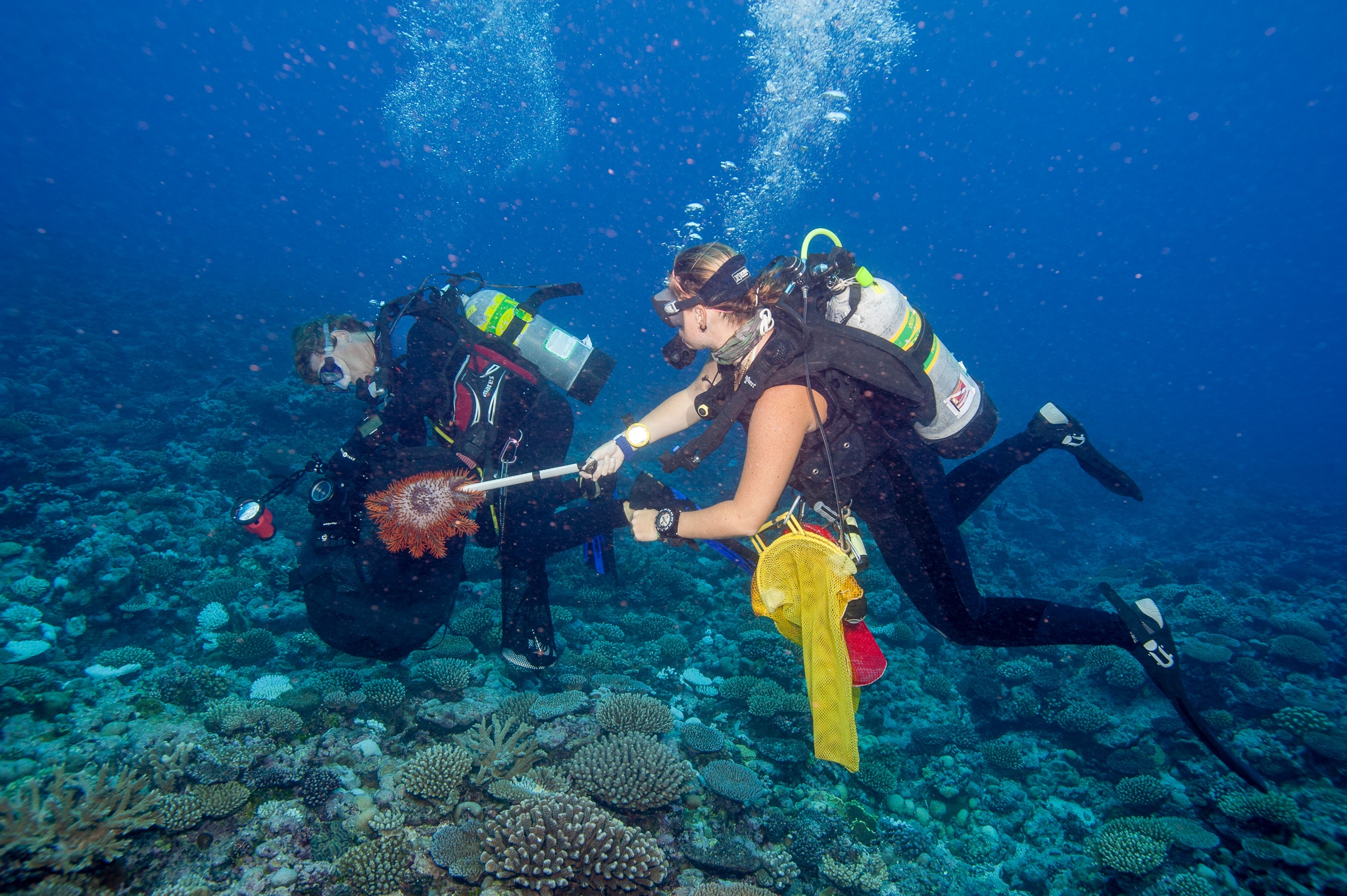
KSLOF scientists intervening in a COTS crisis. 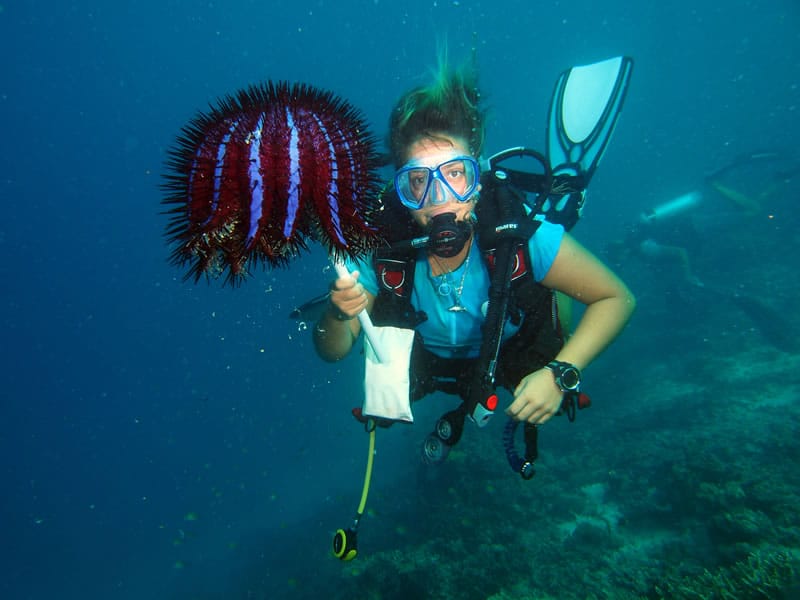

Other natural disturbances such as hurricanes, cyclones, and tsunamis can be equally as damaging. These major disturbances can topple corals and destroy the reef. With climate change, storms such as hurricanes and cyclones are expected to become more frequent and more severe. In the Caribbean, and in other parts of the world, coral restoration efforts are being implemented to restore a reef after such a disturbance. Several organizations have created coral nurseries to help grow and multiply important reef building corals that they can then outplant immediately following a disturbance. While some of the toppled or broken corals cannot be salvaged following a storm or tsunami, being able to swiftly replant the reef with new corals can help sustain the important reef structure that so many organisms within the ecosystem rely on.
Better management of acute reef disturbances is needed to save coral reefs
One of the major findings from our Global Reef Expedition was that we need better management of coral reefs to tackle these types of acute reef disturbances—disasters such as COTS outbreaks and storm damage that unfold quickly and can cause significant and widespread damage to a reef. With intervention, such as COTS removal efforts or coral restoration, reefs may have a chance to recover. Most management plans are not set up to intervene in these types of coral reef crises, but these plans will have to adapt to save reefs in a rapidly changing world.
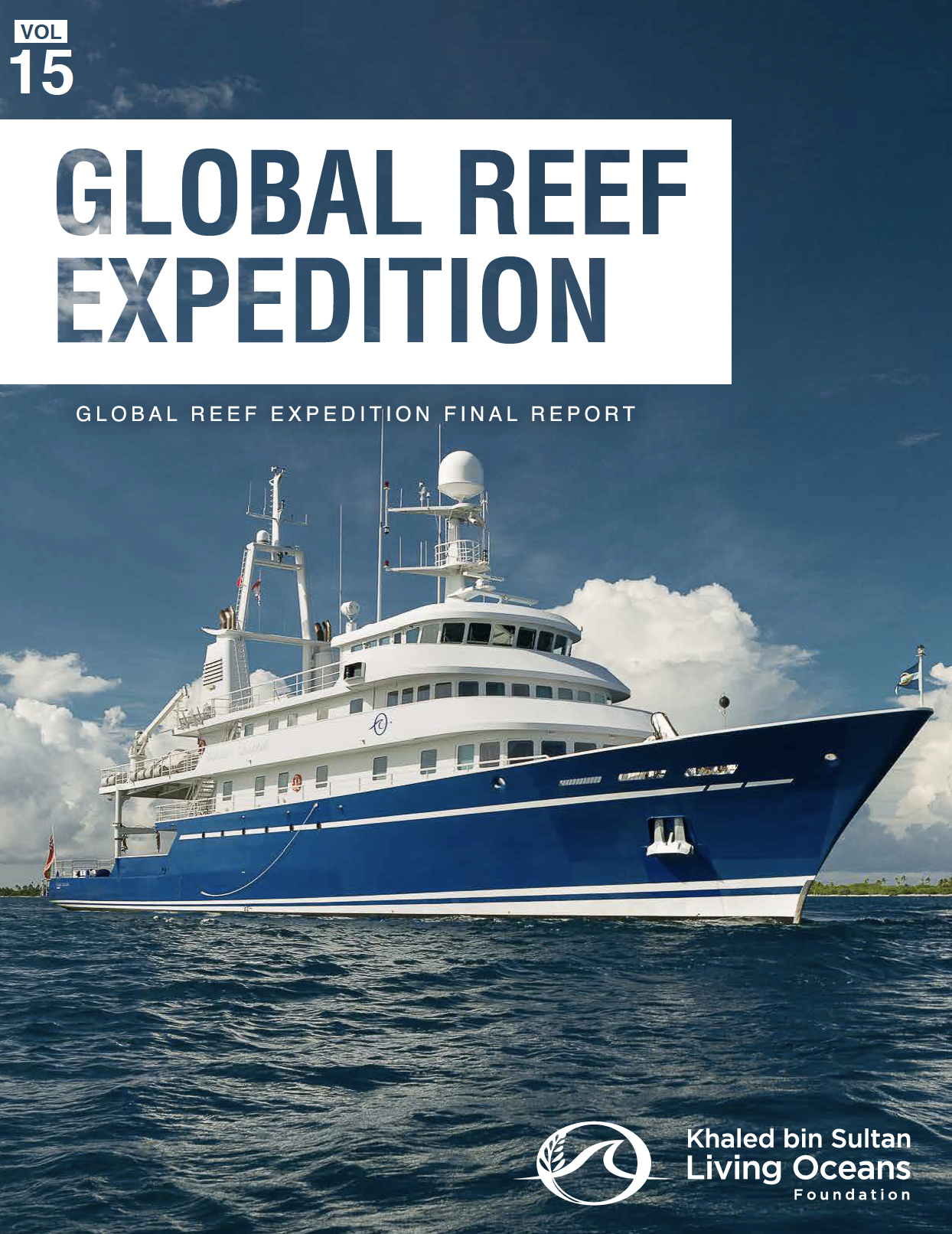
Global Reef Expedition Final Report
Learn more about out findings in the Global Reef Expedition Final Report. Over the course of ten years, the Khaled bin Sultan Living Oceans Foundation circumnavigated the globe studying the health and resiliency of coral reefs. This report summarizes our findings from that research mission, provides valuable baseline data on the status of the world’s reefs at a critical point in time, and offers key insights into how to save coral reefs in a rapidly changing world.