
search-icon
Sea Secrets Lecture: Beauty and Peril in the Red Sea

Our Chief Scientist, Dr. Sam Purkis, will be giving a virtual lecture on January 18th at 7pm ET entitled “Beauty and Peril in the Red Sea.”

Dr. Purkis has joined the Khaled bin Sultan Living Oceans Foundation on many research missions, including several to the Red Sea. We hope you take this opportunity to hear more about his work and learn about the remarkable diversity and resiliency of coral reefs in the Red Sea.

Sea Secrets: Beauty and Peril in the Red Sea

Termed a maritime rift, the Red Sea is unique on the modern Earth and an excellent analog to the opening of the Atlantic Ocean as the supercontinent Pangea broke up beginning about 200 million years ago. Rifts represent a perfect natural laboratory in which to study plate movements, and because the deep, narrow basins that they produce represent a rare biosphere. The coral reefs which inhabit the Red Sea, for instance, are remarkable in their diversity and resiliency to climate change. The Red Sea’s beauty is balanced by peril, however. The steep sides of the rift basin are fragile, seismically active, and submarine landslides can spawn tsunamis as large as those of Earth’s most powerful earthquakes. Whereas the arid coastline of the Red Sea was sparsely inhabited in antiquity, it is now urbanizing rapidly, and there is compelling urgency to understand the natural hazards that accompany Earth’s only maritime rift basin.

Dr. Purkis’ research currently focuses on fundamental questions about the health and resilience of coral reefs. In particular, the role that spatial self-organization plays in their patterning and architecture. Beyond better understanding the processes that sculpt reefs, his work also strives to develop pragmatic tools for ocean conservation – from satellite and aircraft observation, marine acoustics, GIS, carbonate geology, coral reef ecology, software development, and mathematical simulation. Dr. Purkis has authored three books and more than 120 publications.
Register for this free online event, hosted by our partners at the University of Miami, here:

Missed the lecture? Watch it here.

Related Posts

From Dialogue to Action: Ocean Foundations Gather in Stockholm

What can philanthropy accomplish when foundations working across ocean science, conservation, and sustainable development come together around a shared purpose?

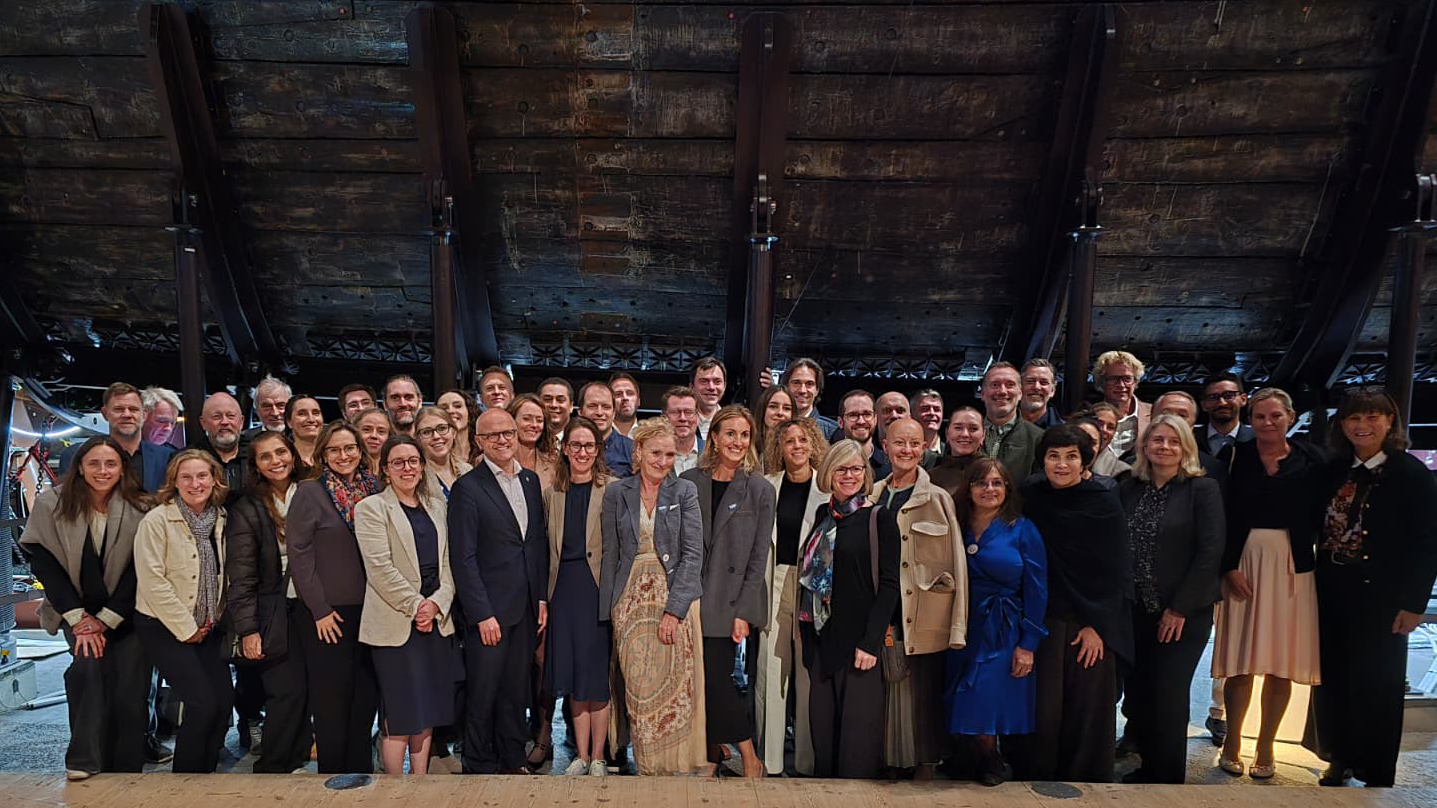
That question was at the heart of the 6th UN Ocean Decade Foundations Dialogue, held September 7–9 in Stockholm, Sweden. The Khaled bin Sultan Living Oceans Foundation joined philanthropic organizations from around the world for three days of discussion, collaboration, and planning focused on accelerating progress during the second half of the UN Decade of Ocean Science for Sustainable Development.

Facilitated by UNESCO’s Intergovernmental Oceanographic Commission (IOC), the UN Ocean Decade Foundations Dialogue is a growing network of more than 30 philanthropic organizations committed to advancing ocean science, collaboration, and action. Since its creation within the framework of the Ocean Decade, the Dialogue has provided foundations with a space to exchange ideas, develop partnerships, and explore how philanthropy can help advance a healthy and resilient ocean.

Hosted by the Voice of the Ocean Foundation (VOTO), this year’s gathering began with From Depth to Action, an Opening Forum that brought nearly 100 leaders from the Swedish and international ocean community together at…

Read More

Meet IFAN: Helping Bring Navigate with Care to the Next Generation

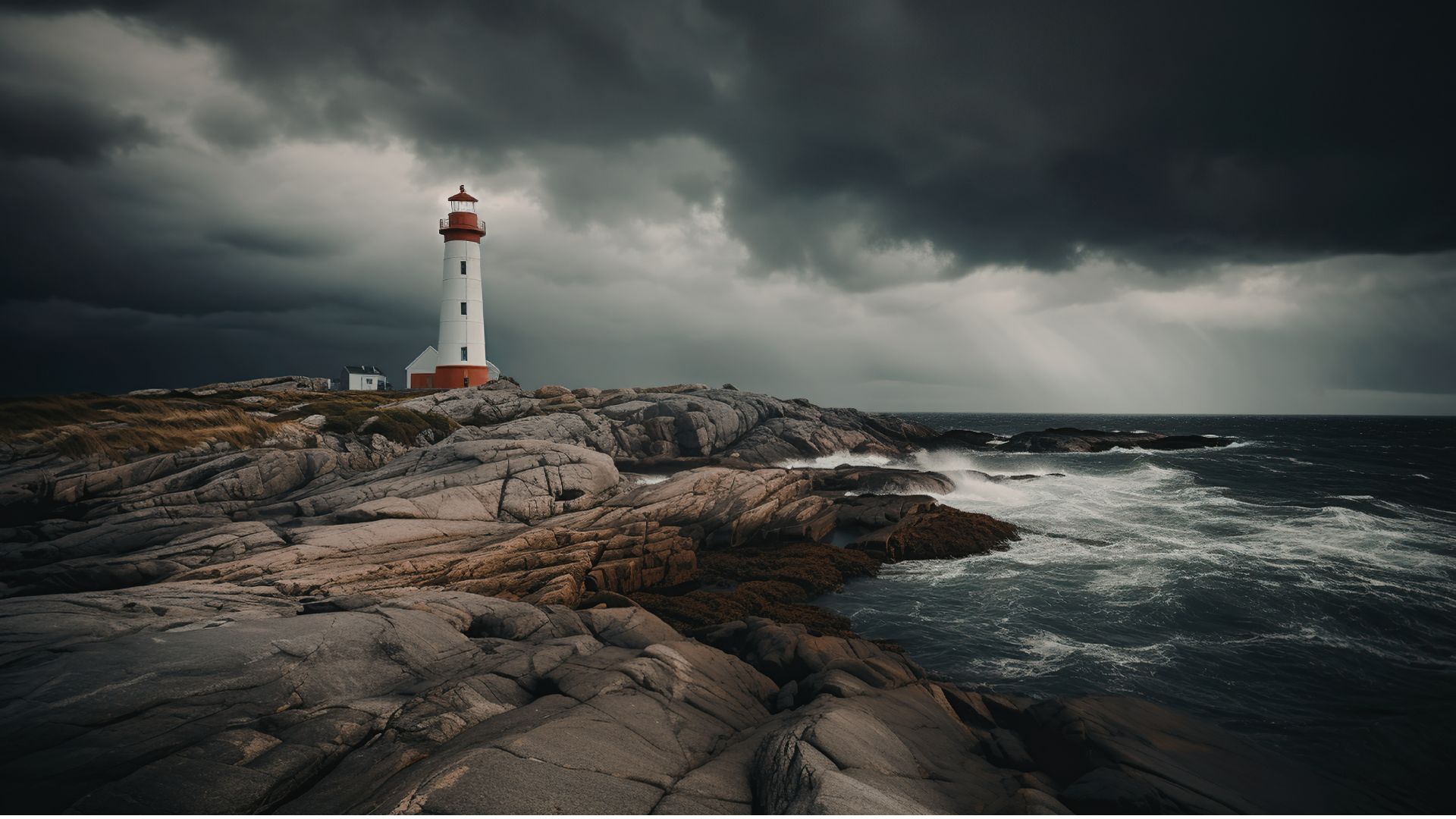
If you’ve ever seen a lighthouse flashing from the shore or a brightly colored buoy bobbing in the water, you’ve seen Aids to Navigation at work.

Aids to Navigation, often called AtoNs, help mariners navigate safely. They can mark channels, warn of hazards, help vessels determine their position, and provide other information people need to make safe decisions on the water. Around the world, these systems help guide everything from small recreational boats to large commercial or container ships. 

But safe navigation isn’t only about protecting vessels and the people aboard them. The choices mariners make can also affect the animals and ecosystems beneath and around them.

That connection between maritime safety and ocean conservation is at the heart of this year’s Science Without Borders® Challenge—and of our partnership with this year’s theme sponsor, the International Foundation for Aids to Navigation (IFAN).

Read More

Privacy Overview

This website uses cookies so that we can provide you with the best user experience possible. Cookie information is stored in your browser and performs functions such as recognising you when you return to our website and helping our team to understand which sections of the website you find most interesting and useful.  You can view our complete Privacy Policy here.

Strictly Necessary Cookies

Most of our cookies are used to improve website security and reduce spam. These cookies should be enabled at all times. They also enable us to save your preferences for cookie settings.

3rd Party Cookies

This website uses Google Analytics to collect anonymous information such as the number of visitors to the site, and the most popular pages. Keeping this cookie enabled helps us to improve our website.