In the world of virtual education, the unexpected often becomes the norm. This held true for me as I embarked on a unique teaching experience with Cub Scouts from Chevy Chase, Maryland, all the way from the Discovery Bay Marine Laboratory in Jamaica. The challenges of unreliable internet connections and quick relocation were merely the beginning of an engaging and educational evening.
In collaboration with Cub Scout leader Kenneth, we worked together to find a way to bring the wonders of coral reefs to Cub Scout Pack 52. Aligning my schedule with our Jamaica Awareness of Mangroves in Nature (J.A.M.I.N.) program, we crafted a virtual session that would leverage the J.A.M.I.N. mangrove food webs show-and-tell sessions.
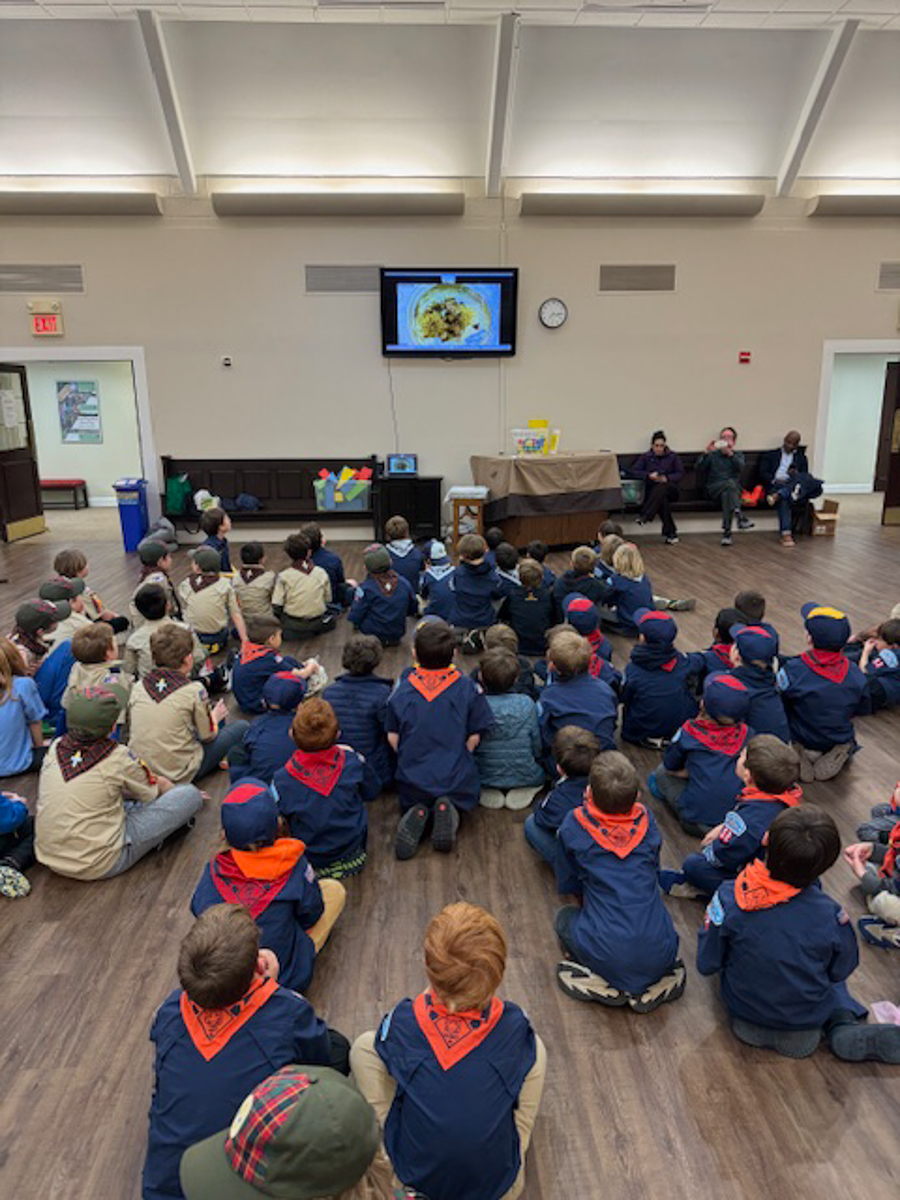
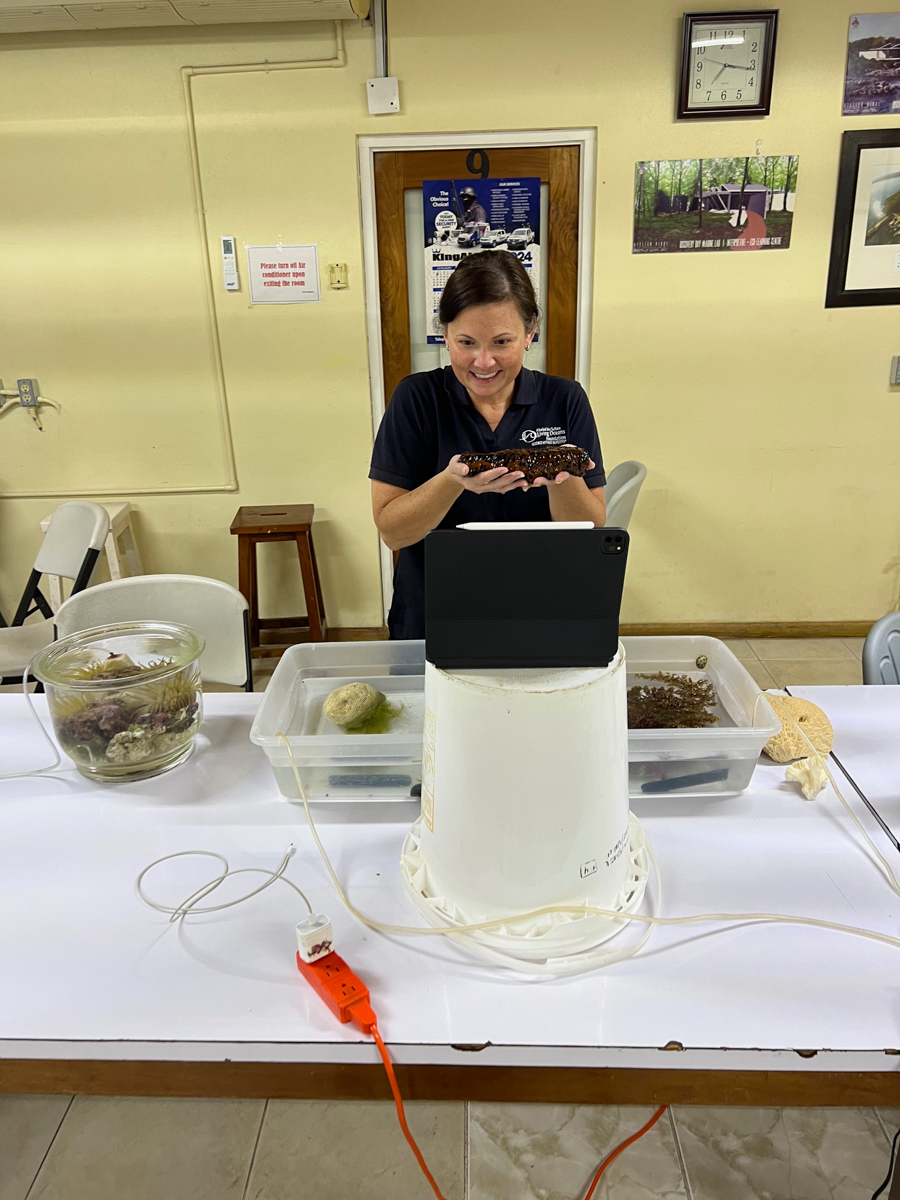
The virtual gathering brought together Cub Scouts spanning from kindergarteners to fifth graders, creating an interactive platform for them to explore the vibrant world of coral reefs. The enthusiasm was palpable as young learners eagerly participated in the online show-and-tell, featuring intriguing creatures such as sea cucumbers, anemones, mollusks, sea urchins, and, of course, corals.
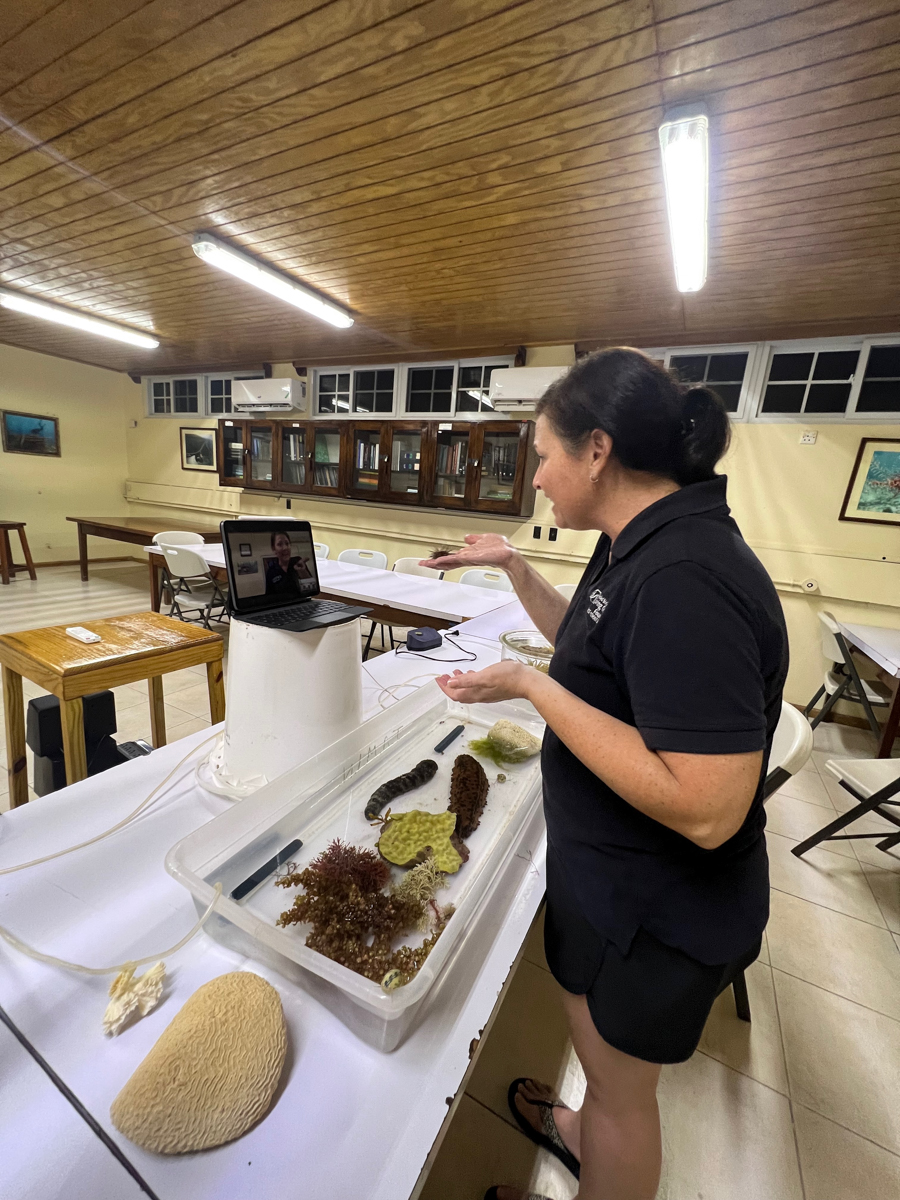
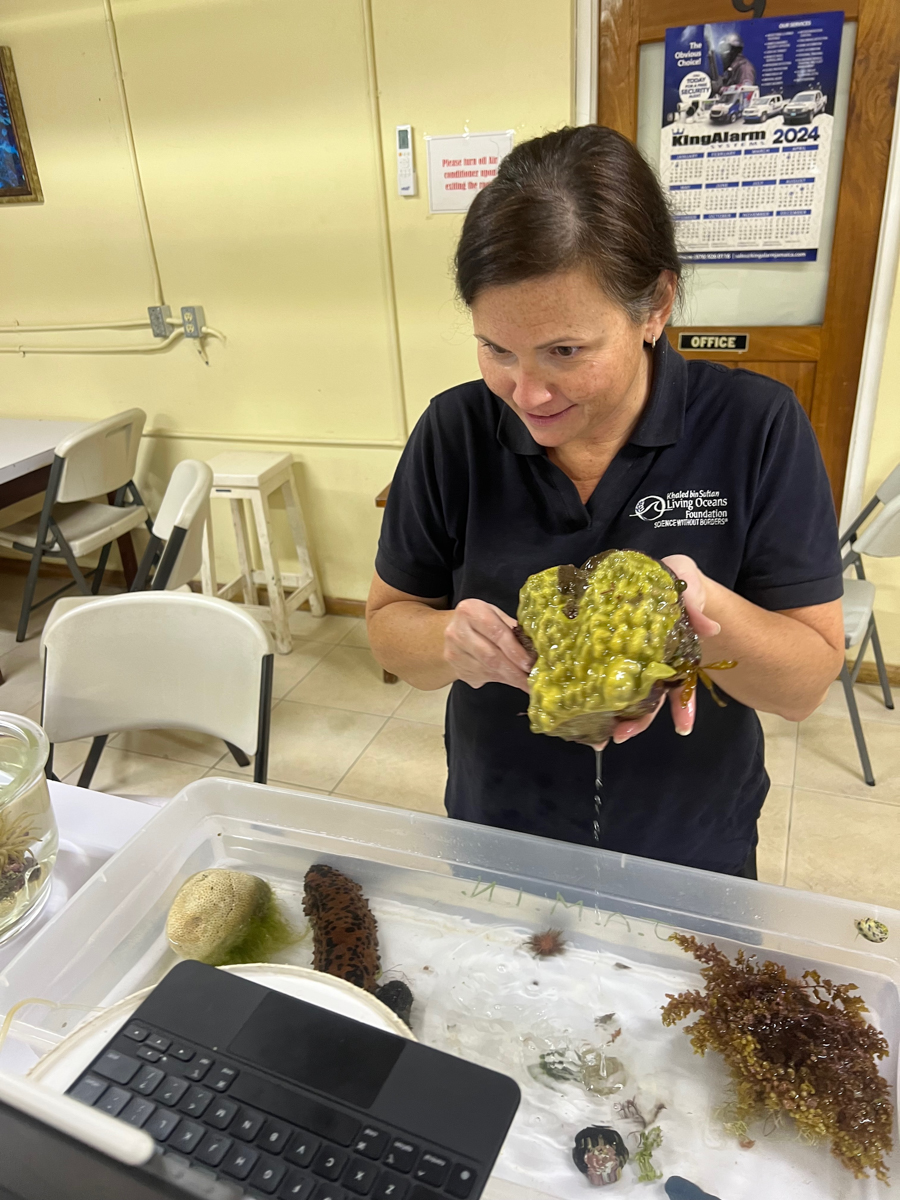
Far from being mere spectators, the students actively engaged by posing thought-provoking questions like “Do you have a conch?” and “What gives the coral its color?” This collaborative effort aimed not only to educate but also to ignite the curiosity and enthusiasm of these young minds about the intricacies of coral reef ecosystems.
The session further delved into the role of corals in the coral reef ecosystem. Prompting a discussion, I posed the question: are corals animals, plants, or rocks? After a lively vote, I clarified that corals are primarily animals but maintain a symbiotic relationship with algae called zooxanthellae, forming a rock-like structure from minerals in seawater. To reinforce these points, I showcased a live coral and shared an instructive video titled “Coral: What is it?“
The interactive portion of the session kicked off with a hands-on activity—building edible coral polyps. Students crafted their models out of marshmallows (base of the coral polyp), Twizzlers (tentacles), Ritz crackers (coral ‘skeleton’), and sprinkles (symbiotic zooxanthellae).
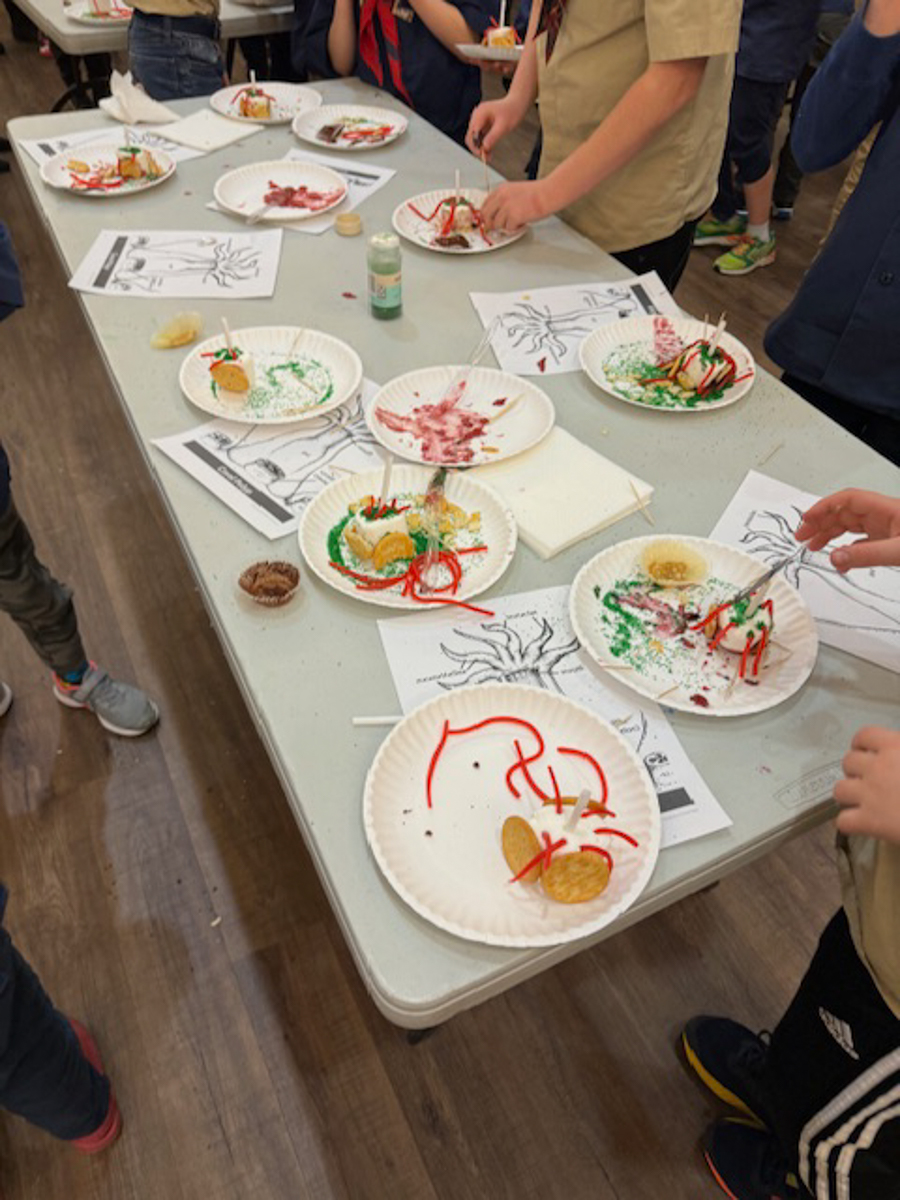
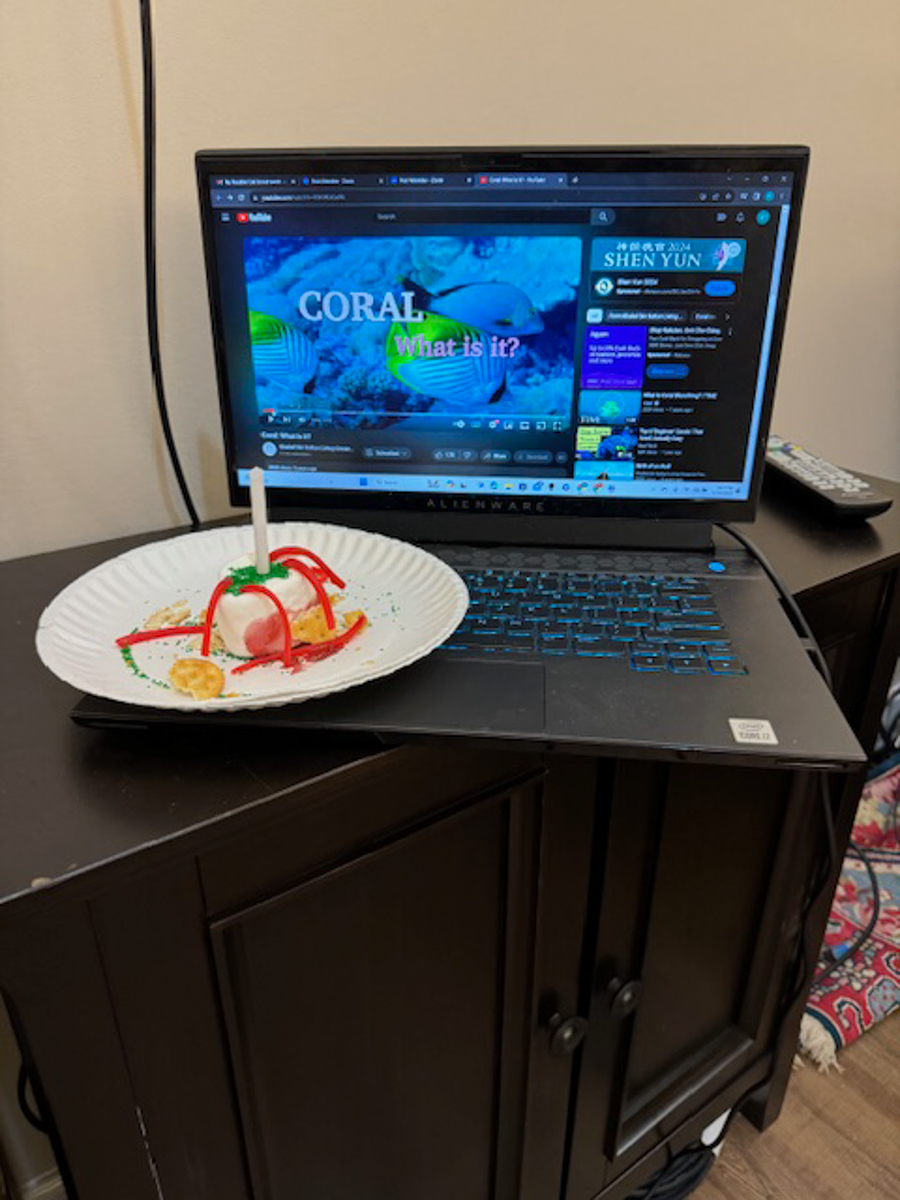
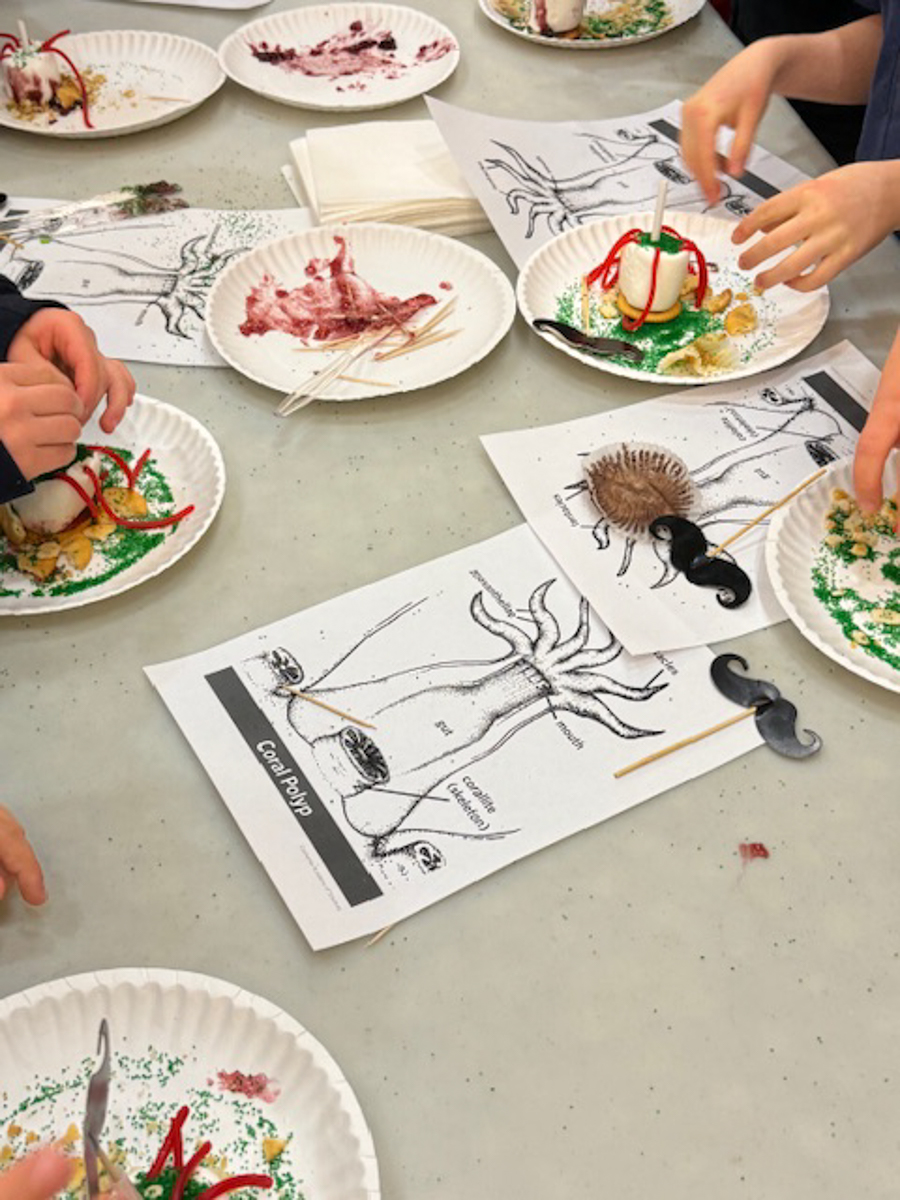
Concluding the evening, I explained to the students that individual polyps contribute to the unity of a coral colony and that coral polyps can even share resources. I further explained the importance of corals in the coral reef ecosystem.
Kenneth shared his thoughts with me after the event, saying:
“The Scouts were fascinated by the array of creatures that Amy presented as she discussed the coral reef ecosystem. While the Scouts loved the show-and-tell, making them eat the edible coral polyp was the icing on the cake! Thank you again to Amy and her team at the Khaled bin Sultan Living Oceans Foundation for an entertaining and educational event.”
– Kenneth, Leader of Cub Scout Pack 52
In the current landscape of online education, the collaboration between the Khaled bin Sultan Living Oceans Foundation and Cub Scouts in Maryland illustrated how technology can overcome geographical barriers, echoing our motto, “Science Without Borders®.” This virtual marine adventure left a lasting impression on both the scouts and me, showcasing the potential of innovative learning experiences beyond the confines of traditional face-to-face education.