
Saskia is a student at the University of Bremen in Germany, doing her master’s degree in International Studies in Aquatic Tropical Ecology (ISATEC). As part of her research, Saskia spent several months working on her master’s thesis in Jamaica, studying the effectiveness of our Jamaican Awareness of Mangroves in Nature (J.A.M.I.N.) program.
Sitting in front of my laptop, I encountered yet another error in the statistical program “R.” Determined to resolve the issue, I embarked on a series of Google searches to solve this problem, and after hours of trial and error, I finally got the last results for my master thesis. One aspect of my research focused on evaluating the impact of the Living Ocean Foundation’s J.A.M.I.N. program on students´ knowledge, awareness, and attitude toward the mangrove ecosystem — an essential endeavor to demonstrate the program’s efficacy and justification of spending resources.

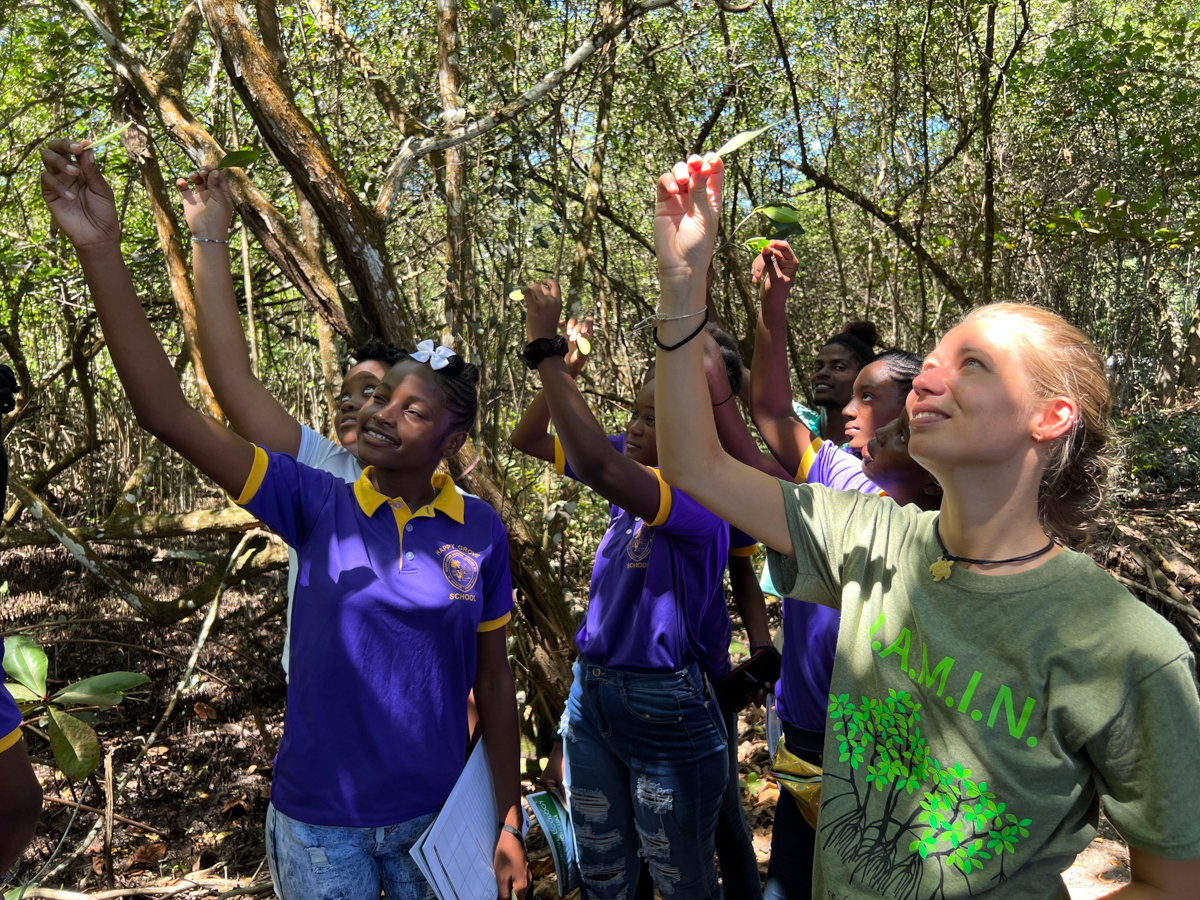
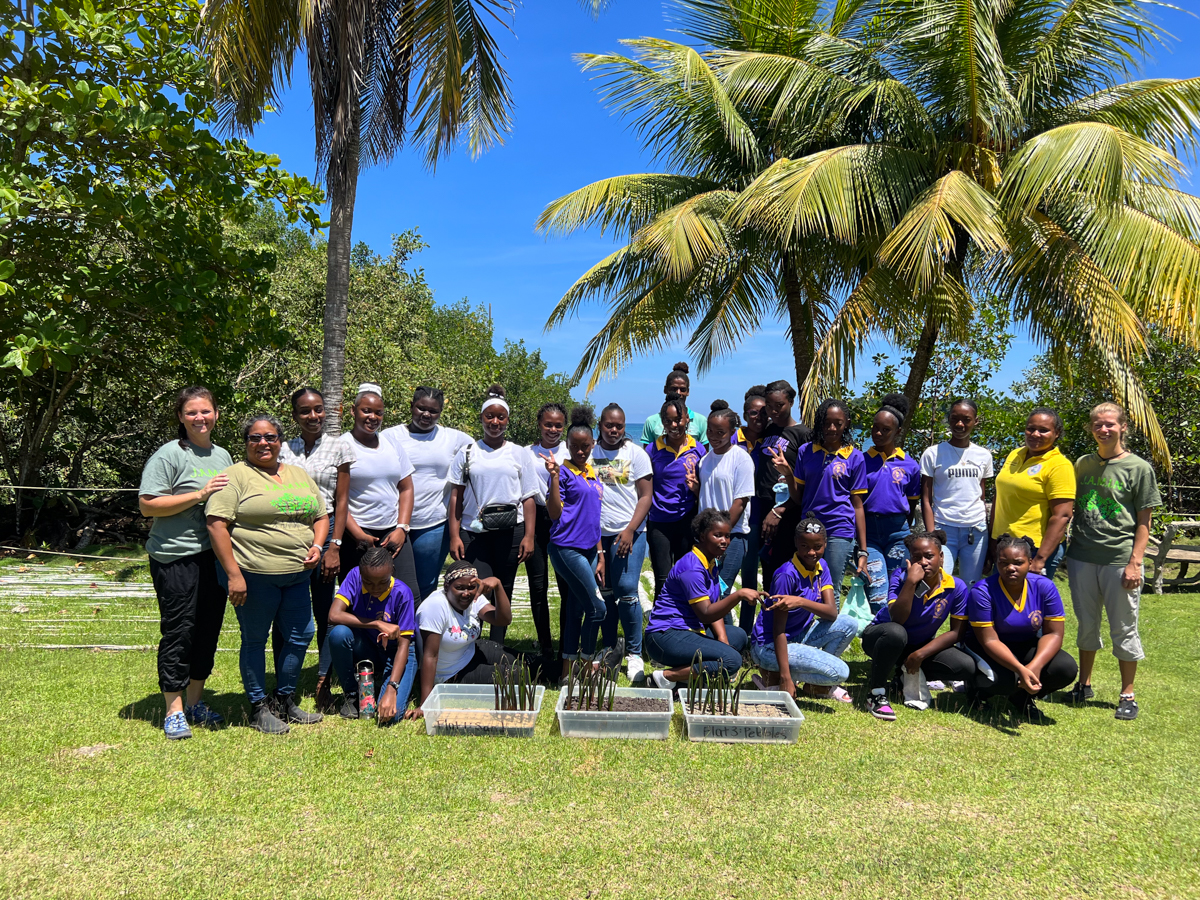
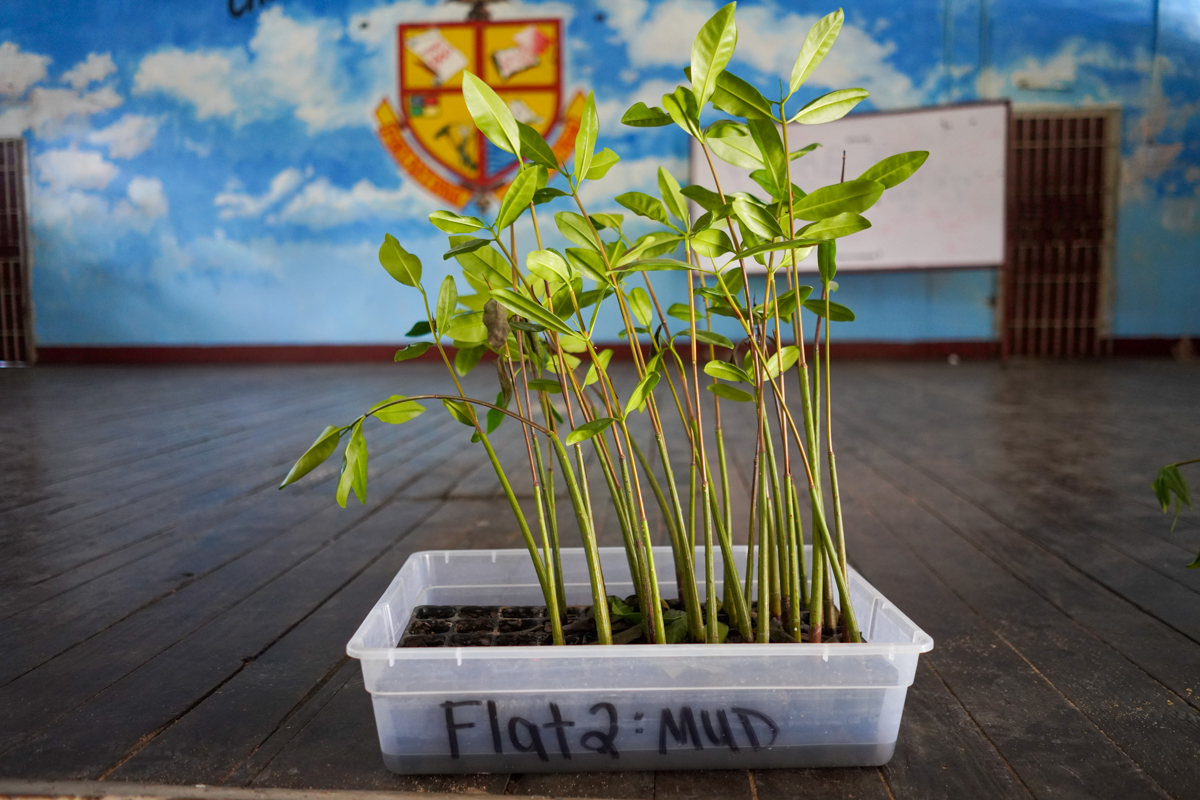
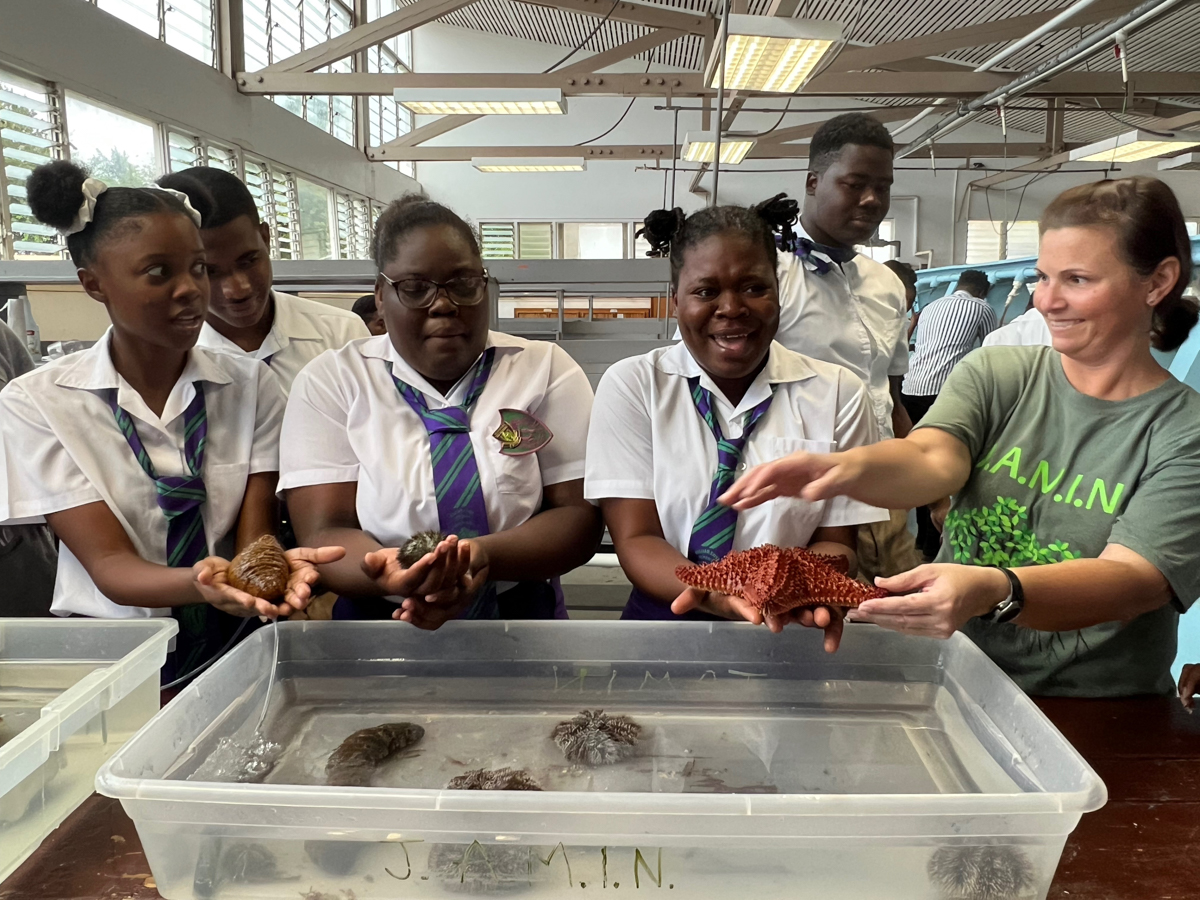
J.A.M.I.N. is a two-year program that uses project- and place-based learning to engage high school students to become stewards of their mangrove ecosystem and impart a conservation ethic. The program occurs in three different phases throughout the school year when students not only attend lectures about the mangrove ecosystem but also actively participate in field trips and interactive activities. In addition, for approximately eight months, students participate in a long-term experiment, growing and caring for mangrove seedlings. At the end of the project, students plant their seedlings in a local mangrove forest, actively participating in restoring this valuable ecosystem.


What did my findings reveal?
Over the course of one year, there was a notable rise in students’ knowledge, awareness, and attitudes toward the mangrove ecosystem. To gather this information, I analyzed surveys administered before (pre-survey) and after (post-survey) each of the three phases of the J.A.M.I.N. program, categorizing questions into knowledge, awareness, and attitude. Further statistical analyses were conducted, but they will not be detailed here.
The graph below shows how students’ knowledge changed over a year during various J.A.M.I.N. phases (labeled “P”). The horizontal x-axis indicates different phases, while the vertical y-axis represents the highest points students could earn in the knowledge part of the surveys. Each bar corresponds to a phase, demonstrating a clear increase from the first phase (P1) to the last phase (P3). Notably, students in J.A.M.I.N. did not learn about mangroves in their regular coursework, which explains their lower performance on pre-survey questions related to mangroves.

Additional graphs highlight shifts in awareness of the benefits that mangroves provide from the start of the program (P1) to the end of the program (P3). Likert scale statements, like “mangroves provide food” and “mangroves offer coastal protection,” were employed to measure students’ awareness on a scale of 1-5, with 1 representing “not at all aware” and 5 indicating “extremely aware.” Examining the graphs, it becomes evident that students’ awareness of the advantages of mangroves increased from the program’s inception to its conclusion.


The attitude of J.A.M.I.N. students toward mangroves was also evaluated. Statements were once again asked on a Likert scale from 1-5, asking students to level agreement with statements such as “I understand how mangroves relate to my everyday life” and “I have a responsibility to protect mangroves.” Examining the graphs, it is apparent that before the initiation of J.A.M.I.N., students were less inclined to agree with the survey statements. However, as the program concluded, a noticeable shift occurred, with most students either agreeing or strongly agreeing with the statements. This indicates an overall improvement in their attitudes toward mangroves.


Recognizing the potential impact of my work, I aim to contribute to the expansion and justification of environmental education programs like J.A.M.I.N. The next crucial step is the publication of my master’s thesis in a scientific journal—an effort to share my research with fellow scientists and educators in the field. Through this thesis, I have gained valuable insights into environmental education, coupled with an enhanced understanding of statistical analysis. This newfound knowledge will undoubtedly shape my future career, solidifying my commitment to education. Now that I have graduated with my master’s in marine biology, focusing on tropical ecology, I look forward to exploring the field and engaging in exciting projects and opportunities like J.A.M.I.N.