Winners of the 2019 Science Without Borders® Challenge
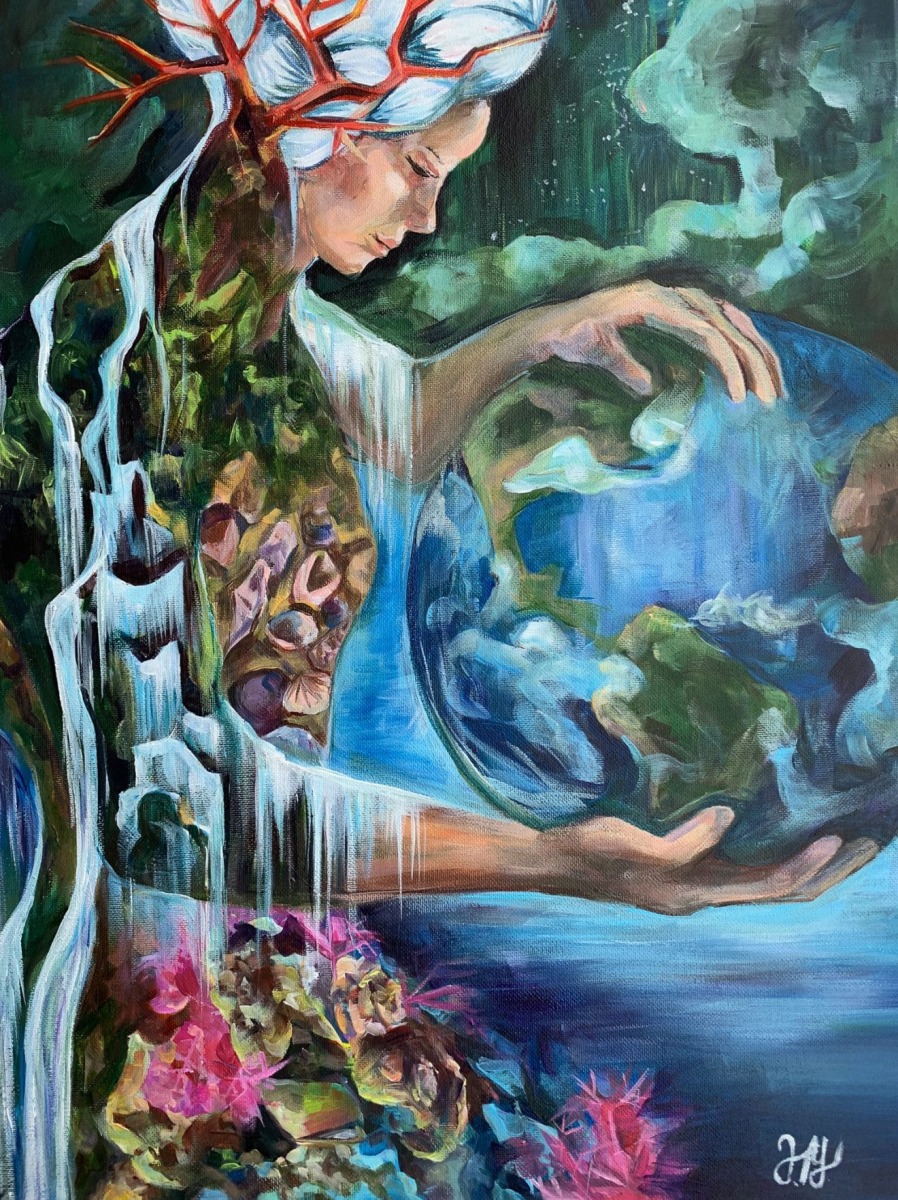
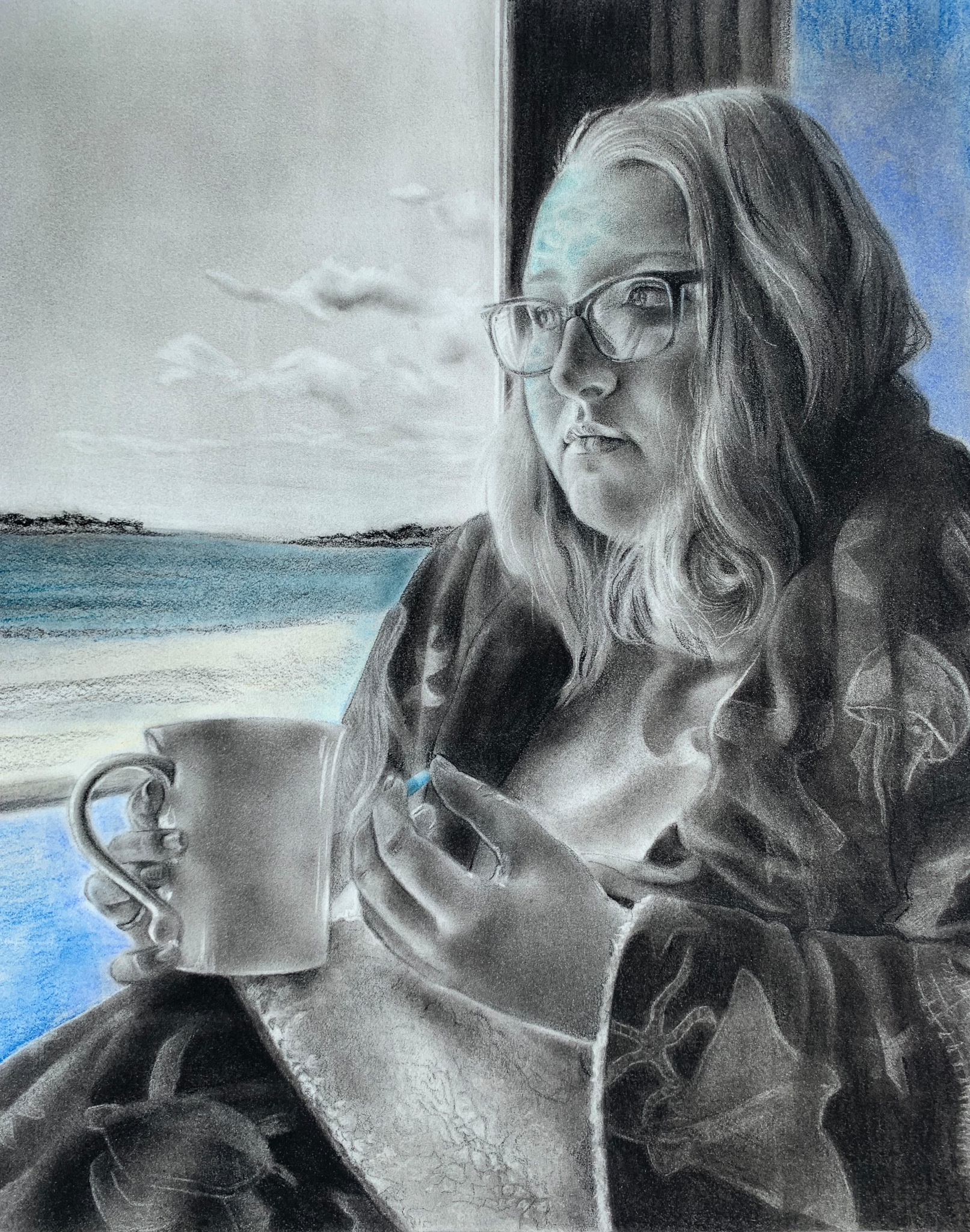
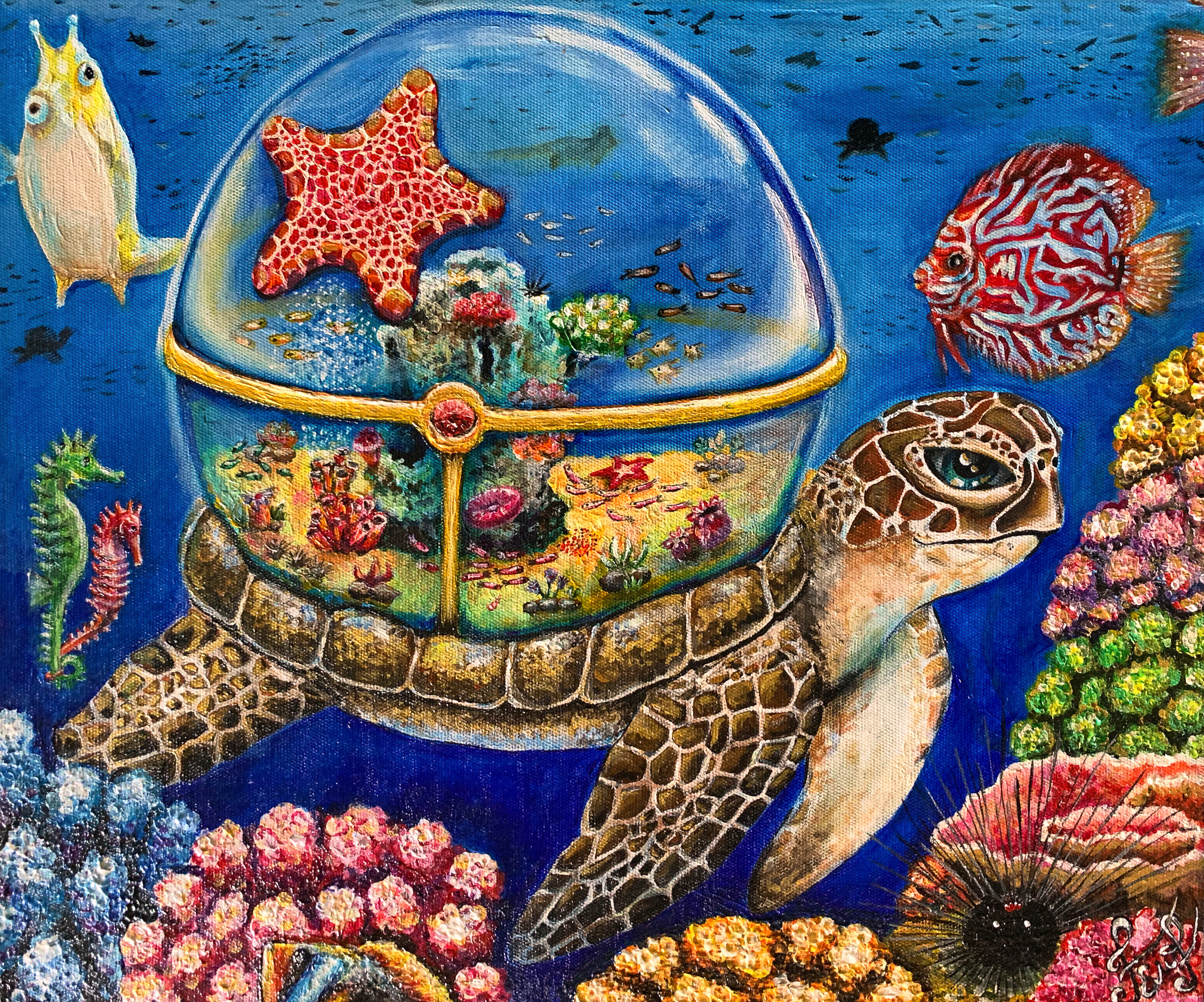
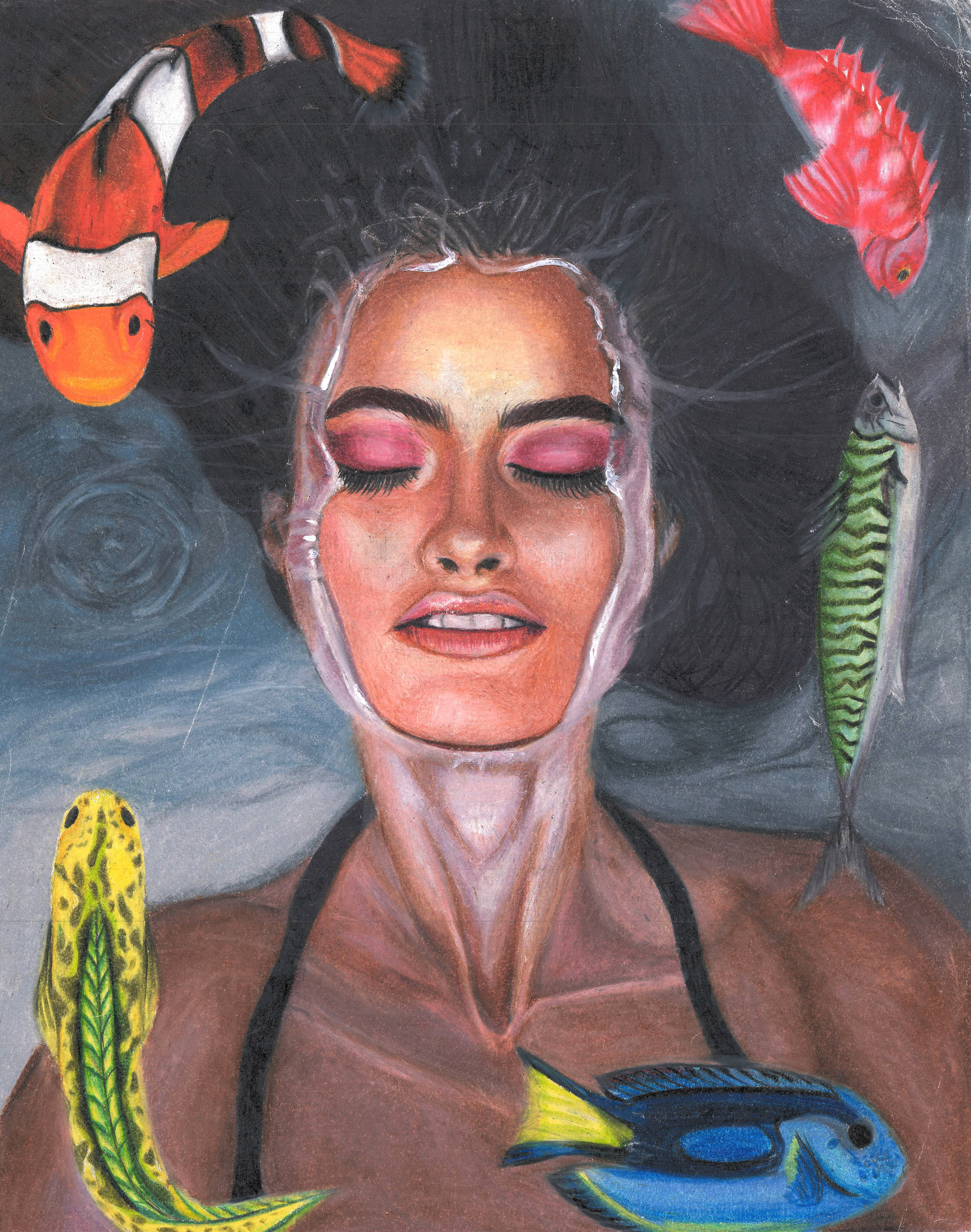
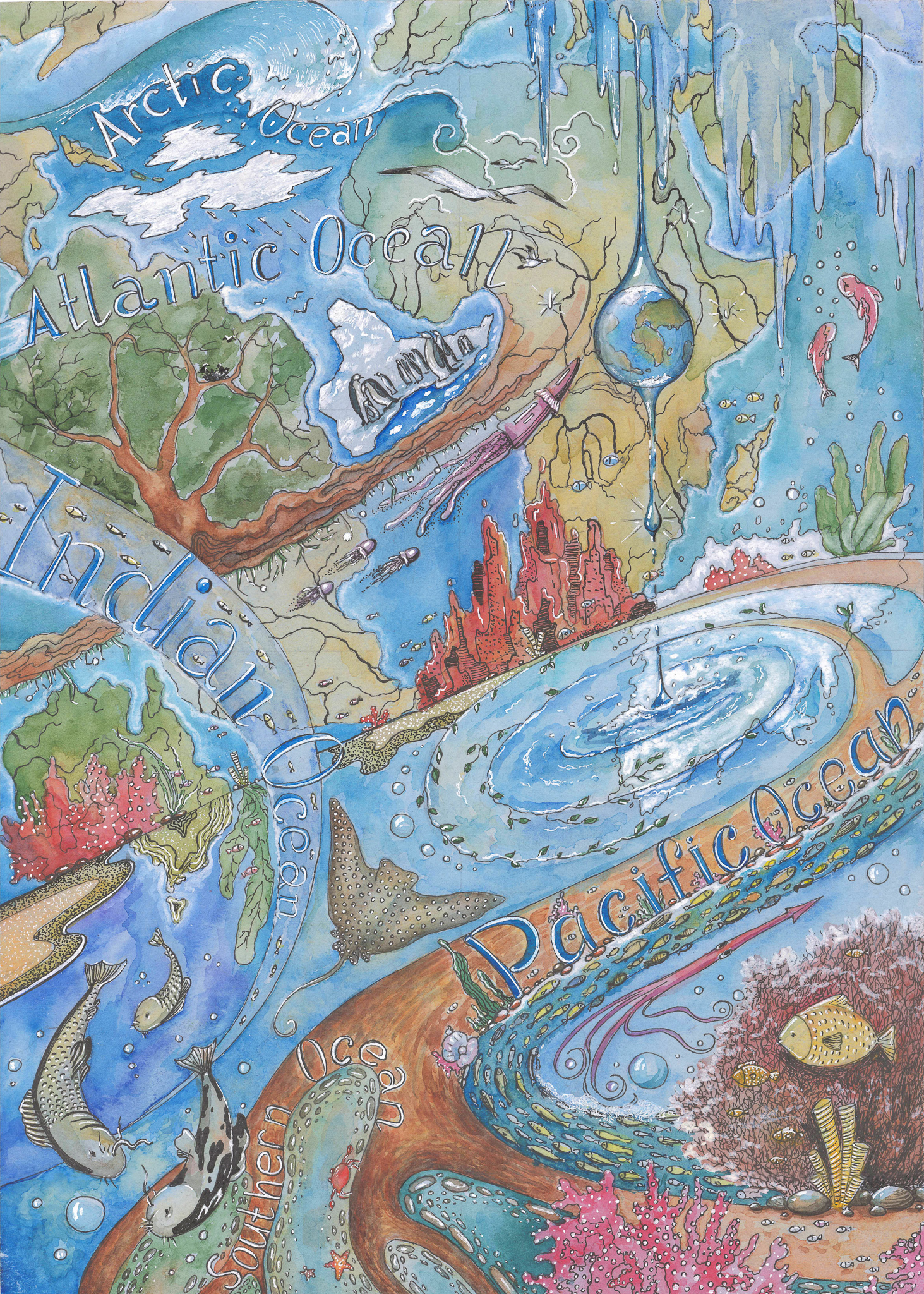
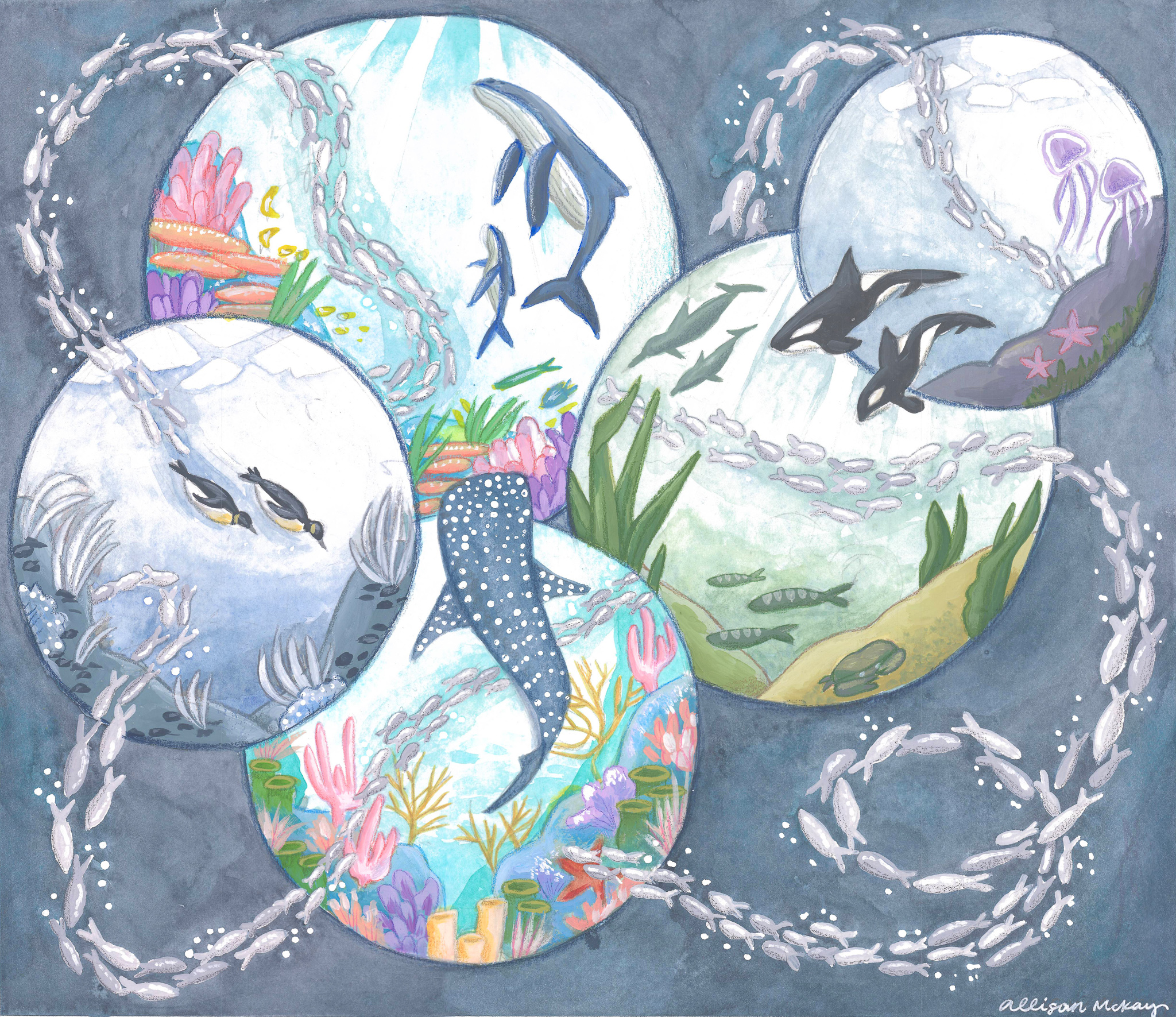
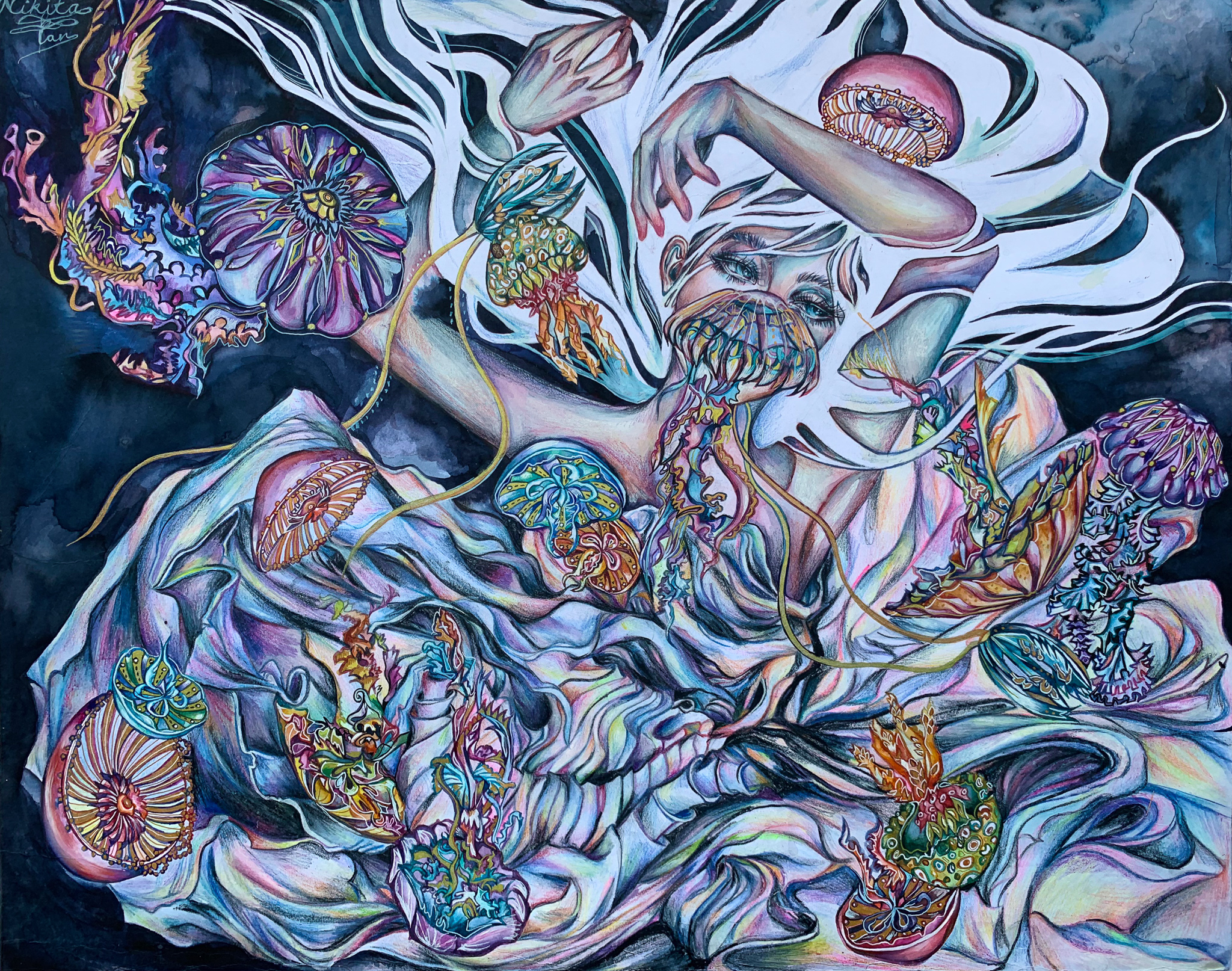
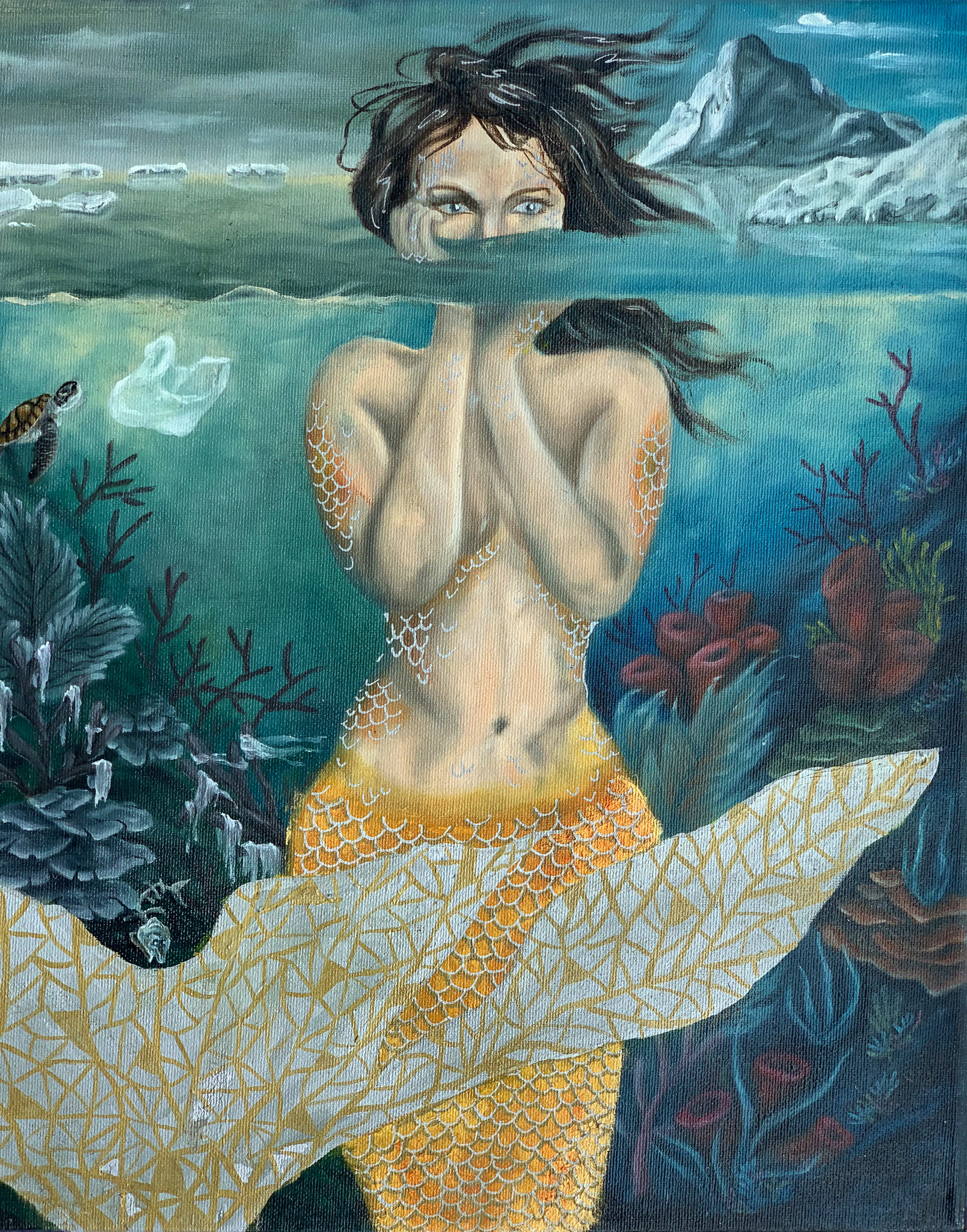
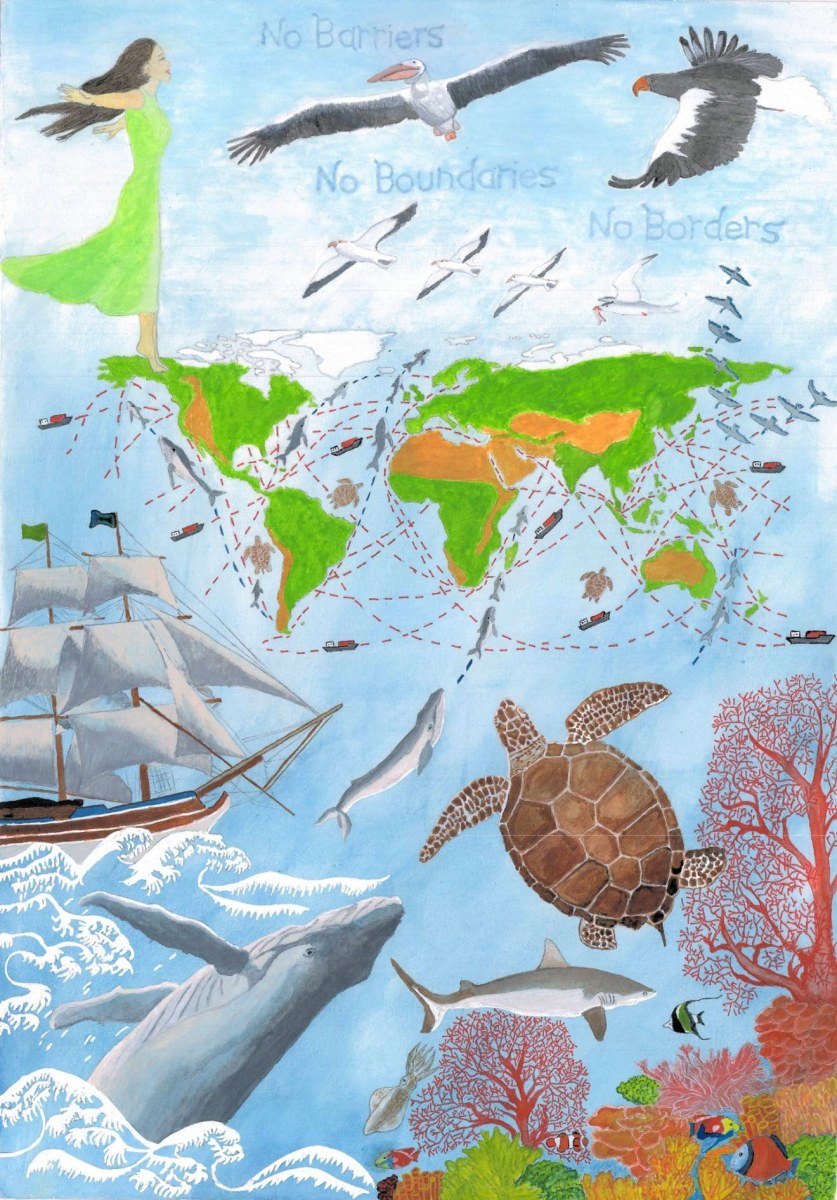
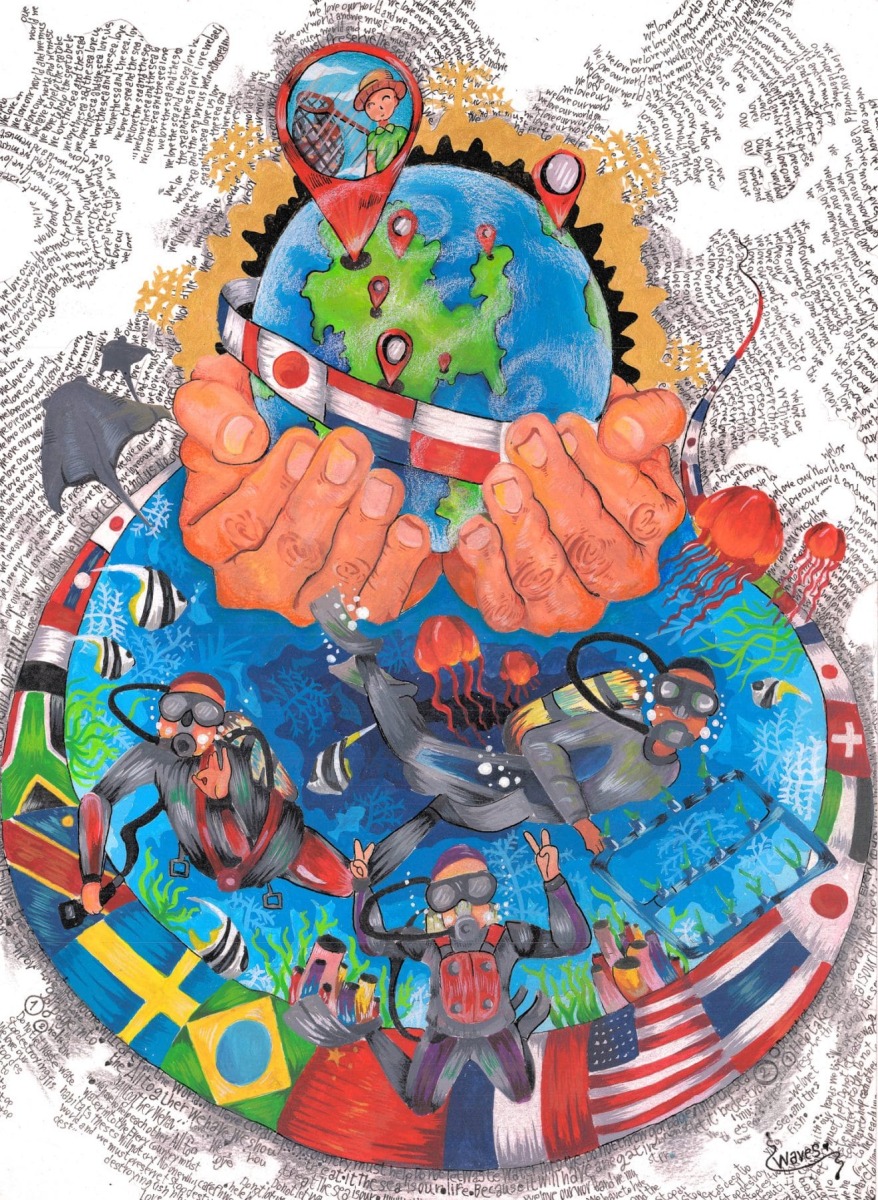
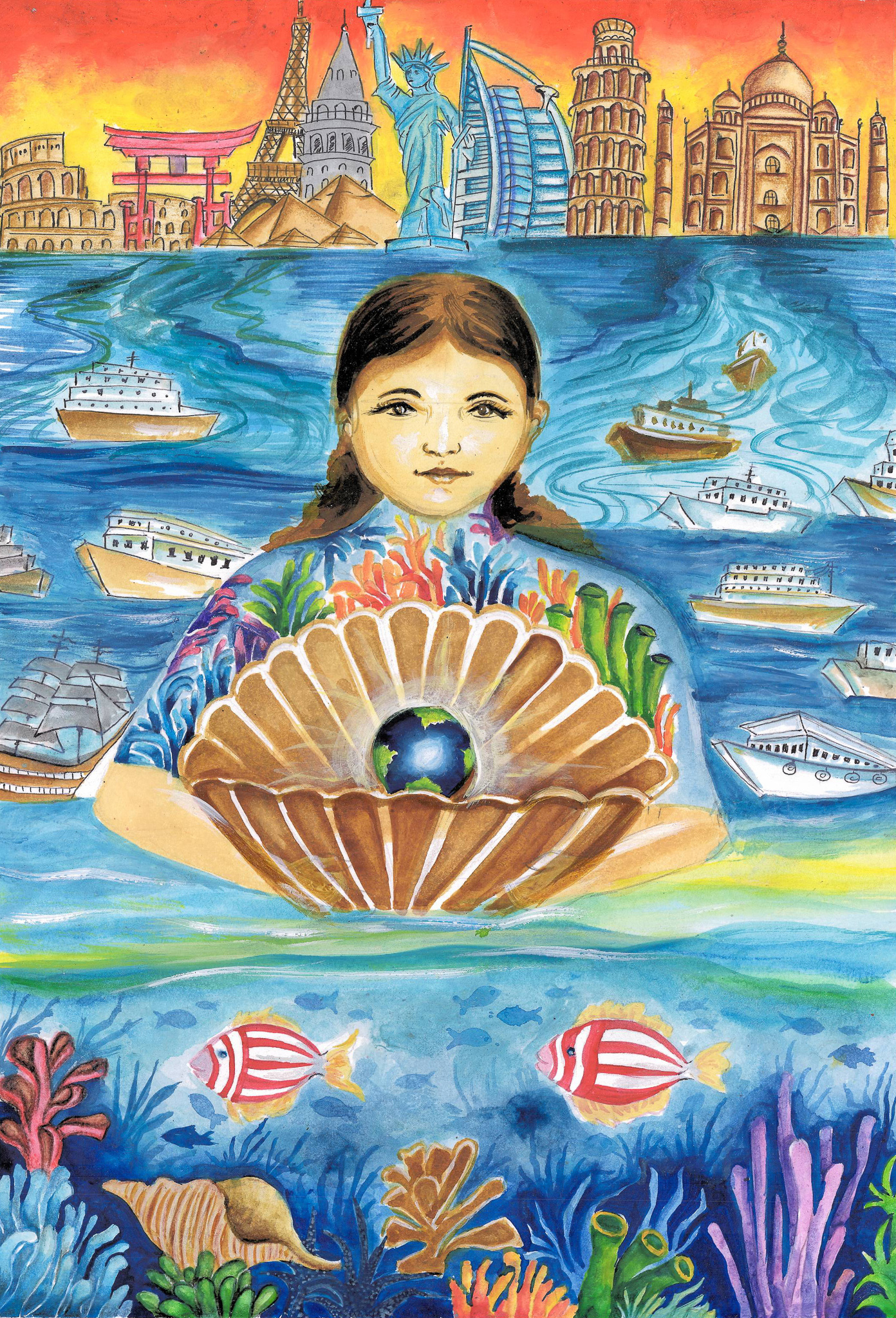
The 2019 Science Without Borders® Challenge invited students from around the world to explore the theme, “Connected Ocean: No Barriers, No Boundaries, and No Borders.” This international student art contest, organized by the Khaled bin Sultan Living Oceans Foundation, encouraged young artists to create artwork that highlights the interconnectedness of the world’s oceans. Students responded with incredible creativity, illustrating how ocean ecosystems are intricately linked and how human actions can ripple across the globe.
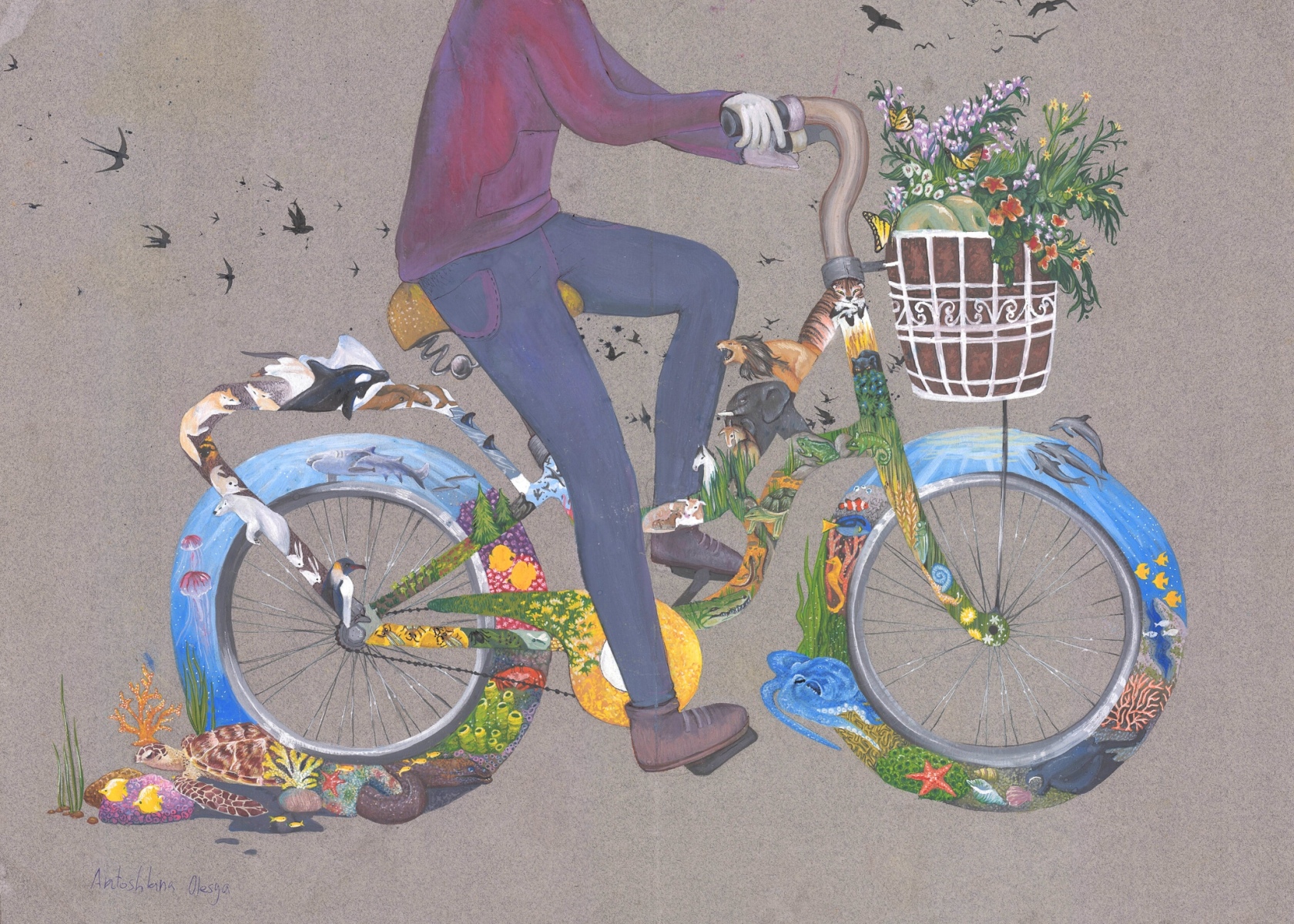
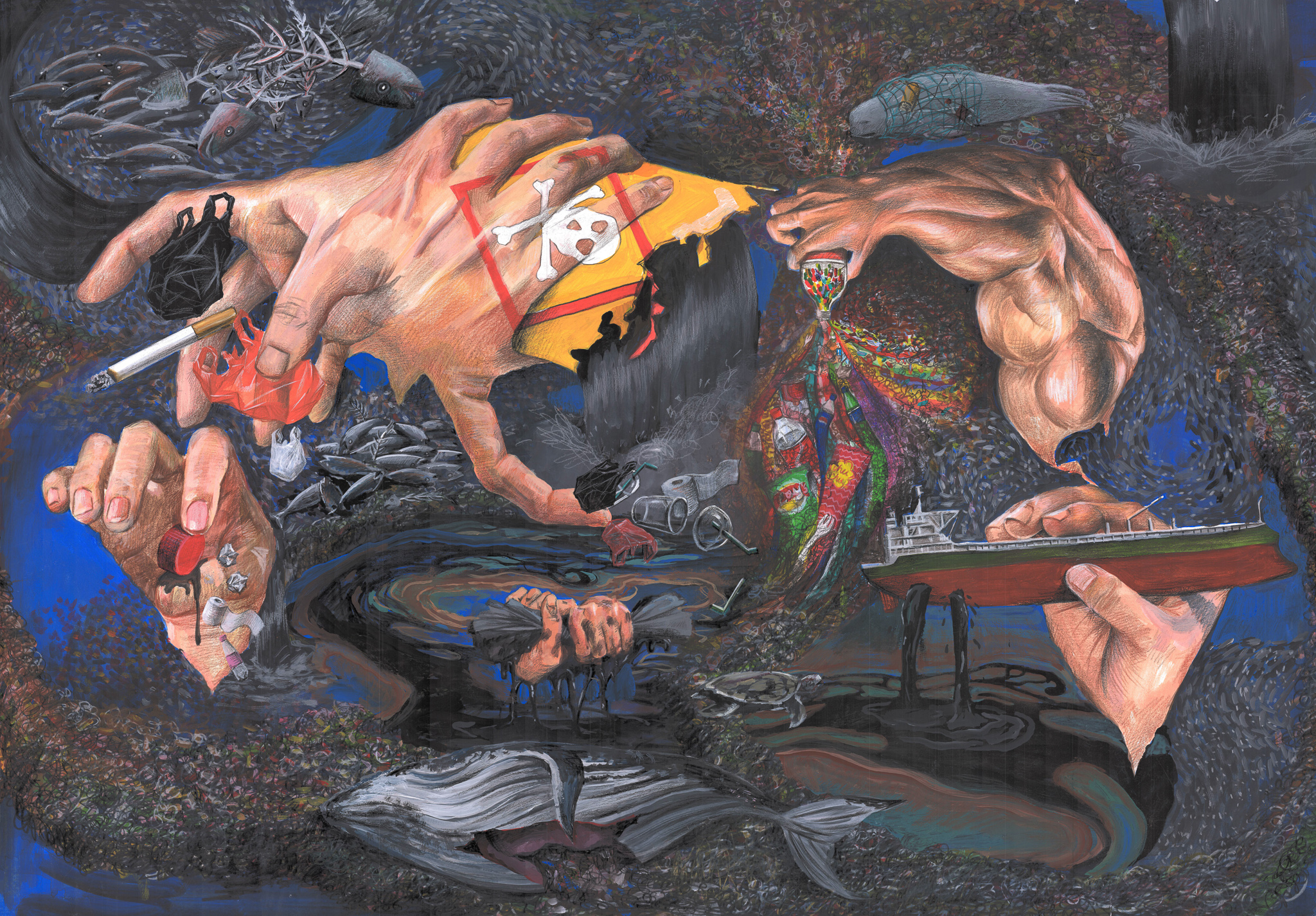
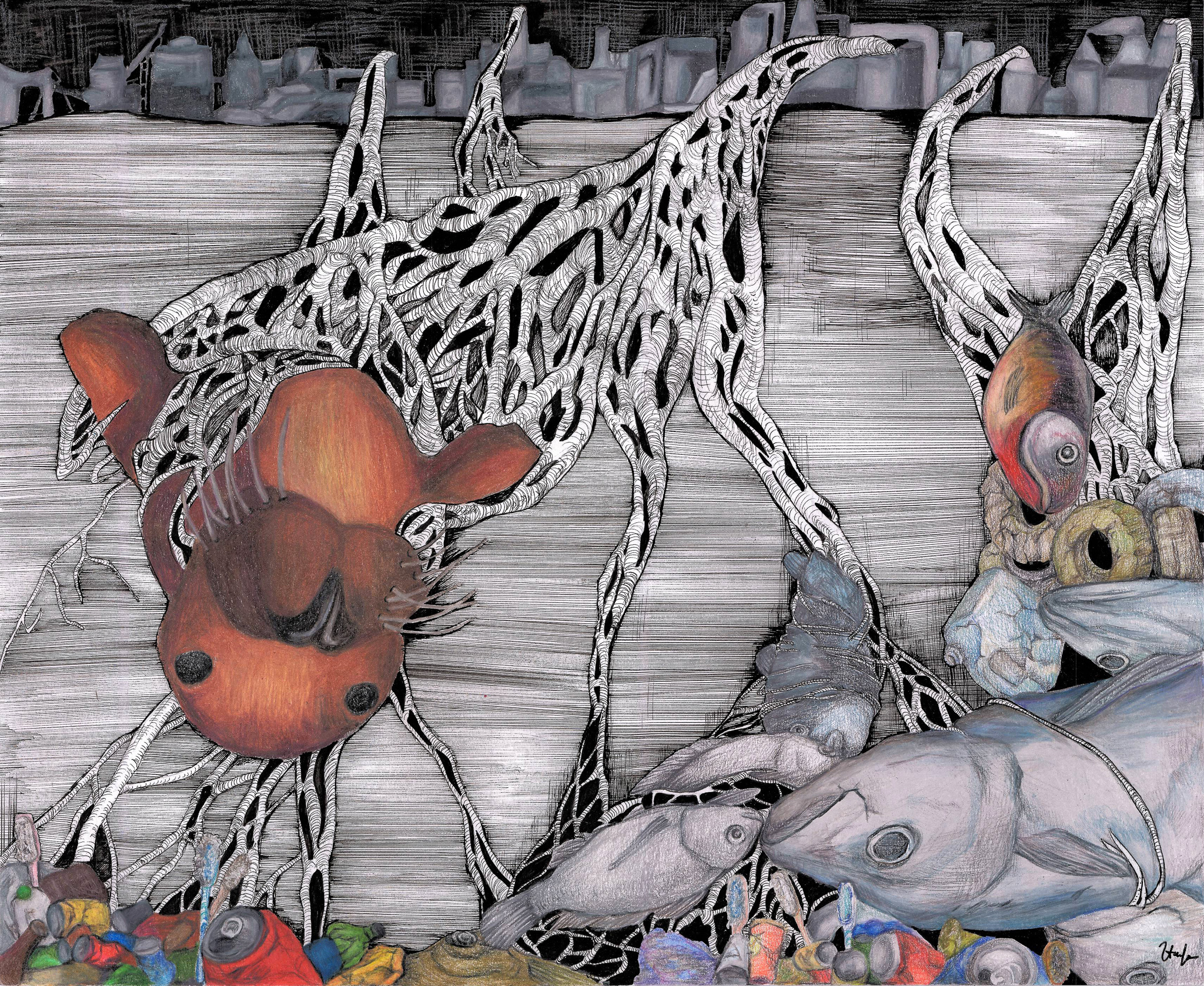
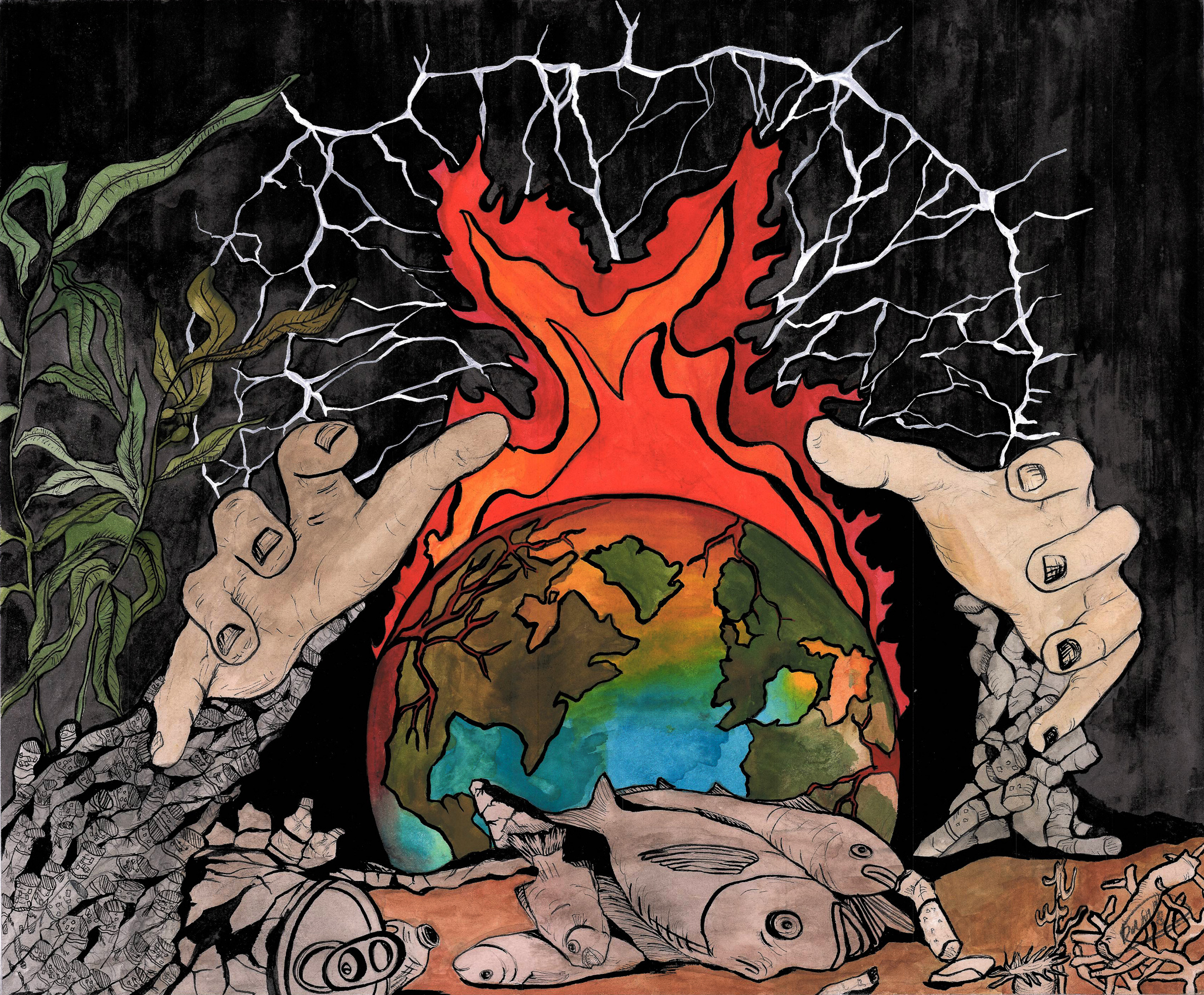
In the high school category, Lesya Antoshkina from Ukraine claimed first place with her stunning piece, “The Bike We Ride.” Lesya’s artwork symbolizes the Earth as a complex mechanism, with humanity steering its direction and bearing the responsibility to care for it. Living near the Sea of Azov, she draws inspiration from her love of the sea and strives to showcase nature’s challenges through art. Her piece conveys a powerful message: while the Earth functions as one unified system, it is up to us to ensure its well-being.
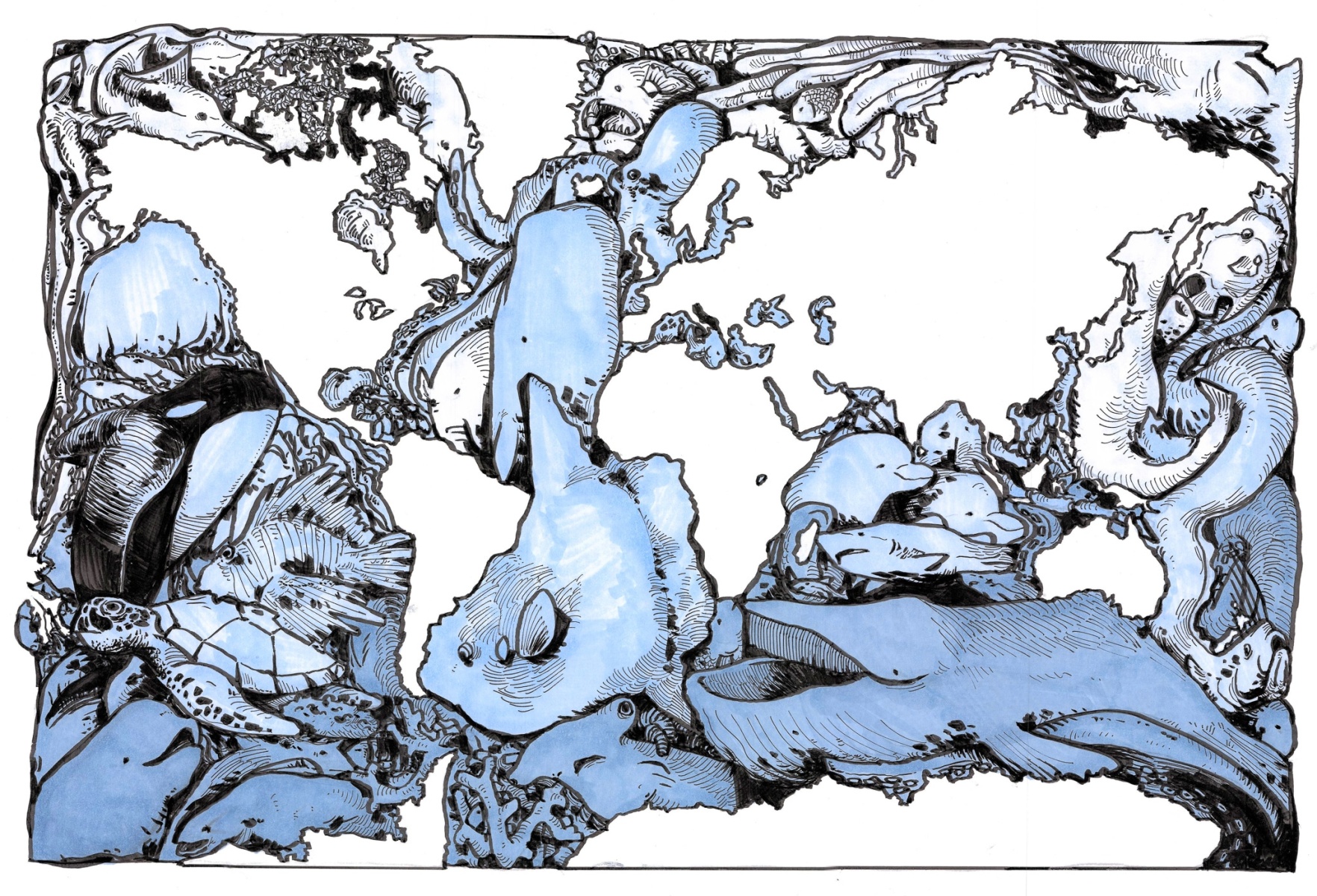
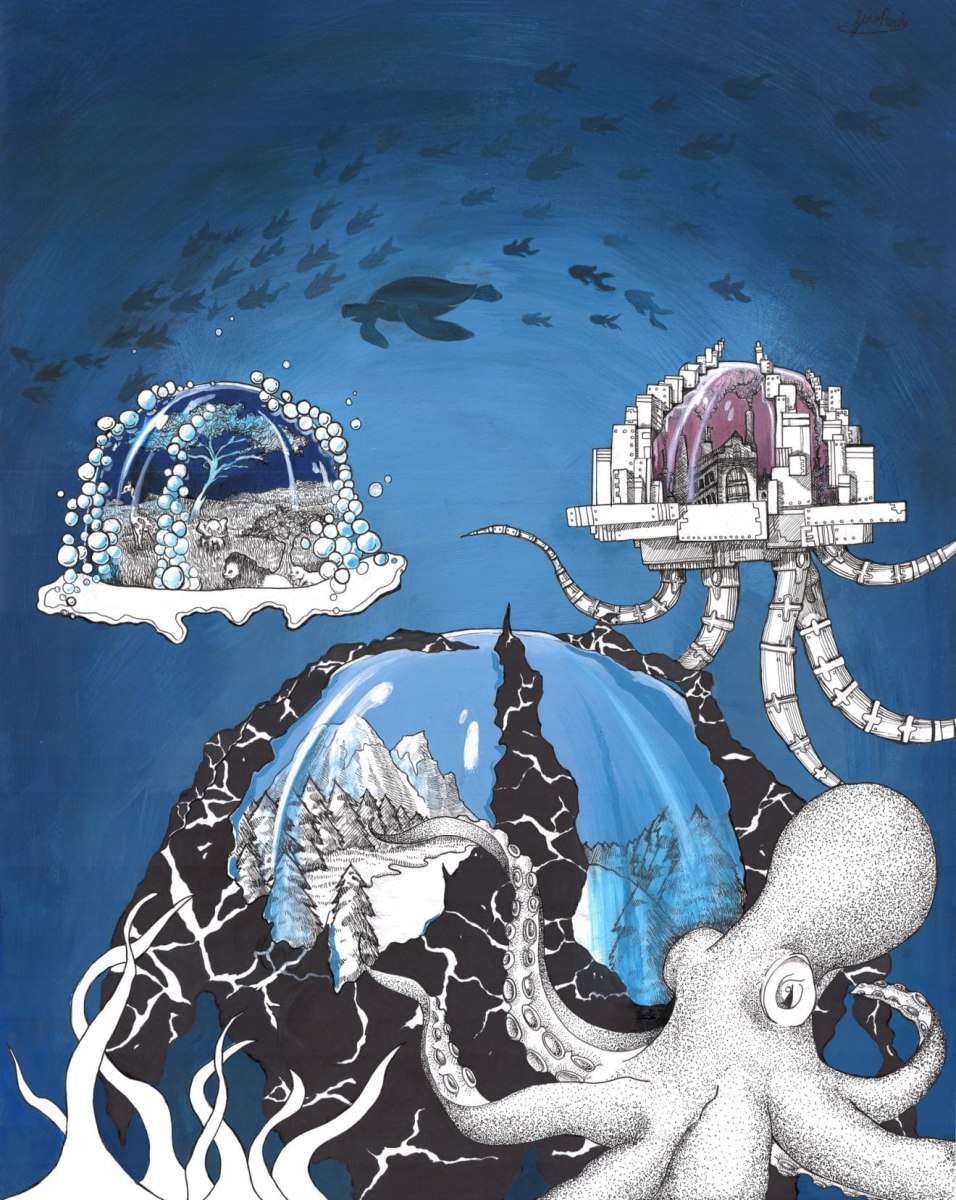
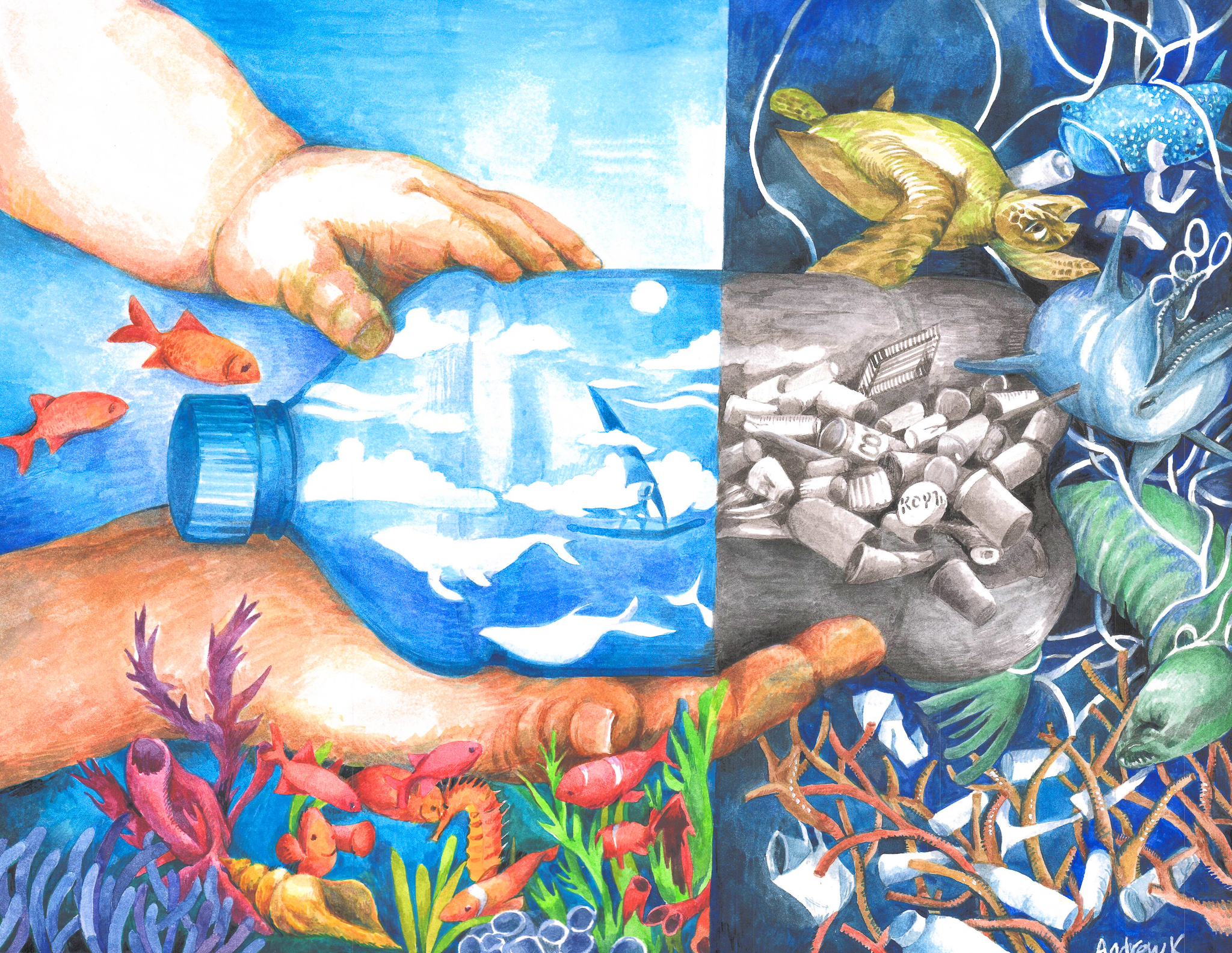
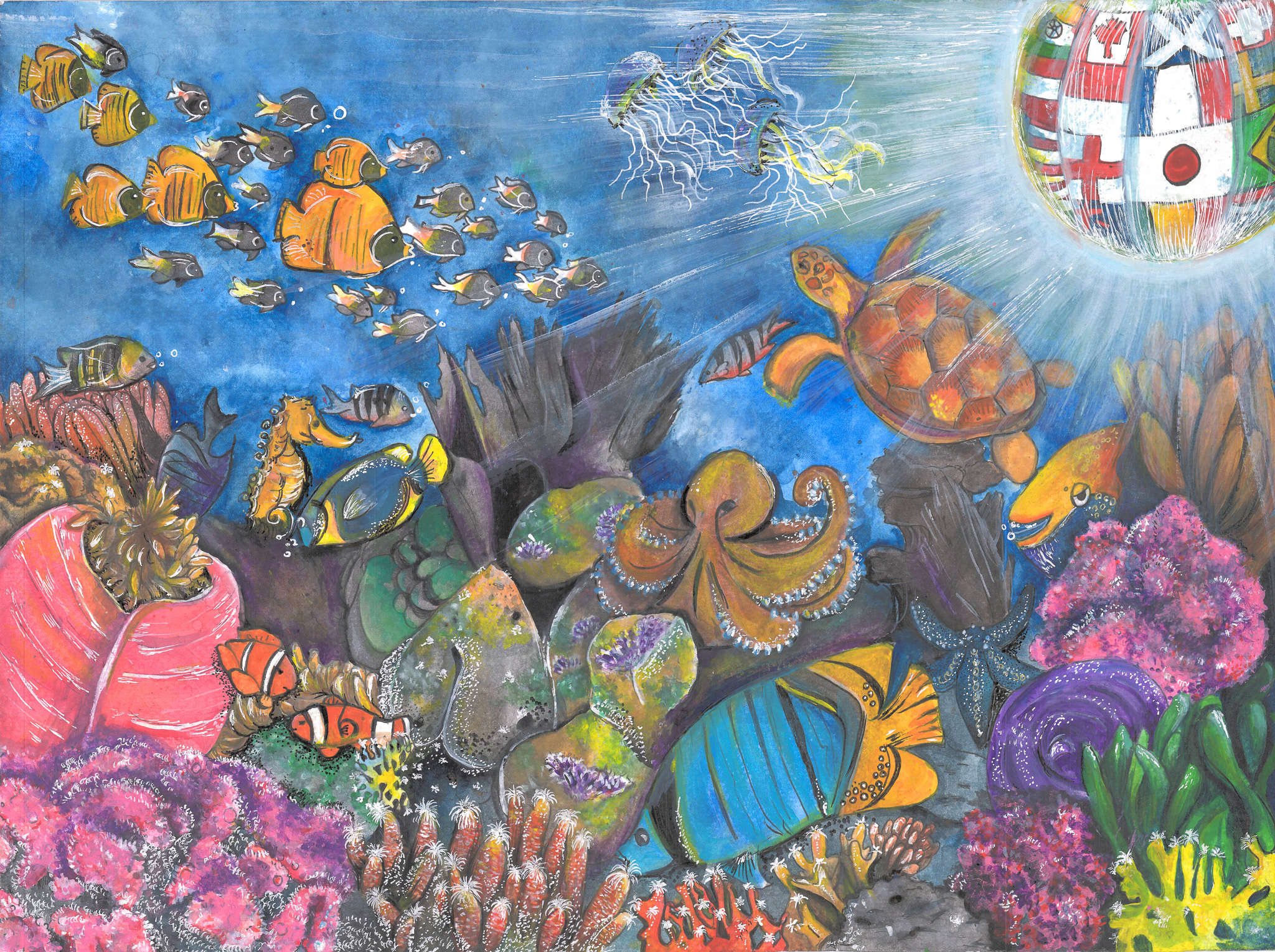
For the middle school category, 12-year-old Zeno Park from New Jersey, USA, won first place with “The Place Where Fish are Free to Roam.” His imaginative artwork reflects the freedom of marine life and the dependence of these organisms on healthy habitats. Zeno was inspired by concerns about pollution and environmental degradation, emphasizing that if we do not change our actions, we might face difficult circumstances in the future.
Through this competition, the Living Oceans Foundation hopes to promote public awareness of the need to preserve, protect, and restore the world’s oceans and to inspire many students to conserve and protect coral reefs around the world. Each year, students send in artwork that reflects the issues they are most interested and passionate about. Amy Heemsoth, Director of Education at the Living Oceans Foundation, said, “This year, more than any other, students seemed to express through their art and written descriptions that they are concerned about the health of our planet. It gives me hope that youth from all over the world are aware of issues that negatively impact our planet and that they want to preserve it for generations to come.”
The theme of a connected ocean resonated deeply with students, inspiring them to think critically about the global nature of ocean conservation. They learned that the health of one part of the ocean can affect ecosystems thousands of miles away, emphasizing the importance of collective efforts to protect our blue planet. Their artwork serves as a reminder that despite geographical distances, the ocean binds us all together, without barriers, boundaries, or borders.
Middle School Winners & Finalists :
High School Winners & Finalists: