
search-icon
Coral Bleaching and Mortality in the Chagos Archipelago

Coral Bleaching and Mortality in the Chagos Archipelago

Atoll Research Bulletin, November 2, 2017

By Charles Sheppard, Anne Sheppard, Andrew Mogg, Dan Bayley, Alexandra C. Dempsey, Ronan Roche, John Turner, Sam Purkis 

Abstract

The atolls and coral banks of the Chagos Archipelago (British Indian Ocean Territory) in the central Indian Ocean were badly affected by the warm water event that started in 2015 and lasted for nearly two years.  On these reefs, coral mortality was very severe, reducing coral cover to <10% cover and usually about 5%, almost eliminating soft corals and reducing the 3-Dimensional structure of the reefs.  Most atolls are not inhabited, so any changes are driven by climate changes rather than by any direct, local anthropogenic effect.  Coral cover has been measured for 20 years using the same methods, while temperature loggers have recorded water temperature at various depths for over 10 years.  Water temperatures have risen by one third of a degree on ocean reefs and over one half of a degree in lagoons over this period, causing the recent severe mortality.  Juvenile corals have also been recorded at intervals during the last few years, and numbers severely declined following the mortality of the adults.  Estimates of calcification suggest a marked reduction, from a state of vigorous reef growth that had not long recovered from the previous severe warming event of 1998, to one of net erosion.  Predictions suggest that recurrences of mass mortalities will take place too frequently for any significant recovery of reef health in these atolls by the late 2020s.

Related Posts

Introducing Our New Website: A Fresh Look for the Foundation’s Future

As we celebrate the Khaled bin Sultan Living Oceans Foundation’s 25th anniversary, we are proud to unveil our newly redesigned website—a modern home for our science, conservation work, and educational programs. This launch marks an important moment for the Foundation as we honor our long history and look toward the future of ocean conservation.

For more than two decades, the Foundation has worked tirelessly to improve the health of our living oceans. We have advanced ocean science, led one of the largest coral reef research missions in history, restored mangrove forests with local communities, created award-winning education programs, and shared the wonders of the ocean with people around the world. Our new website reflects the organization we are today—focused on conserving coral reefs, restoring mangrove forests, and improving ocean literacy—while still highlighting the legacy of work that brought us here.

The redesigned site…

Read More

Connecting People, Art, and Oceans: Championing Conservation at the 2025 IUCN Congress

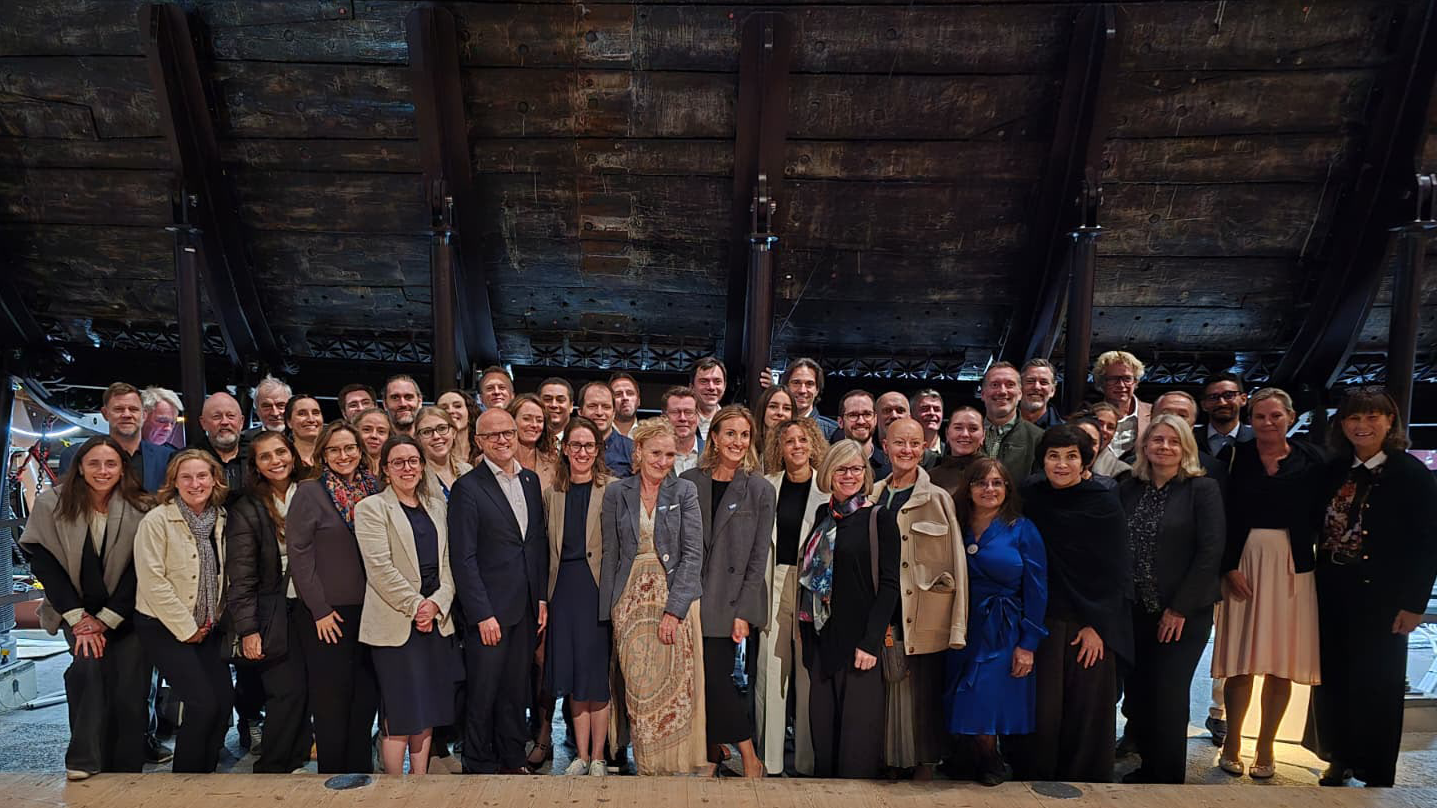
The IUCN World Conservation Congress brings together thousands of leaders and decision-makers from governments, non-profit organizations, civil society, Indigenous groups, and the private sector to shape global conservation policy and action. This influential gathering serves as a platform to share knowledge, build partnerships, and advance initiatives that protect our planet’s biodiversity.

As a member of the International Union for Conservation of Nature (IUCN), the Khaled bin Sultan Living Oceans Foundation was honored to take part in the Congress, joining a global community of leaders, organizations, and changemakers committed to protecting nature and advancing sustainable futures.

Read More
Privacy Overview

This website uses cookies so that we can provide you with the best user experience possible. Cookie information is stored in your browser and performs functions such as recognising you when you return to our website and helping our team to understand which sections of the website you find most interesting and useful.  You can view our complete Privacy Policy here.

Strictly Necessary Cookies

Most of our cookies are used to improve website security and reduce spam. These cookies should be enabled at all times. They also enable us to save your preferences for cookie settings.

3rd Party Cookies

This website uses Google Analytics to collect anonymous information such as the number of visitors to the site, and the most popular pages. Keeping this cookie enabled helps us to improve our website.