 SevenSeas Magazine
By Liz Thompson and Renée Carlton
Issue 62, July 2020
Scientists on the Global Reef Expedition explored New Caledonia’s remote coral reefs, some for the first time.
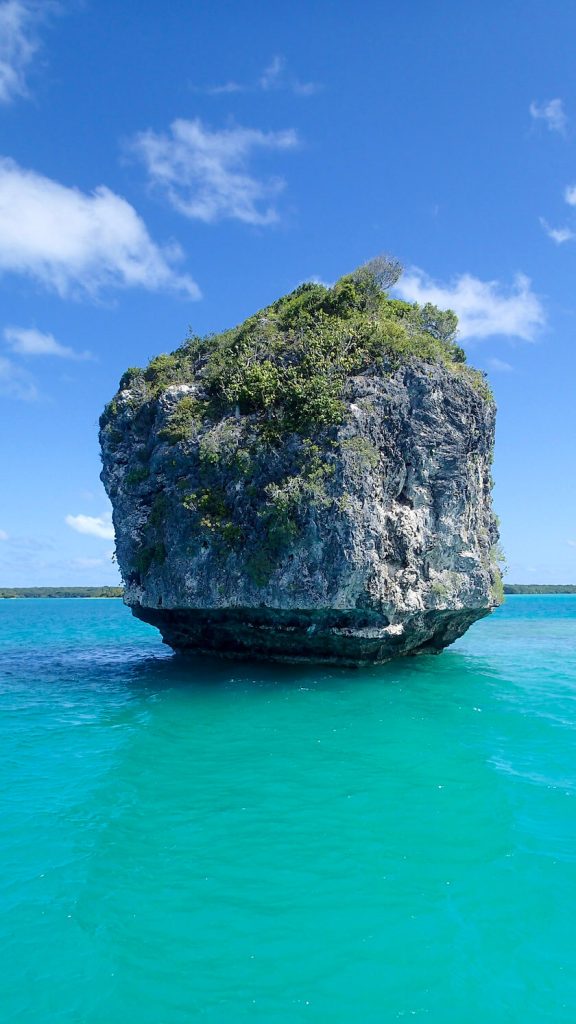
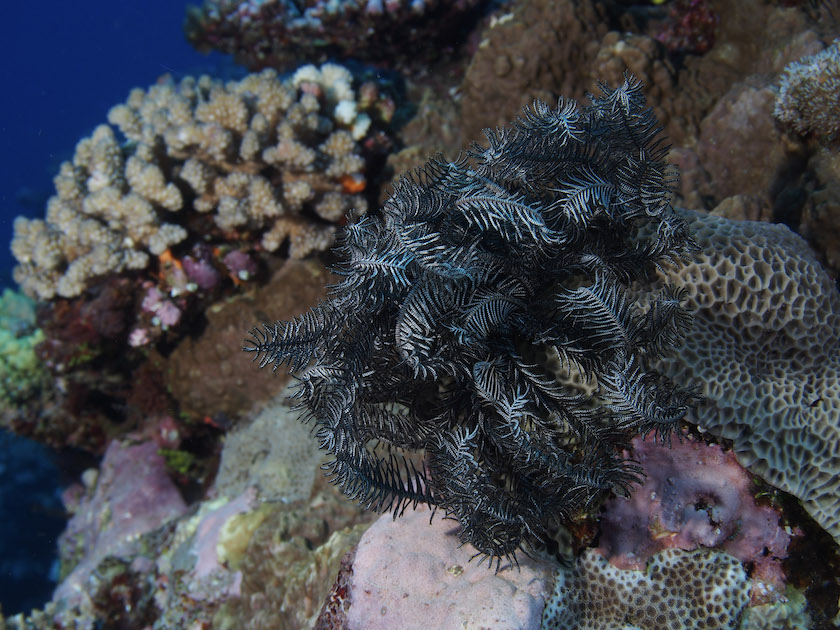
In the South Pacific Ocean, at the edge of the Coral Sea, lay some of the most remarkable and well-protected coral reefs in the world. The reefs of New Caledonia are simply stunning. With high biodiversity, relatively healthy reef fish communities and exceptional coral cover, these reefs are simply a wonder to behold.
A popular tourist destination, New Caledonia knew the importance of their coral reefs and created a giant Marine Protected Area (MPA) to conserve them. One of the largest MPAs in the world, the Natural Park of the Coral Sea (Le Parc Naturel de la Mer de Corail) protects more than a million square kilometres of marine habitats, including the Lagoons of New Caledonia Marine World Heritage site. This park was designated to protect the natural and cultural heritage of New Caledonia, enforce sustainable use of its marine resources, and develop an internationally recognized marine conservation area that will contribute to the conservation of marine habitats globally.
Scientists at the Khaled bin Sultan Living Oceans Foundation came to New Caledonia in 2013 to study these reefs on the Global Reef Expedition—the largest coral reef survey and mapping expedition in history. The Khaled bin Sultan Living Oceans Foundation set out on the Global Reef Expedition to study the health and resiliency of coral reefs around the world. The expedition circumnavigated the globe surveying and mapping coral reefs in an effort to address the coral reef crisis. On the Global Reef Expedition mission to New Caledonia, an international team of scientists spent more than a month at sea working closely with local experts to assess the reefs around Grande Terre, the Entrecasteaux Atolls, and Ile des Pins. Together, they conducted over 1,000 surveys of corals and reef fish and mapped over 2,600 km2 of shallow-water marine habitats in 10 locations throughout the country. The expedition visited some of the most remote reef systems in New Caledonia, some of which were surveyed and mapped for the first time.
Of the 22 research missions the foundation conducted in the Western Atlantic, Pacific, and Indian Oceans, the reefs of New Caledonia stood apart as some of the most beautiful and well-preserved.
Surviving, despite the odds
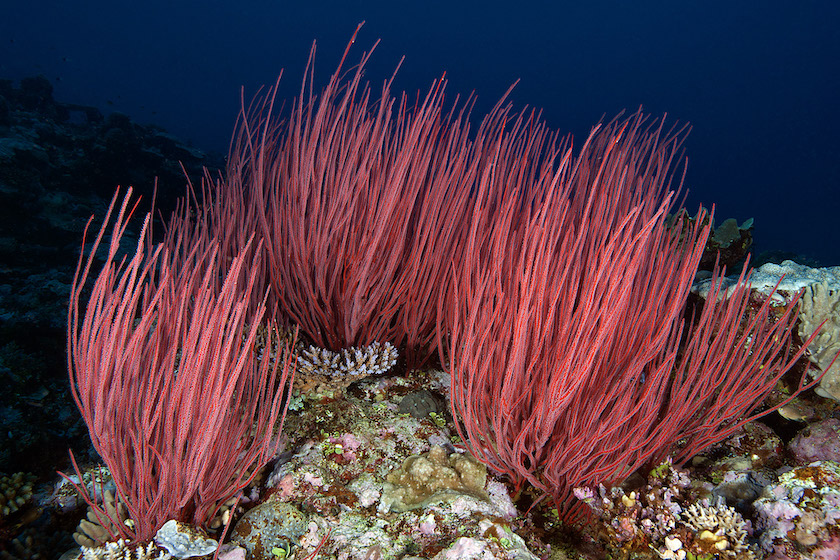
Scientists on the Global Reef Expedition found the reefs to be surprisingly healthy, even in a few unexpected locations, according to a report released last month summarizing the foundation’s findings from the research mission. New Caledonia’s reefs were covered in abundant and diverse coral and fish communities. Offshore reefs were in especially good shape and still had healthy populations of large and commercially important fish at the time the surveys were conducted.
However, many nearshore reefs showed signs of fishing pressure. Few large fish remained on nearshore reefs, particularly those close to coastal communities, which were dominated by small and medium-sized fish that were lower on the food chain. One notable exception was Prony Bay, which had the highest live coral cover observed in New Caledonia, and some of the most diverse coral communities observed anywhere on the Global Reef Expedition.
A truly remarkable place
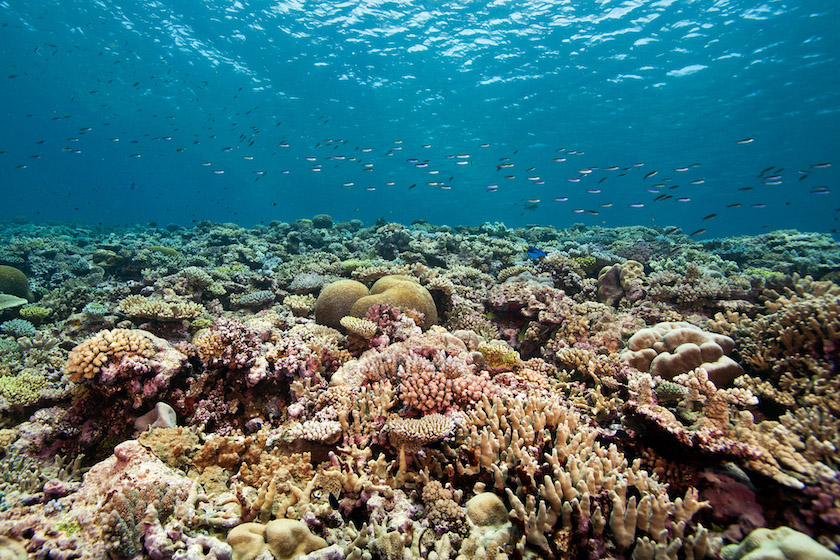
Prony Bay was an unlikely place to find stunningly diverse and think coral reefs. Downstream of a nickel mine, from which a fine red silt flows into the bay, Prony Bay had incredible coral communities that were well adapted to the harsh environment. No one was expecting to find flourishing coral communities in these turbid waters, but a robust and diverse coral community is exactly what was found. Although a thin layer of silt covered the seafloor, it seemed to have little negative impact on coral cover and diversity. Large plating corals, vast expanses of branching corals, and many uncommon species such as the trumpet coral and endemic mushroom coral covered the reefs. This location was one of the hidden gems found on the Global Reef Expedition and gave the scientists hope that coral could thrive even in unexpected places.
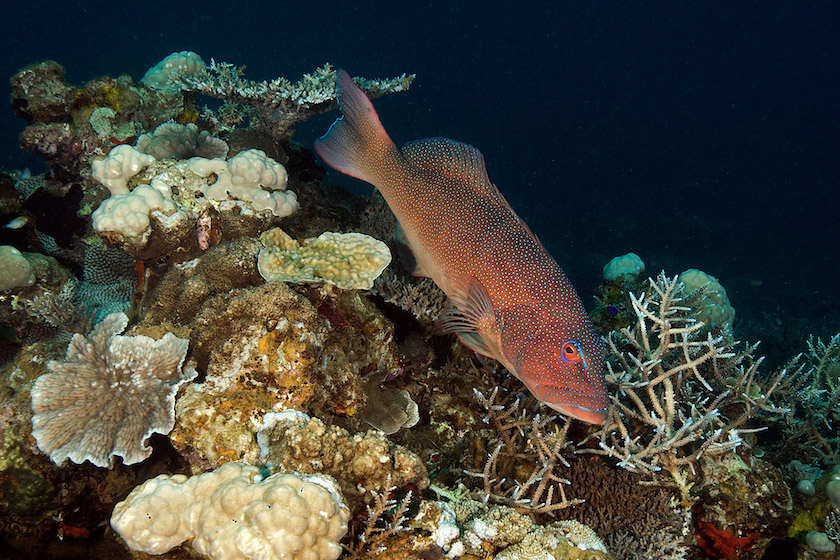
The reefs of New Caledonia are home to 1,700 species of fish and over 450 species of coral, making the diving and research here some of the most interesting undertaken on the Global Reef Expedition. New Caledonia is an important sanctuary for many marine animals. Numerous species of fish, whales, sharks, sea turtles and marine birds come to New Caledonia to reproduce and raise their young. The biodiversity of the reefs of New Caledonia foster a safe and healthy environment for these animals, and the conservation efforts undertaken by the country, particularly in the northern region and Entrecasteaux Atolls, have helped preserve these important nursery and rookery sites.

A global leader in marine conservation
Coral reefs are an essential ecosystem that provides food, protection from storms, and income generation and are also culturally important in many parts of the world. In New Caledonia, as elsewhere, coral reefs are gravely threatened by a variety of factors, both natural and man-made, including overfishing, hurricanes, pollution, disease, outbreaks of crown-of-thorns starfish, and climate change. Some stressors are caused by direct impacts from coastal communities, such as overfishing of nearshore fisheries and pollution, and some are larger, more global stressors such as coral bleaching and ocean acidification. These threats to coral reefs are not going to go away, but there are still things people can do at a local level to minimize their impact to the reefs. By reducing the local stressors through robust management efforts, this will alleviate pressures on reefs from the global stressors that are harder to control. Focusing local management on things like fishing, marine resource extractions, pollution, and localized runoff are all ways countries like New Caledonia are helping to reduce these stressors on coral reefs and enhance their ability to survive—and recover from—major disturbance events.
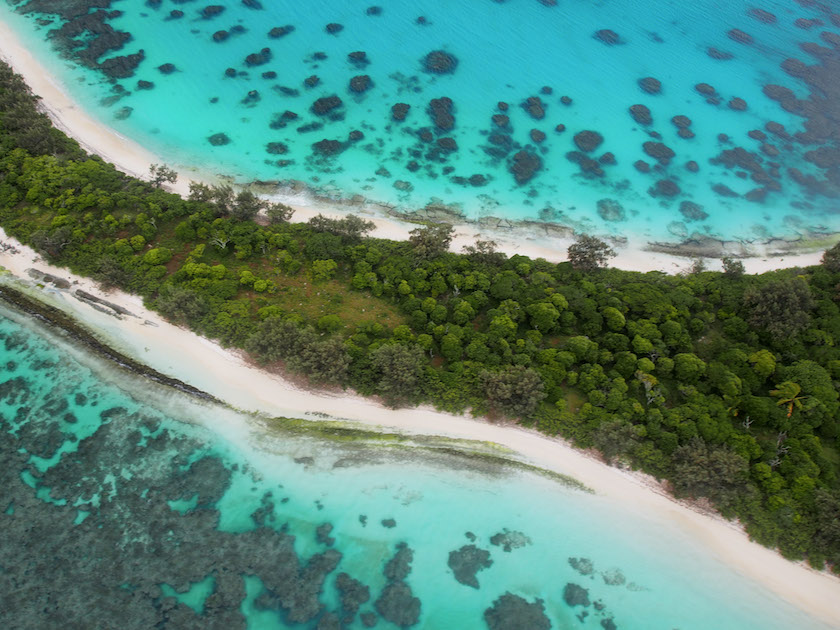
With one of the largest MPAs in the world, New Caledonia is already considered a global leader in marine conservation. Their efforts to protect coral reefs are some of the most progressive in the South Pacific, but there is still work to be done.
A common problem with many of the marine parks surveyed on the Global Reef Expedition is the lack of nearshore regulations to protect the valuable nearshore reef habitats and fish populations. In many areas, fishing pressures from local communities are either unchecked or minimally checked, leaving the fish communities at risk of collapse. New Caledonia has tried to address this by creating strict fishing regulations in the northern Entrecasteaux Atolls and Cook Reef. However, around Ile des Pins and Grande Terre where most of the population lives, regulations are lacking. These areas, particularly around Ile des Pins, had few large fish and could benefit from stronger fishing regulations.
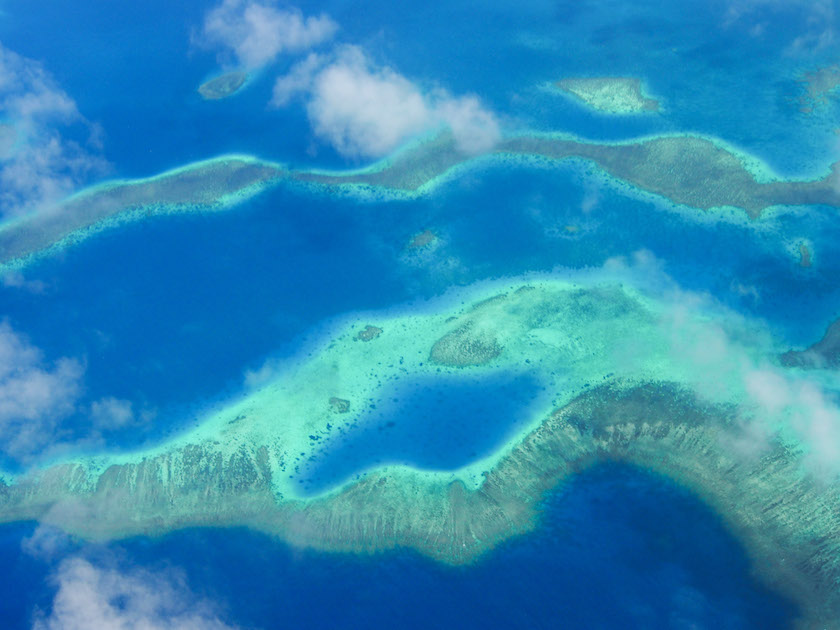
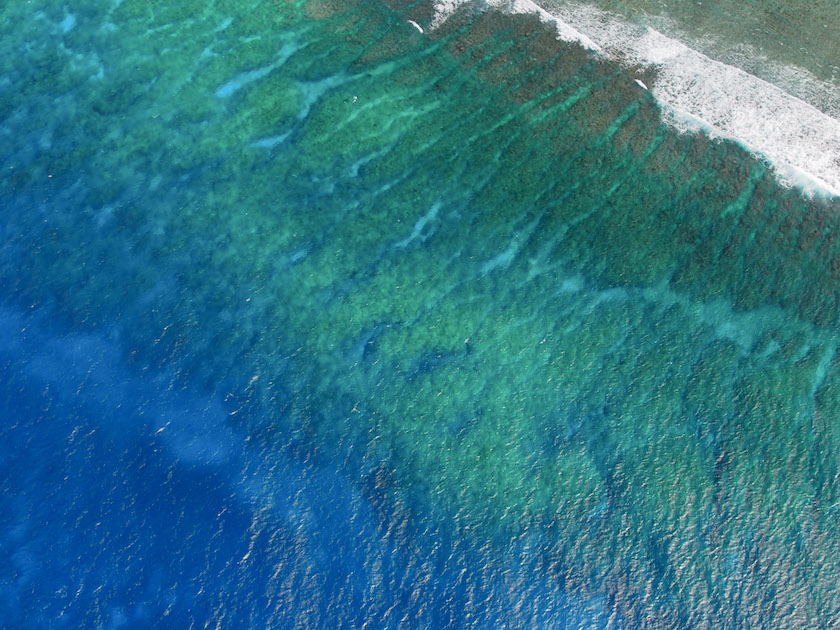
Park managers and government officials in New Caledonia were eager to get their hands on the report and maps summarizing the findings from the Global Reef Expedition, as it contains valuable baseline data on the state of the reefs at a point in time. The high-resolution habitat maps created on the GRE were designed to be used by government officials, community leaders, and managers. These maps, along with the survey data collected on the Global Reef Expedition, can help managers identify areas that could benefit from increased protection, such as improved enforcement of existing regulations, or by establishing no-take, no-entry areas.
With continued commitment from the government, Provinces, and local communities, conservation of New Caledonia’s marine resources can be some of the best in the world. The Khaled bin Sultan Living Oceans Foundation hopes that the data collected on the Global Reef Expedition will inform ongoing marine conservation and management efforts to protect coral reefs and fisheries in New Caledonia so that these reefs continue to thrive for generations to come.
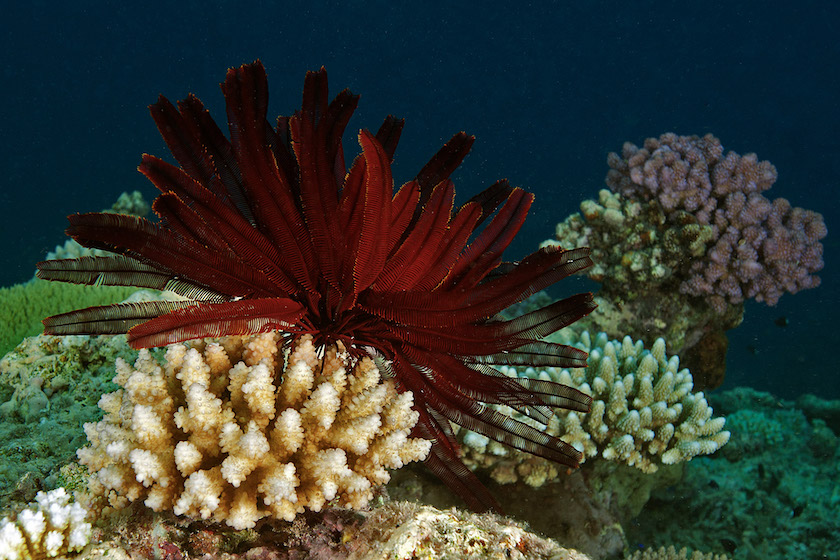
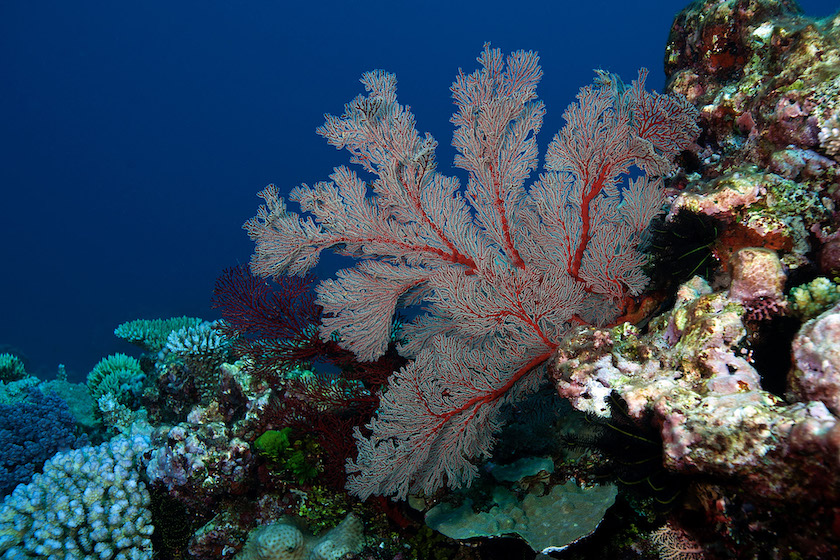
To learn more about the findings from this research mission, download the Global Reef Expedition: New Caledonia Final Report, or explore the habitat and bathymetric maps of New Caledonia’s coral reefs, visit the foundation’s website at www.livingoceansfoundation.org.